Xochimilco Aqueduct Trail
Walking RouteThis peaceful walk explores the oldest neighbourhood in the city, tracing the path of a colonial-era brick aqueduct. Xochimilco is characterised by its narrow, sloping streets, artisan workshops, and a deeply authentic residential feel. The aqueduct's arches, draped in vibrant flowering vines, provide a romantic and highly historic guiding line through the area. It is a quiet, contemplative stroll that reveals the city's ancient infrastructure seamlessly blended with modern daily life.
SURFACE BREAKDOWN
ELEVATION PROFILE
WHY WE LOVE THIS ROUTE
Following the historic aqueduct provides a tangible connection to the city's past while taking you away from the primary tourist zones. The residential, quiet nature of Xochimilco offers a deeply relaxing environment to appreciate the local architecture and slower pace of life.
WALKER'S FIELD NOTES
- • Go on a Friday or Saturday morning to finish your walk at the organic Pochote market for an excellent local breakfast.
- • Look out for the small, unassuming textile and tin-work studios tucked behind the heavy wooden doors along the route.
- • The arches provide brilliant framing for photography, especially when the morning light hits the red brick.
- 1WAYPOINT
Tomas Medina Plaza
PLAZA TOMÁS MEDINAA small, heavily shaded neighbourhood park where locals gather, surrounded by traditional artisan workshops.
to next stop - 2FREE THING TO DO
Xochimilco Arches
ARQUITOS DE XOCHIMILCOA striking series of historic brick arches lines a narrow, tranquil street, offering a glimpse into colonial engineering.
to next stop - 3WAYPOINT
Pochote Market Grounds
MERCADO EL POCHOTEA lively, community-focused space dedicated to organic produce, handmade goods, and excellent regional coffee.
to next stop - 4WAYPOINT
Stone Cross Square
PLAZUELA DE LA CRUZ DE PIEDRAA serene, stone-paved square featuring a central carved monument and flanked by colourful, historic facades.
Other Walking Routes
Check out other routes in Oaxaca City
Alcalá Promenade
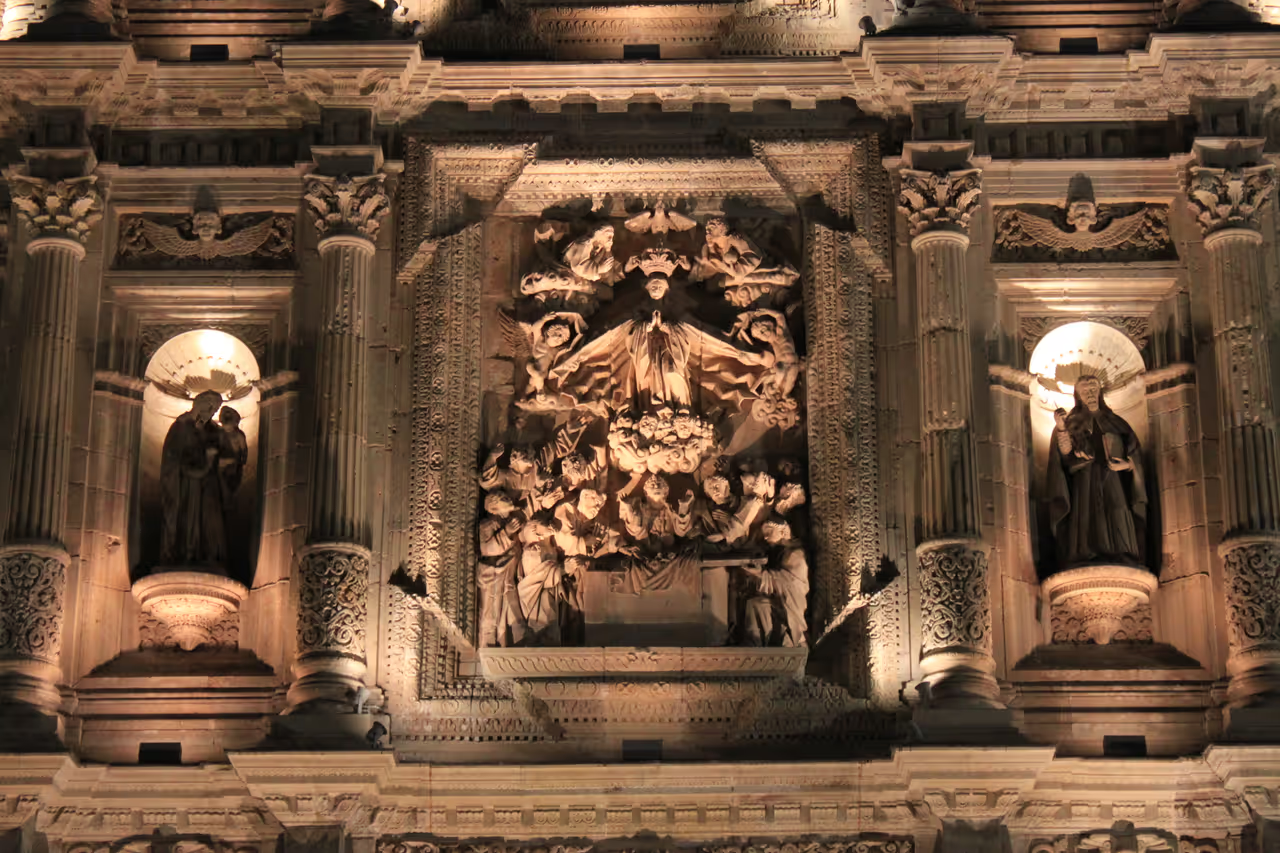
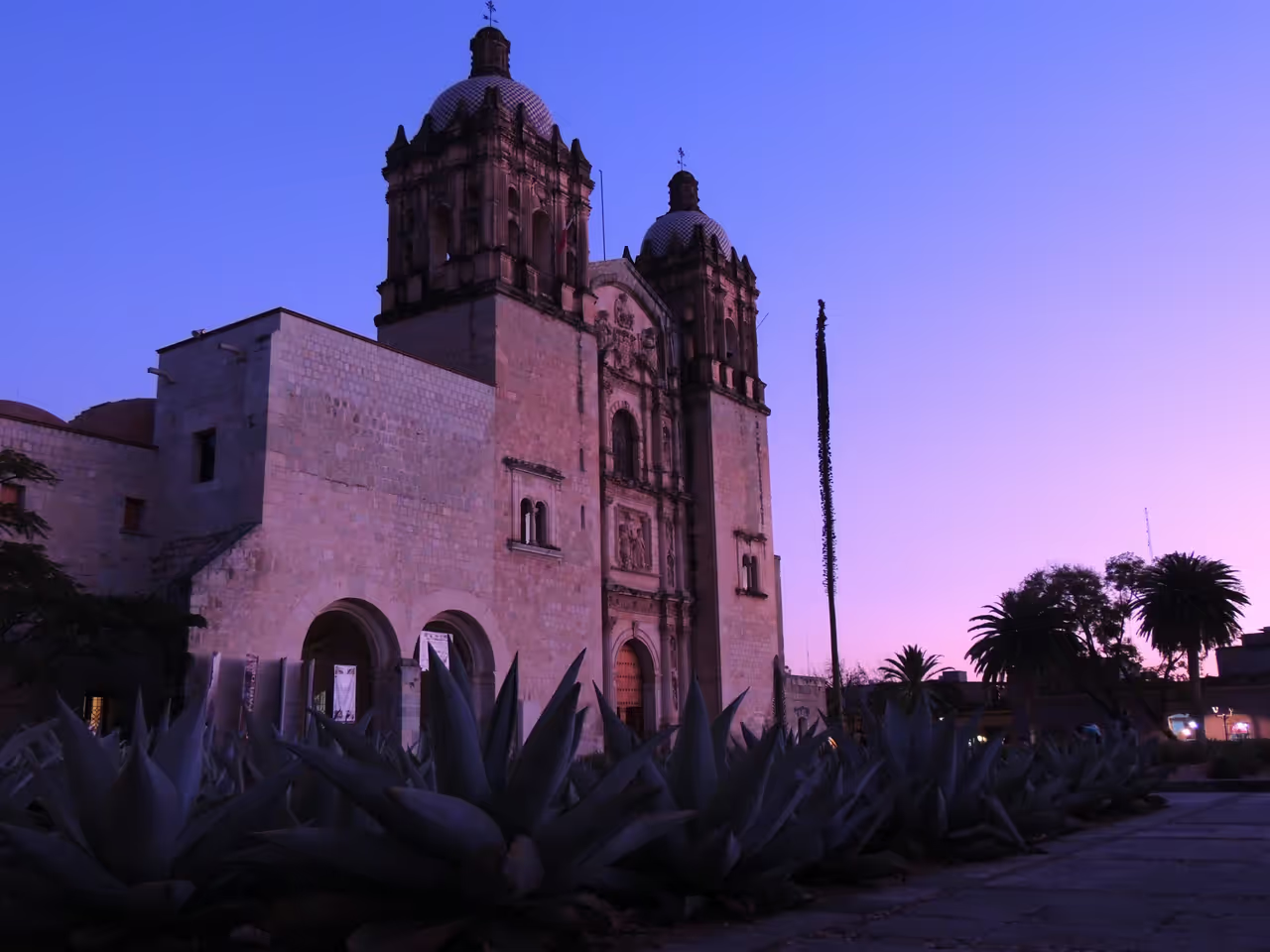
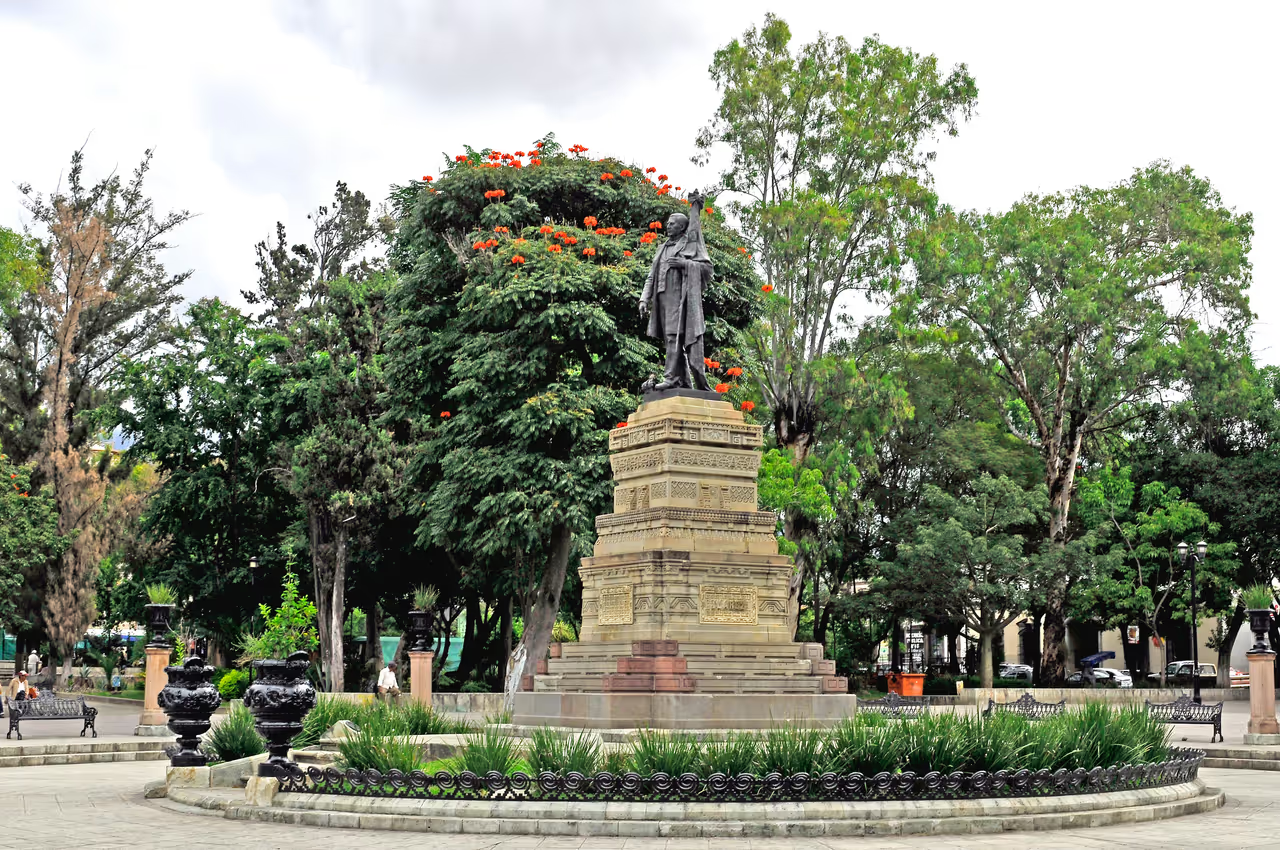
This magnificent pedestrian street is the elegant spine of the historic centre, paved in distinctive green cantera stone. Lined with meticulously restored colonial mansions, art galleries, and boutique shops, it offers a visually stunning environment free from vehicle traffic. The stroll is incredibly atmospheric, often soundtracked by classical guitarists or marimba players. It represents the polished, cosmopolitan side of the city's heritage, inviting a slow, appreciative pace.
view route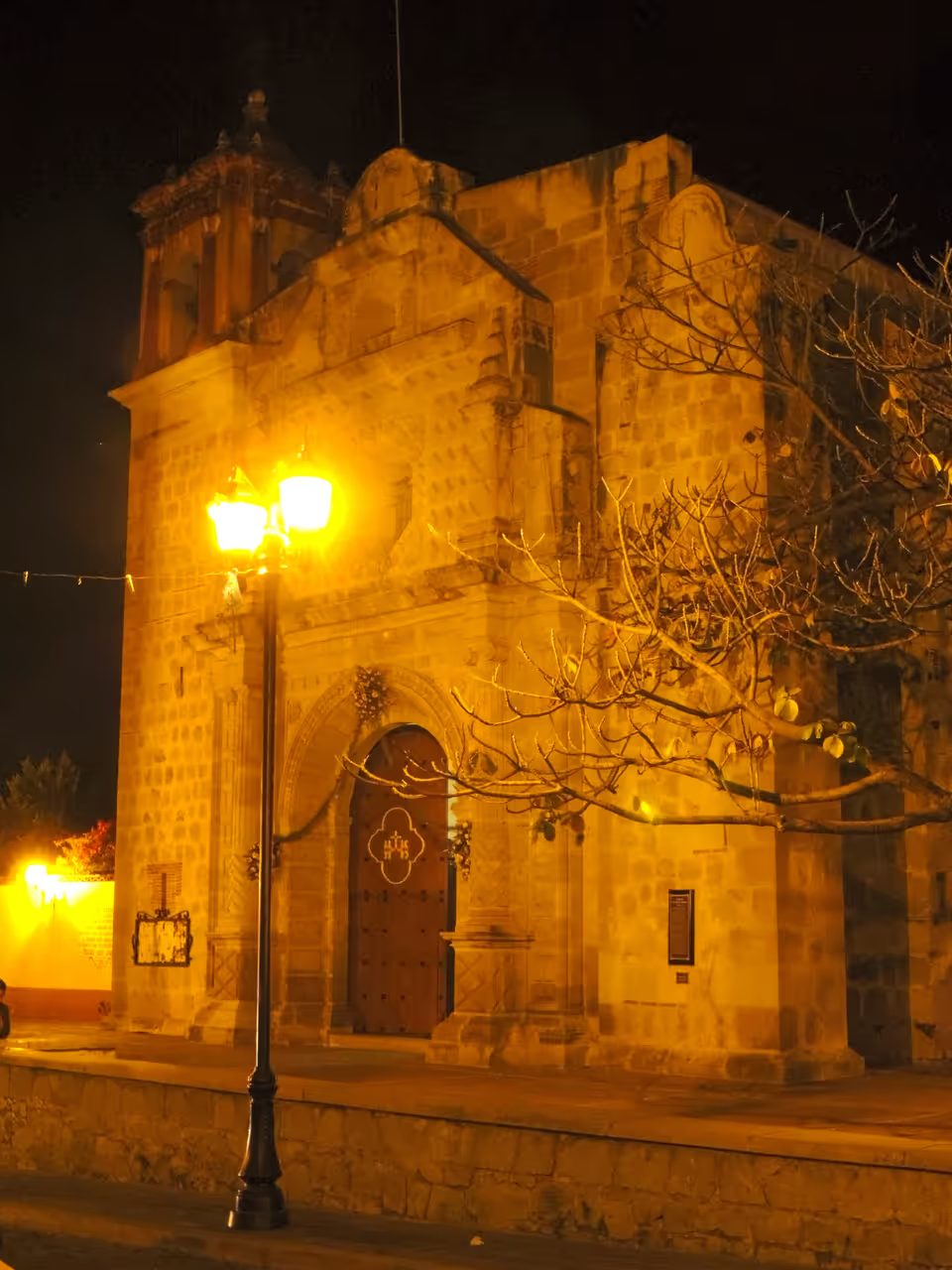
Jalatlaco Cobblestone Wander
Wandering through Jalatlaco feels like stepping into a vibrant, traditional Mexican village hidden right in the middle of a city. This neighbourhood is famous for its rough cobblestone streets, brightly painted single-story houses, and an abundance of striking, colourful street murals. The atmosphere is distinctly tranquil and bohemian, offering a sharp contrast to the monumental grandeur of the historic centre. It is an area that demands aimless wandering to discover its hidden artistic corners and quiet courtyards.
view route
Alternative Ways to Tour the City
Switch your pace. Discover curated routes by bike, foot, or self-guided exploration.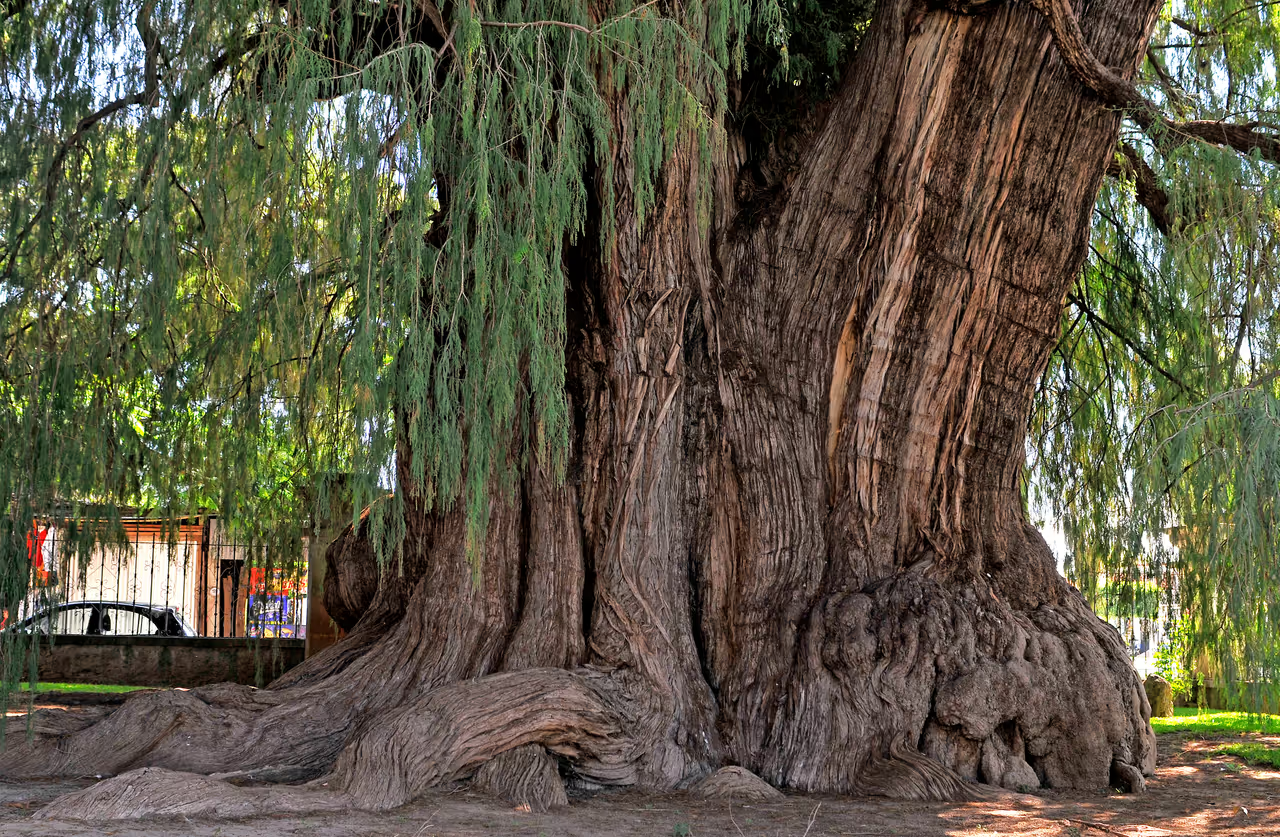
Ancient Cypress Greenway
This lovely, mostly flat ride takes you from the edge of the historic centre out into the sweeping agricultural lands of the Oaxaca Valley. Much of the route follows a dedicated cycle path, offering a stress-free journey away from heavy vehicular traffic. The landscape is dotted with small farms, agave fields, and distant mountain vistas. It provides a peaceful, rhythmic way to escape the urban energy and connect with the rural charm of the surrounding region.
Zapotec Heritage Trail
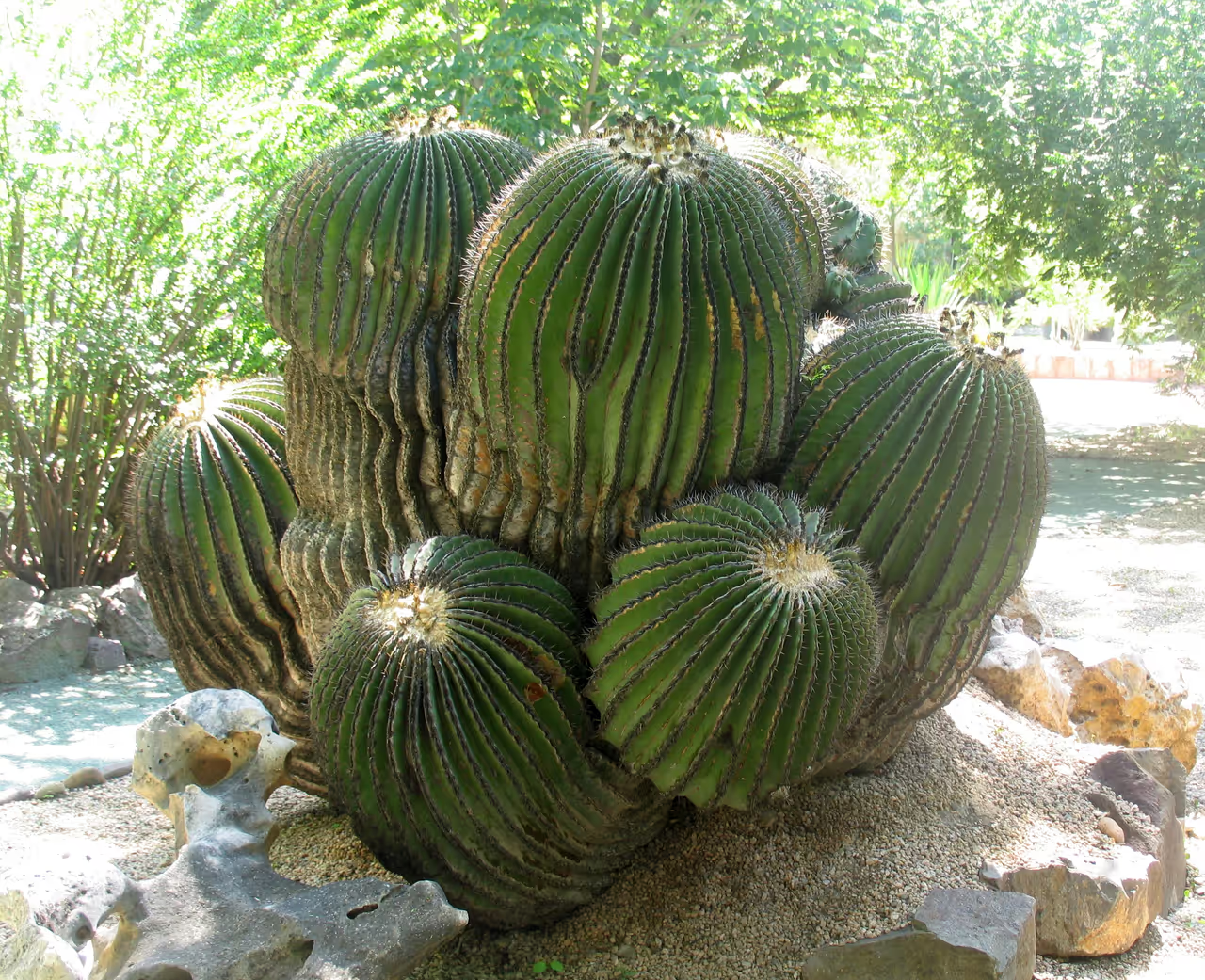
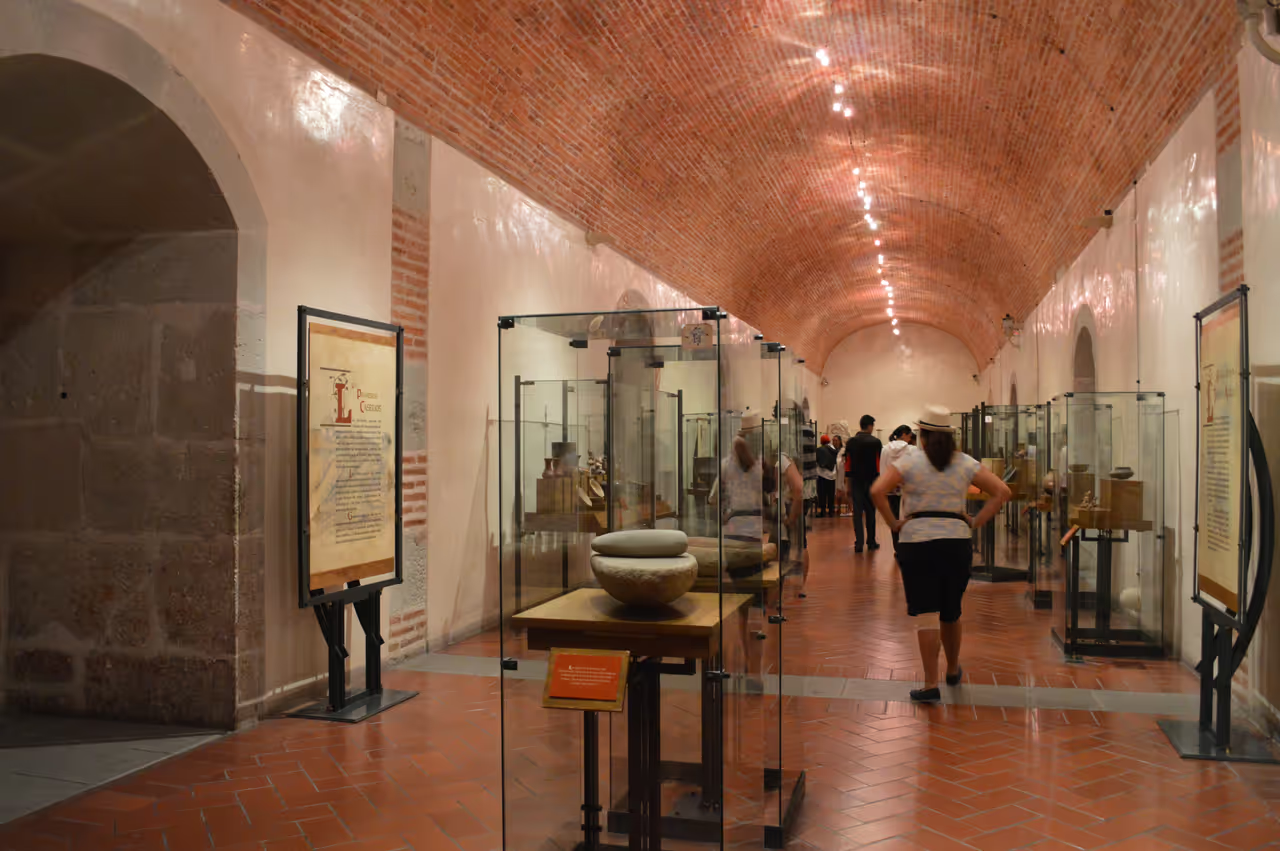
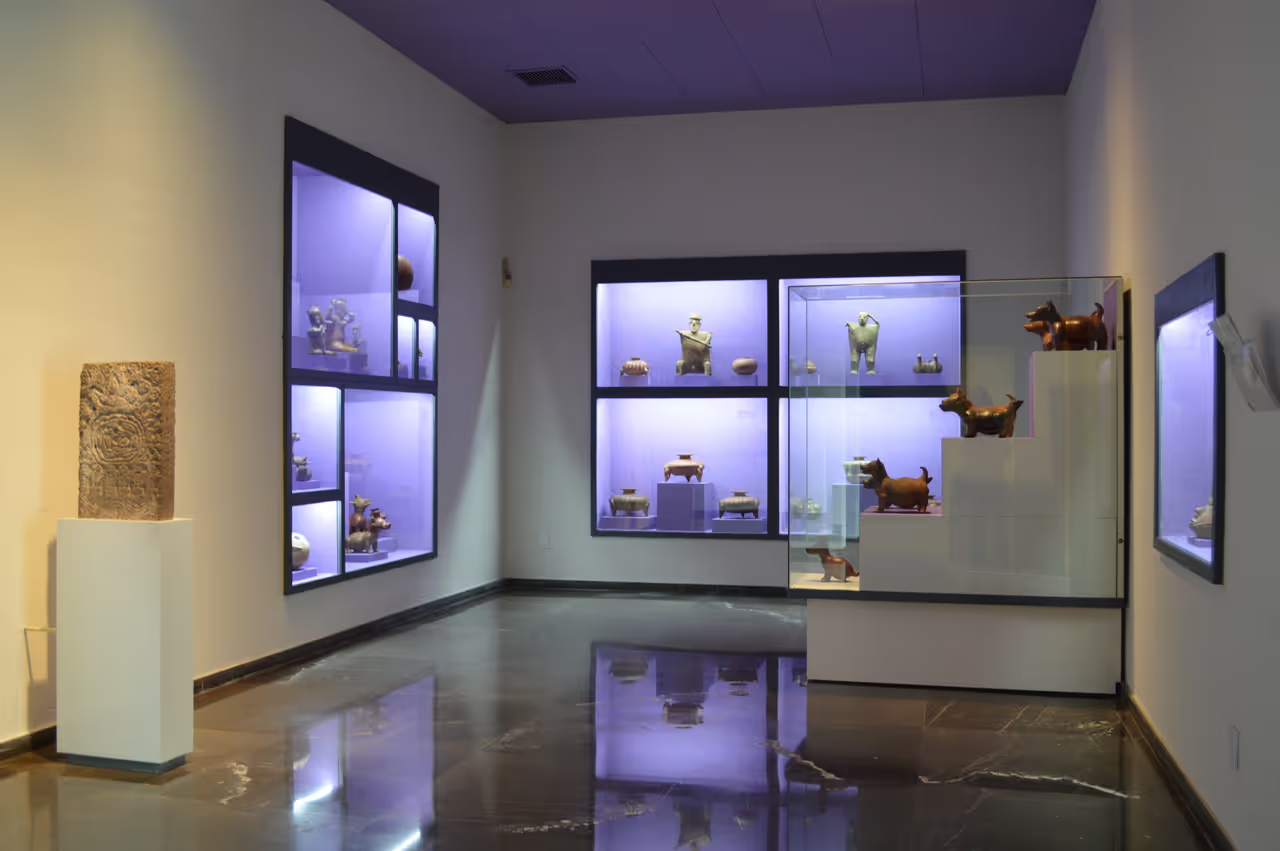
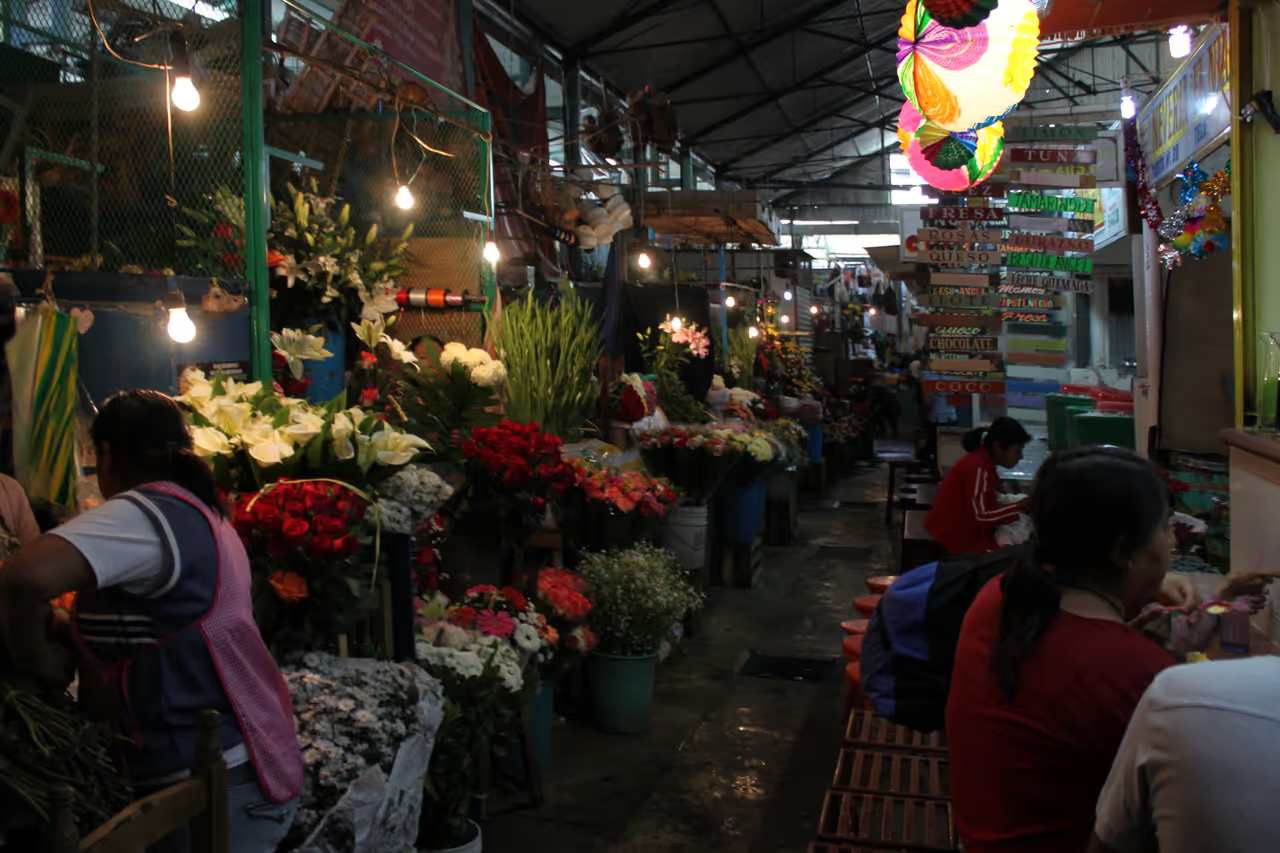
This educational journey connects the city's most important sites related to its profound pre-Hispanic roots. Rather than focusing on colonial architecture, this route highlights the artefacts, natural environment, and living traditions of the indigenous cultures that have inhabited the valley for millennia. By moving between world-class museums and traditional markets, the tour constructs a narrative of a civilisation that survived conquest and continues to thrive. It offers a deep, contextual understanding of the region's true foundational identity.