Timber Lanes, Enduring Arcades & Temma
Self-Guided TourWalking ten minutes east of Umeda's giant department stores opens a human-scaled Osaka built of prewar wooden shops and neighbourly market arcades. This characterful route connects creative timber studios, Japan's longest straight shopping arcade, a scholarly shrine, and beloved lantern alleys.
SURFACE BREAKDOWN
ELEVATION PROFILE
WHY WE LOVE THIS ROUTE
Stepping from quiet timber workshops straight into Osaka's longest neighbourhood arcade and beloved standing bars reveals daily local culture untouched by glossy chains.
KNOW BEFORE YOU GO
- • Collect a fun completion certificate near Tenjinbashi 1-chome and 6-chome if you walk the full 2.6-kilometre length.
- • Visit Nakazakicho after 12:30, as indie vintage shops and cafes tend to open around midday and close on Tuesdays or Wednesdays.
- 1HIDDEN GEM
Nakazakicho Neighbourhood
中崎町Spared by 1945 bombing raids, this tight cluster of lanes preserves wooden nagaya rowhouses turned into vintage clothing boutiques, ceramic studios, and tiny record cafes. Potted plants spill over weathered doorframes beneath overhead laundry lines and painted wooden signs.
to next stop - 2HIGHLIGHT
Tenjinbashi-suji Shopping Arcade
天神橋筋商店街Running 2.6 kilometres across seven numbered blocks, Japan's longest roofed shopping street showcases everyday Osaka trade uninterrupted since the Edo era. Neighbourhood butchers fry hot potato croquettes beside kimono tailors, tea roasters, and bargain grocers.
to next stop - 3NIGHTLIFE
Temma Drinking Alleys
天満・裏天満Webbing around JR Temma Station, glowing paper lanterns light narrow side streets crammed with shellfish grills and friendly standing bars. Regulars gather shoulder to shoulder over bargain beer pitchers and freshly steamed gyoza late into the evening.
to next stop - 4FREE THING TO DO
Osaka Tenmangu Shrine
大阪天満宮Founded by imperial decree in 949 to honour deified scholar Sugawara no Michizane, this revered shrine draws students hanging prayer plaques before exams. Plum trees flower inside the peaceful courtyard right alongside the covered arcade.
FULL PLACE DETAILS
UpdatedOVERVIEW & STATS
- Established
- In 949, making it 1077 years old
ARCHITECTURE & HERITAGE
- Heritage Status
- Registered Tangible Cultural Property Of Japan
- Architectural Styles
- Ishi-no-ma-zukuri
- Founders
- Murakami
WEB & AMENITIES
Other Self-Guided Tours
Check out other routes in Osaka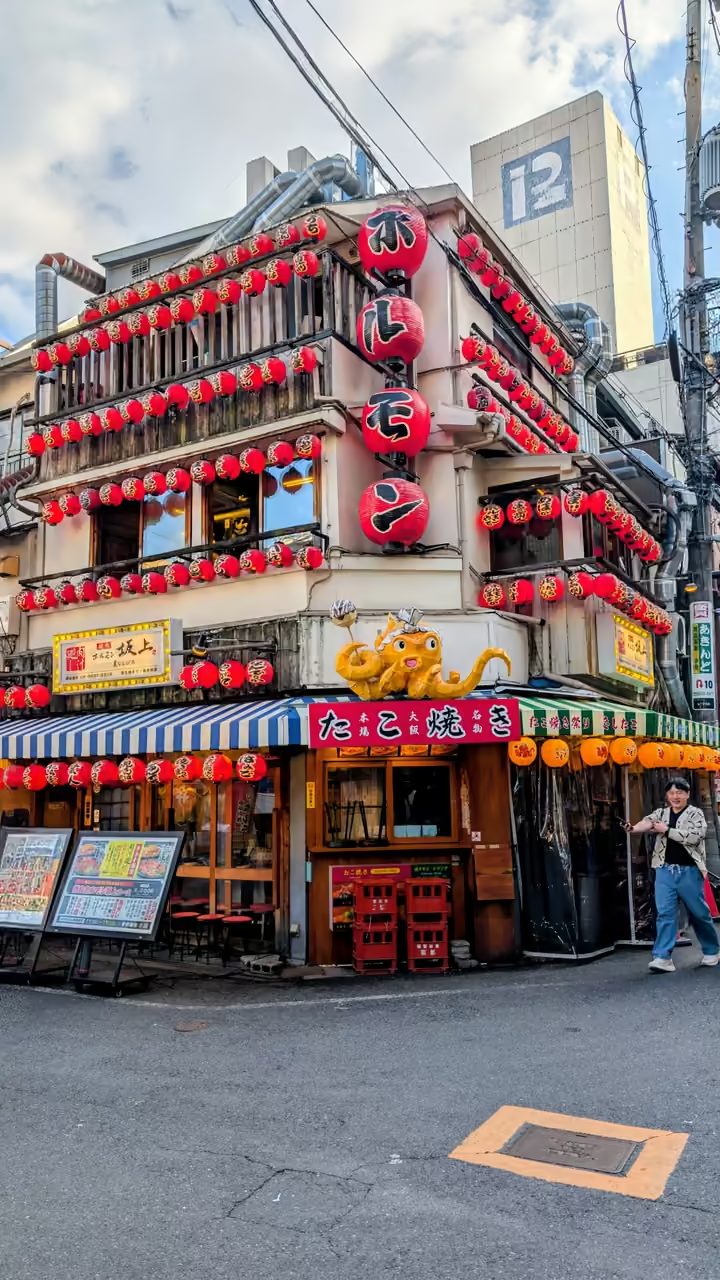
Market Arcades & Kuidaore Food Trail of Minami
Osaka's joyful culinary obsession plays out shoulder to shoulder across Minami's lively commercial lanes. Moving among working fishmongers, specialist kitchenware dealers, comedy theatres, and neon canals shows how Osaka turned everyday eating into pure public theatre.
view route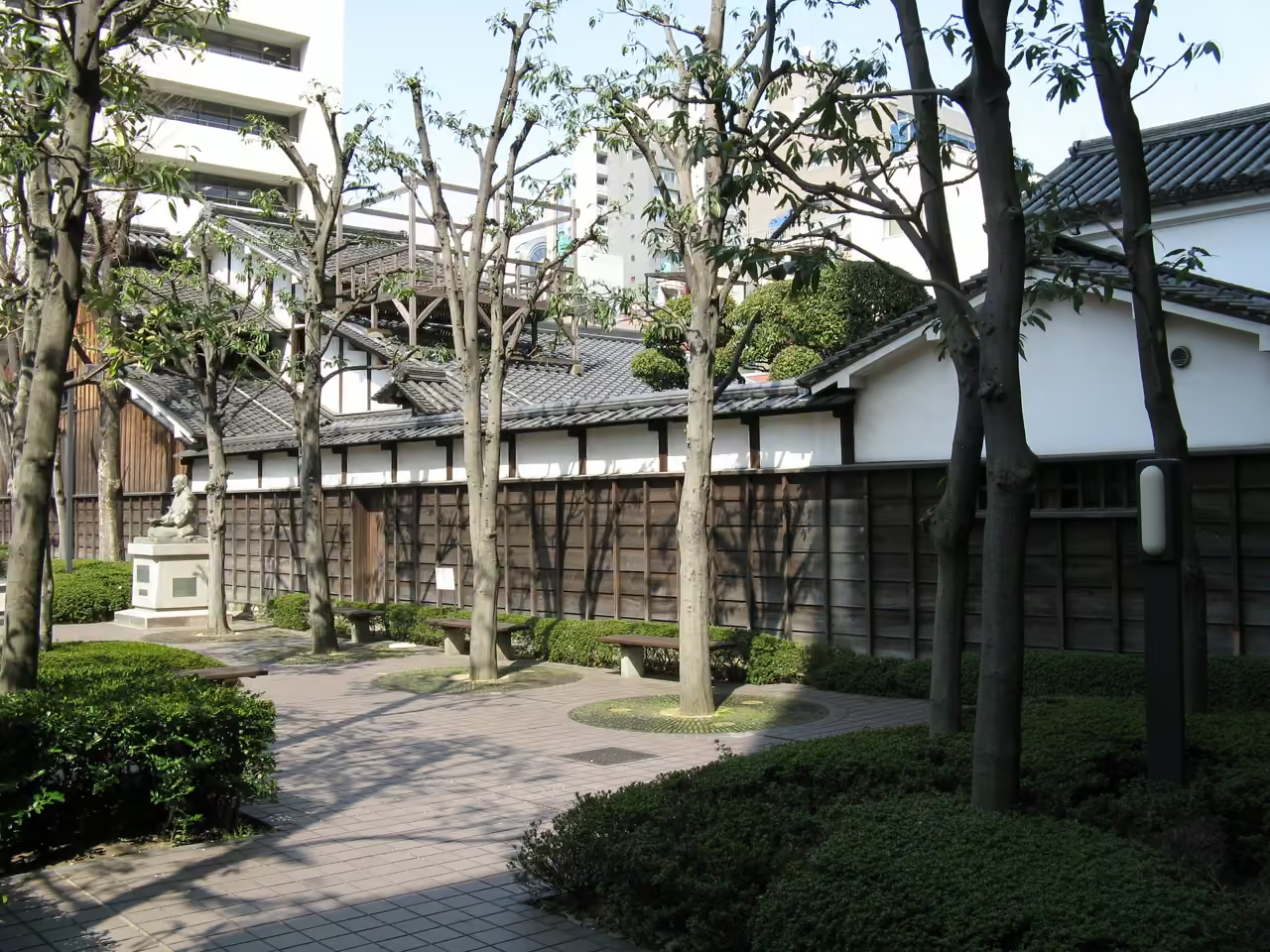
Merchants, Medicines & Modernism in Semba
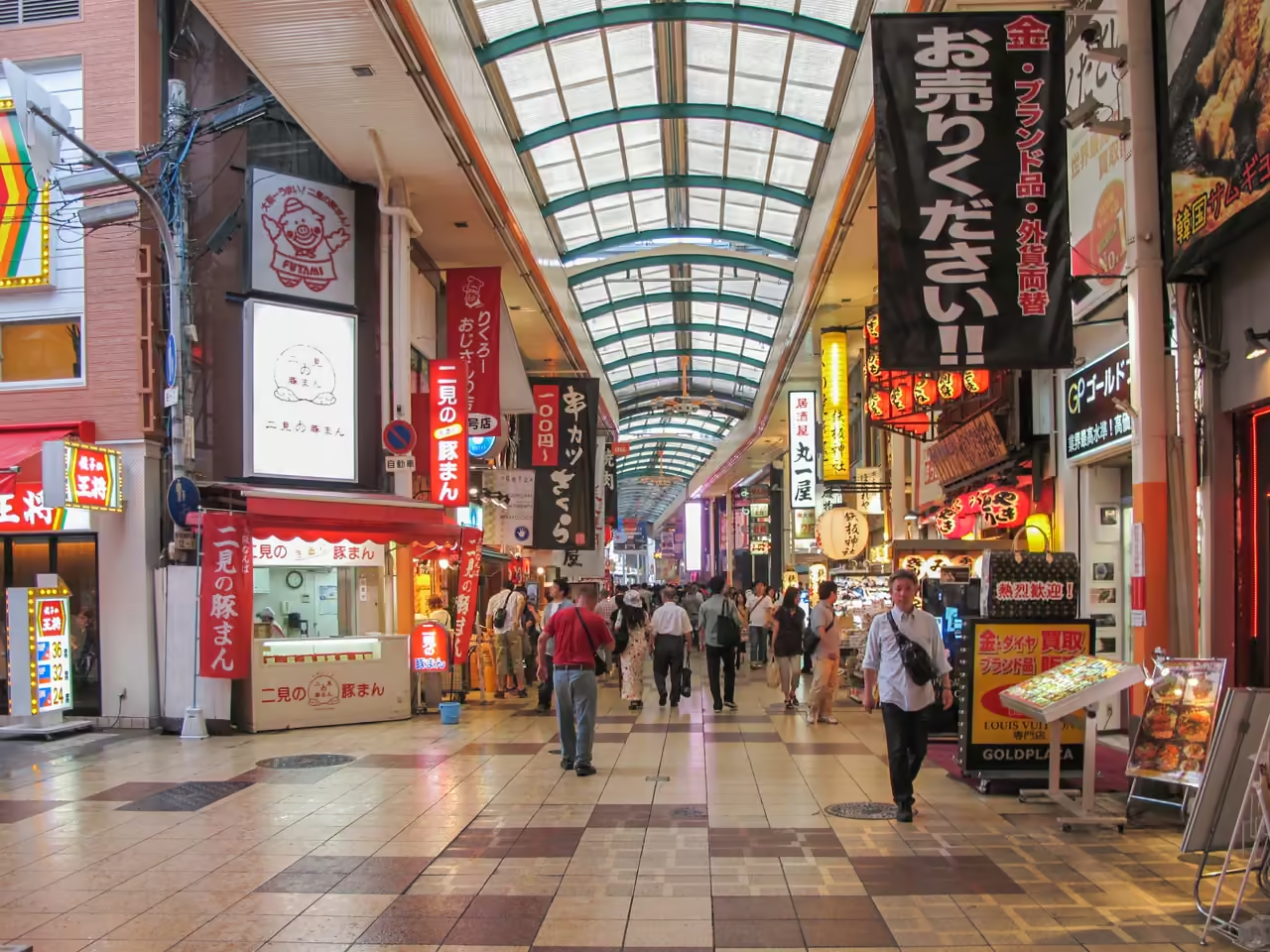
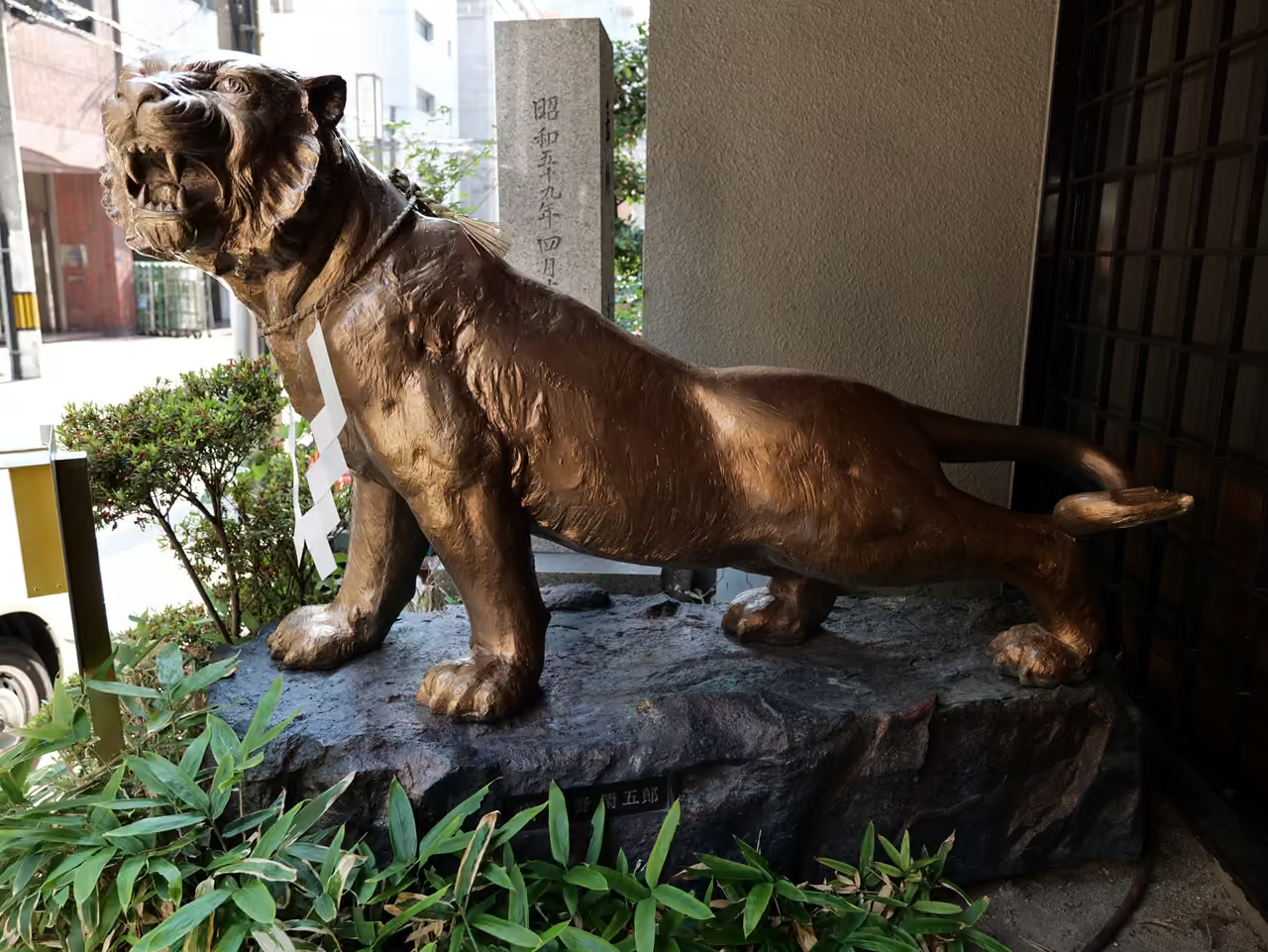
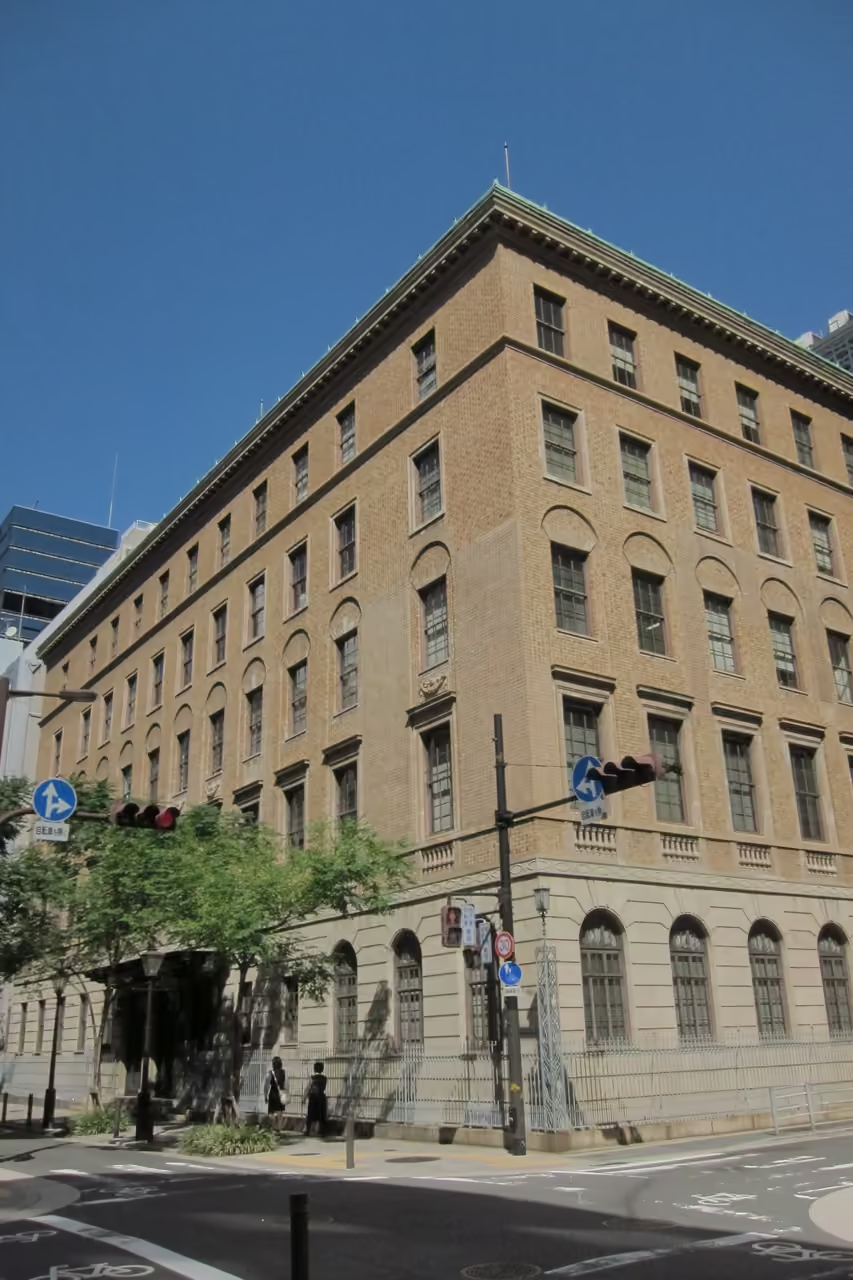
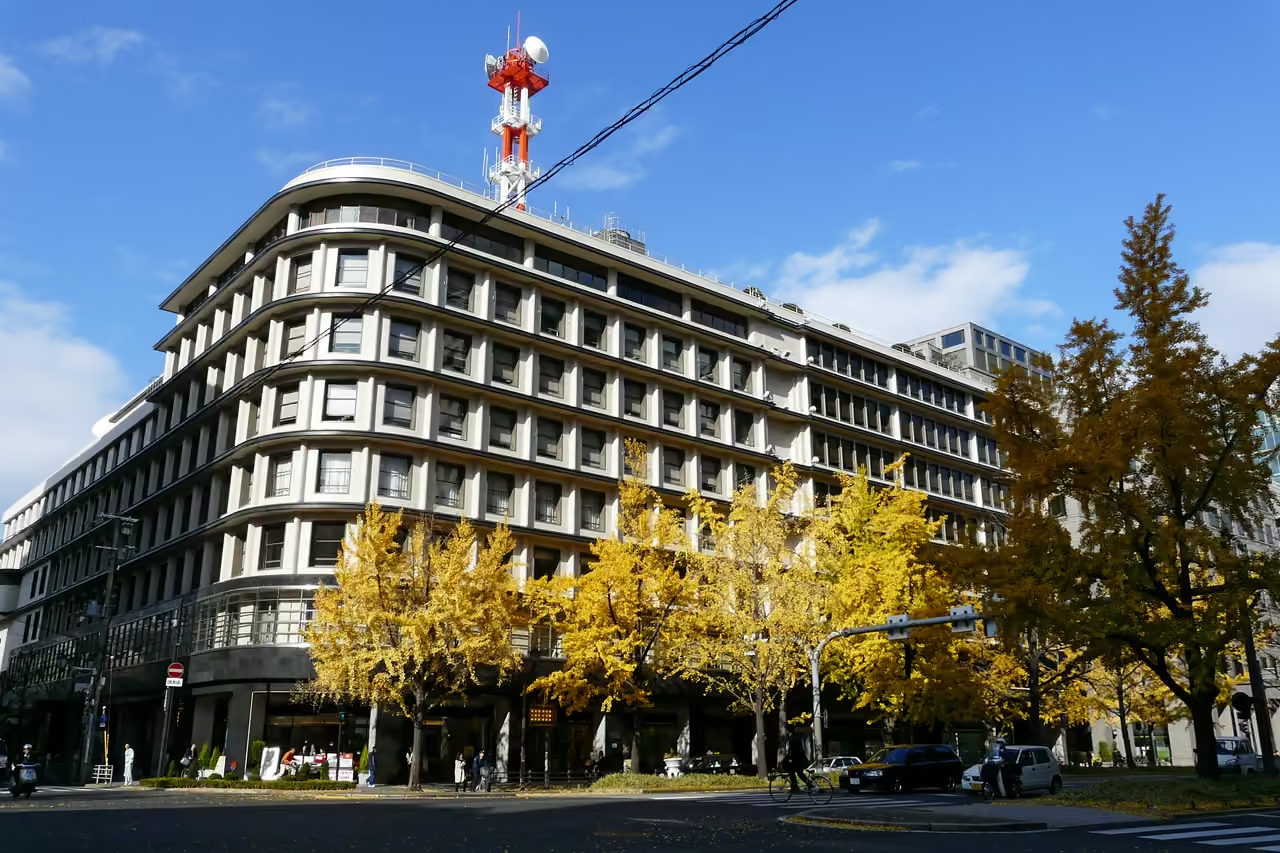
Long before glass towers crowned Umeda, Osaka's great merchant families directed Japan's banking, cotton, and medicine trades from Semba and Kitahama. Tracing these storied grid blocks unveils an 18th-century apothecary guild, a cramped Dutch-learning loft, and grand prewar clubhouses.
view route
Sixth-Century Temples to Retro Shinsekai
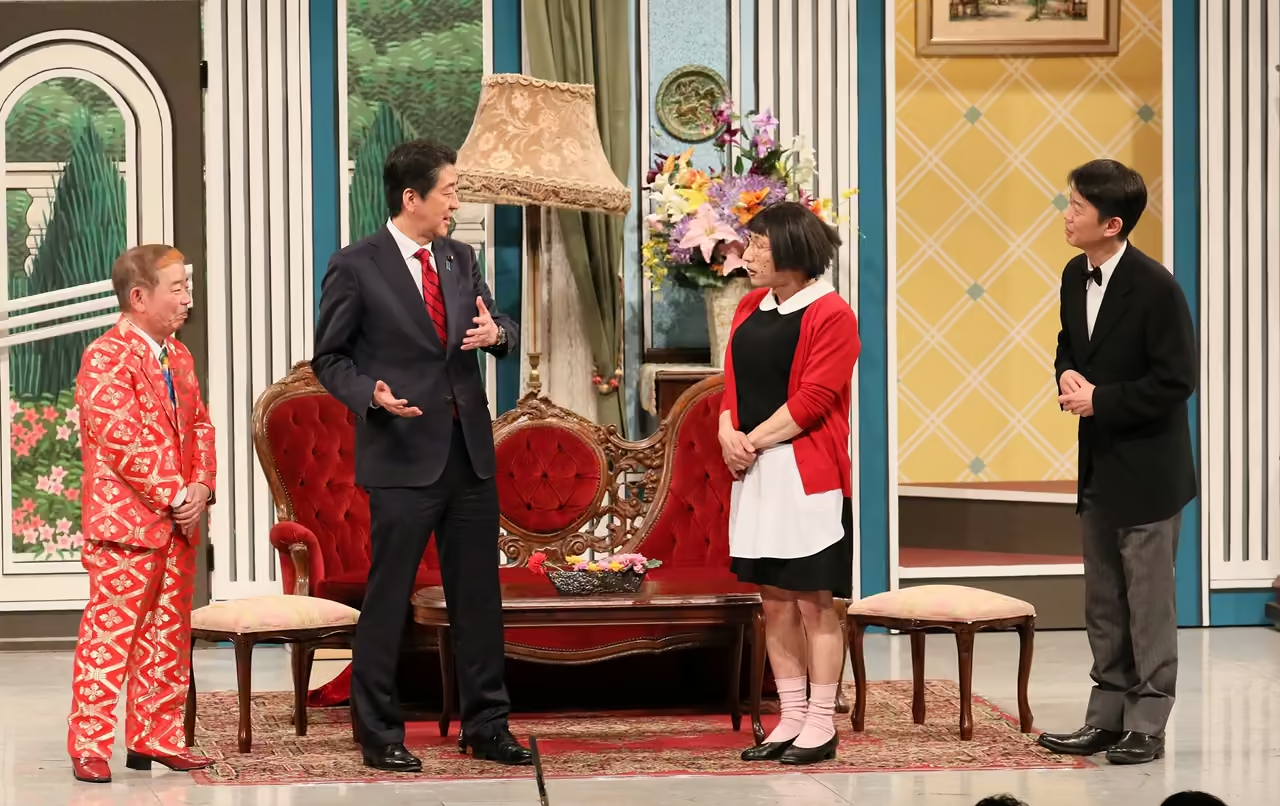
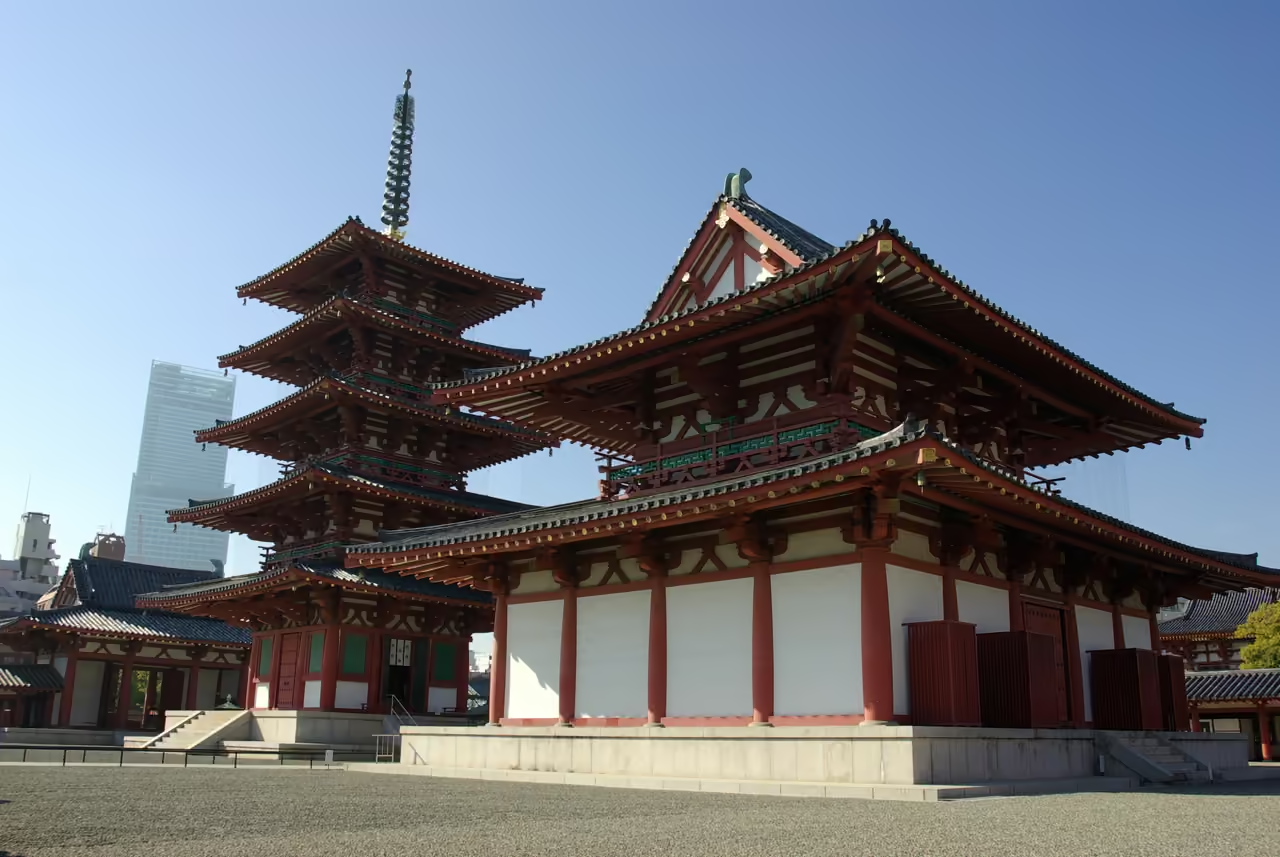
Few short urban walks bridge fourteen centuries as smoothly as descending from Osaka's oldest Buddhist precinct down into flamboyant Shinsekai. Ancient stone gates, extraordinary devotional sculpture, tranquil garden ponds, and working-class fried skewer counters sit twenty minutes apart on foot.
view route
Alternative Ways to Tour the City
Switch your pace. Discover curated routes by bike, foot, or self-guided exploration.
Dusk Along Dotonbori Canal & Lantern Alleys
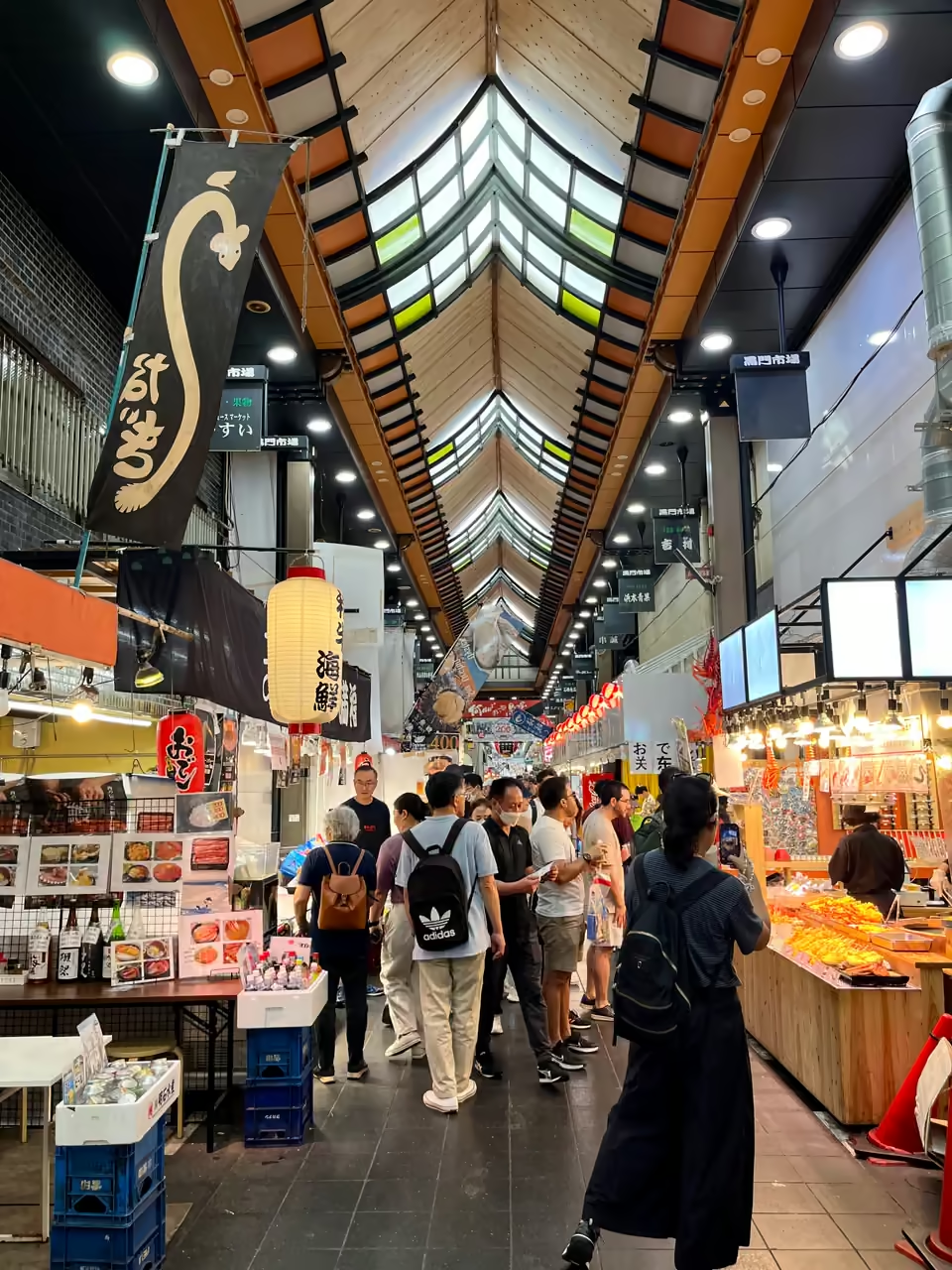
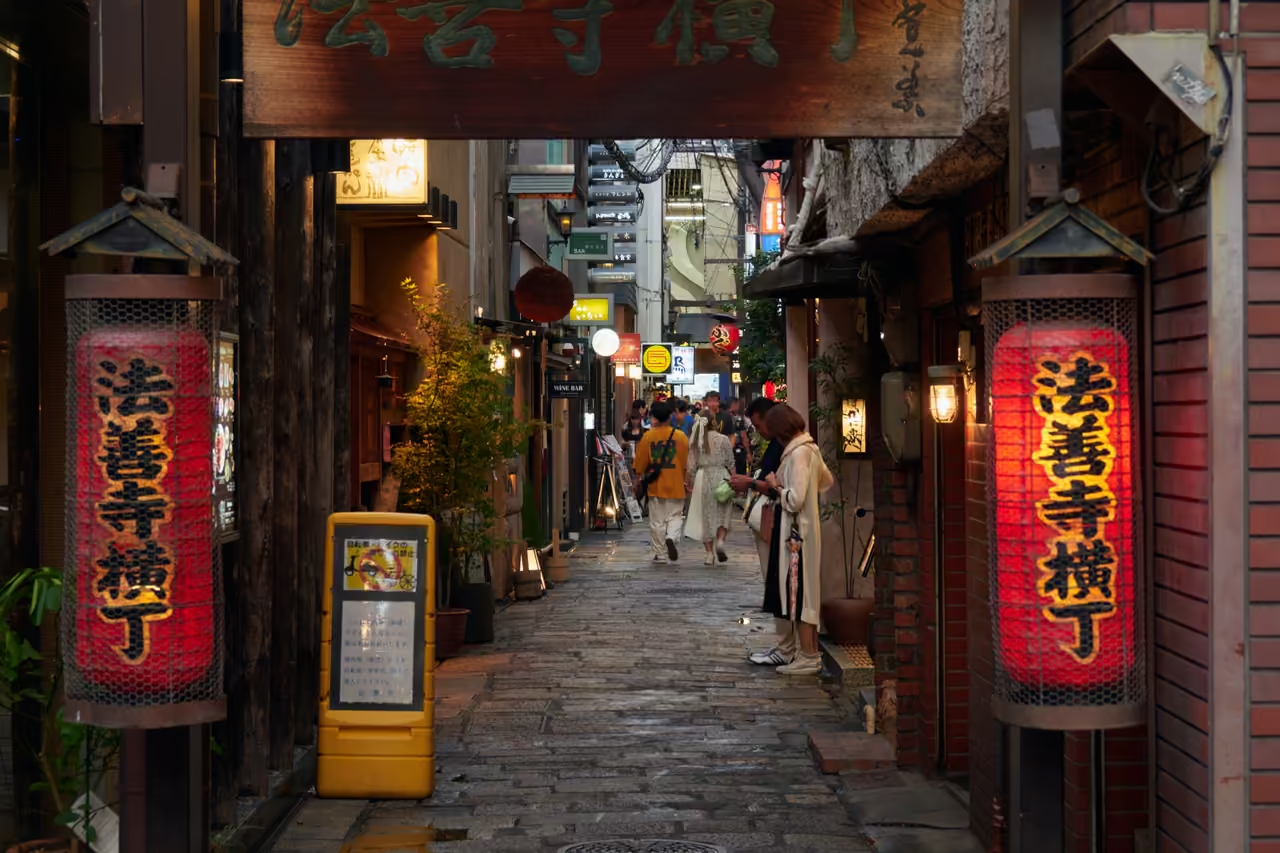
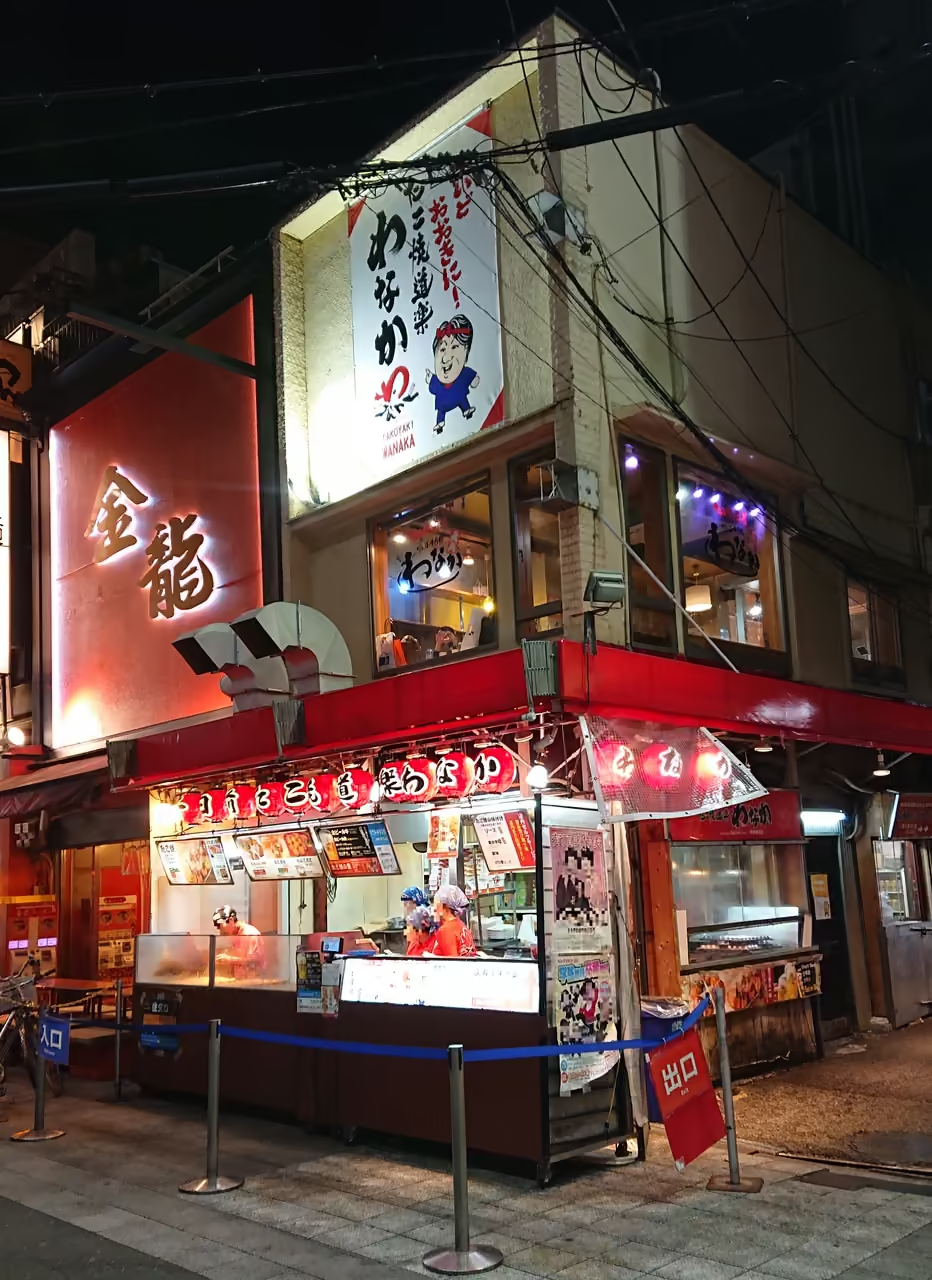
Minami comes alive as daylight fades and thousands of neon tubes, glowing lanterns, and illuminated canal railings ignite simultaneously. This atmospheric evening stroll pairs Dotonbori's dazzling waterside walkway with moss-covered flagstones and hidden bar lanes steps away.
Okawa & Yodogawa Riverside Heritage Loop
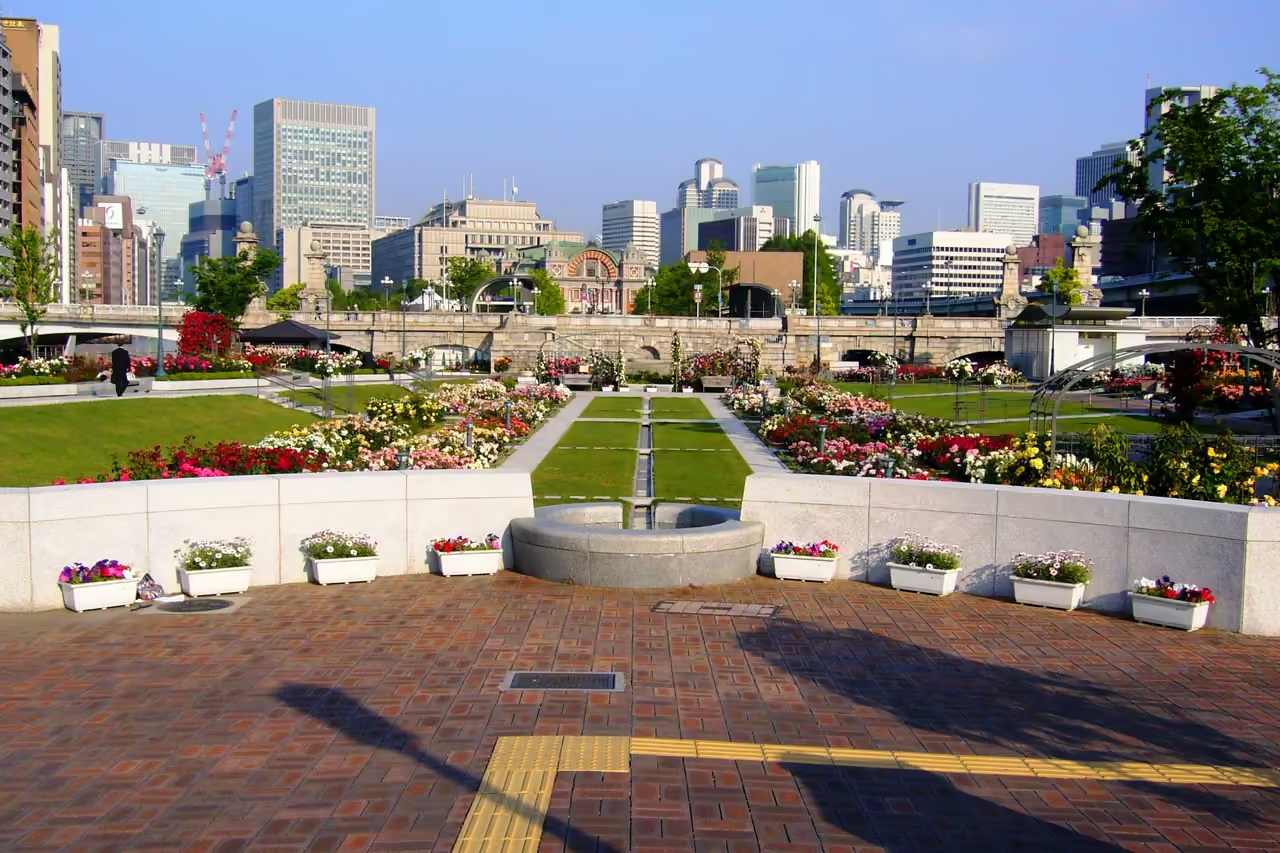
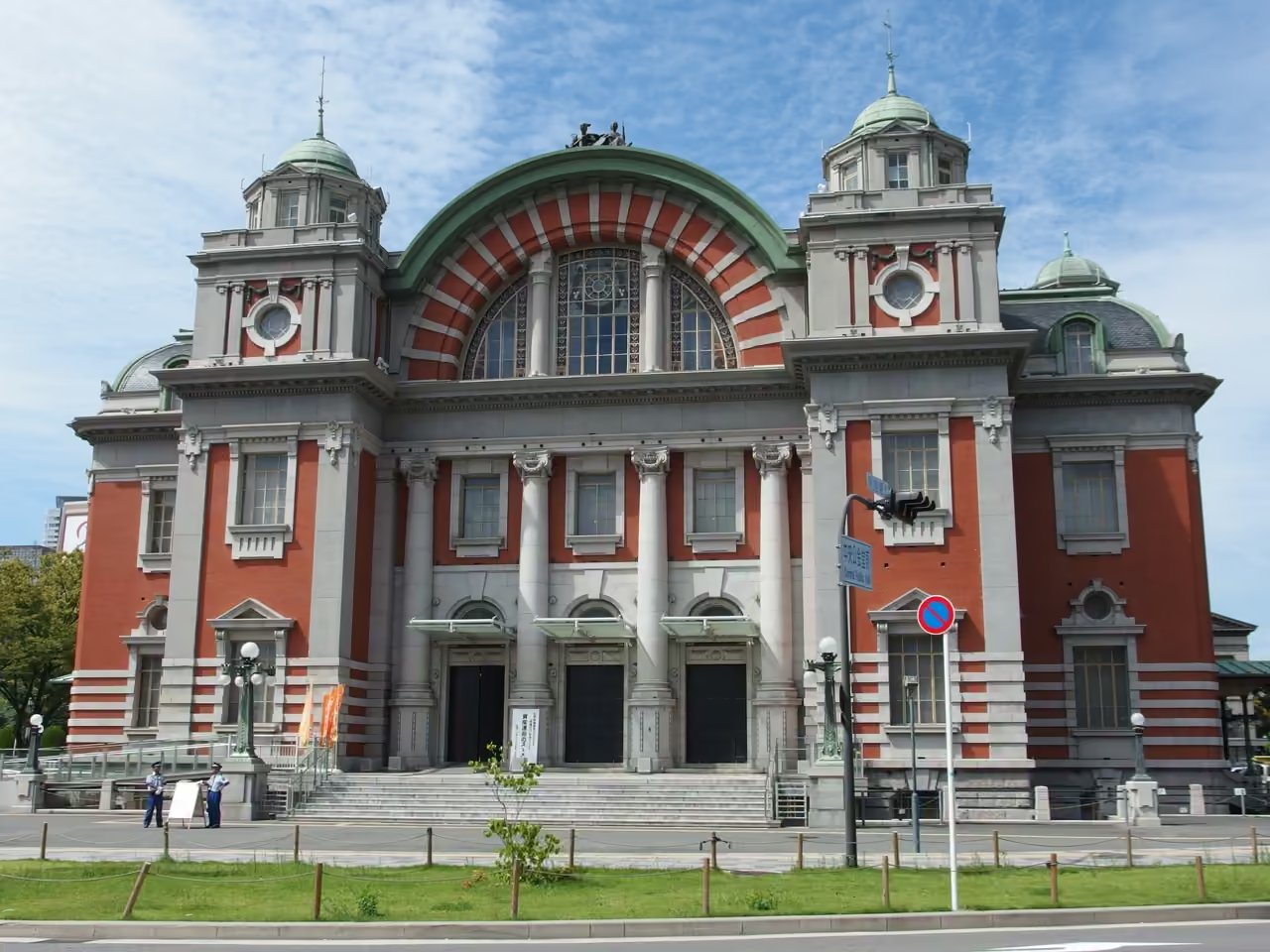
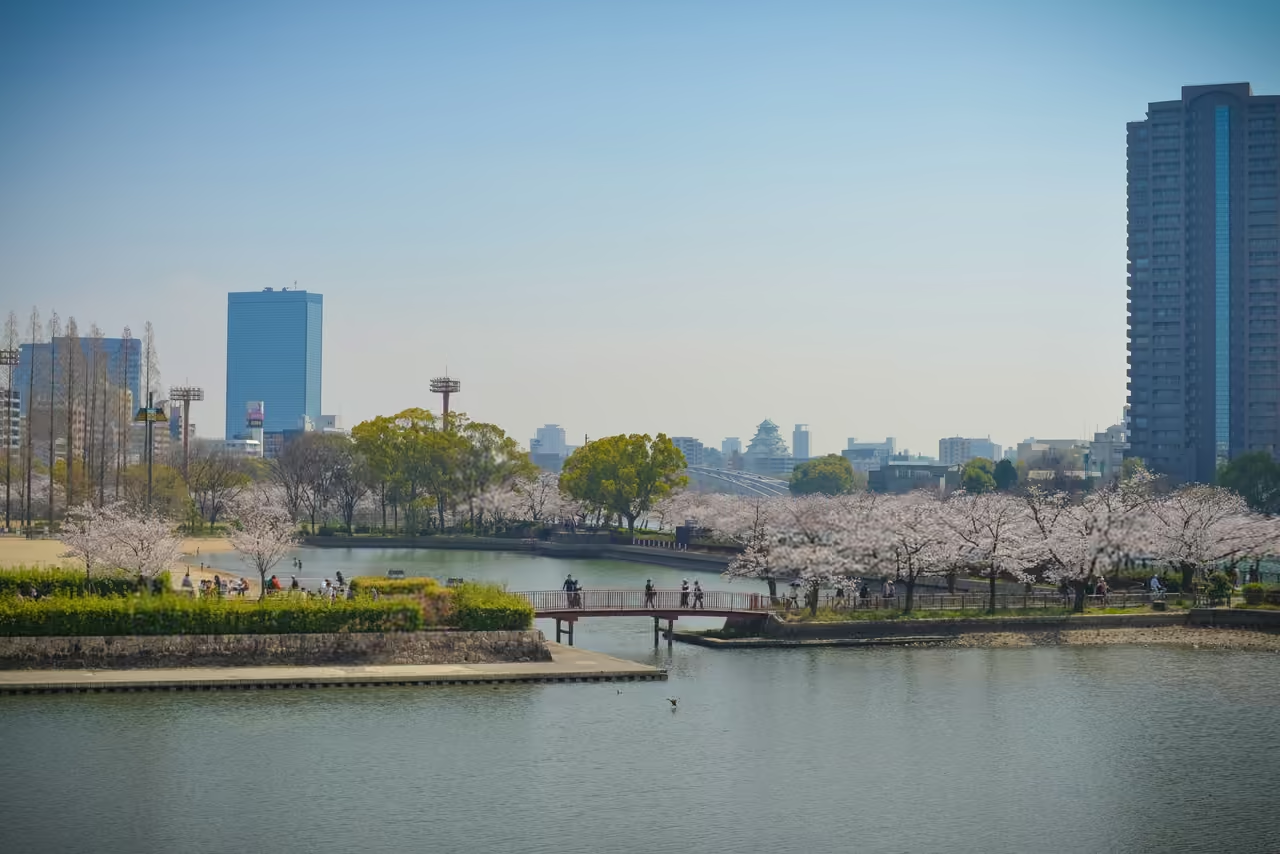
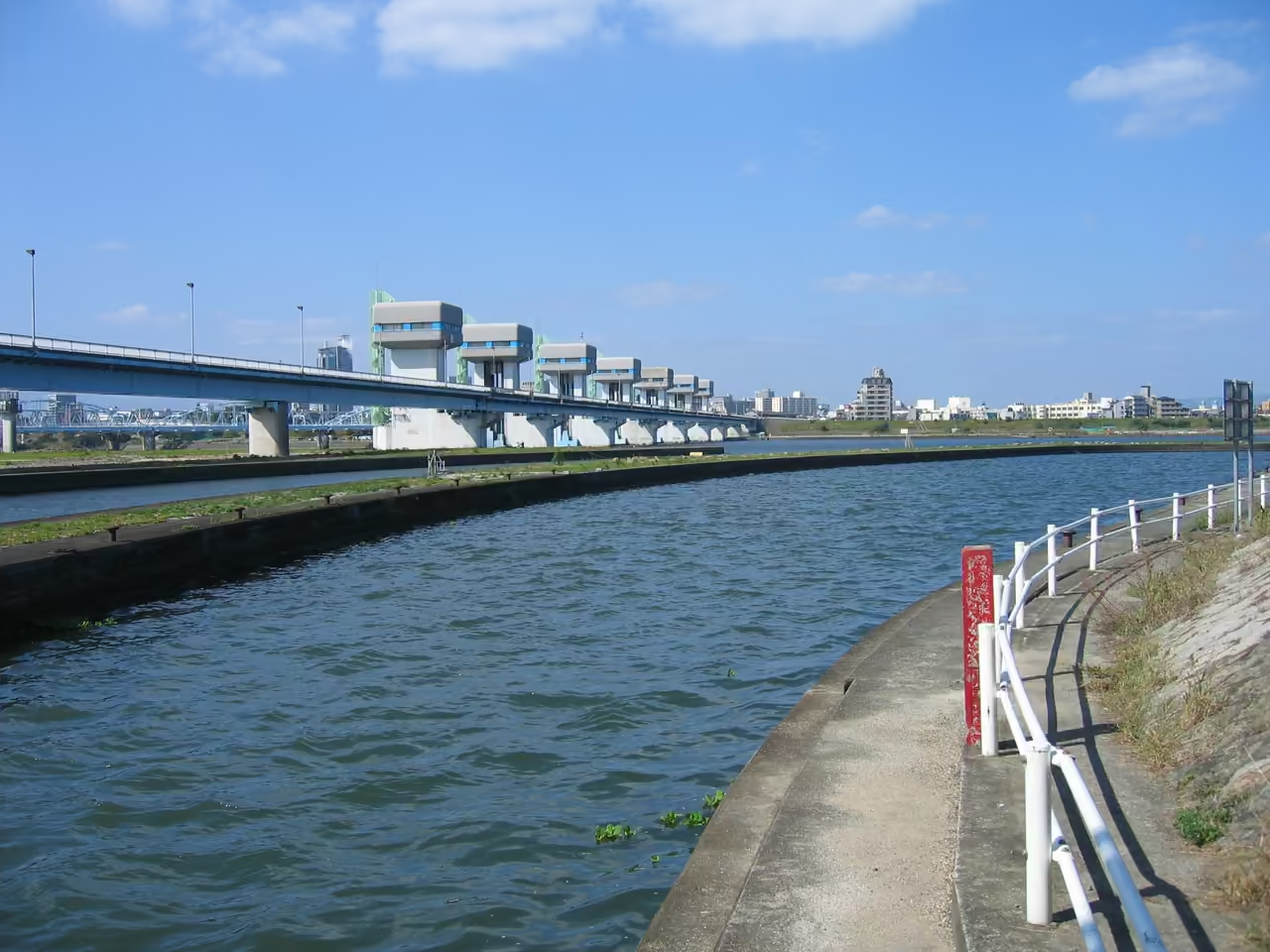
Tracing broad water corridors north of downtown glass towers, this flat, mostly car-free ride captures Osaka's soul as a City of Water. Smooth paved embankments link Meiji-era brick landmarks on Nakanoshima Island with thousands of cherry trees stretching toward historic waterworks on the broad Yodogawa River.