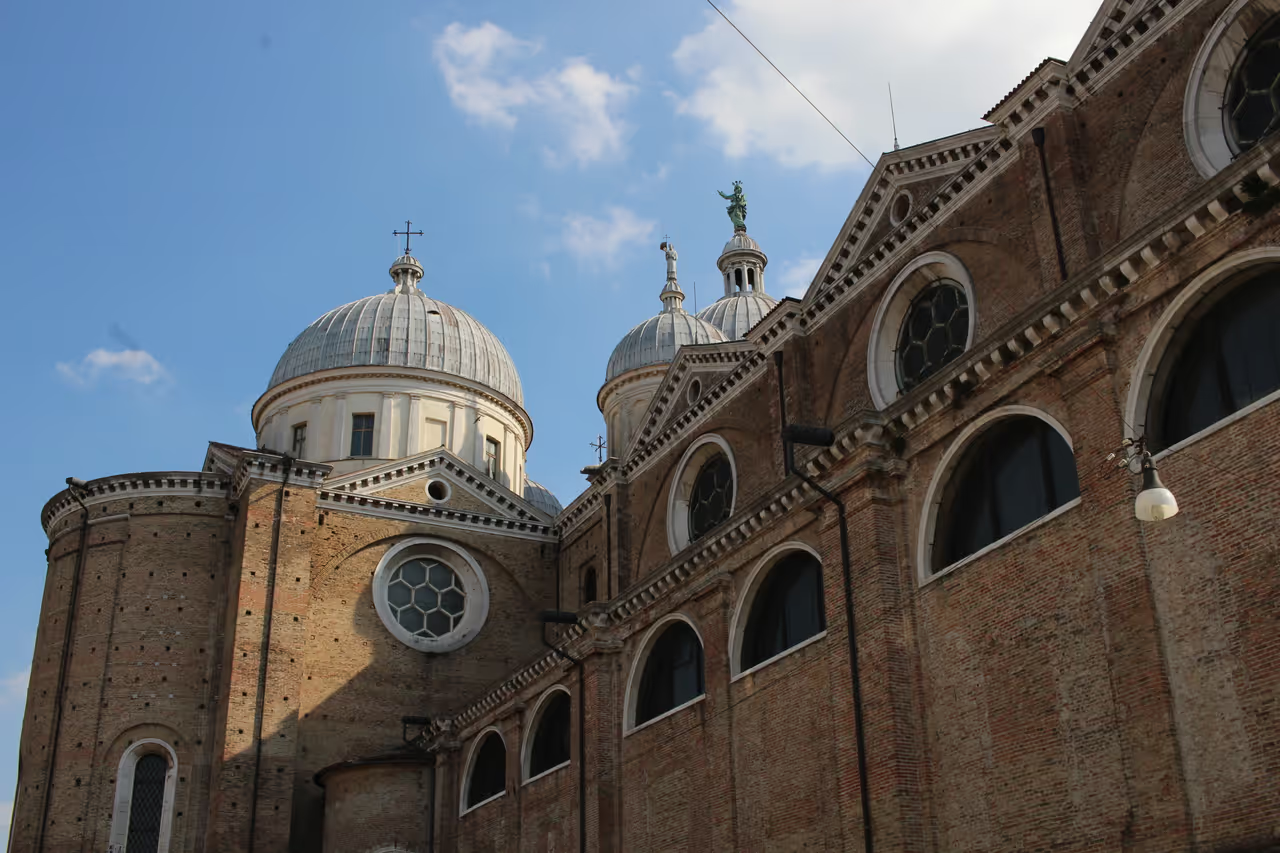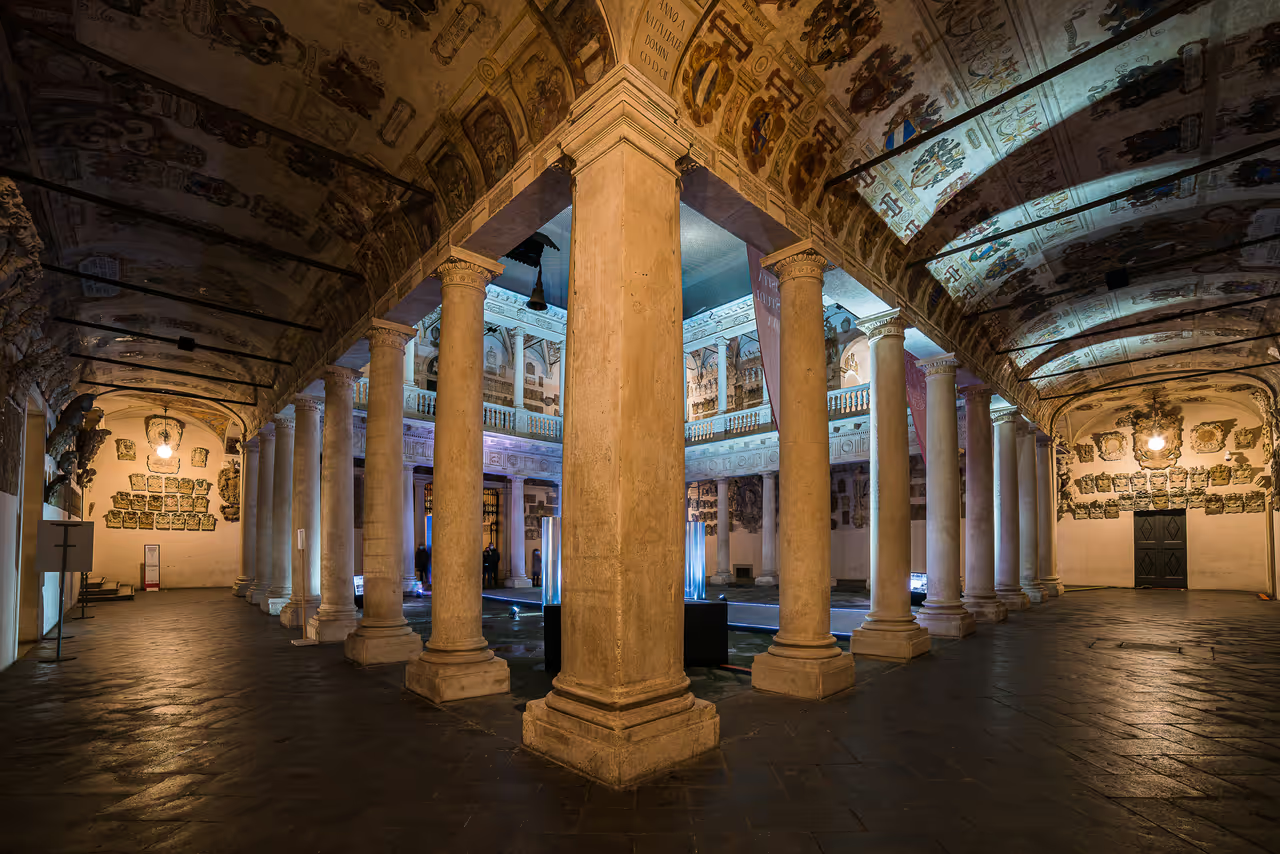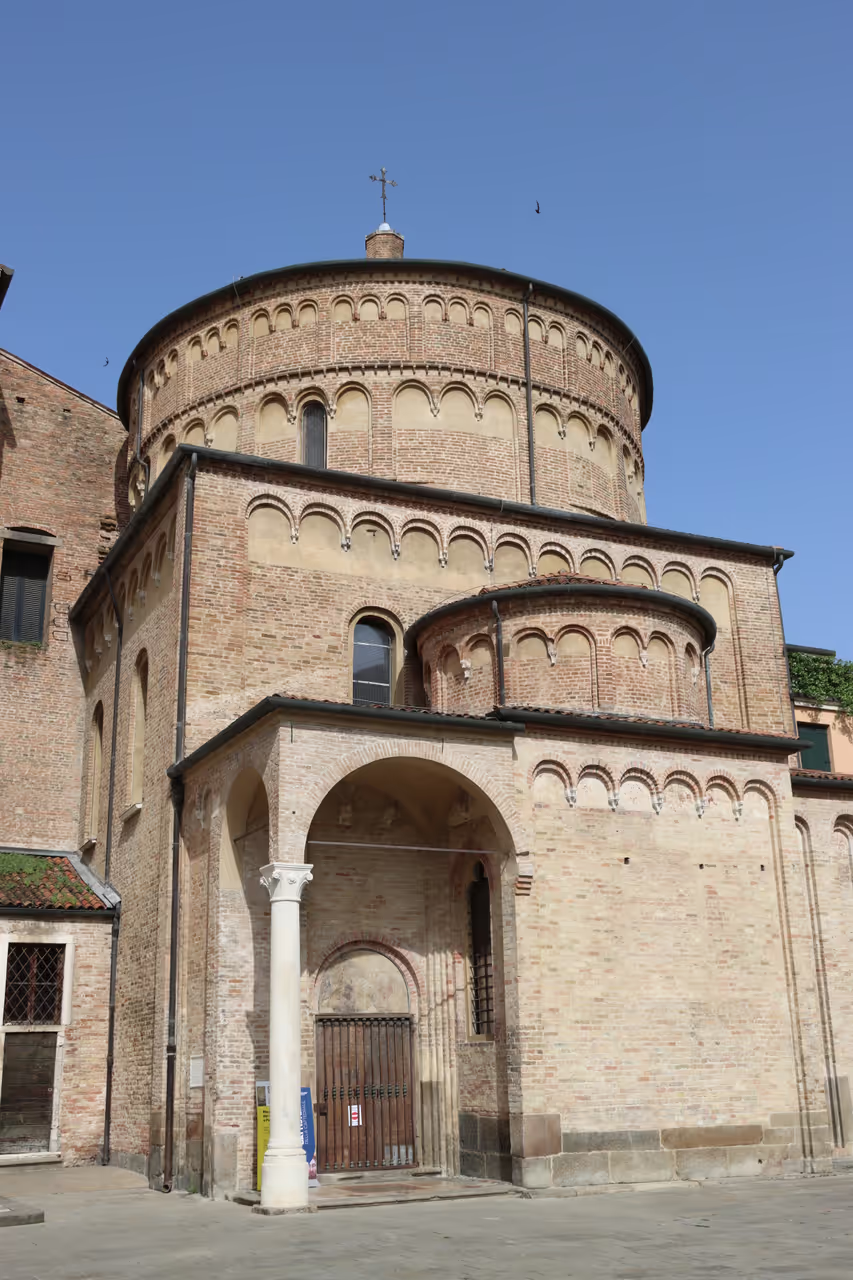
Padua Baptistery
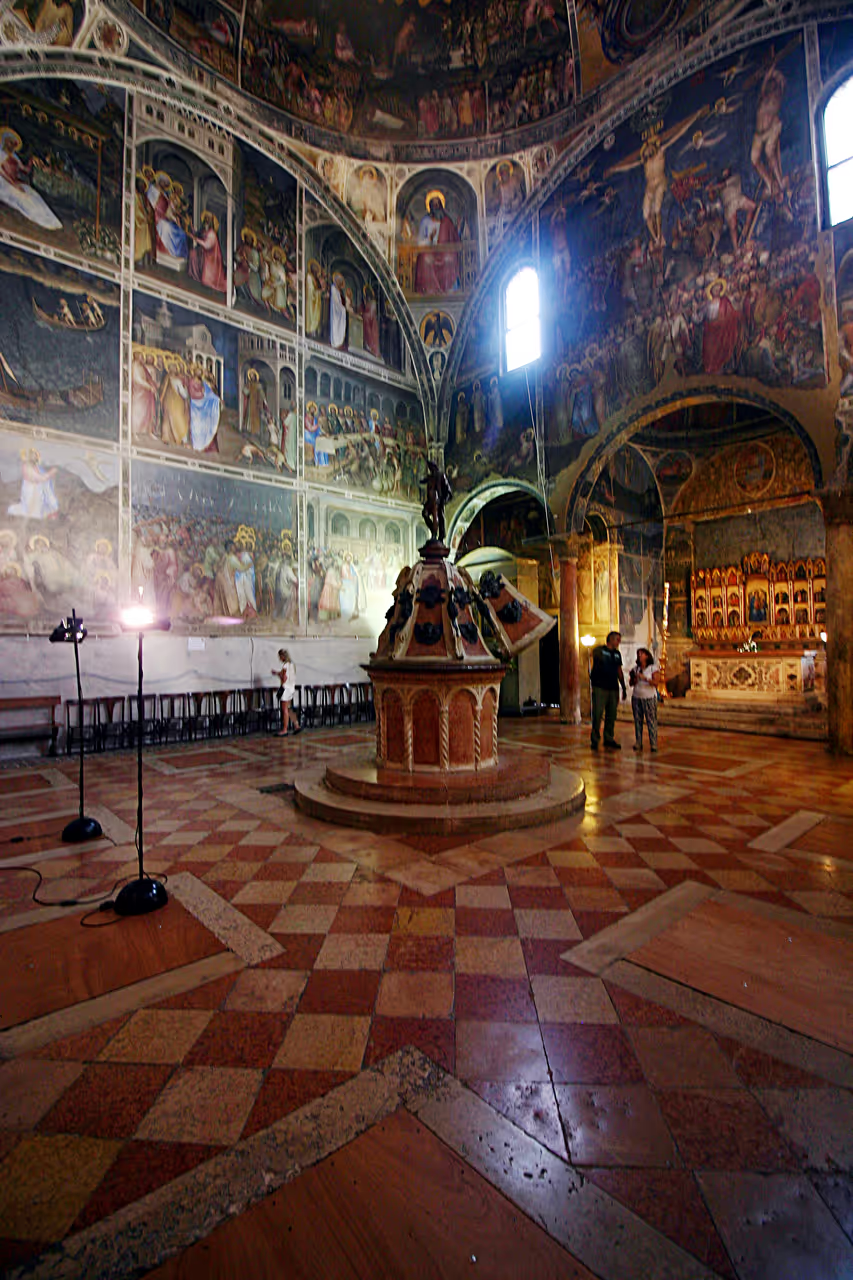
Step inside this architectural jewel and you will find yourself beneath one of the most spectacular fresco cycles of the 14th century. Giusto de' Menabuoi transformed the interior into a glowing, kaleidoscopic vision of Heaven, dominated by an awe-inspiring Christ Pantocrator. Every inch of the walls tells a story, from the intimate human details of the lives of the saints to the fearsome, apocalyptic visions adorning the apse. It is a place where history, faith, and artistic genius collide, creating an atmosphere that feels both timeless and deeply personal. As a cornerstone of the UNESCO World Heritage listed fresco cycles of Padua, it stands as a testament to the city's rich medieval culture and patronage. You will leave with your eyes opened to the sheer ambition of medieval artistry and the powerful legacy of the Carrara dynasty.
Videos
History of Padua Baptistery
The Baptistery of the Cathedral began its journey in the 12th century, but its true identity was forged during the golden age of the Carrarese lords. In the 1370s, Fina Buzzaccarini, the wife of Prince Francesco il Vecchio da Carrara, took it upon herself to transform the building into the family mausoleum. She commissioned Giusto de' Menabuoi to decorate every surface, creating a space that would serve both as a religious sanctuary and a monument to her family's enduring influence in Padua. Menabuoi rose to the challenge with a vision that defied convention. He masterfully blended the stiff, golden elegance of Byzantine tradition with the emerging, experimental naturalism of the proto-Renaissance. His crowning achievement, the 'Paradiso' fresco within the cupola, remains a masterclass in composition, drawing the viewer's gaze upward toward a central Christ in Majesty, surrounded by layers of saints and angels. Menabuoi was no mere technician; he was a sophisticated storyteller who consciously shifted artistic languages to suit the mood of each scene, whether he was painting tranquil biblical narratives or the terrifying, monstrous imagery of the Apocalypse. The peace of this sacred space was not without its trials. When the Carrarese signoria fell to the Venetians in 1405, the conquerors sought to erase the family’s presence, dismantling their grand tombs and painting over their heraldic symbols. Despite these efforts to excise the past, the core of Menabuoi’s work survived, preserved through the centuries to tell the story of a city that once stood at the forefront of the Italian Renaissance. Today, this site remains a vital link to that vibrant past, protected as a cornerstone of Padua’s internationally recognised artistic heritage.
Events spanning 740 years
Fun Facts
- • Fina Buzzaccarini, the primary patron, is personally depicted in the frescoes, ensuring her legacy remained visible long after her death.
- • Giusto de' Menabuoi was a uniquely sophisticated artist who deliberately chose between different historical painting styles, from Byzantine to proto-Renaissance, to evoke specific emotions.
- • In 1405, Venetian soldiers attempted to erase the Carrara family's memory by defacing their tombs and covering their heraldic emblems with green paint.
- • The Baptistery's decoration is a deliberate bridge between the static, golden world of the Middle Ages and the dynamic, human-focused art that would eventually define the Renaissance.
- • The apse features intense and terrifying imagery from the Book of Revelation, including the Beast with seven heads, providing a stark contrast to the serenity of the main chamber.
- • The artist used calculated, complex architectural perspectives in his paintings, allowing him to 'build' realistic rooms within the flat, two-dimensional surfaces of the walls.
- • The central altarpiece is a rare survivor of the period, retaining significant original carpentry that was meticulously restored in the early 2020s.
- • The creation scenes incorporate the Zodiac, reflecting an Aristotelian view of the cosmos where Christ serves as the ultimate master of time and planetary influences.
- • The cupola features a mesmerizing 'Paradiso' fresco, where a central Christ Pantocrator is surrounded by concentric circles of saints, designed to make the viewer feel as though they are looking into the heavens.
- • Unlike many religious sites, the frescoes here include portraits of real figures from the 14th-century Carrarese court, effectively placing local nobility into the sacred stories of the Bible.
RESOURCES
Official WebsitePadua Baptistery FAQ
While we strive to keep this information accurate and up to date, we recommend verifying any details independently before making decisions based on them.
Padua Baptistery Map & Neighborhood Explorer
This interactive map is centered on Padua Baptistery. Zoom in and move the map around to automatically discover Wikipedia photos and summaries of other nearby sights, monuments, and historical points of interest and stories in real-time!
Places near Padua Baptistery
Make the most of your trip. Check out these top-rated spots located nearby.
 42m
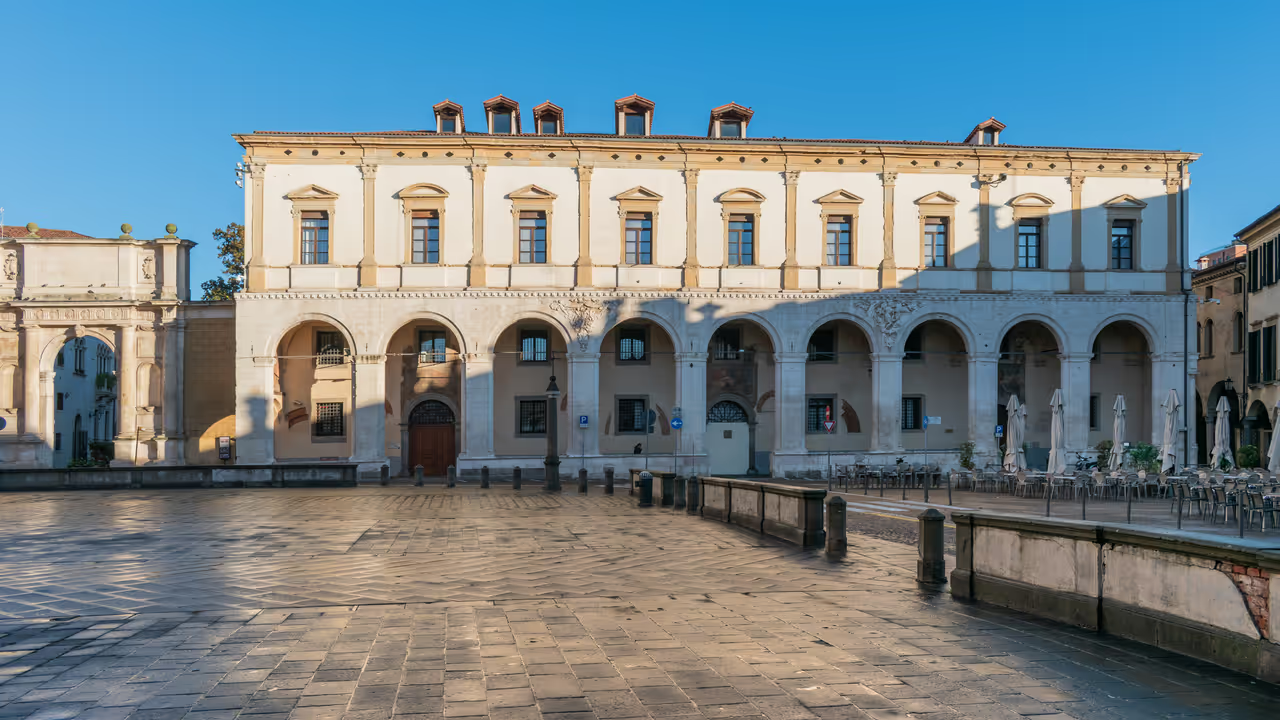
42mPalace of the Mount of Piety
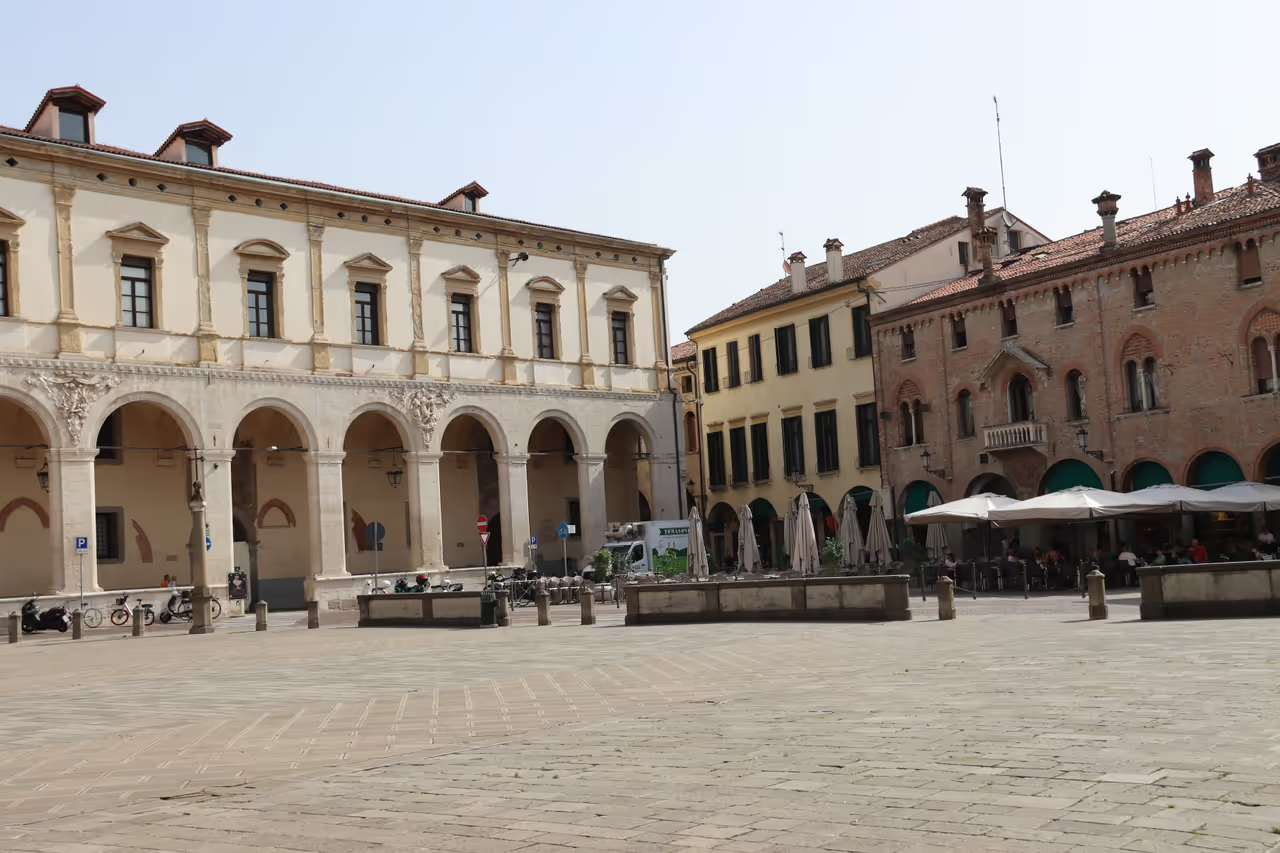
Situated elegantly in the Cathedral square, this massive complex is a superb example of Renaissance civic architecture. It originally functioned as a charitable pawnshop designed to protect citizens from usury, a crucial economic institution of the period. The facade is relatively austere, but it hides highly ornate internal courtyards and grand staircases that reflect immense historic wealth. The building has been beautifully restored and now serves as a prestigious venue for major art exhibitions. The classical proportions and solid construction convey a profound sense of historical stability.
architecture view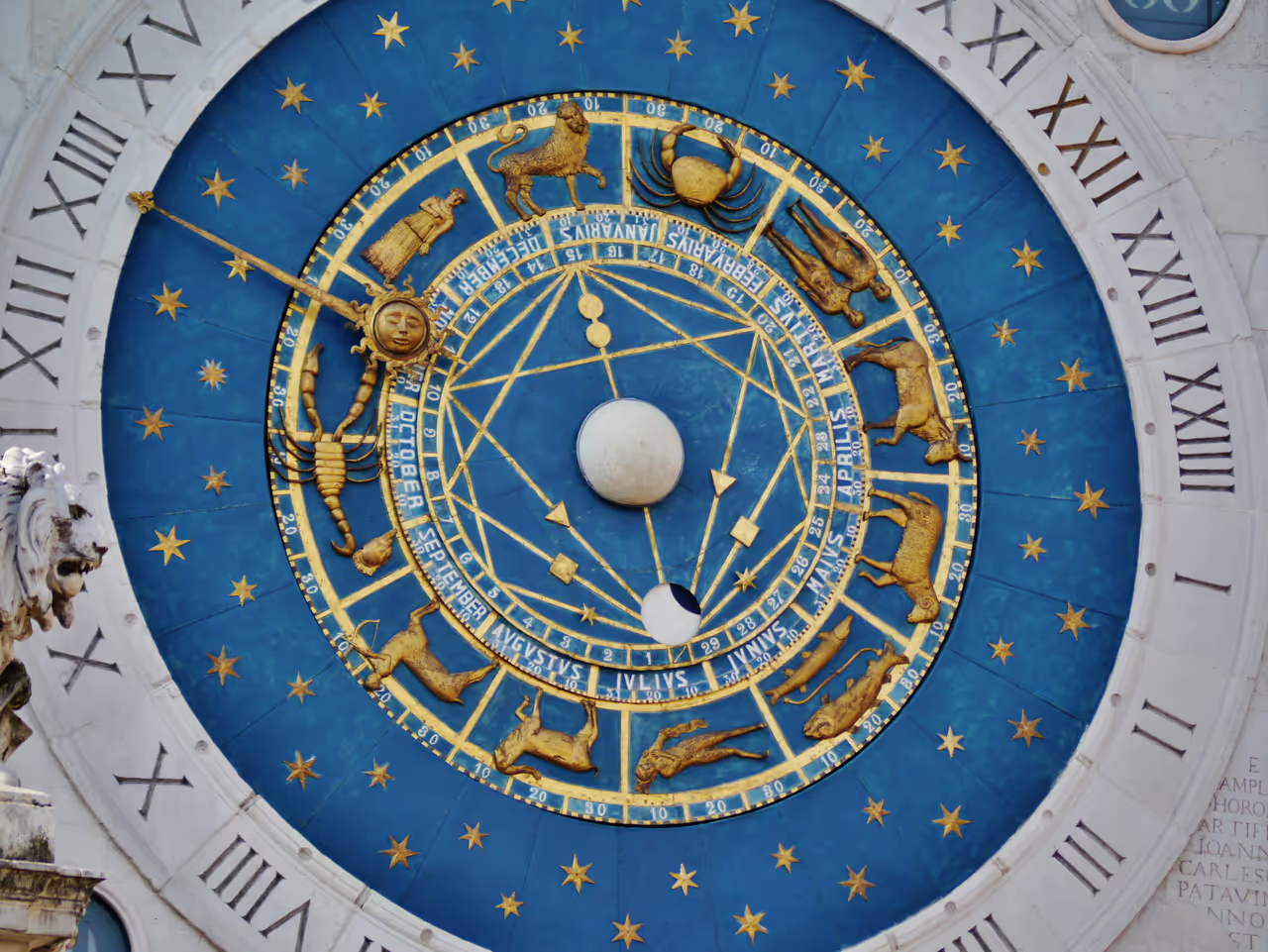 112m
112mClock Tower
Dominating the elegant Piazza dei Signori, this magnificent tower features one of the oldest functioning astronomical clocks in the world. The stunning blue and gold dial displays not only the time but also the phases of the moon and the astrological signs, notably omitting the sign of Libra due to a fascinating historical quirk. The triumphal arch at its base frames the bustling square perfectly, creating a highly cinematic backdrop for evening drinks. Visitors can admire the intricate mechanics from the square or join specific guided tours to see the ancient gears ticking inside. It is a brilliant symbol of Renaissance civic pride and engineering.
highlight view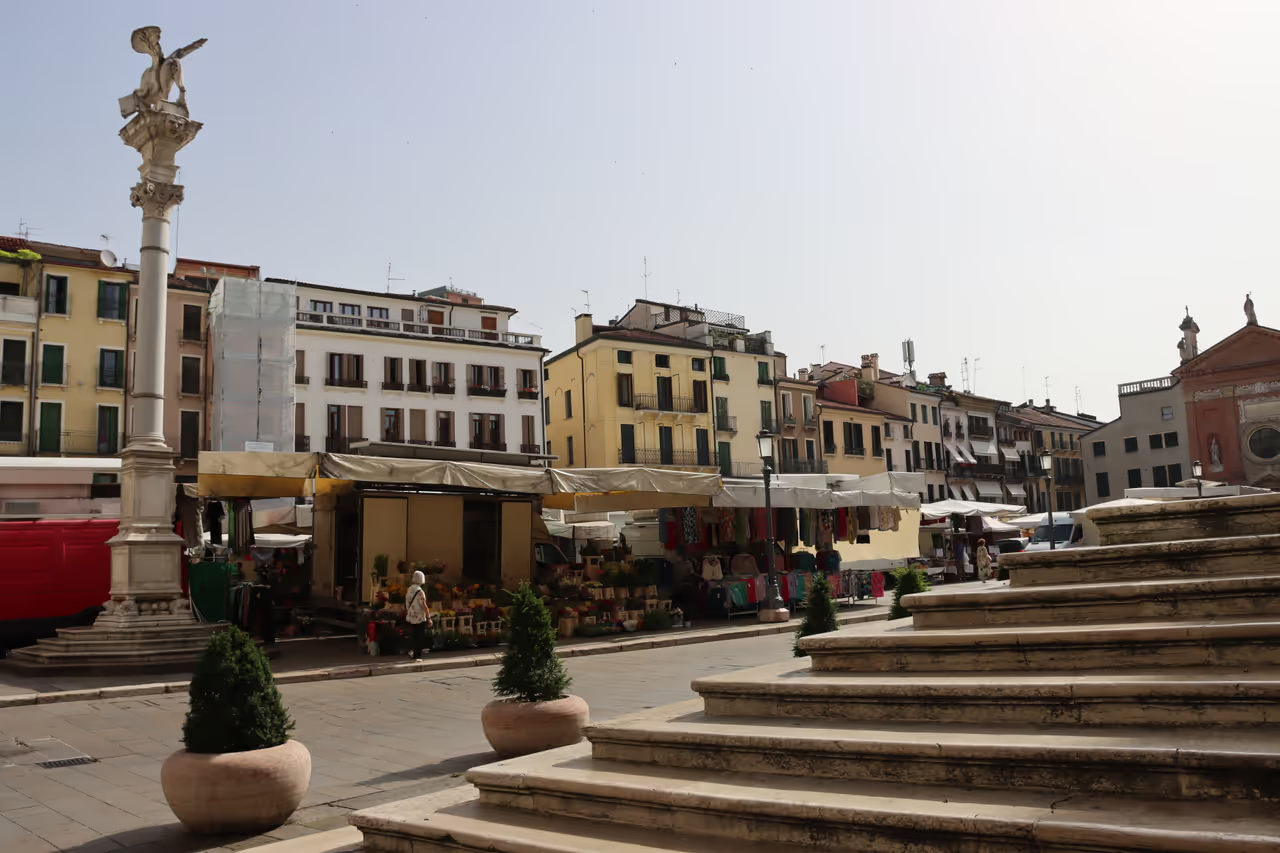 162m
162mPiazza dei Signori
Located just a short walk from the other main squares, this elegant plaza attracts a slightly older and more refined evening crowd. The magnificent astronomical clock tower dominates the view, casting a romantic glow over the neatly arranged outdoor seating areas. People come here for long, relaxed conversations over premium wines and carefully crafted cocktails. The pace is noticeably slower than the adjacent squares, allowing for a more sophisticated nightlife experience. It is an ideal spot to unwind after a long day of sightseeing while absorbing the majestic surroundings.
nightlife view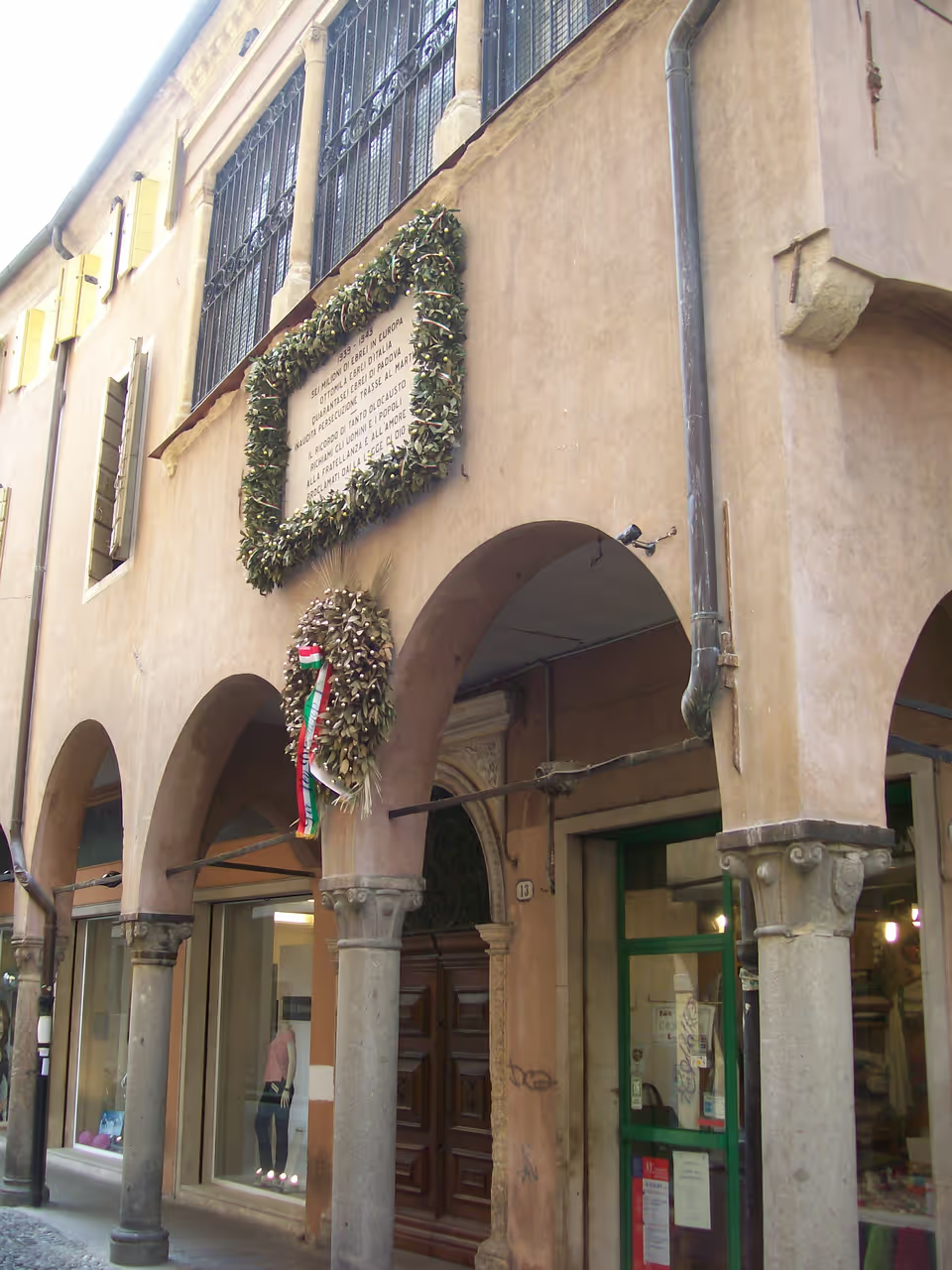 196m
196mJewish Ghetto
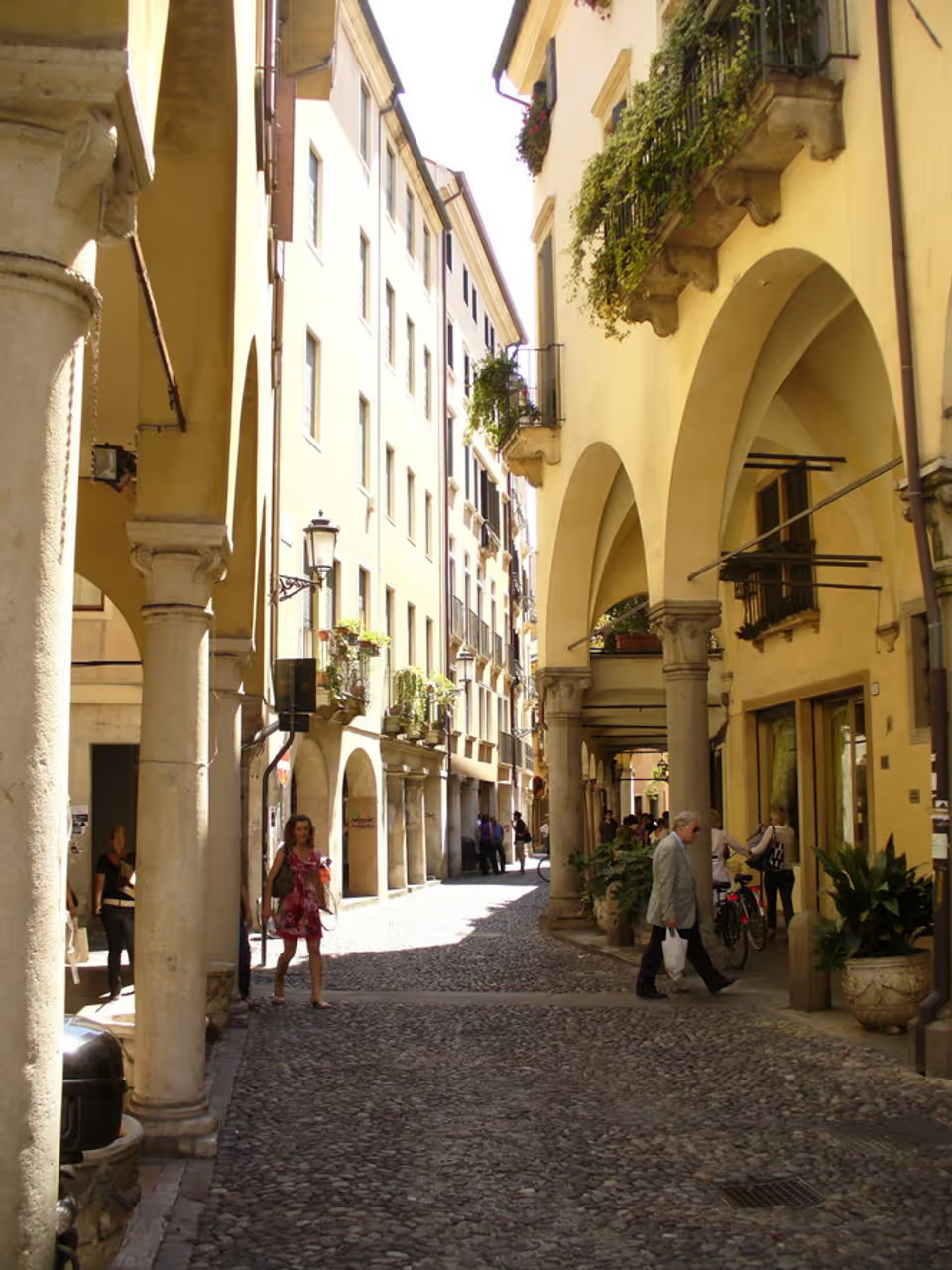
A deeply atmospheric labyrinth of narrow, sun dappled streets forms the historic heart of the city's vibrant Jewish community, which was confined here from the sixteenth to the eighteenth century. Today, the tall, closely packed buildings house a highly charming collection of artisan workshops, vintage boutiques, and traditional wine bars. Walking through these intimate alleyways provides a stark, peaceful contrast to the wide, monumental plazas located just a few steps away. The area retains an incredibly authentic, local vibe, making it the perfect place to wander without a map. It is particularly enchanting in the evening when the small taverns spill out onto the cobblestones.
highlight view
Explore Similar Places in This Collection
Featured on These Itineraries and Routes
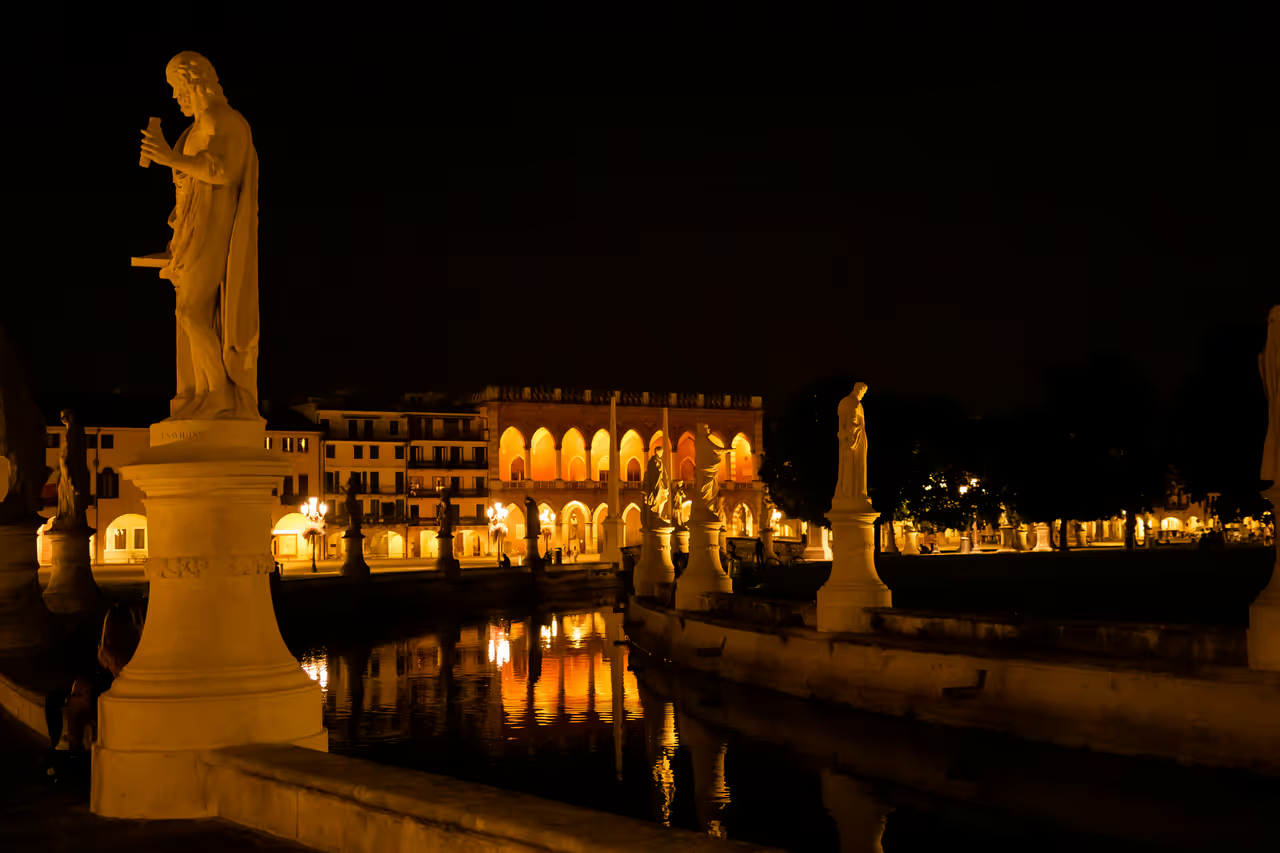
3 Days in Padua Itinerary
This perfectly balanced three day journey allows visitors to deeply immerse themselves in the complex, layered history of the city without feeling rushed. It expands beyond the primary monuments to include the vibrant, authentic daily life found in the bustling historic markets and narrow medieval streets. You will have ample time to explore the revolutionary scientific heritage of the botanical gardens and the ancient observatory. This itinerary perfectly captures the unique blend of high Renaissance art, profound academic history, and relaxed local lifestyle.
view itinerary
Jewish Ghetto Labyrinth
This highly atmospheric walk winds through the narrowest and most evocative medieval streets in the city. The tightly packed, towering buildings create a cool, shaded environment that feels entirely removed from the grand open squares. The area is filled with small art galleries, vintage boutiques, and traditional wine bars waiting to be discovered. It is an exploration of intimate urban spaces and layered, complex history.
view walking route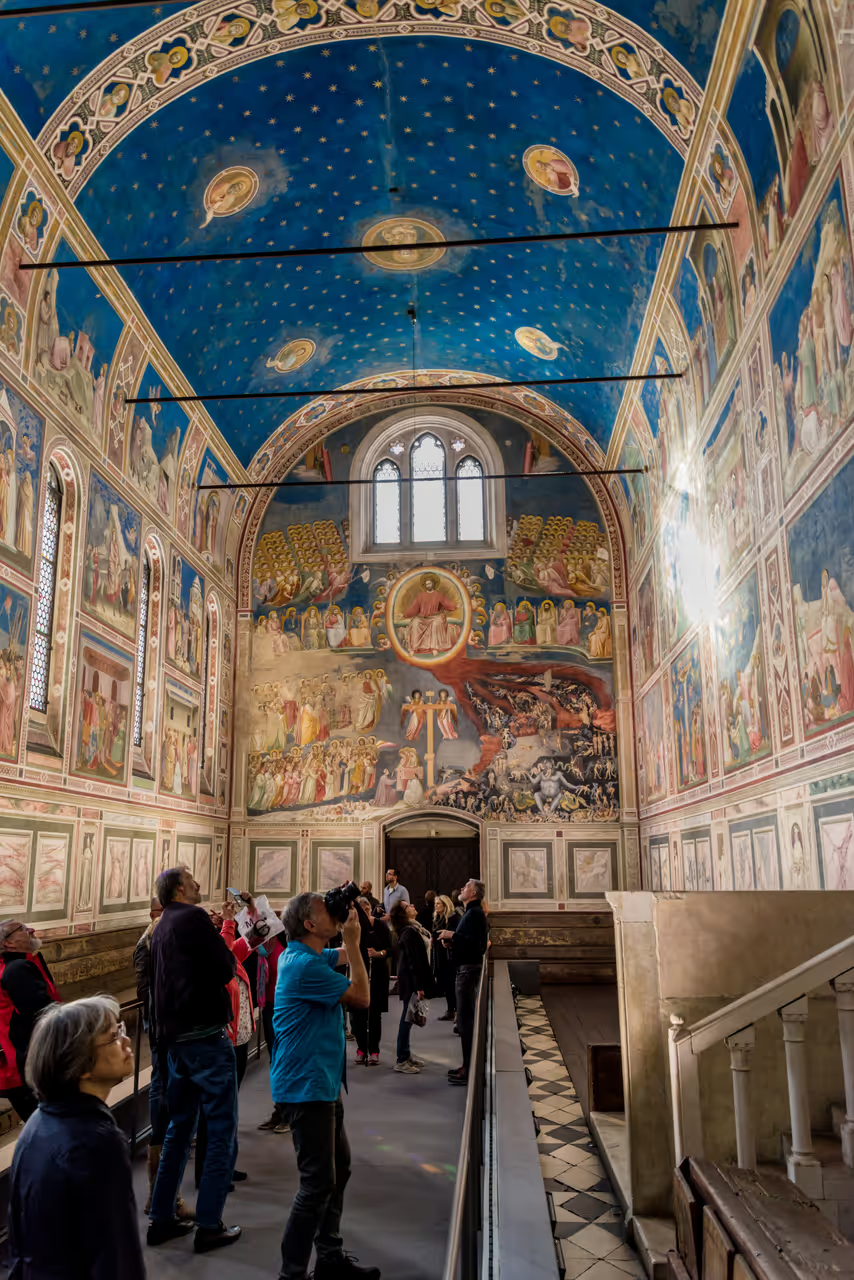
Fresco Masterpieces Route
This visually spectacular route guides you through the incredible fourteenth century artworks that earned the city its UNESCO World Heritage status. The journey moves between unassuming brick buildings that completely conceal mind bending explosions of colour and medieval storytelling. You will witness the profound evolution of Western art, moving away from stiff Byzantine traditions toward emotional depth and realistic perspective. It is an absolute feast for the eyes and a crucial experience for any art lover.
view self-guided tour
See all attractions in Padua
Basilica of Saint Anthony of Padua, Basilica of Santa Giustina, Palazzo del Bo, Palazzo della Ragione, Scrovegni Chapel...