Lake Como
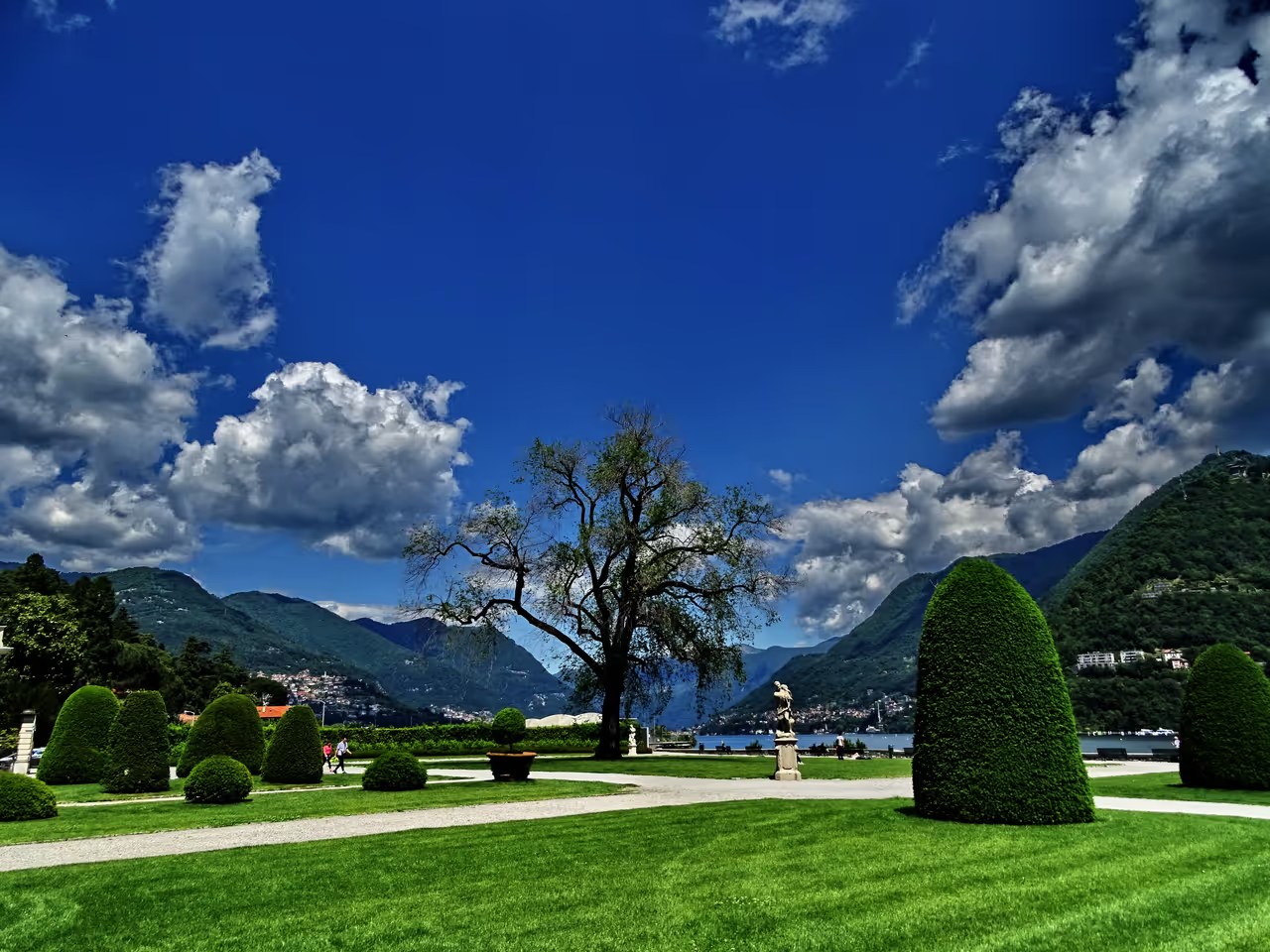
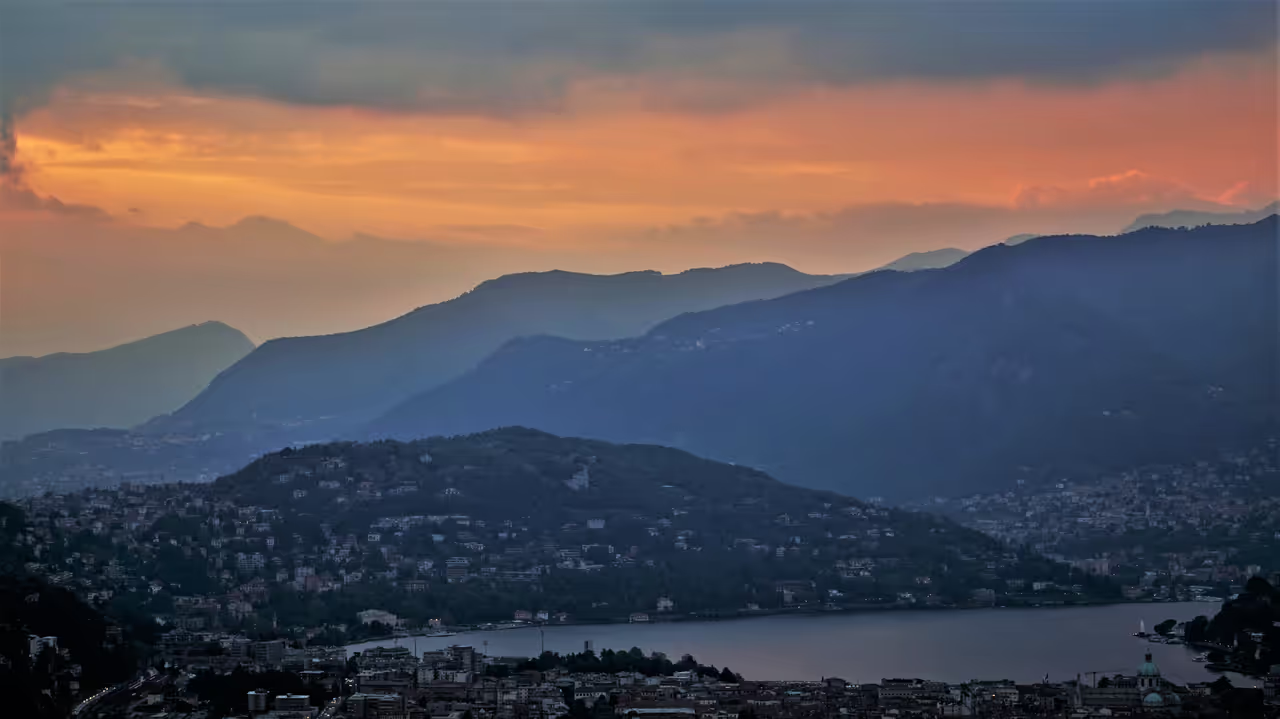
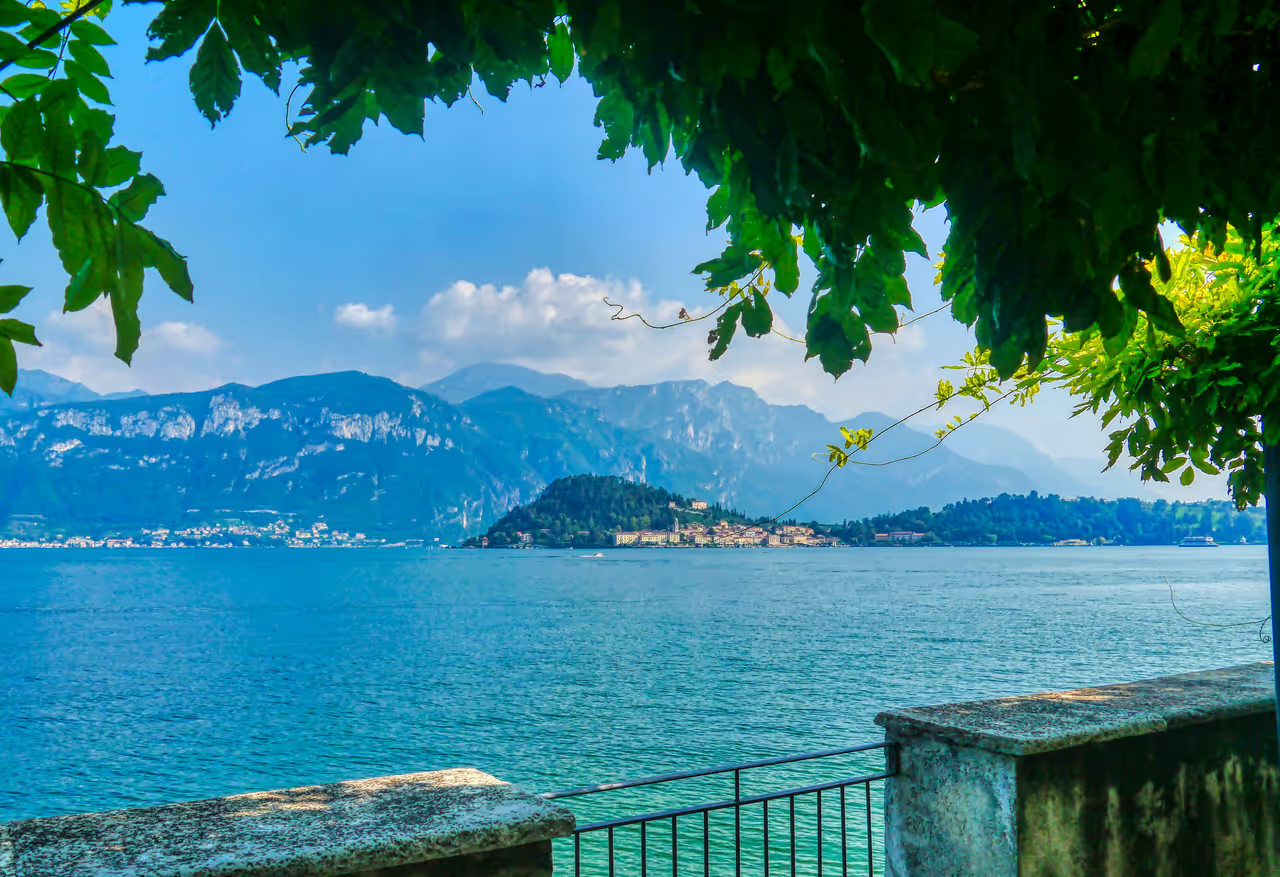
Lake Como is a breathtaking masterpiece of nature, defined by its iconic Y-shape and dramatic mountain scenery that plunges directly into deep, crystalline waters. This enchanting destination offers an irresistible blend of aristocratic elegance, charming historic villages, and a tranquil atmosphere that has captured the hearts of travellers for centuries. Visitors can spend their days exploring opulent lakeside villas with lush botanical gardens, wandering through the narrow, cobblestone alleys of towns like Varenna and Bellagio, or simply enjoying the view from a traditional boat. Thanks to a unique microclimate, the lake enjoys mild temperatures that allow Mediterranean flora like olive trees and cypresses to thrive alongside lush alpine slopes. It is a place where history and natural beauty converge, creating a timeless escape that feels both grand and intimately welcoming.
Videos
History of Lake Como
The story of Lake Como begins long before human civilisation, sculpted by the raw power of ancient glaciers that carved deep, dramatic ravines into the limestone mountains. By the time the Romans arrived, they saw more than just a lake, they saw a gateway to the north. Pliny the Younger, a celebrated Roman writer, built his famous villas here, setting a precedent for the lake as a place of retreat for the intellectually and politically elite. This tradition of the grand villa has defined the lake's aesthetic for millennia, creating a landscape where human architecture exists in perfect harmony with the rugged terrain. Throughout the Middle Ages and the Renaissance, the lake became a strategic chessboard for powerful families and foreign powers. The local silk industry, masterfully promoted by Ludovico Sforza, brought immense wealth to the area, turning rural villages into centres of international commerce. The local boatmen, or nautae, became masters of the lake, controlling the vital trade routes that connected the Po Valley to the Alpine passes. Their legacy lives on in the intricate network of villages that still cling to the mountainsides, connected by water in a way that feels almost untouched by time. By the 19th century, Lake Como had cemented its reputation as the ultimate destination for the Romantic era's elite. Poets, musicians, and writers like Franz Liszt and Alessandro Manzoni found deep inspiration in its changing moods, while modern filmmakers have since turned the lake into a global icon of beauty. Today, the spirit of the lake remains a blend of quiet contemplation and refined elegance, where the echoes of ancient history and the glamour of modern cinema meet on the shores of one of the world's most beautiful basins.
Events spanning 2210 years
Fun Facts
- • A unique microclimate allows for Mediterranean plants like olive trees to grow in the north, creating a surprising contrast with the nearby snowy alpine peaks.
- • Ancient Roman writers Pliny the Elder and Pliny the Younger were both born here, and they famously maintained multiple villas along the shoreline.
- • Hollywood A-lister George Clooney became a symbol of the modern local community after purchasing a residence on the lake, drawing significant global attention to the area.
- • Isola Comacina is the only island on the entire lake, holding a rich, often turbulent history that dates back to the Roman era.
- • Lake Como holds the record for being the deepest lake in Italy, reaching a staggering depth of 418 metres in the area between Argegno and Nesso.
- • Local navigation relies on the Breva and Tivano winds, which blow at regular intervals throughout the day, dictating the rhythm of life on the water.
- • Renowned American author Mark Twain visited the lake in 1869 and famously described it as a paradise of serene repose compared to the rest of his Italian travels.
- • The historic steamboat Concordia, still in service, features a steam engine patented by Arturo Caprotti, showcasing a rare piece of 20th-century engineering.
- • The lake has inspired countless literary works, most notably Alessandro Manzoni's masterpiece The Betrothed, which is set in the Lecco branch.
- • The lake is famous for its distinct inverted Y-shape, a unique geographical feature that divides it into three distinct branches: Como, Lecco, and the northern area.
- • The lake served as the primary filming location for the planet Naboo in Star Wars: Episode II - Attack of the Clones, specifically at the stunning Villa del Balbianello.
- • The silk industry was introduced by Ludovico Sforza, who mandated that farmers plant mulberry trees, a decision that transformed the local economy and put the region on the global fashion map.
RESOURCES
Official WebsiteLake Como FAQ
While we strive to keep this information accurate and up to date, we recommend verifying any details independently before making decisions based on them.
Lake Como Map & Neighborhood Explorer
This interactive map is centered on Lake Como. Zoom in and move the map around to automatically discover Wikipedia photos and summaries of other nearby sights, monuments, and historical points of interest and stories in real-time!
Places near Lake Como
Make the most of your trip. Check out these top-rated spots located nearby.
 7699m
7699mMount Croce
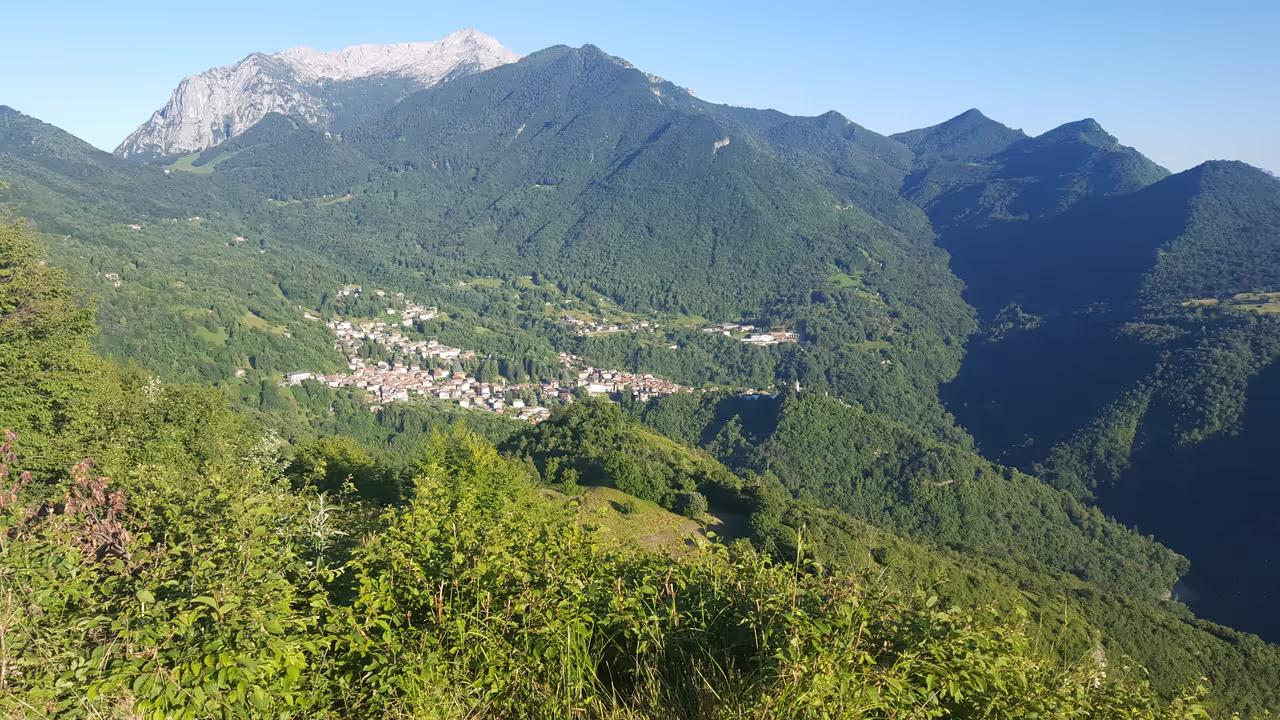
For serious hikers seeking dramatic alpine scenery, this towering peak offers an exceptional, rugged panoramic point. Rising high above the surrounding valleys, the summit provides an unparalleled look towards the central branch of the lake and the jagged Grigna mountain range. The trails leading here are steeped in natural beauty and require a decent level of fitness. It is far removed from the typical tourist crowds, offering a profound sense of peaceful isolation. It is the ultimate viewpoint for those who wish to fully immerse themselves in the wild pre-Alpine environment.
viewpoint view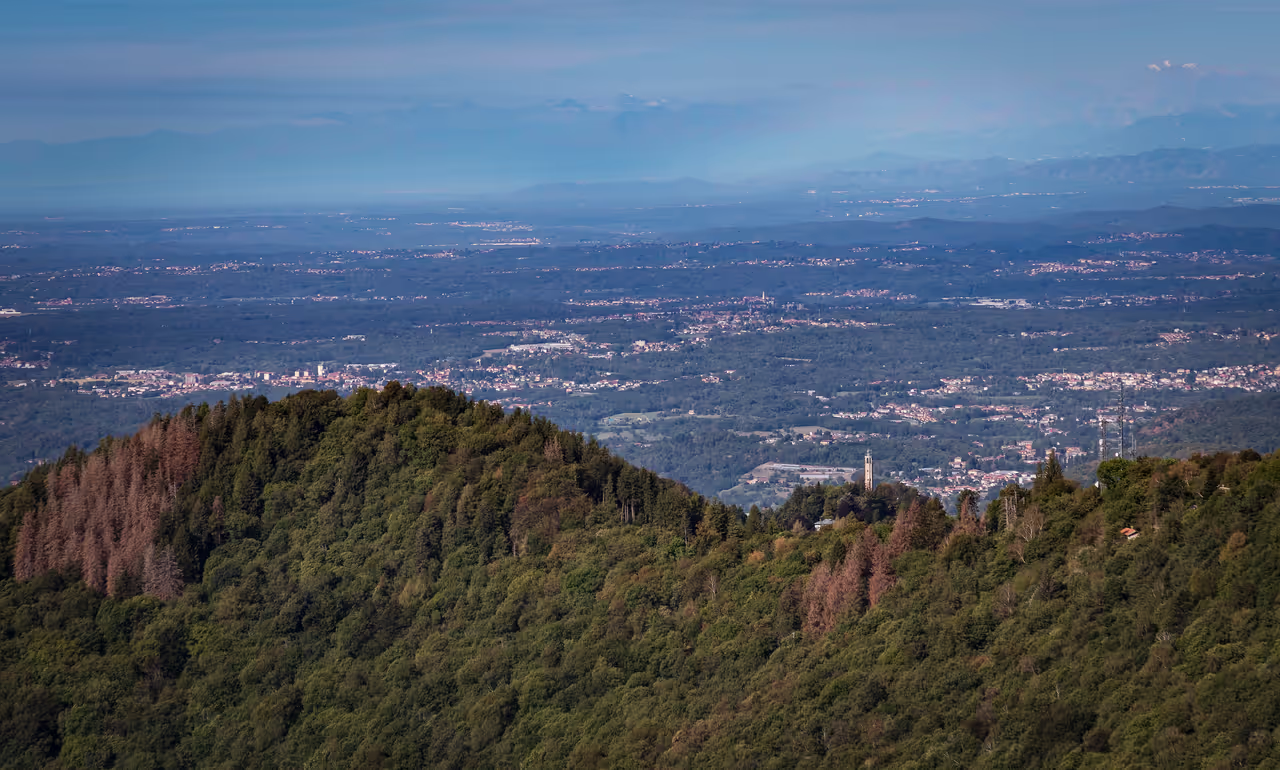 23916m
Volta Lighthouse
Standing twenty-nine metres tall on a high mountain peak in Brunate, this monument was erected to honour Alessandro Volta's centenary. Climbing the spiral staircase to the top balcony rewards visitors with arguably the most expansive, jaw-dropping view in the entire region. On a clear day, the panorama stretches over the deep lake below, across the vast plains to the south, and all the way to the snow-capped peaks of the Alps. At night, it illuminates the sky by flashing the colours of the Italian flag. Reaching it requires a brief but steep hike, making the eventual view feel truly earned.
viewpoint view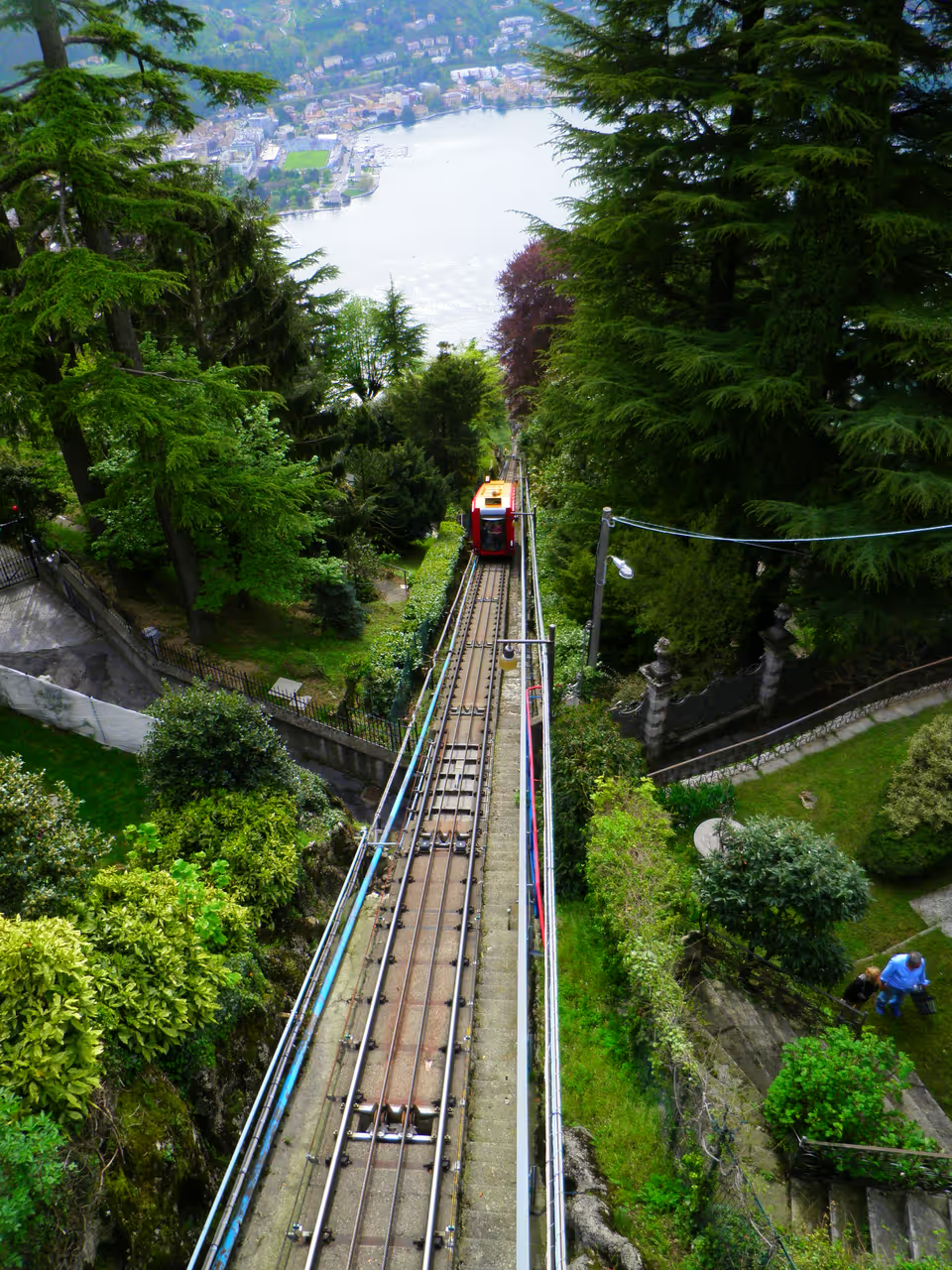 24871m
Como Brunate Funicular
Riding the Como Brunate Funicular is widely considered the finest way to kick off any visit to this lakeside city. As you ascend the steep incline towards Brunate, you are rewarded with breathtaking panoramic vistas that stretch across the shimmering expanse of Lake Como. This historic funicular serves as a vital lifeline between the urban charm of Como and the tranquil, elevated village of Brunate, often affectionately called the Balcony of the Alps. The journey itself is a delight, blending turn of the century engineering with modern comfort. Once you reach the top, you gain a fresh perspective on the region, making it an ideal starting point for scenic hiking trails or simply enjoying an espresso with a view.
attraction view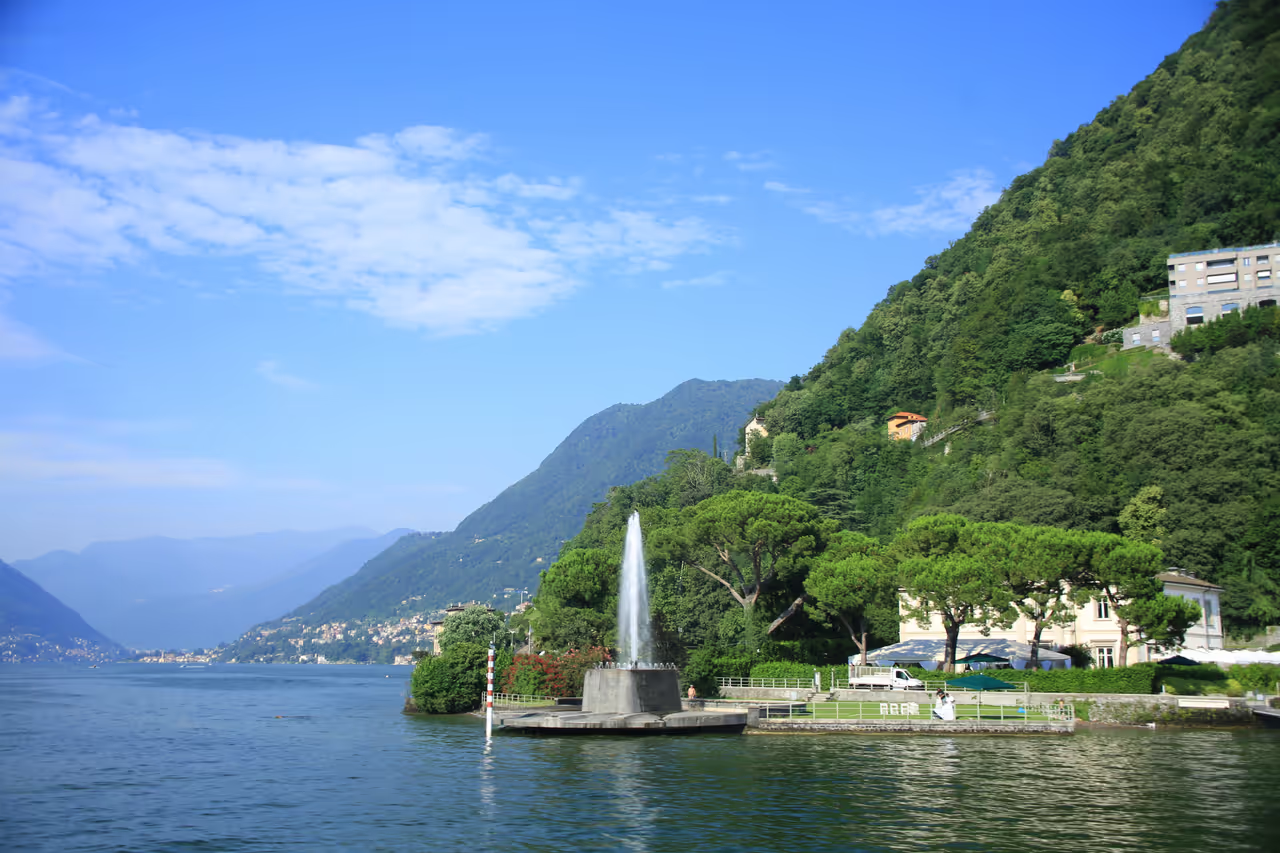 25074m
Villa Geno Fountain
Located at the end of the eastern promenade, this massive jet of water shoots high into the air directly from the lake. It creates a spectacular visual element against the backdrop of the steep, forested hillsides and elegant waterfront estates. When the sun hits the spray correctly, brilliant rainbows frequently appear, offering a magical photo opportunity. It is a dynamic and refreshing subject that perfectly captures the opulent lakeside atmosphere.
photo spot view
Explore Similar Places in This Collection
See all nature & parks in Como
Villa Olmo, Spina Verde Regional Park...