Volta Temple
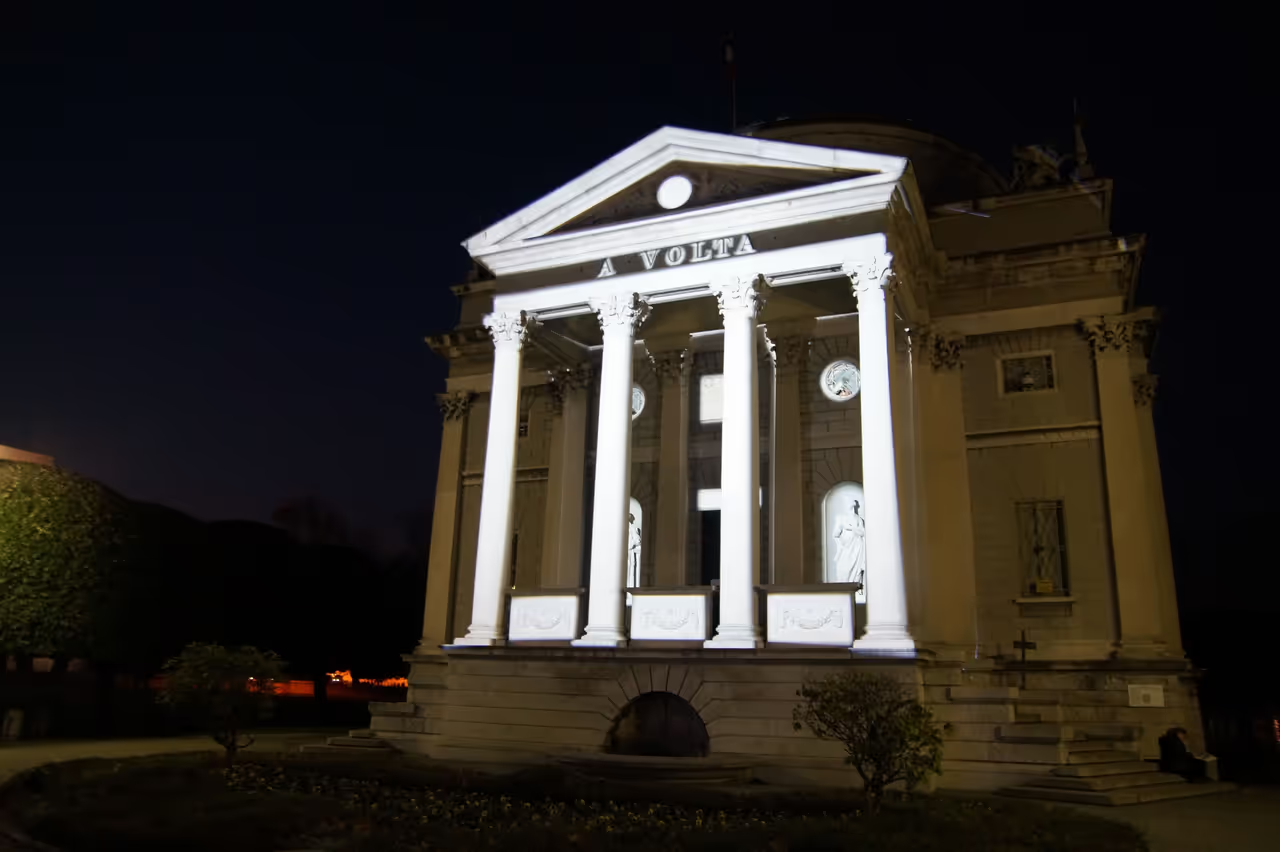
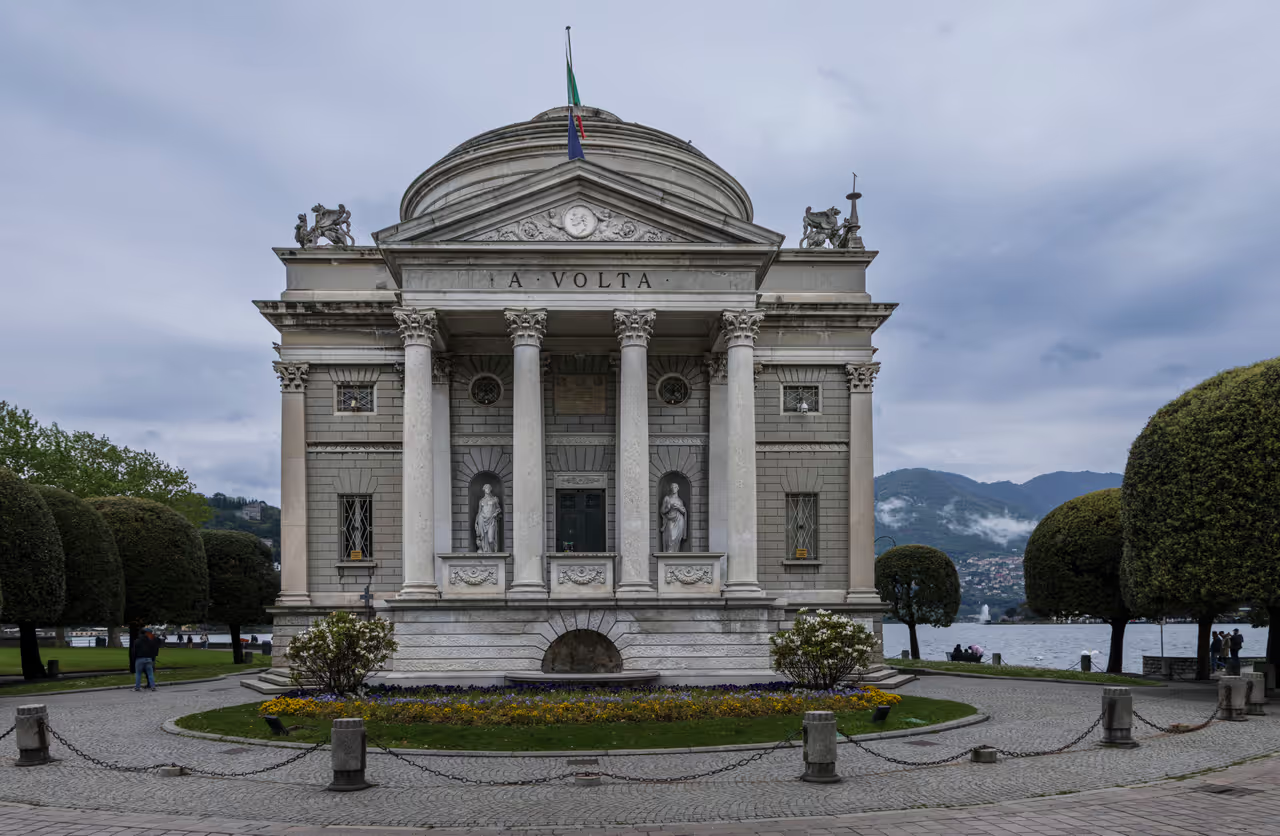
Perched on the shores of Lake Como, the Tempio Voltiano stands as a neoclassical homage to Alessandro Volta, the brilliant physicist who changed the world with his invention of the electric battery. This museum serves as both a scientific treasury and an architectural landmark, featuring a striking rotunda that draws inspiration from the Pantheon. Inside, visitors can explore a fascinating collection of original instruments, personal documents, and mementos that bring the life and work of this local genius into focus. The building itself is an experience, with its raised base designed to protect precious archives from the unpredictable waters of the lake. It remains an essential stop for anyone wanting to connect with the origins of modern technology in a breathtaking setting.
Videos
History of Volta Temple
The story of the Tempio Voltiano begins in the ashes of tragedy. In 1899, a grand exhibition dedicated to Alessandro Volta was held in Como to honour the scientist who gave the world the electric battery. Disaster struck when a fire tore through the venue, consuming priceless prototypes and historical documents. For decades, the local community felt the weight of this loss, but the desire to properly commemorate their most famous son never faded. When the centenary of Volta's death approached in the late 1920s, a new vision emerged to ensure his history would never be threatened again. Industrialist Francesco Somaini stepped forward as a patron, funding a dedicated monument that would act as a fortress for Volta's remaining legacy. He commissioned architect Federico Frigerio, who drew inspiration from the grandeur of the Roman Pantheon to create a structure that looked as timeless as the science it protected. Construction moved quickly, and by 1928, the neoclassical temple was complete. Today, it stands as a calm, dignified presence on the lake shore. It houses the surviving instruments and personal items that define Volta's contribution to physics, serving as a reminder of the man whose curiosity sparked the modern era. Walking through its rotunda, visitors are not just looking at old machines, but standing in a space built to safeguard the intellectual heritage of humanity.
Events spanning 29 years
Fun Facts
- • For many years, the building was featured on the reverse side of the Italian 10,000 lire banknote.
- • Funding for the construction was provided by the textile industrialist and patron Francesco Somaini.
- • It currently holds the title of the most visited museum in the city of Como.
- • The architectural design is directly inspired by the Pantheon in Rome, lending a classical gravity to the riverside setting.
- • The building was constructed with a base more than two metres high specifically to protect the collection from potential flooding of Lake Como.
- • The entrance is flanked by two statues representing Science and Faith, created by the artists Carlo and Luigi Rigola.
- • The exterior is clad in limestone from Aurisina, a material known for its durability.
- • The flooring of the main hall is a complex mosaic crafted from marble, onyx, and alabaster.
- • The museum displays original letters written by Volta, offering a glimpse into the personal character of the famous physicist.
- • The museum houses 234 original artifacts related to Alessandro Volta's life and scientific experiments.
Volta Temple FAQ
While we strive to keep this information accurate and up to date, we recommend verifying any details independently before making decisions based on them.
Volta Temple Map & Neighborhood Explorer
This interactive map is centered on Volta Temple. Zoom in and move the map around to automatically discover Wikipedia photos and summaries of other nearby sights, monuments, and historical points of interest and stories in real-time!
Places near Volta Temple
Make the most of your trip. Check out these top-rated spots located nearby.
 115m
115mLakeside Public Gardens
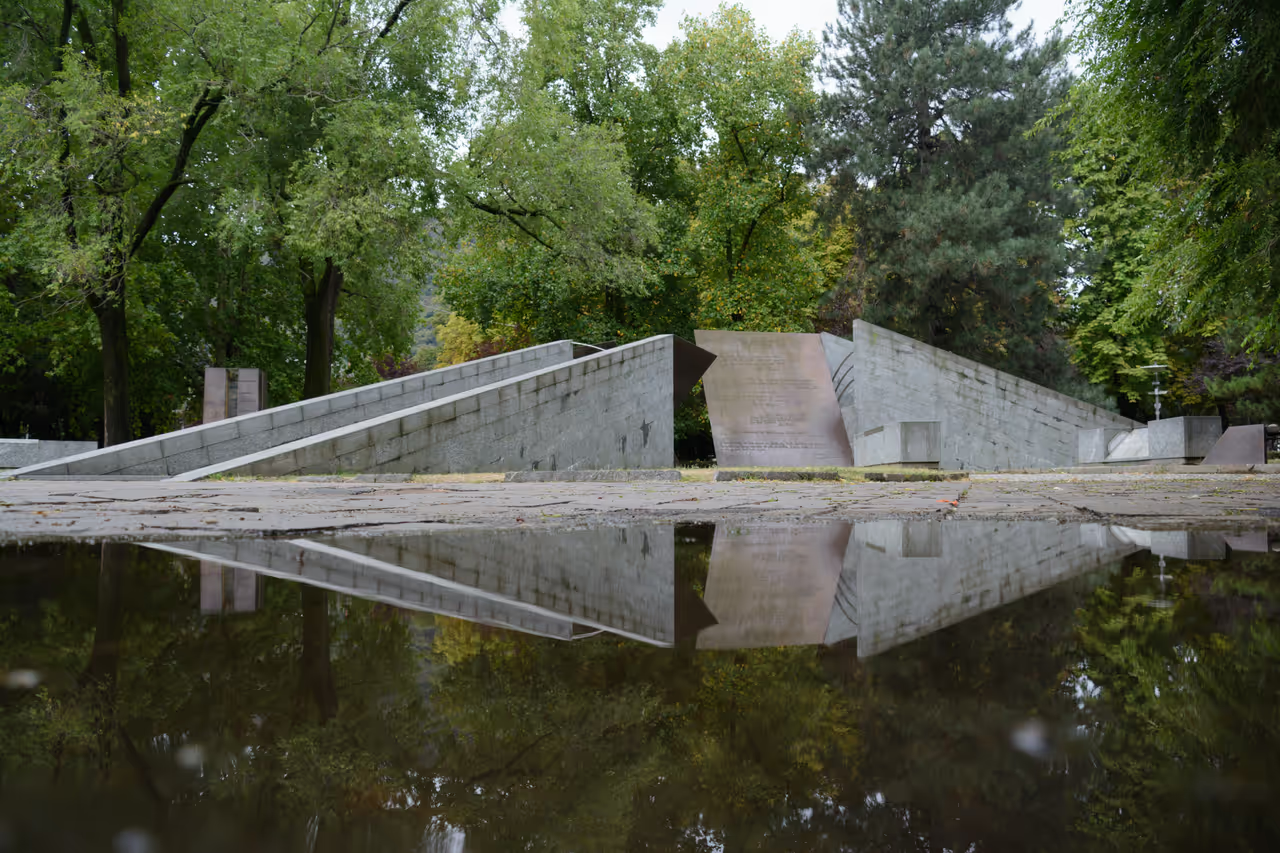
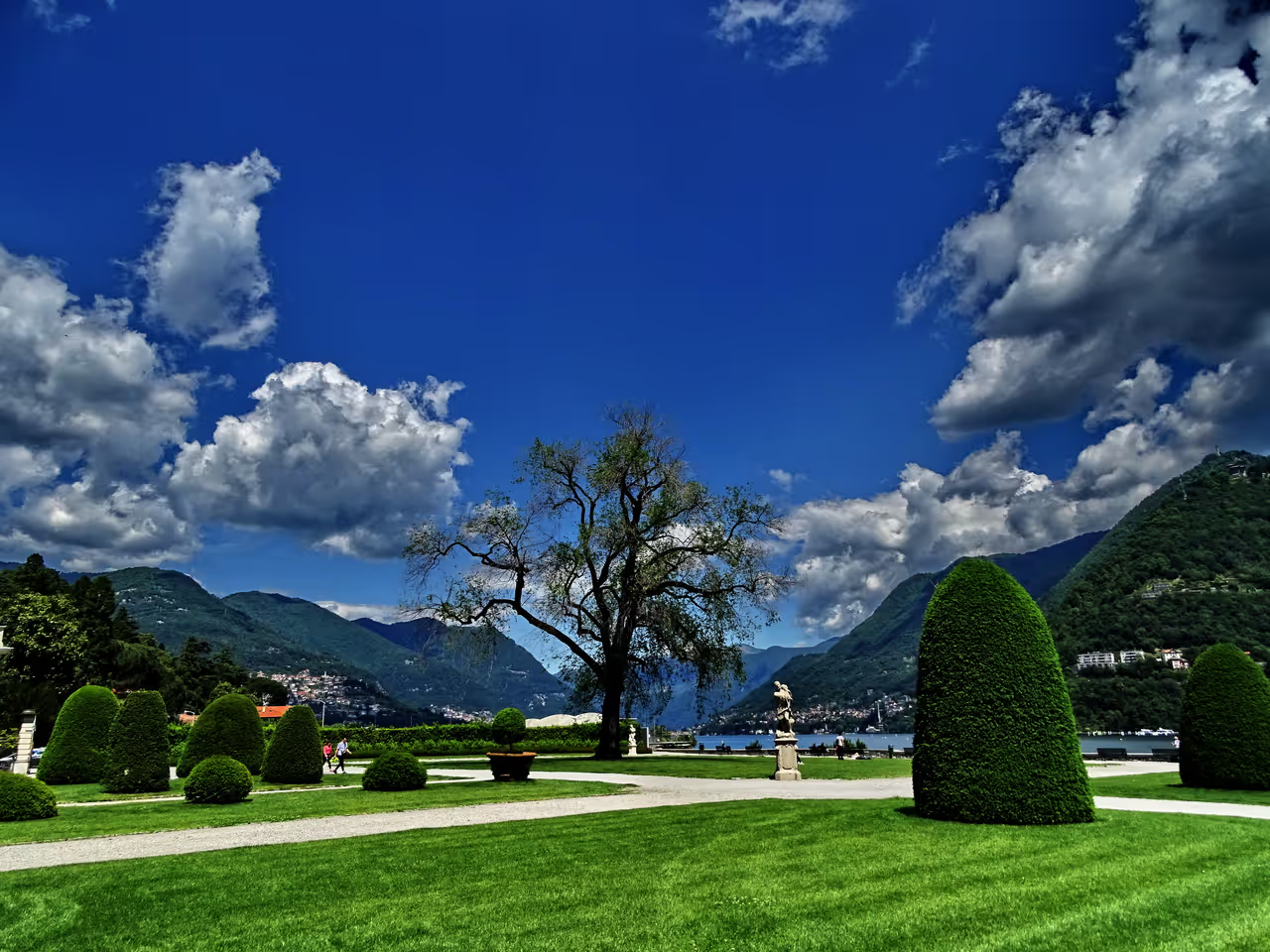
Situated right in the heart of the waterfront, these formal public gardens provide a lush, vibrant green space for both locals and visitors. The area is defined by wide, shaded pathways, perfectly manicured flowerbeds, and unobstructed views of the surrounding mountains plunging into the water. It seamlessly connects the lively Piazza Cavour to the striking Volta Temple and the War Memorial. Families gather here for picnics, while couples enjoy romantic strolls under the ancient, towering trees. It is the social and visual centrepiece of the city's outdoor lifestyle.
highlight view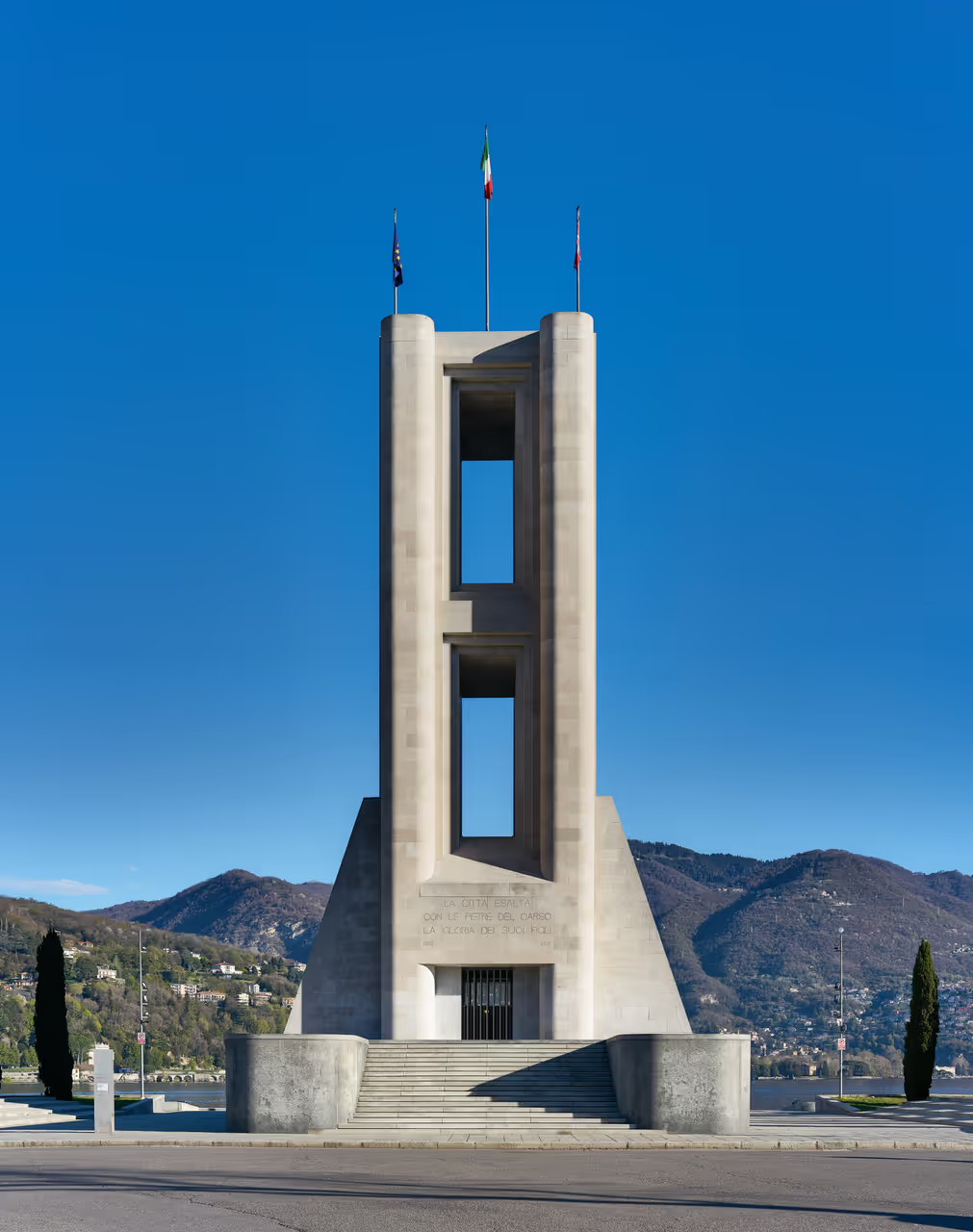 198m
198mWar Memorial
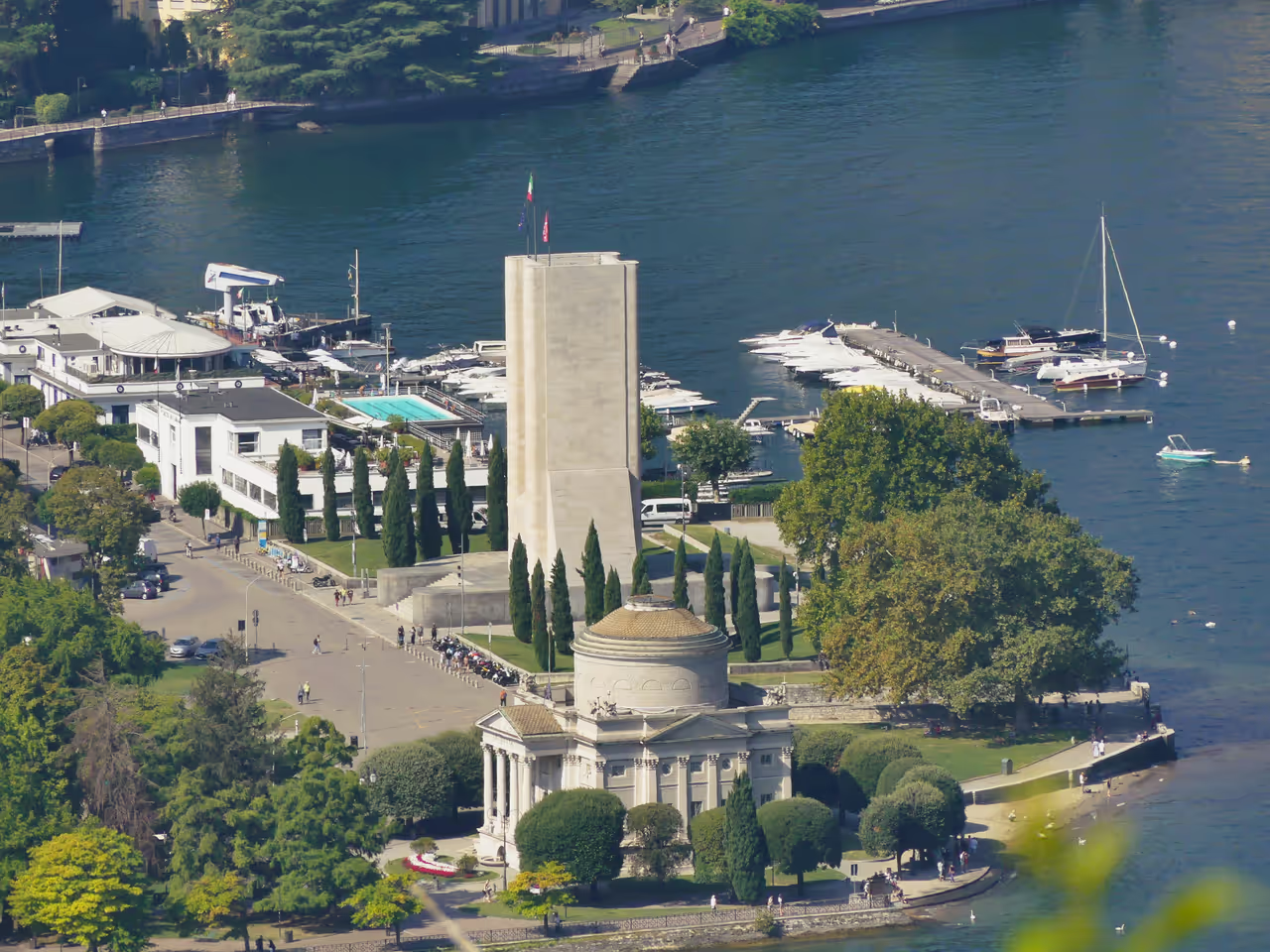
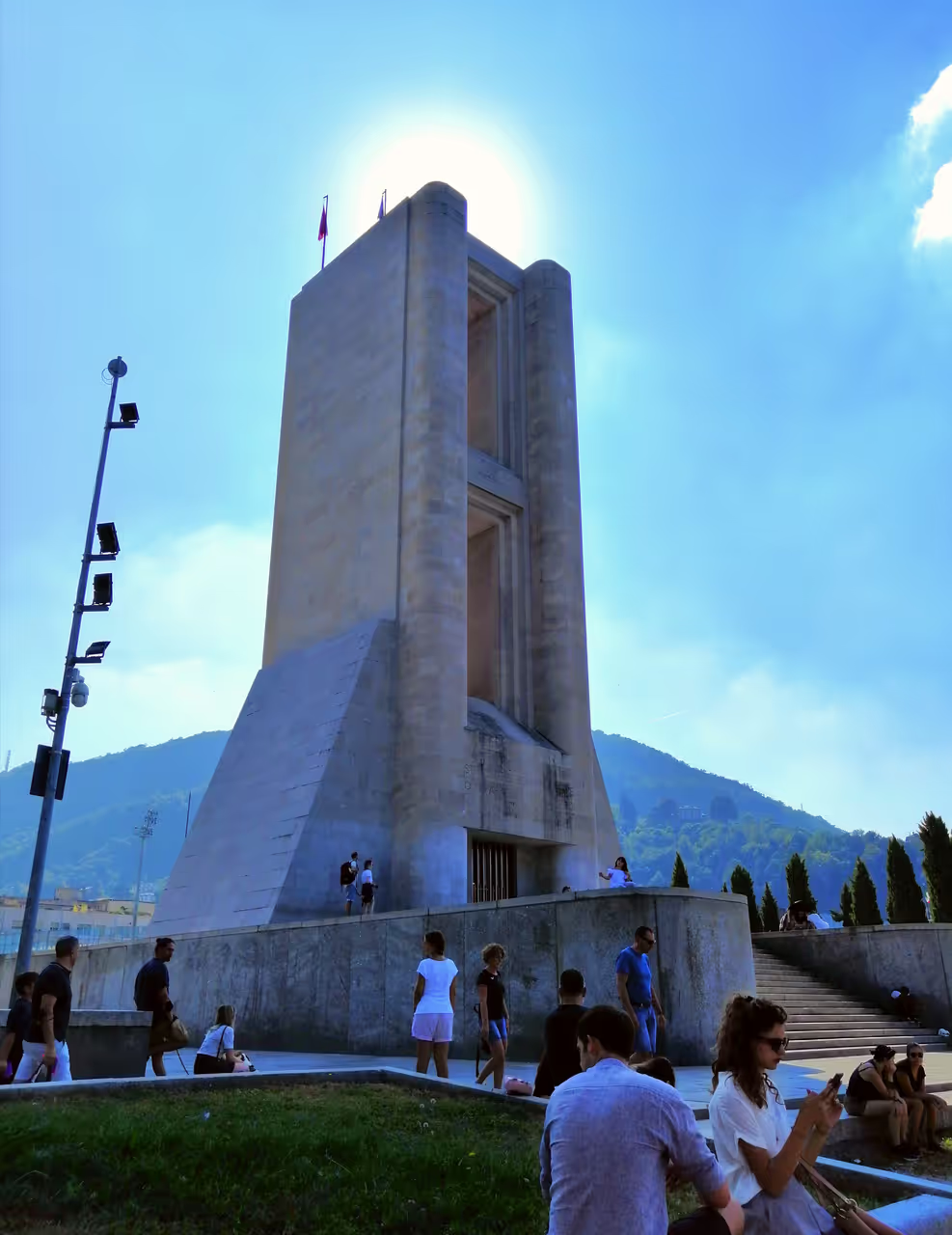
This towering, austere structure stands at the water's edge, creating a striking silhouette against the lake and mountains. Built in the early 1930s, the design is heavily influenced by the sketches of Futurist visionary Antonio Sant'Elia and realised by Giuseppe Terragni. It is constructed from massive blocks of local stone and reaches thirty-three metres high, housing a solemn crypt to honour those lost in the First World War. The monument's unadorned, vertical power is incredibly moving and visually arresting. It remains one of the most prominent landmarks on the waterfront.
architecture view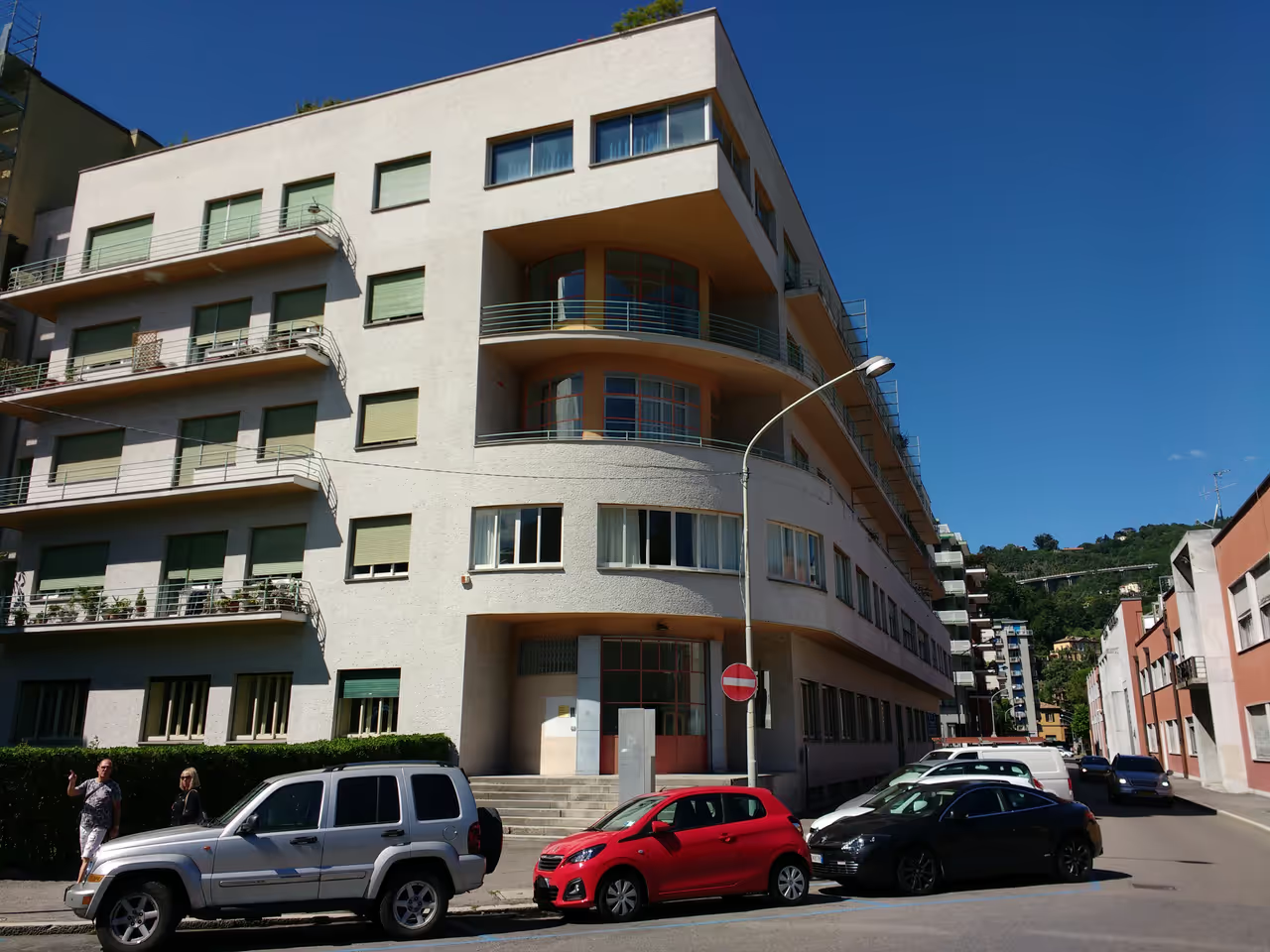 239m
239mNovocomum Building
Affectionately dubbed 'The Transatlantic' by locals due to its ship-like appearance, this residential complex caused a massive scandal upon its unveiling in 1929. Terragni bypassed conservative building codes by submitting a traditional facade design and then constructing this aggressively modern, curved structure instead. Its bold use of primary colours, cylindrical corners, and clean, unadorned surfaces shocked the public but established the architect's genius. It was one of the very first examples of modern multi-family housing in Italy. Seeing it provides crucial context to the evolution of modern European architecture.
architecture view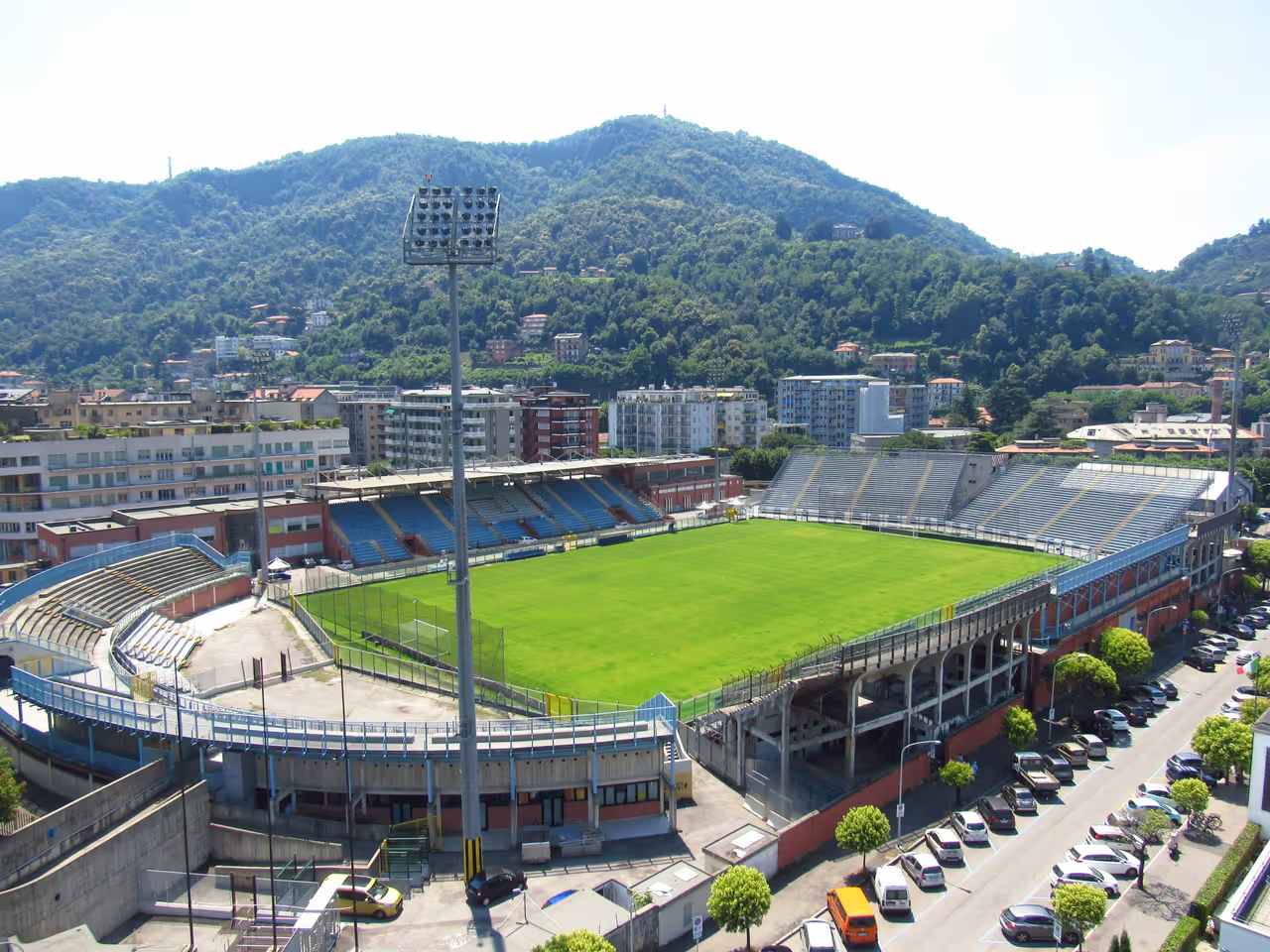 251m
251mGiuseppe Sinigaglia Stadium
Situated directly on the lakefront, this football stadium boasts one of the most picturesque settings of any sporting arena in the country. It is the proud home of the local football club, which has a passionate following and a history of competing in Italy's top tiers. The stadium's architecture reflects the rationalist design popular during its construction, adding historical intrigue to the sporting atmosphere. Attending a match here offers a thrilling, authentic slice of local passion and community spirit. Even when empty, its striking location makes it a notable landmark.
highlight view
Explore Similar Places in These Collections
Featured on These Itineraries and Routes
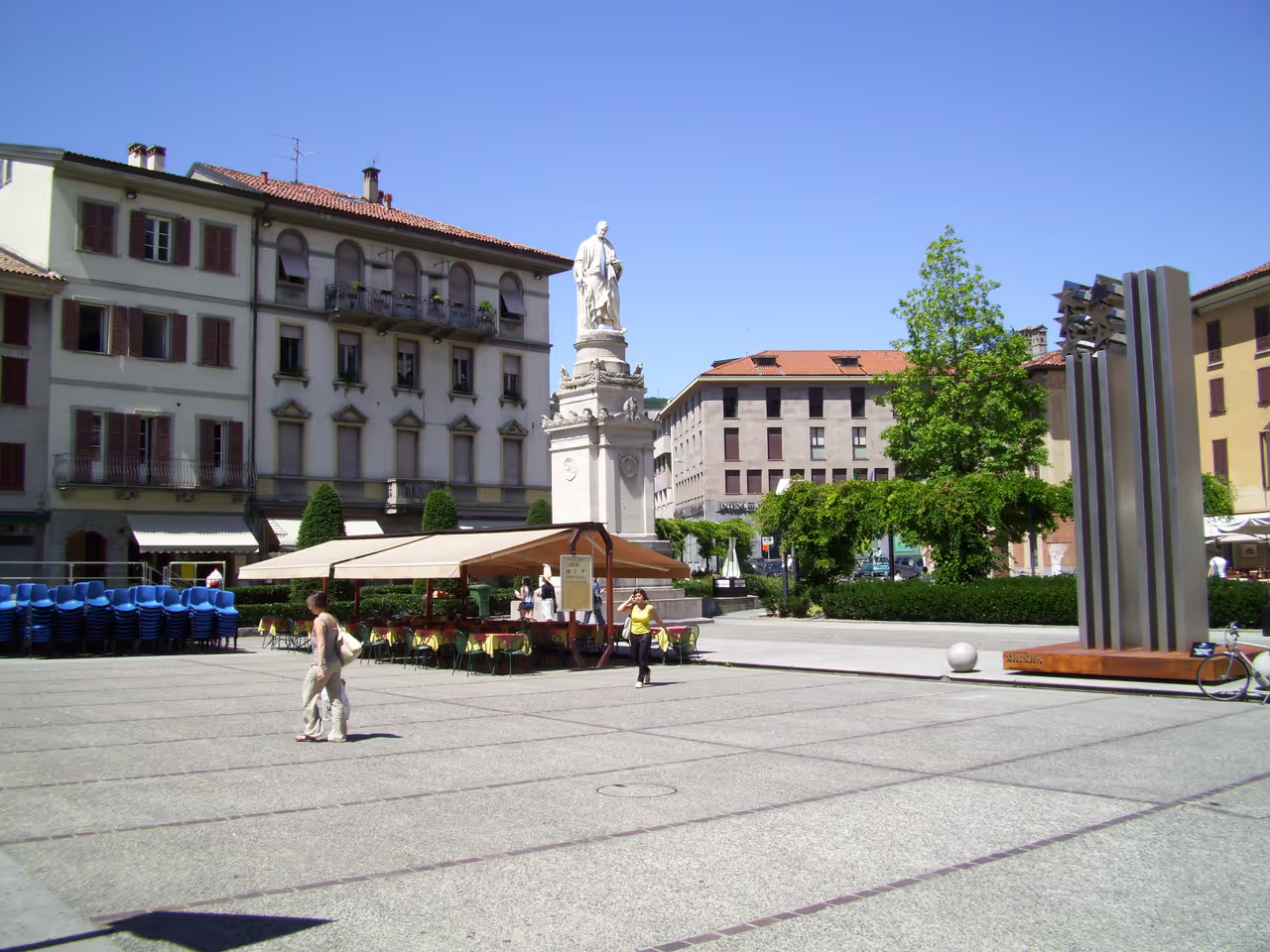
1 Day in Como: The Essential Trip Itinerary
If you only have one day, this fast-paced but highly rewarding itinerary covers the absolute highlights of the city. It focuses on the magnificent historic centre before taking you to the heights of the surrounding mountains for an unforgettable panorama. You will experience the architectural grandeur, the scientific heritage, and the stunning natural beauty that defines the region. It is designed to maximise your time while keeping the walking distances highly manageable.
view itinerary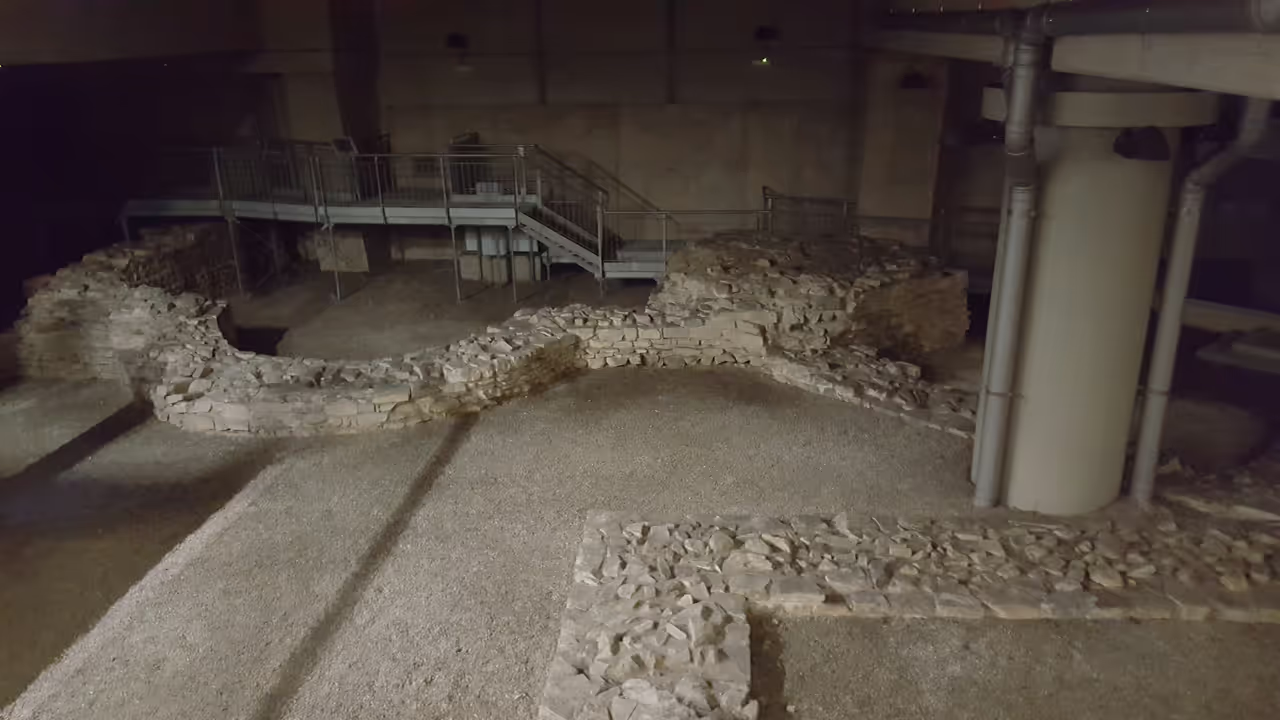
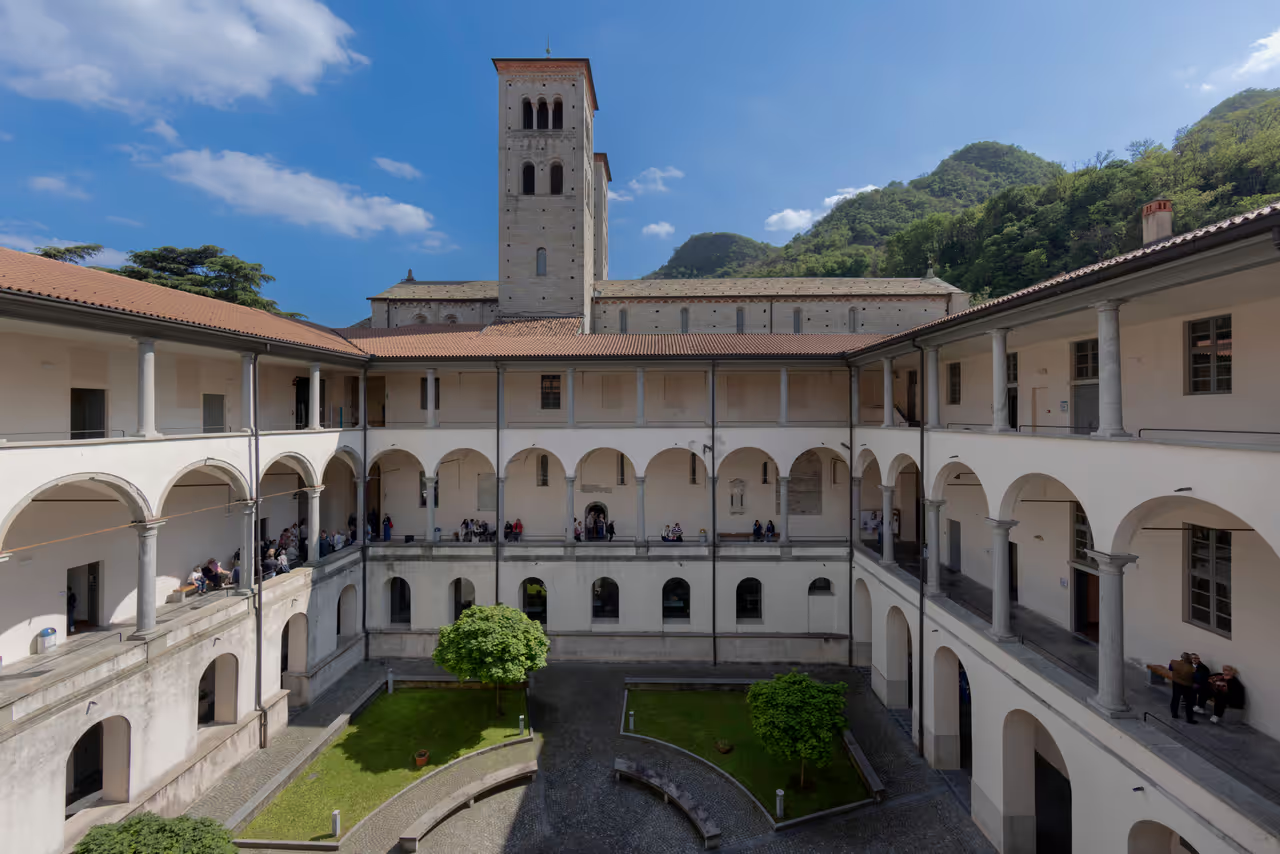
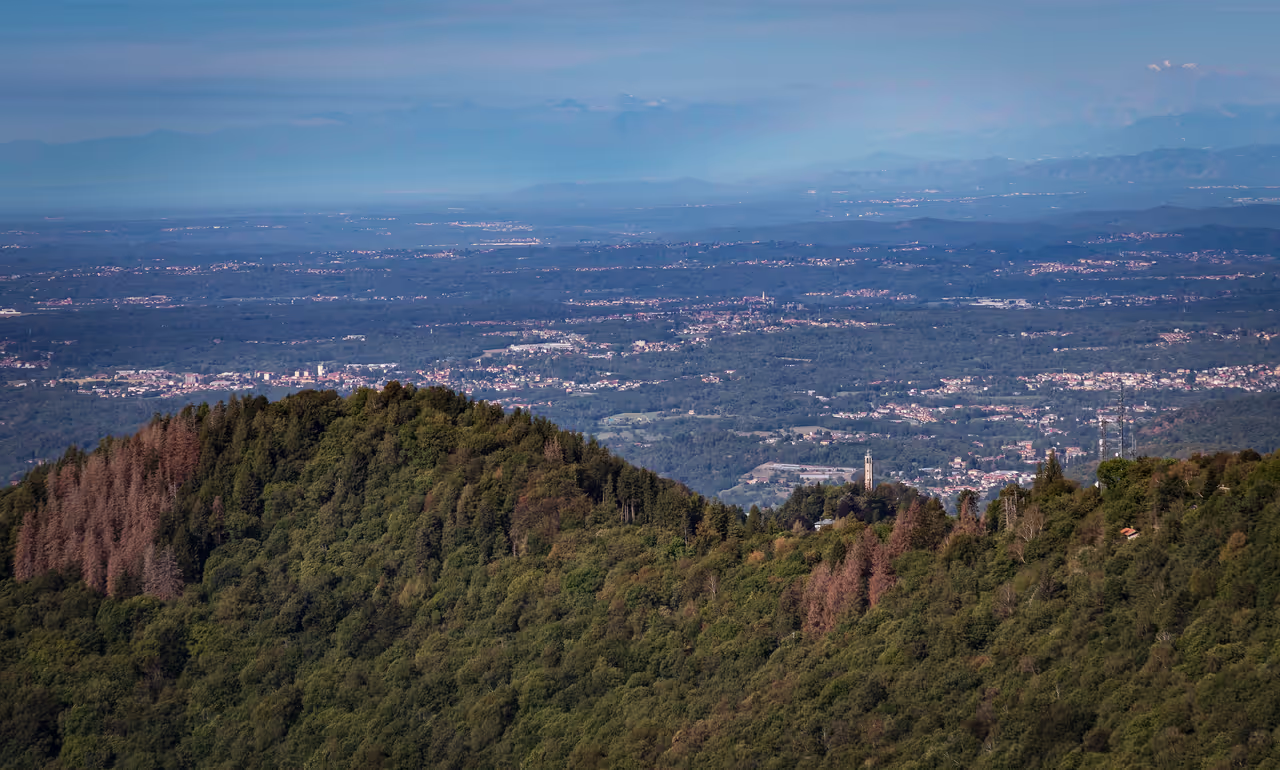
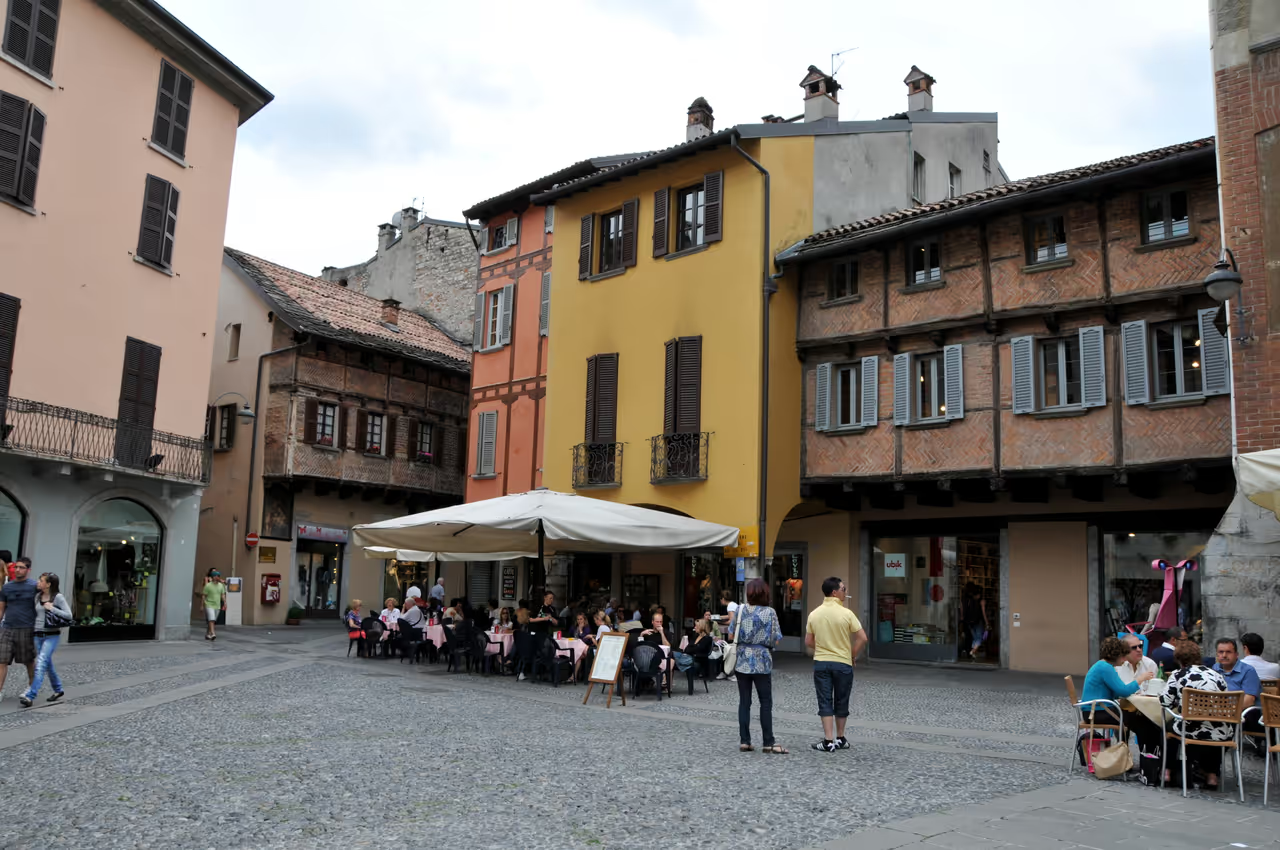
3 Days in Como: Classic Weekend Escape Itinerary
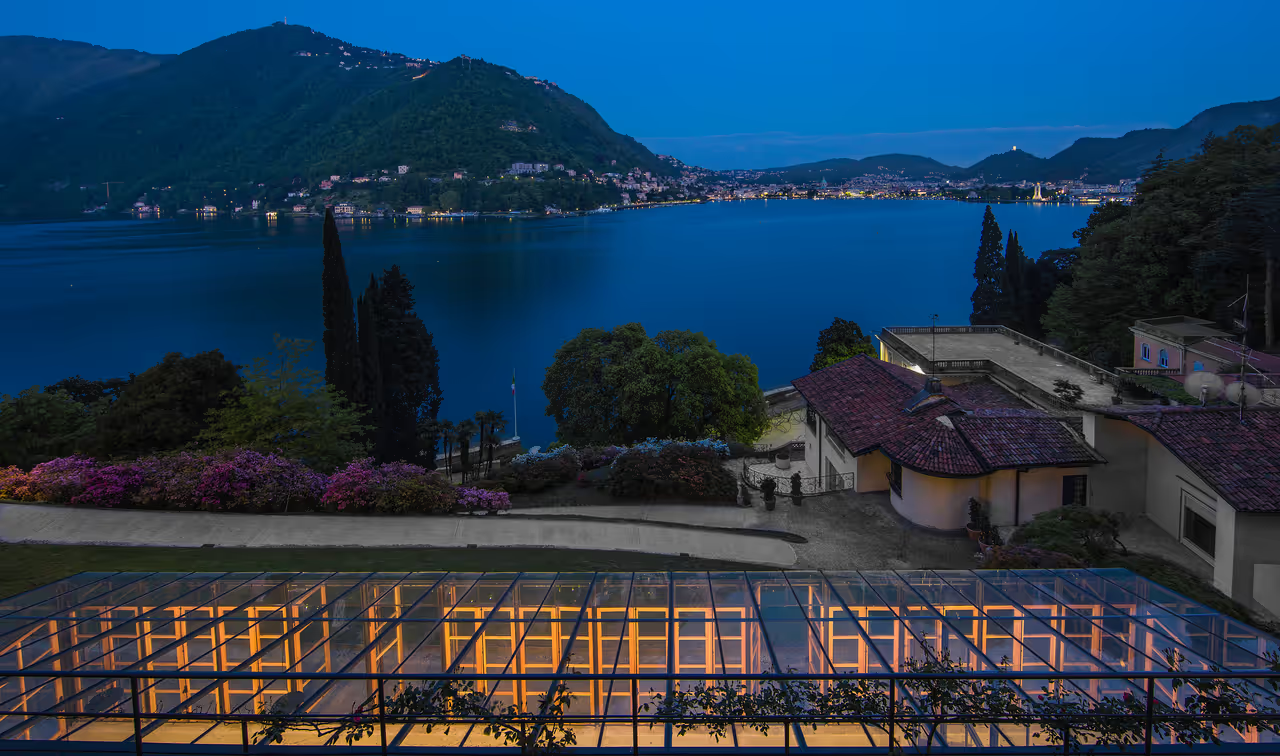
Three days allow you to slow down and truly absorb the elegant atmosphere of the city. This itinerary expands upon the essential sights, adding deep dives into the aristocratic villa culture and the rugged nature surrounding the town. You will have time to explore the rationalist architecture, hike for incredible views, and enjoy the waterfront at a leisurely pace. It provides a perfectly balanced mix of history, art, and outdoor activity.
view itinerary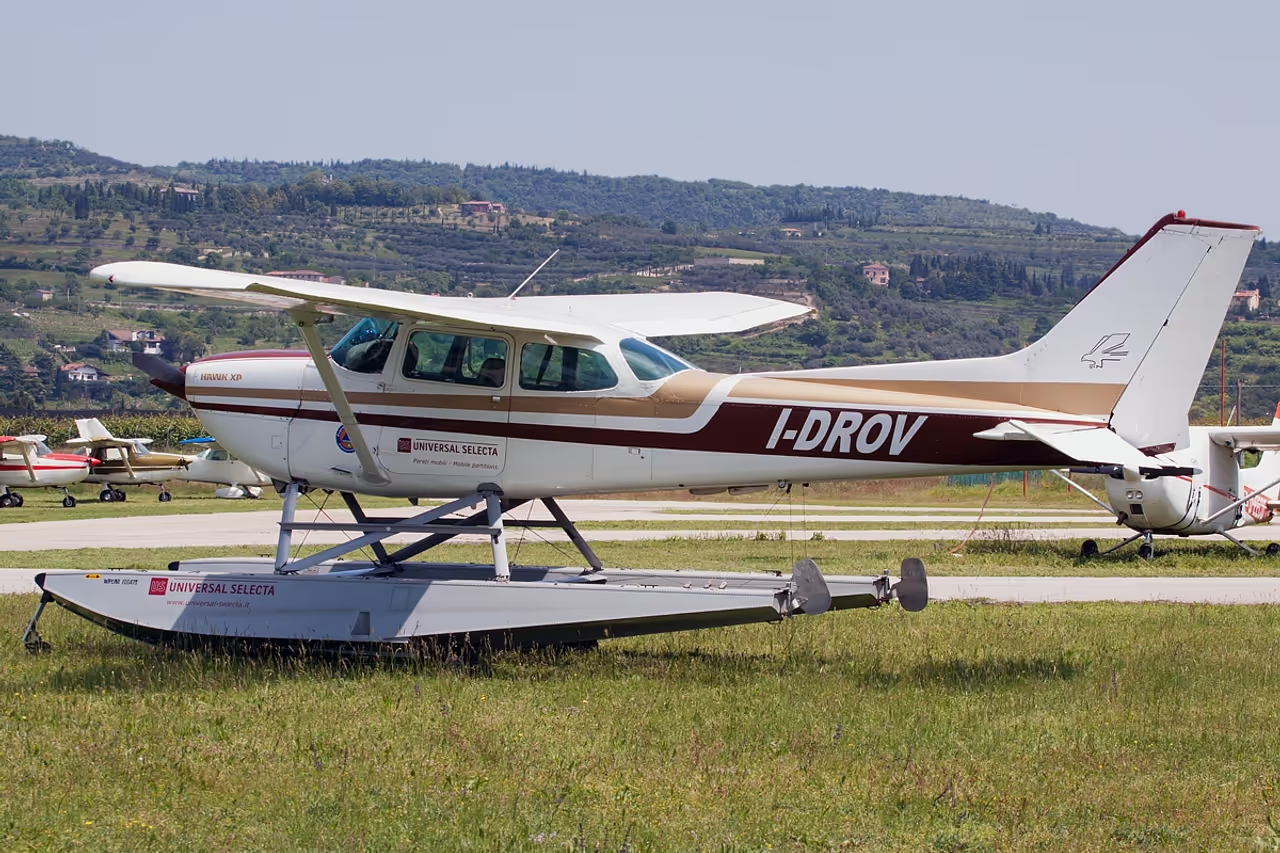
5 Days in Como: The Deep Immersion Itinerary
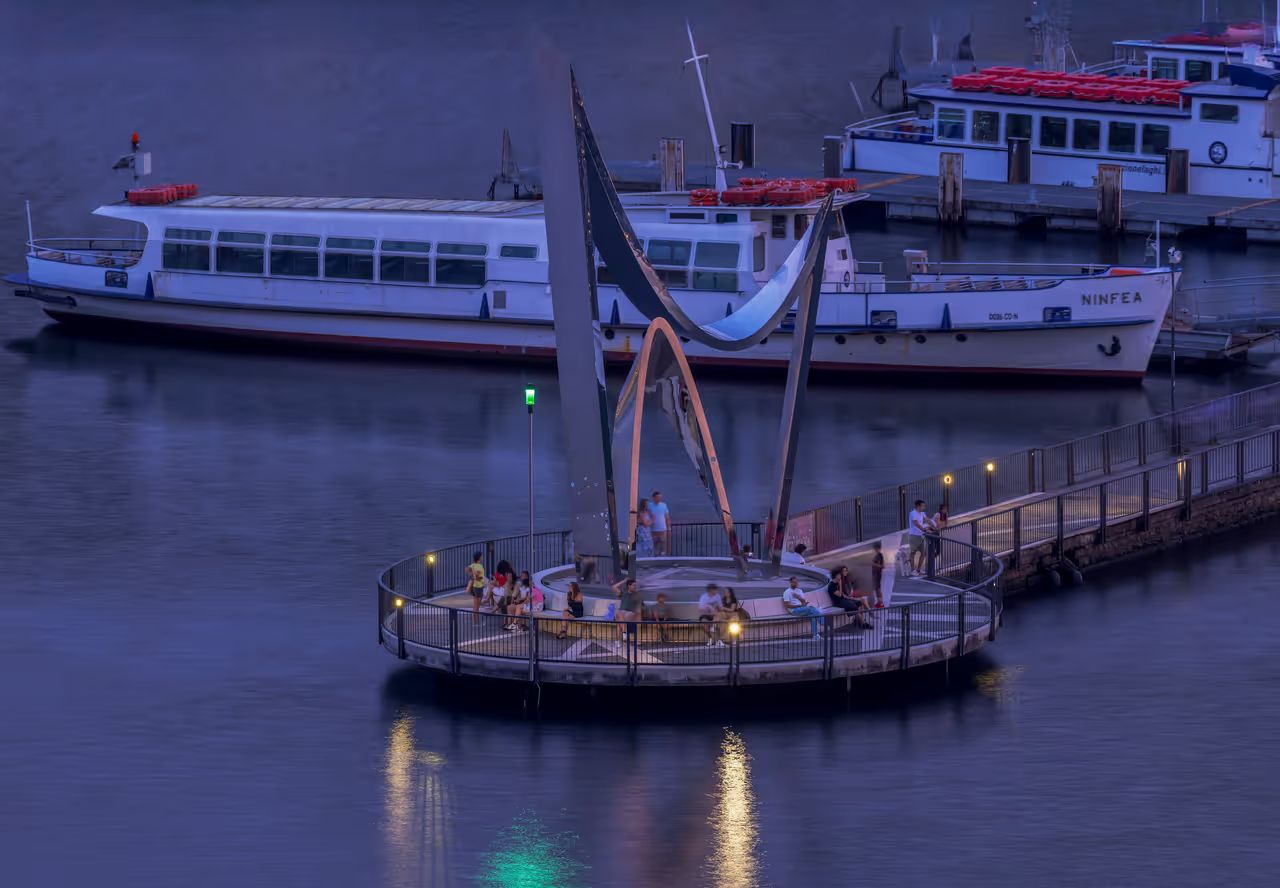
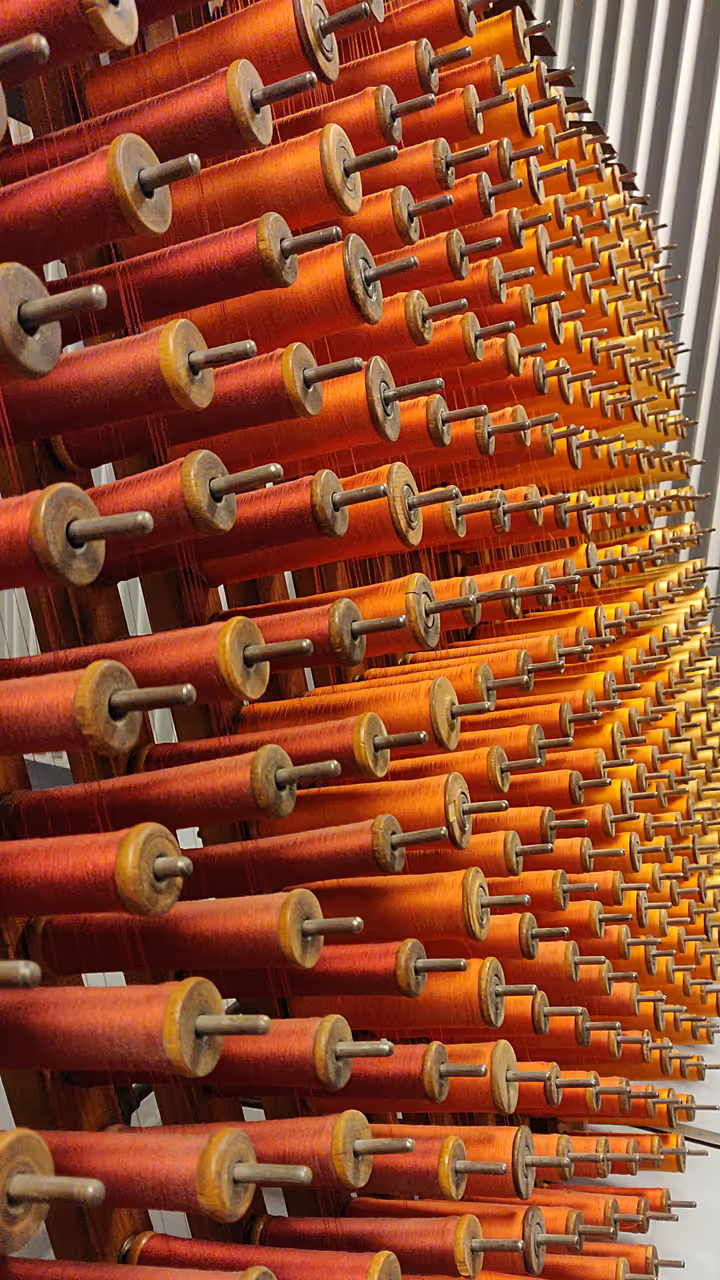
With five days, you can uncover the city's hidden gems and truly live like a local. This expansive plan includes everything from the historic monuments to the fascinating industrial silk heritage. You will have the time to explore the wilder regional parks, discover secret sanctuaries, and perhaps even take to the air or water. It is the ultimate itinerary for those who want a complete, unhurried, and profound understanding of the region.
view itinerary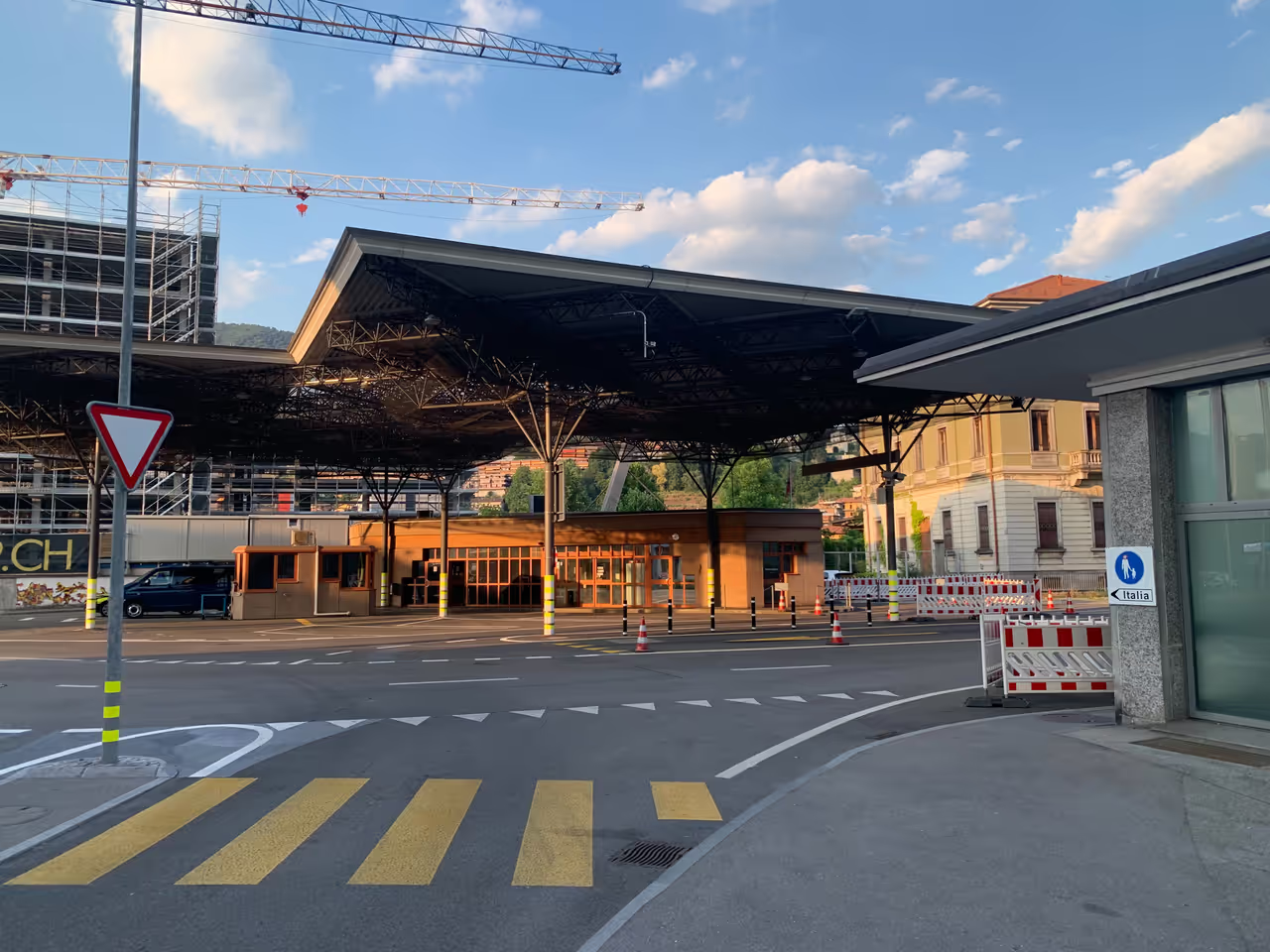
Swiss Border Loop
This engaging ride takes cyclists from the elegant Italian waterfront right up to the border of Switzerland, blending urban exploration with cross-border curiosity. The route offers a mix of dedicated cycling paths and manageable roads, winding through the northern suburbs before reaching the gentle hills that define the frontier. It provides a fascinating look at how the architecture and atmosphere subtly shift near the border crossing. Riders can enjoy brief stints of countryside before looping back toward the historic city centre. It is a relatively easy ride that offers the unique thrill of pedalling between two countries.
view cycling route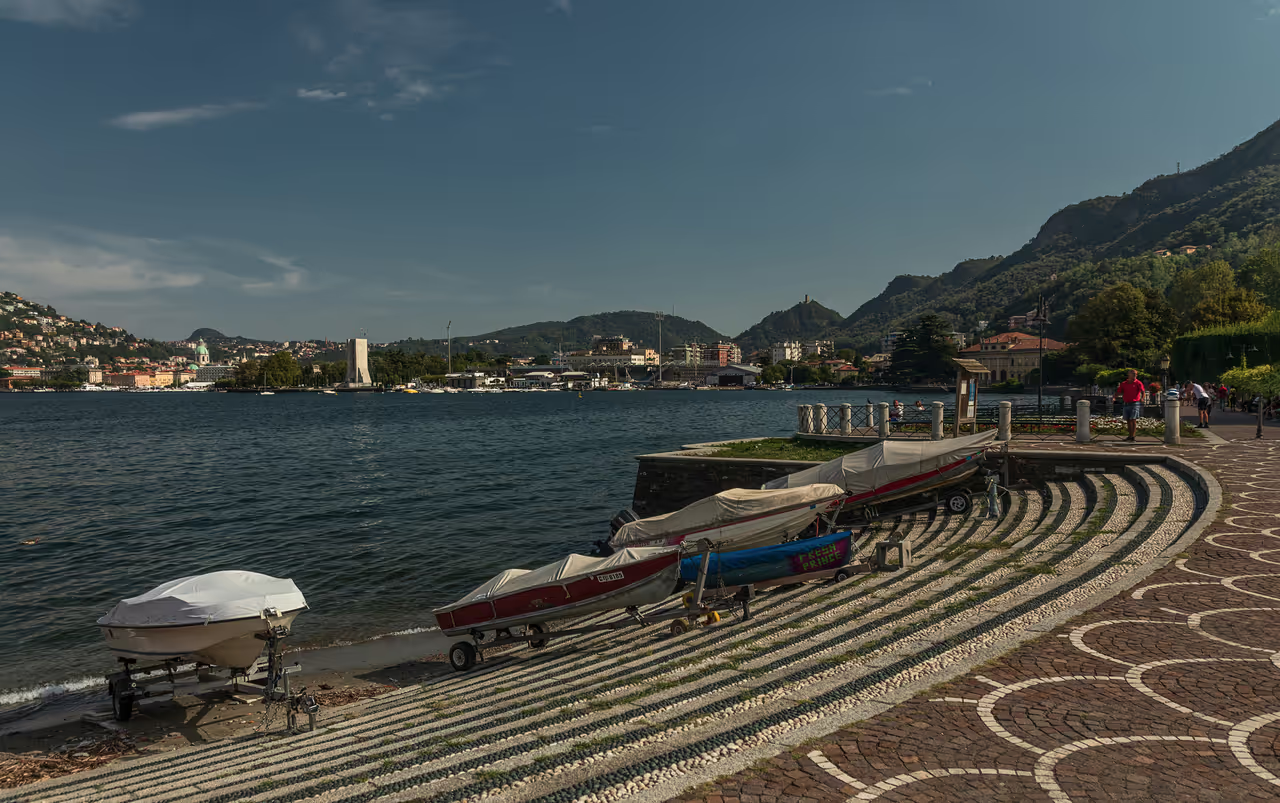
Waterfront Promenade
This classic walk is the undisputed jewel of the city's pedestrian routes, tracing the gentle curve of the shoreline. The paved, wide pathway ensures a highly comfortable stroll, flanked by the sparkling blue water on one side and manicured gardens on the other. It passes several of the city's most important neoclassical monuments and offers continuous, unobstructed views of the surrounding mountains plunging into the water. Families, couples, and locals all gather here to enjoy the fresh air and relaxed ambience. It is the perfect introduction to the sophisticated, easy-going lifestyle of the region.
view walking route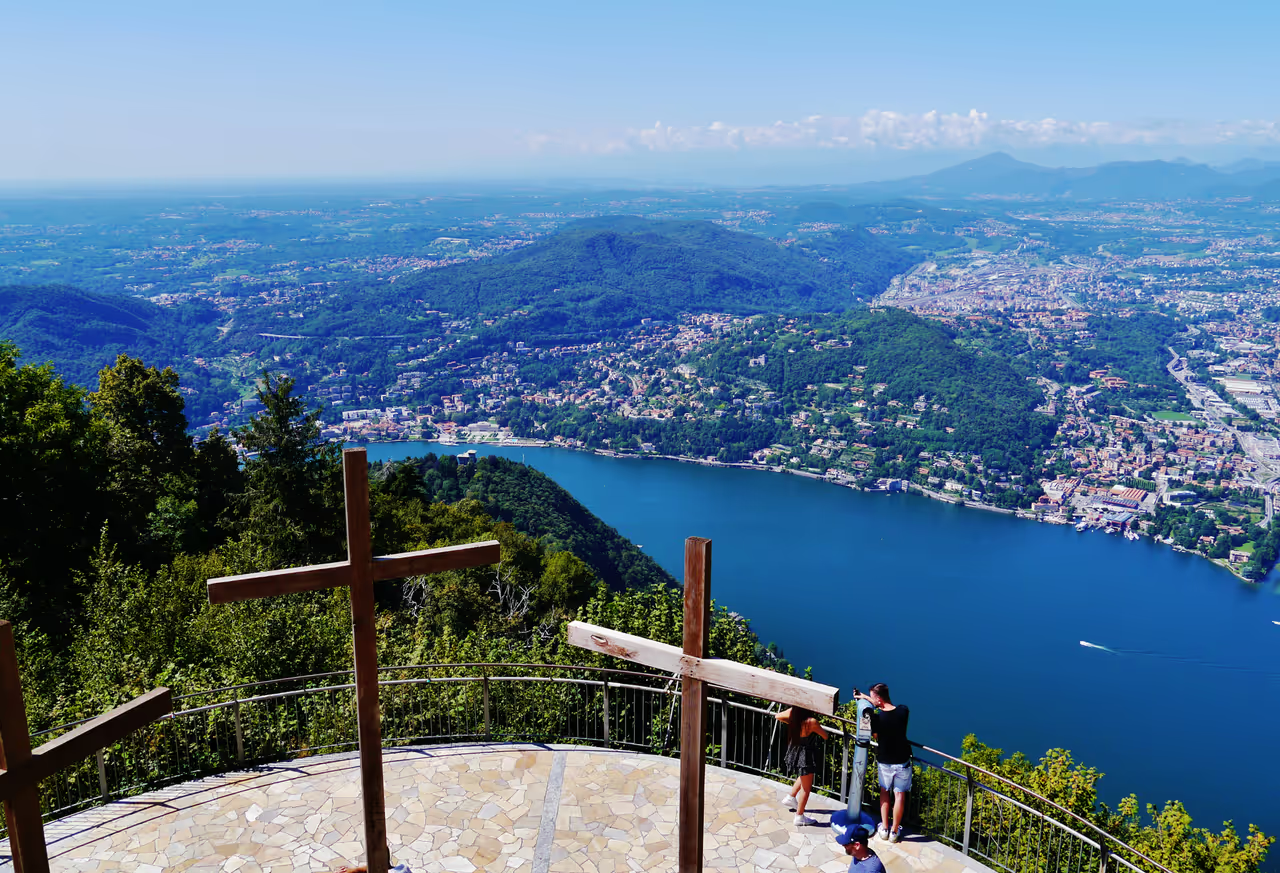
Alessandro Volta Discovery
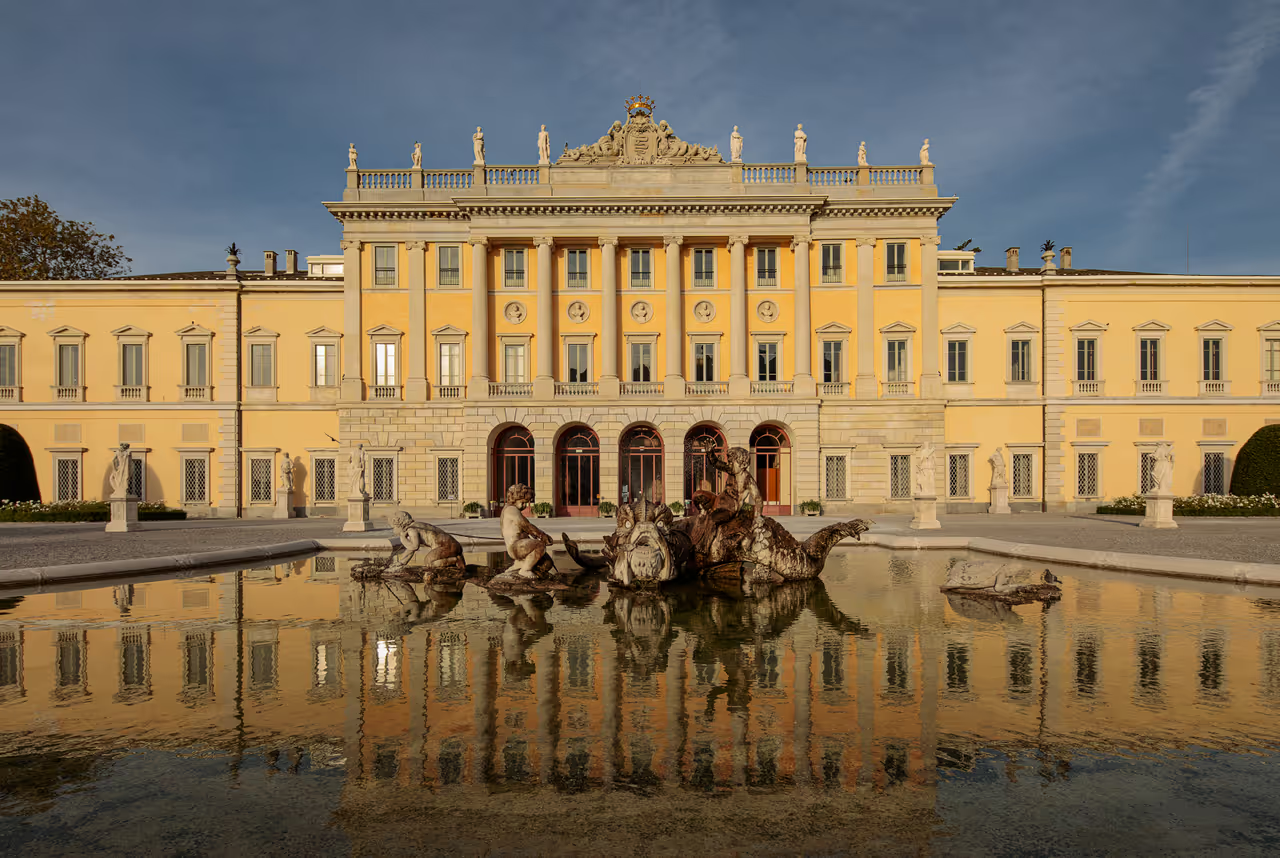
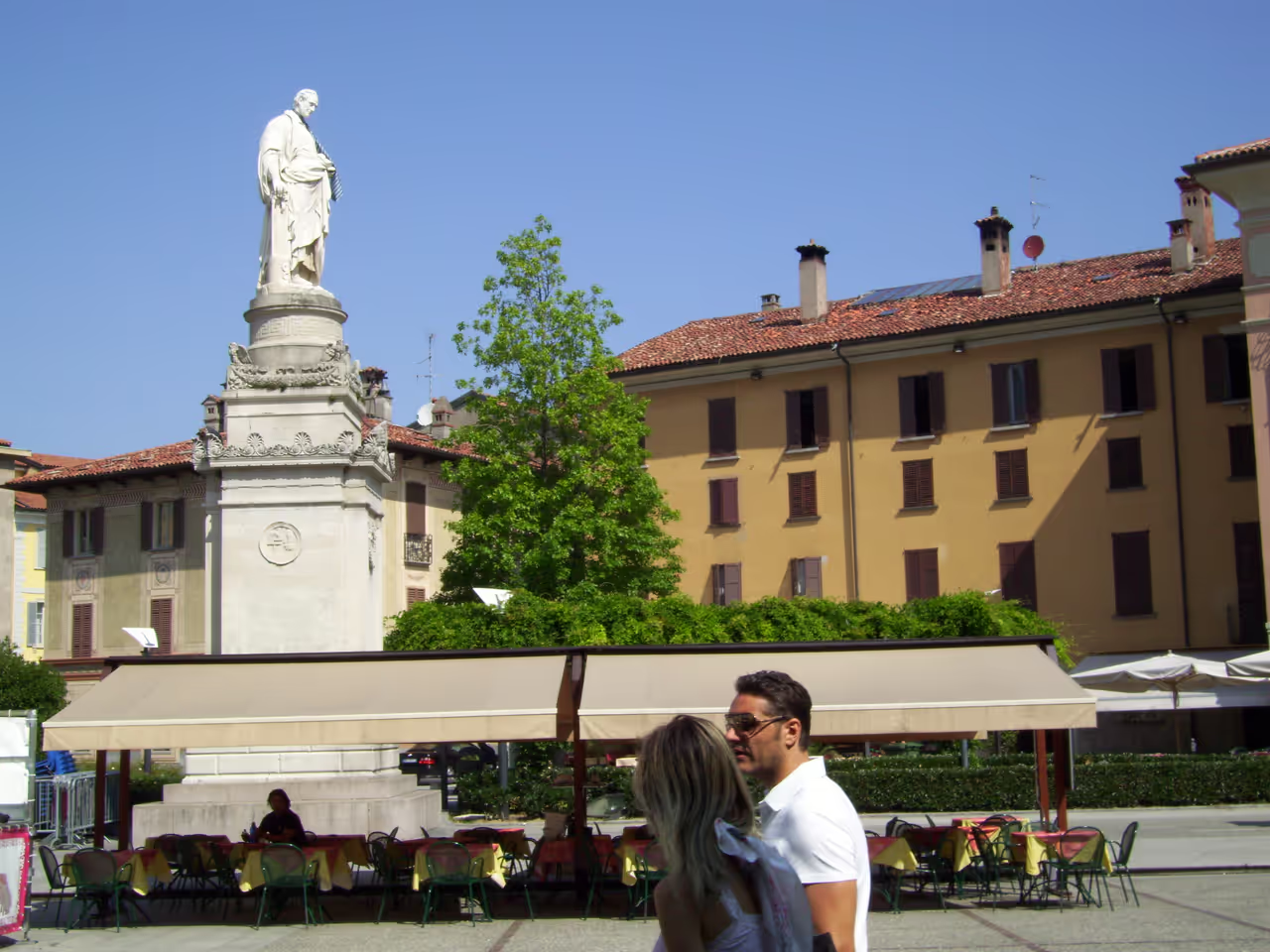
This engaging narrative tour follows the footsteps of the city's most illustrious son, the physicist who invented the electric battery. It weaves through the streets to visit the places where he lived, studied, and fundamentally changed the world of science. The journey highlights the immense civic pride the city holds for him, evident in the numerous grand monuments dedicated in his honour. Along the way, the tour provides a glimpse into the intellectual atmosphere of the Enlightenment era in Italy. It is a brilliant way to combine sightseeing with an inspiring scientific biography.
view self-guided tour
See all attractions in Como
Como Brunate Funicular, Como Cathedral, Basilica of Sant'Abbondio, Broletto...