Gardens of Castel Sant Angelo
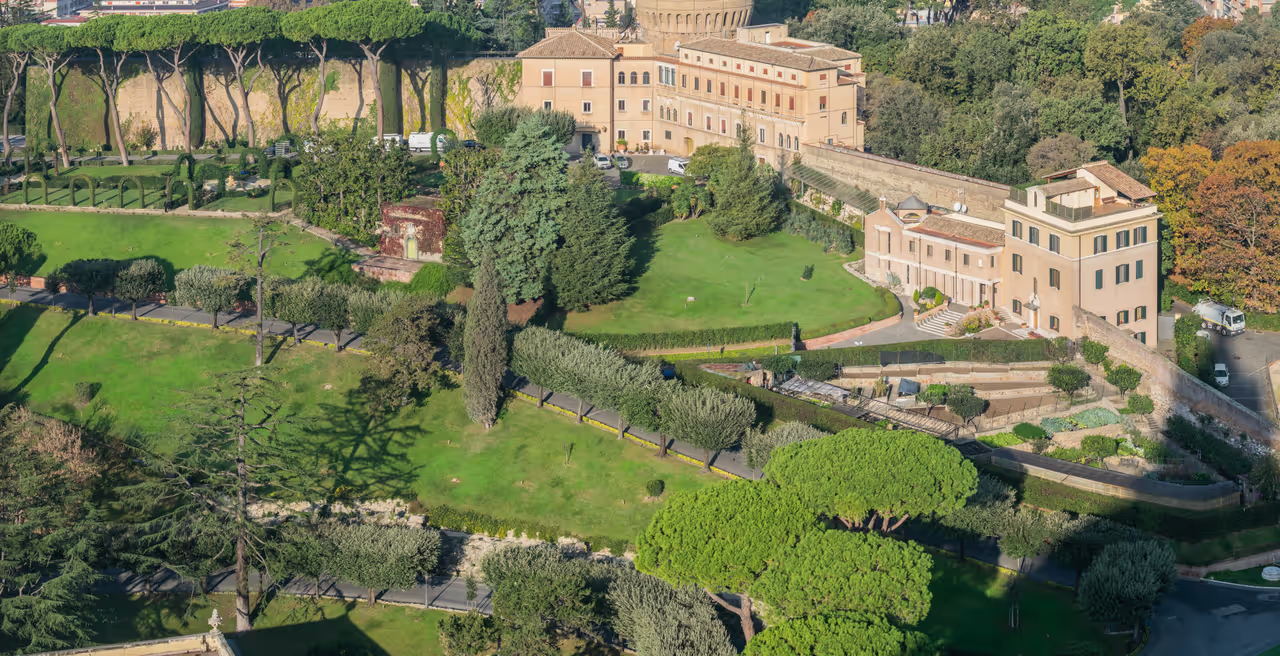
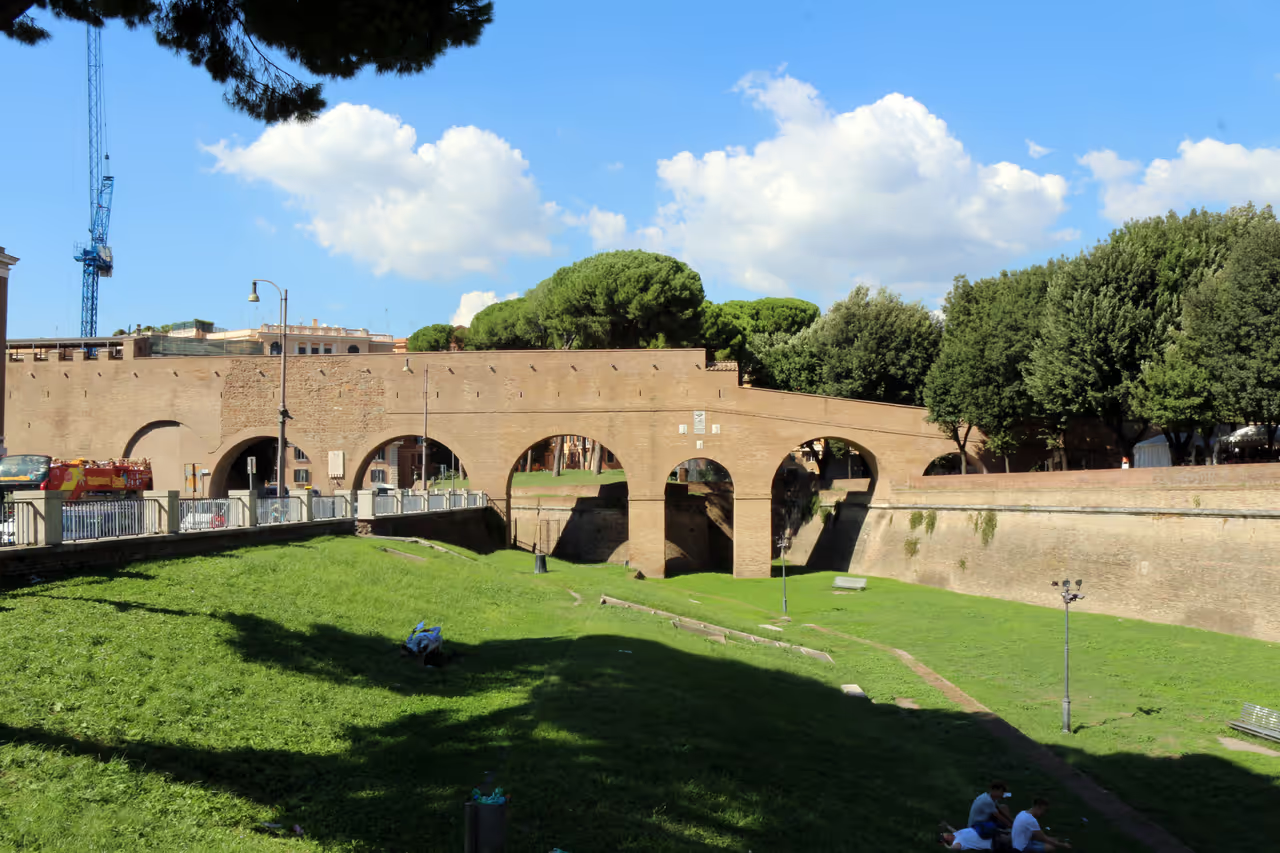
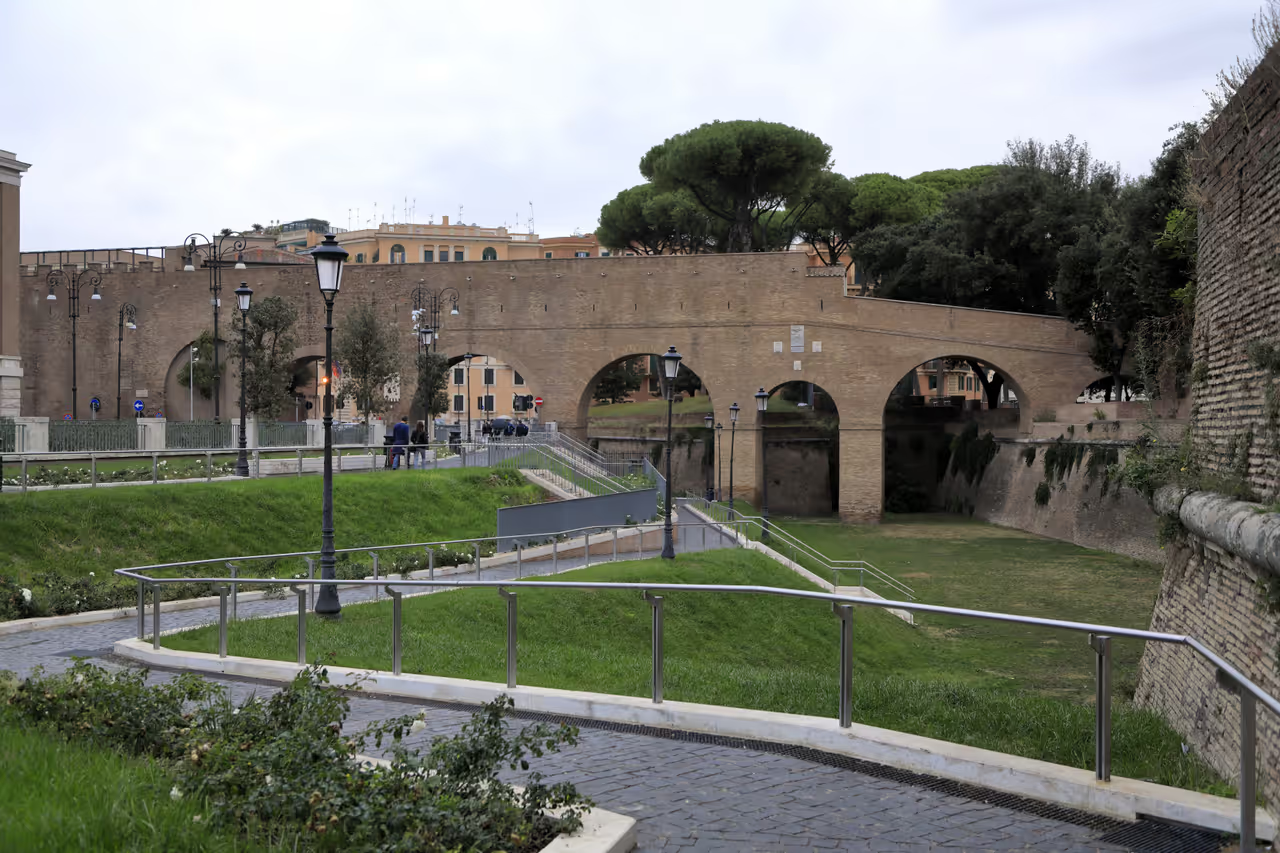
Nestled right at the foot of the monumental Castel Sant Angelo, the Parco della Mole Adriana offers a serene escape from the Roman city centre. Walking through these leafy paths, you are surrounded by the imposing walls of the ancient mausoleum and later papal fortress. It is a place where history feels tangible, providing a quiet, green contrast to the heavy stonework of the castle. Perfect for a leisurely afternoon stroll, the gardens invite you to pause and appreciate the layered past of Rome while enjoying the shade of mature trees. Visiting here lets you soak in the grandeur of one of the most iconic landmarks from a peaceful, unique perspective.
History of Gardens of Castel Sant Angelo
The story of the Parco della Mole Adriana is a narrative of transformation. Once a strictly military zone, the land surrounding the imposing Hadrian Mausoleum, later known as Castel Sant Angelo, was designed purely for defence. For centuries, these walls and moats served to protect popes and treasure alike, keeping the common public far from the fortress gates. It remained a place of tension and power rather than leisure. Everything changed in the early twentieth century. As Rome looked to modernise and celebrate its national identity, the city sought to repurpose its historic spaces for the people. During the 1911 national exhibition, this defensive perimeter began its shift into a garden, reclaiming the land for citizens. Architect Attilio Spaccarelli further solidified this change in the 1930s, creating the paths and greenery that today soften the hard edges of the ancient masonry. Today, the park acts as a gentle bridge between the lively city and the solemn history of the castle. It invites locals and visitors to wander where soldiers once patrolled. By preserving the botanical heritage alongside the ancient stone, the park keeps the past accessible. It stands as a testament to Rome ability to evolve, turning a site of historical conflict into a tranquil urban sanctuary.
events spanning 114 years
Fun Facts
10- 01
A statue of Emperor Hadrian, the man who originally commissioned the structure as a mausoleum, stands within the park as a silent sentinel.
- 02
During the 1930s, the goal was to create a harmonious green space that complements the massive architecture.
- 03
Recent restoration projects in 2025 have revitalised the historic moat and garden areas, ensuring they remain a pristine retreat for visitors.
- 04
The area was first opened to the public as a park during the 1911 national exhibition celebrating the 50th anniversary of the unification of Italy.
- 05
The current layout was established in the 1930s by architect Attilio Spaccarelli, who was instrumental in urban planning around the area.
- 06
The garden serves as a living museum, blending modern landscaping with the medieval and Renaissance fortifications of the castle.
- 07
The park is maintained by the Sovrintendenza Capitolina, ensuring the preservation of both the botanical and historical elements.
- 08
The park occupies the space between the square and pentagonal defensive walls of the former fortress.
- 09
The paths are named after notable cultural and religious figures, including the poet and architect Mario dell Arco.
- 10
You can catch stunning views of the castle architecture and the surrounding Tiber embankment from the vantage points within the greenery.
FULL PLACE DETAILS
OVERVIEW & STATS
- Established
- In 139, making it 1887 years old
- Annual Visitors
- 918,591
ARCHITECTURE & HERITAGE
- Heritage Status
- Italian National Heritage
- Architects
- Decriannus
WEB & AMENITIES
Gardens of Castel Sant Angelo Map & Neighborhood Explorer
This interactive map is centered on Gardens of Castel Sant Angelo. Zoom in and move the map around to automatically discover Wikipedia photos and summaries of other nearby sights, monuments, and historical points of interest and stories in real-time!
Gardens of Castel Sant Angelo FAQ
The gardens are part of the public space surrounding the monument and are accessible without a ticket.
Early morning is excellent for a quiet walk, while late afternoon offers beautiful lighting as the sun sets against the castle walls.
Absolutely, the park offers unique, low angle views of the castle ramparts that you cannot see from the main street.
The closest place to visit near Gardens of Castel Sant Angelo is Ponte Sant'Angelo, around 135 m away. Other things to do near Gardens of Castel Sant Angelo include Tiber Riverbanks (Summer) (195 m), Palace of Justice (263 m) and Via della Conciliazione Vista (380 m). All of these are within roughly 380 m of Gardens of Castel Sant Angelo, close enough to walk.
Gardens of Castel Sant Angelo holds the following heritage designation: Italian National Heritage.
It dates back to 139, making it 1887 years old.
Gardens of Castel Sant Angelo was designed by Decriannus.
It receives approximately 918,591 visitors per year.
While we strive to keep this information accurate and up to date, we recommend verifying any details independently before making decisions based on them.
Places near Gardens of Castel Sant Angelo
Make the most of your trip. Check out these top-rated spots located nearby.
 135m
Ponte Sant'Angelo
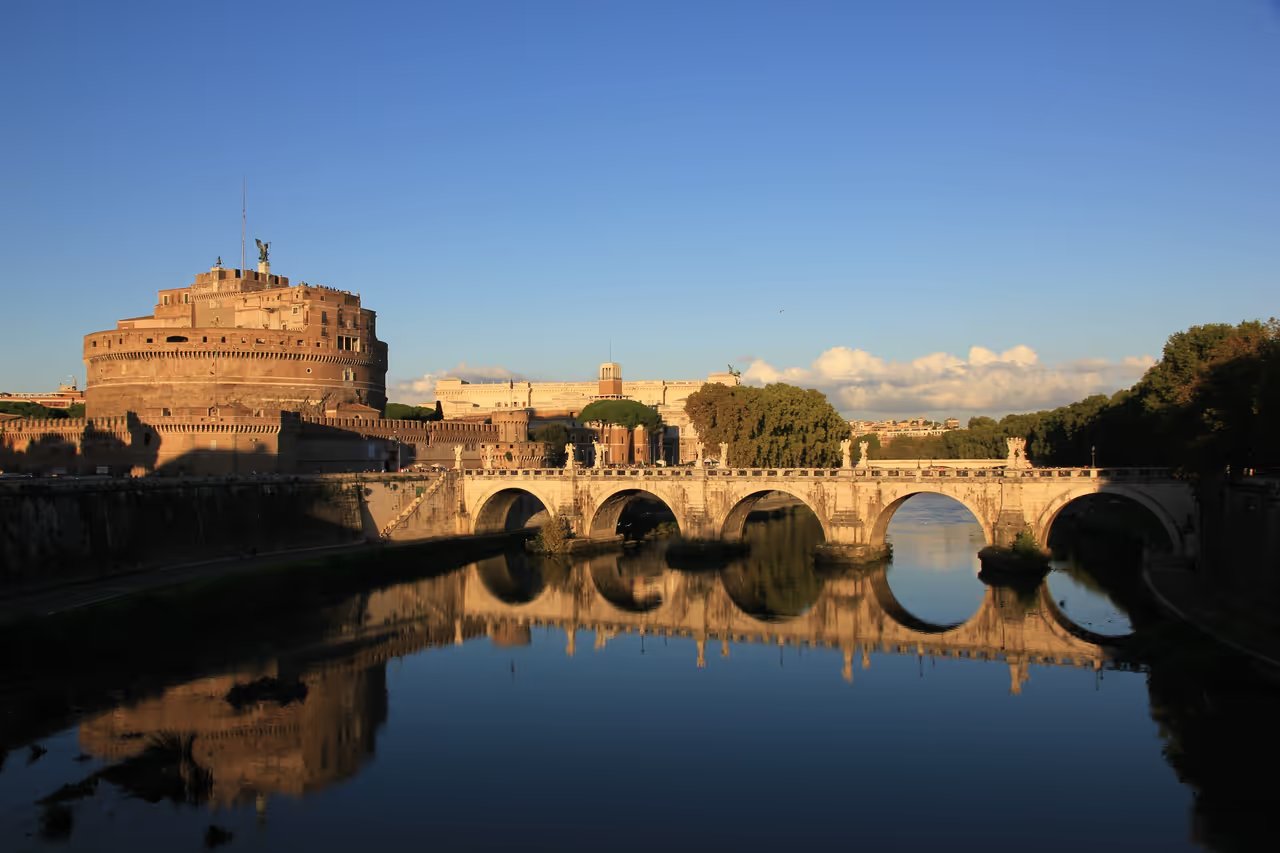
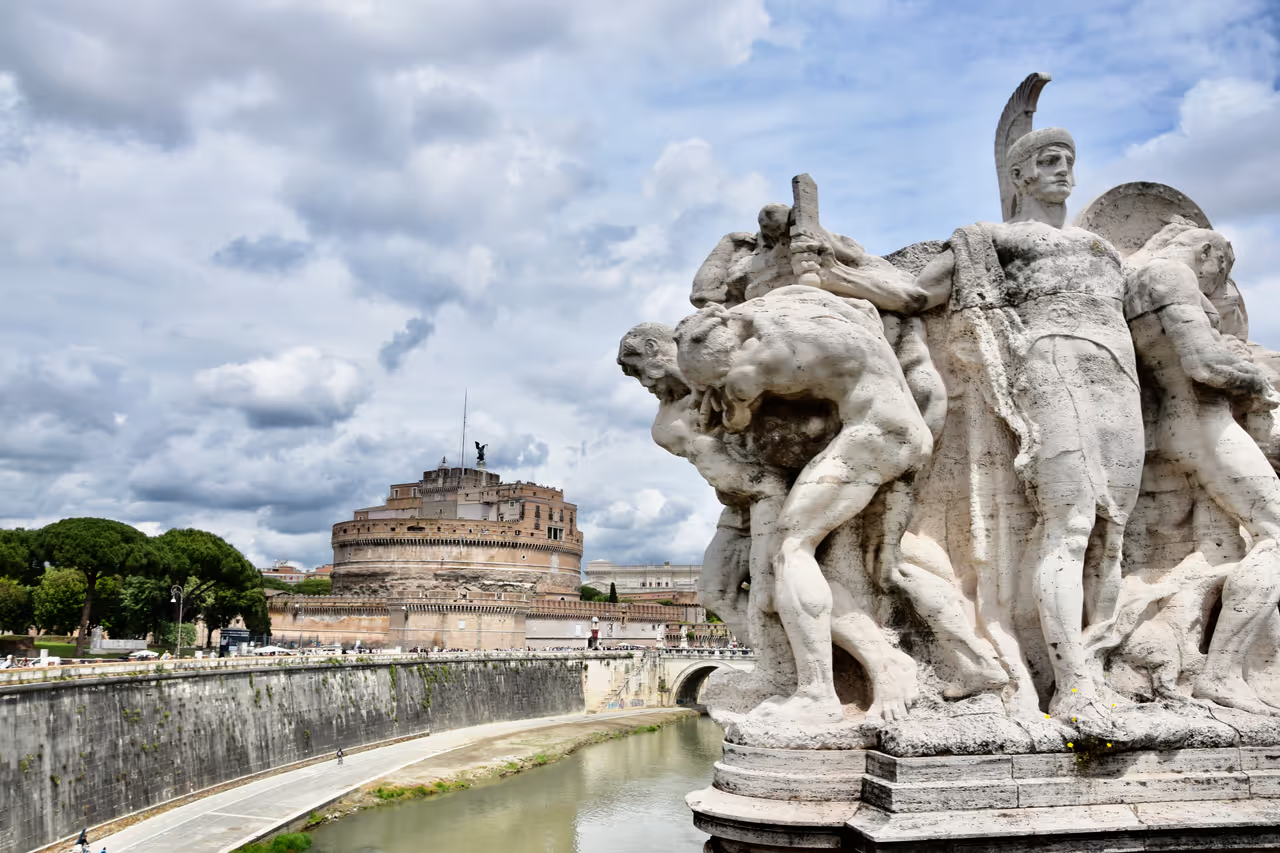
This ancient pedestrian bridge spanning the Tiber River is perfectly lined with ten dramatic, baroque statues of angels carved by Bernini and his students. Standing at the southern end of the bridge, you can frame the angels perfectly against the massive, imposing backdrop of Castel Sant'Angelo. During the golden hour, the warm light illuminates the travertine marble, casting beautiful reflections onto the water below. It is arguably the most romantic and cinematic photo location in the immediate vicinity of the Vatican.
photo spot view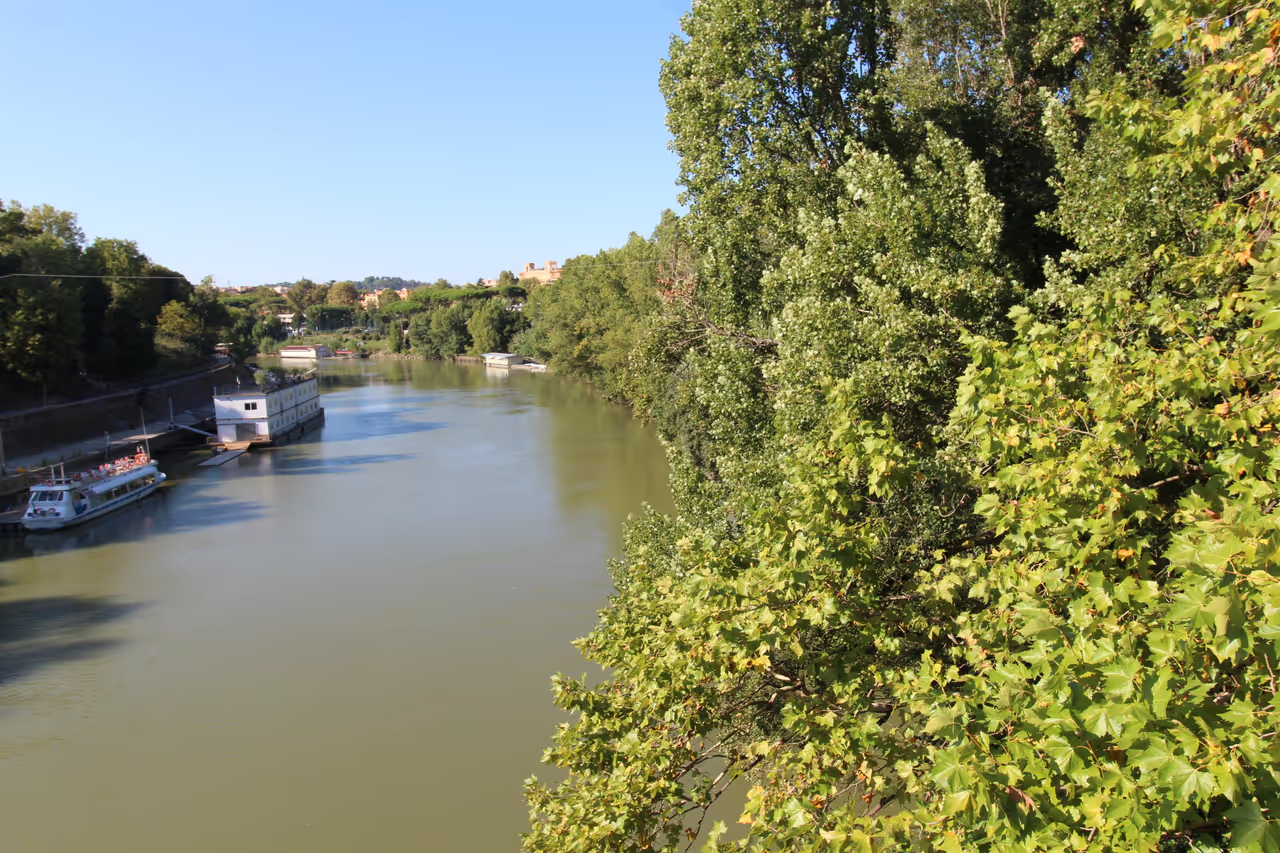 195m
Tiber Riverbanks (Summer)
During the summer months, the banks of the Tiber River just east of the Vatican completely transform into a lively nocturnal festival. Temporary bars, pop-up restaurants, and live music venues line the water's edge beneath the historic bridges. It provides a phenomenal atmosphere where thousands gather to enjoy the cool river breeze, drink craft cocktails, and dance late into the night. Watching the illuminated Castel Sant'Angelo reflect in the water while enjoying the vibrant scene is unforgettable.
nightlife view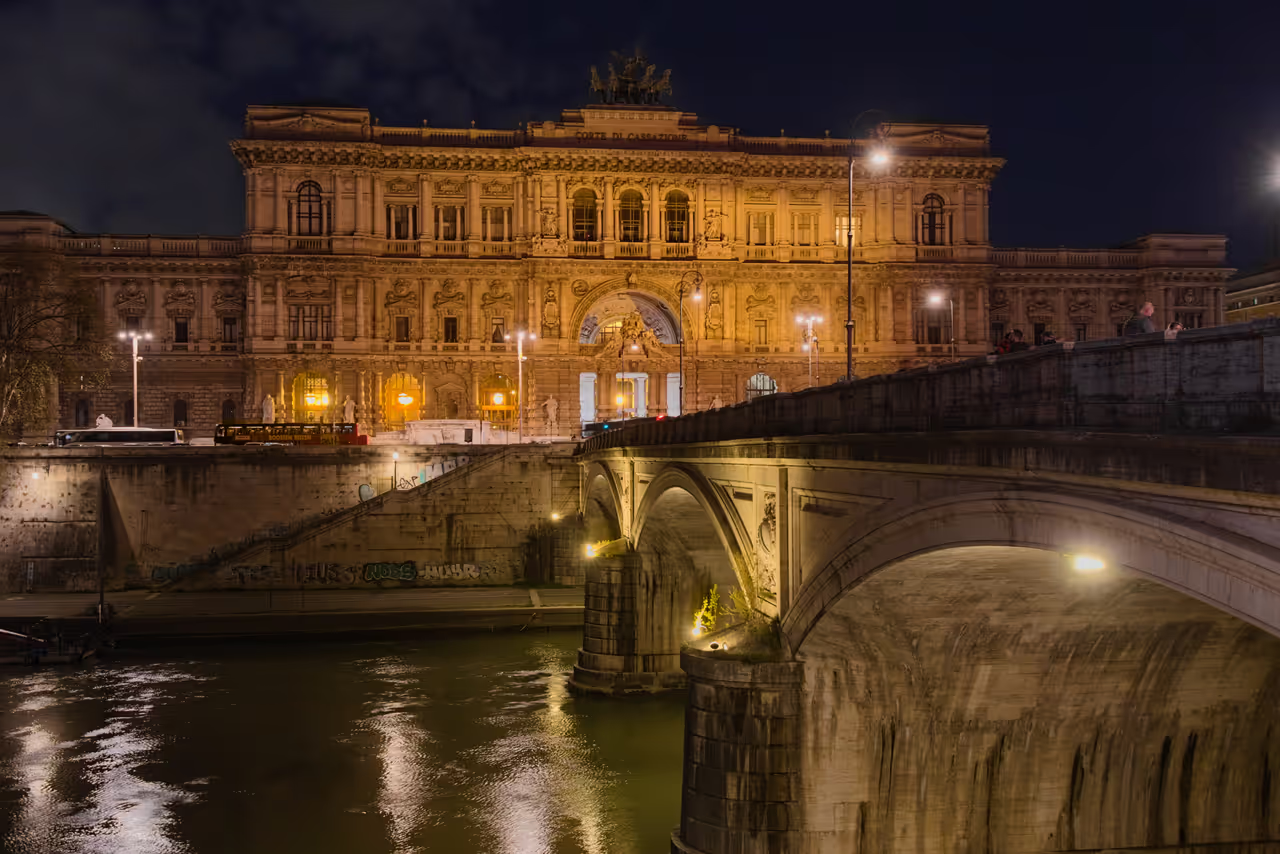 263m
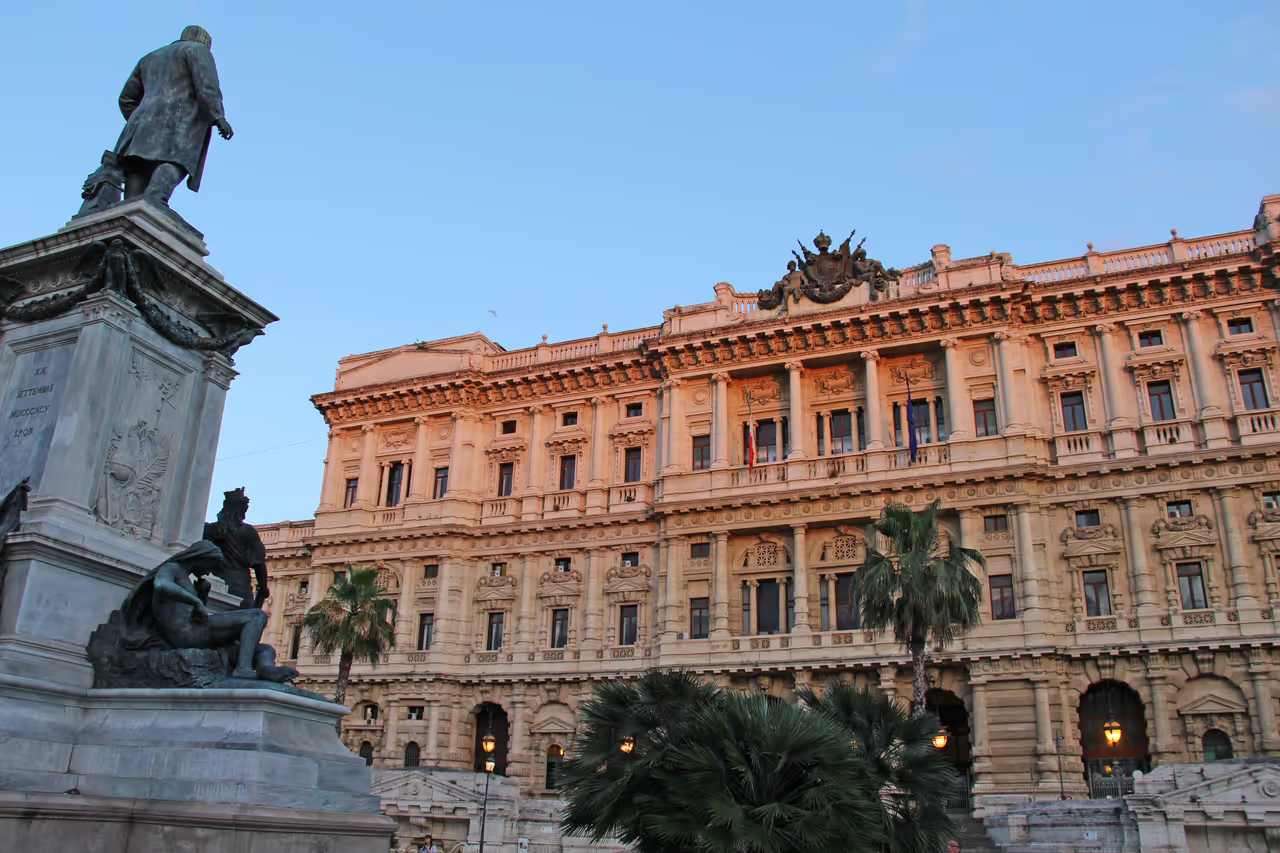
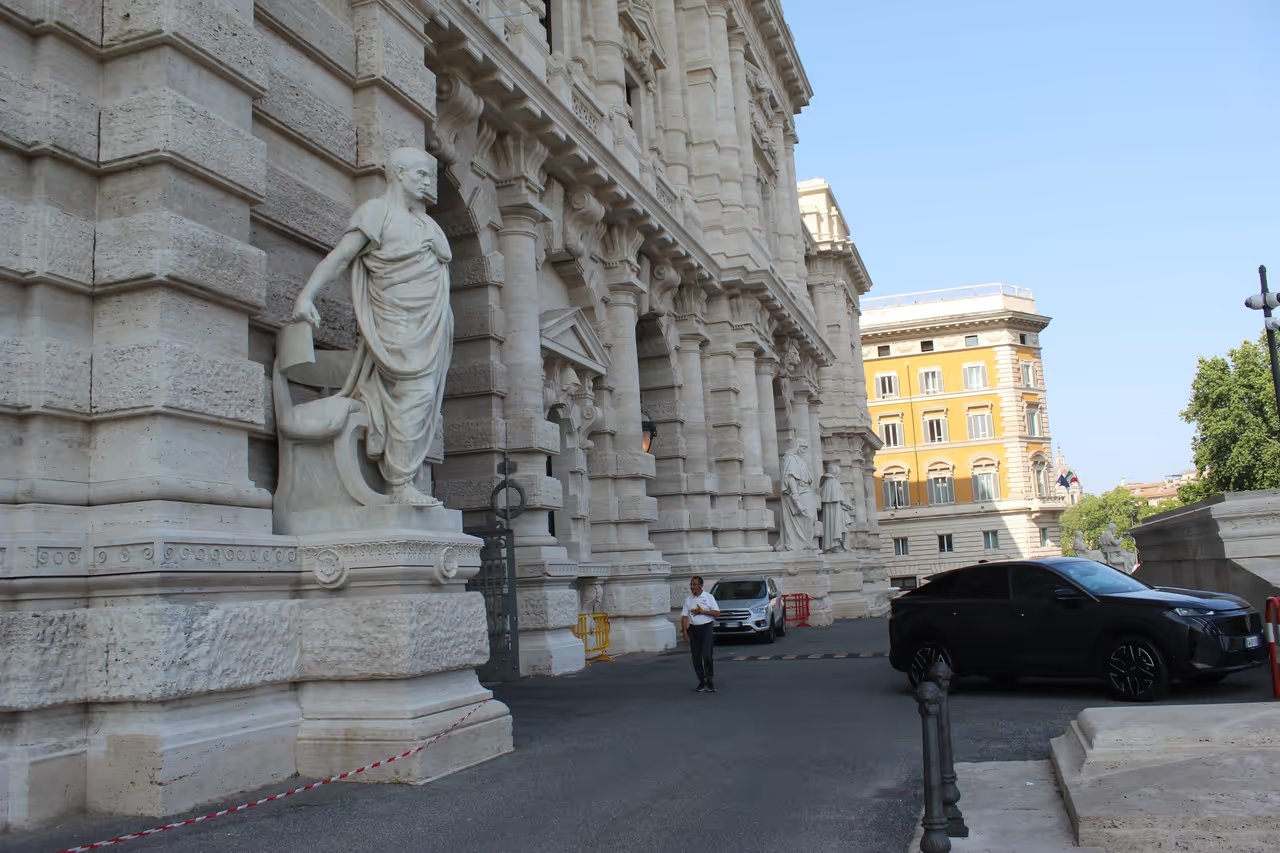
Palace of Justice
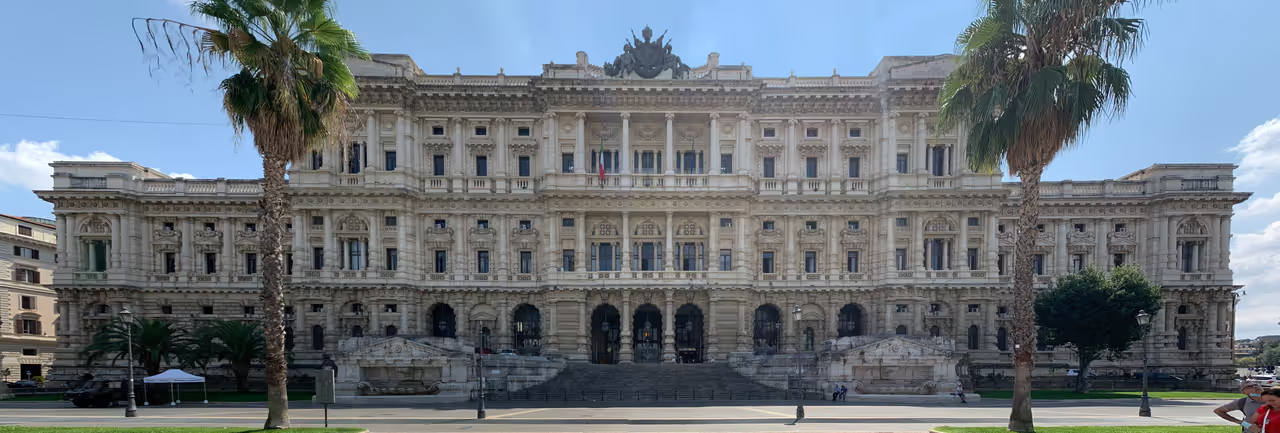
Dominating the banks of the Tiber in the Prati district, this colossal building houses the Supreme Court of Cassation. Constructed between 1889 and 1911, the structure is incredibly heavy and ornate, heavily adorned with statues, columns, and intricate travertine carvings. Its excessive decoration and massive scale led to serious foundation issues, causing it to slowly sink into the alluvial soil and requiring extensive rescue restorations. Roman locals mockingly refer to it as the 'Palazzaccio', or 'Ugly Palace', though its overwhelming scale is undeniably impressive.
architecture view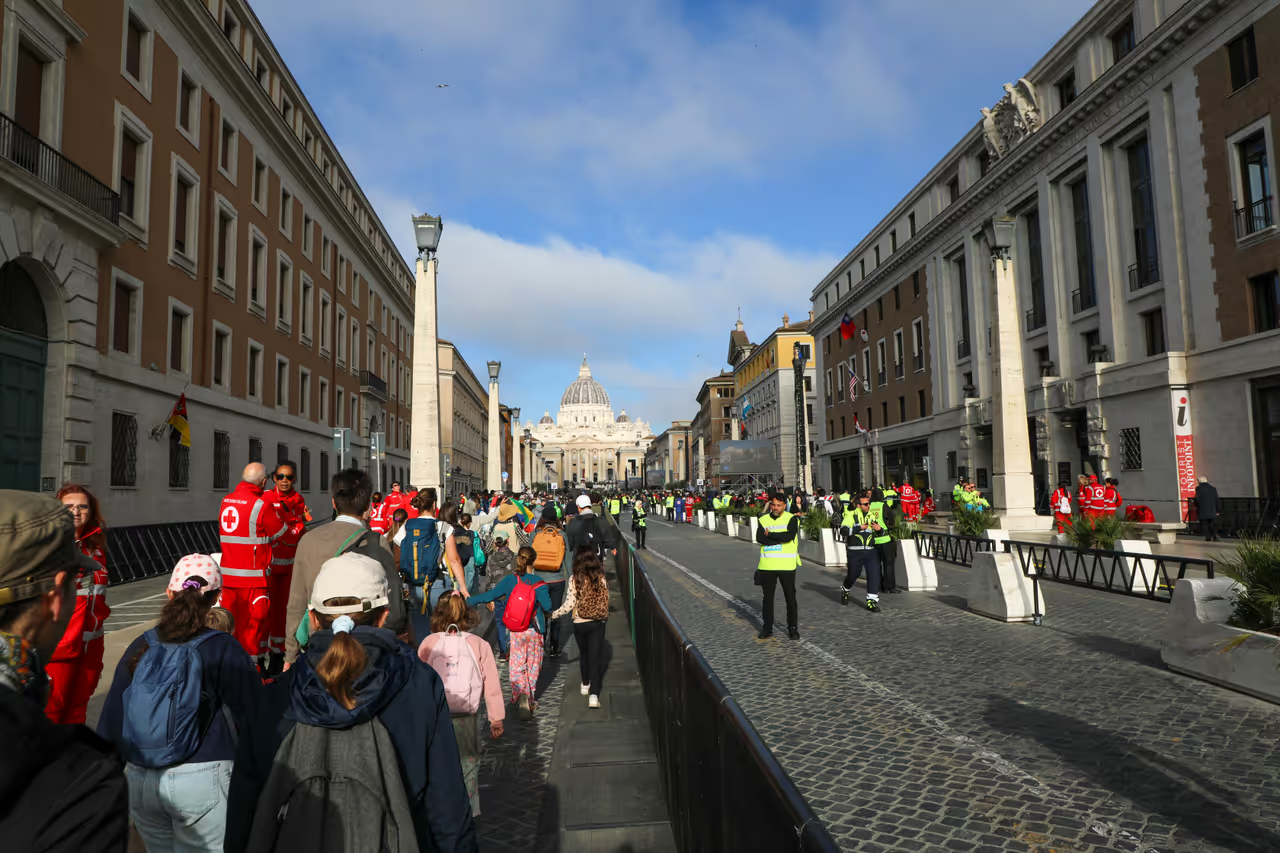 380m
Via della Conciliazione Vista
This wide, monumental boulevard was constructed specifically to create a grand, unobstructed sightline leading directly to St. Peter's Basilica. Standing at the eastern end of the street provides a spectacular, imposing perspective, framing the massive dome perfectly between the rows of ornate streetlamps and buildings. Nighttime photography here is exceptional, as the basilica is brilliantly floodlit, glowing warmly against the dark sky. Using a telephoto lens from this spot heavily compresses the distance, making the basilica look even more colossal.
photo spot view
Explore Similar Places in These Collections



Featured on These Itineraries and Routes
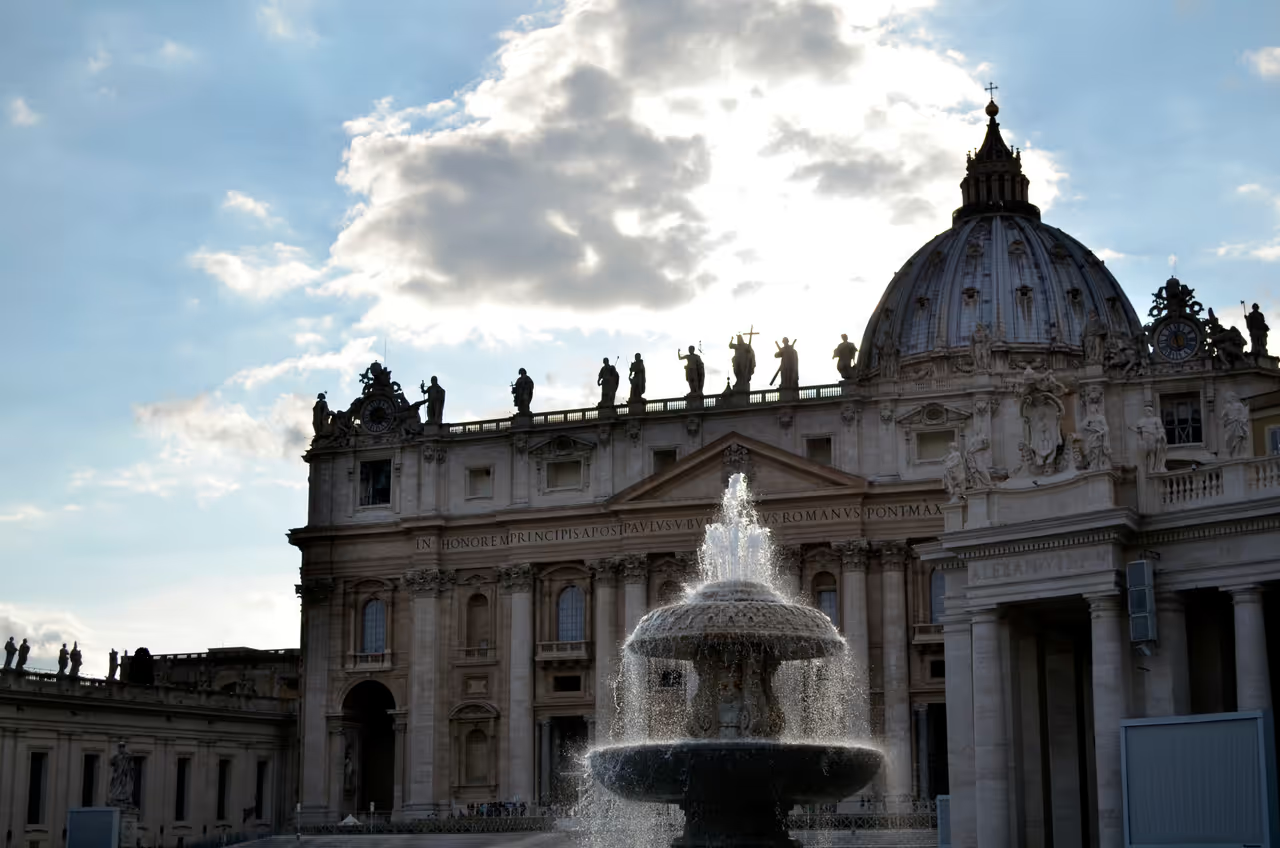
3 Days in Vatican City Itinerary
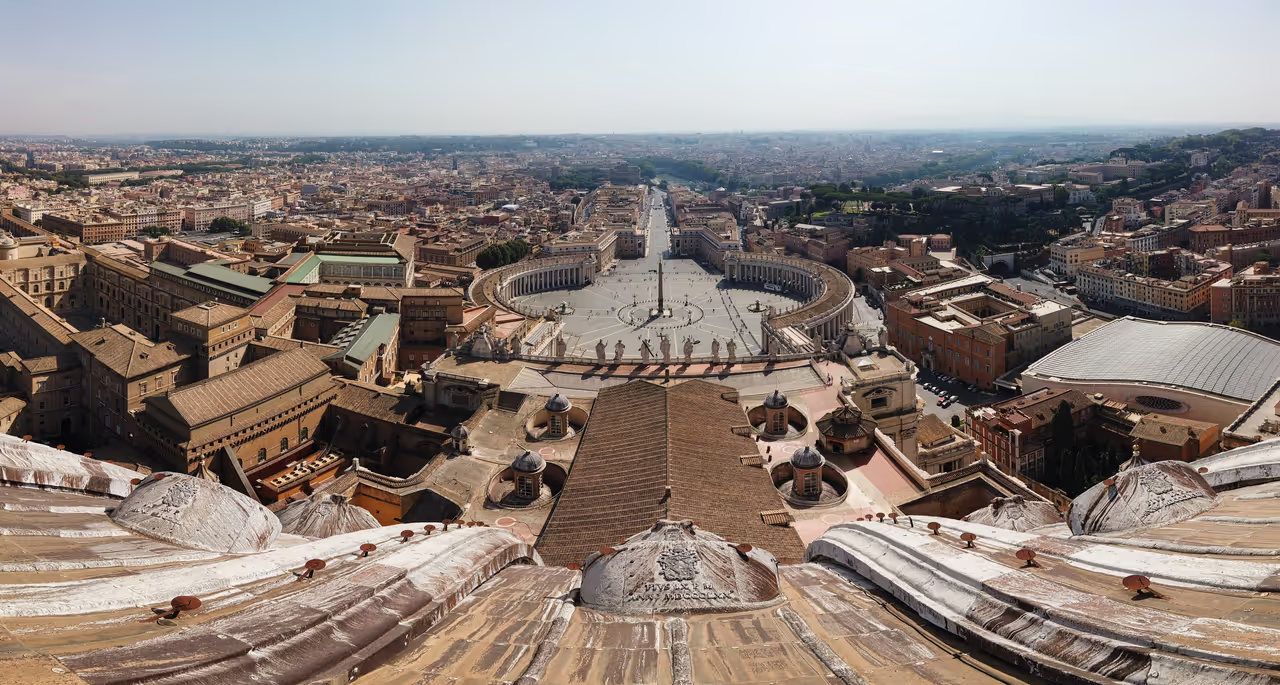
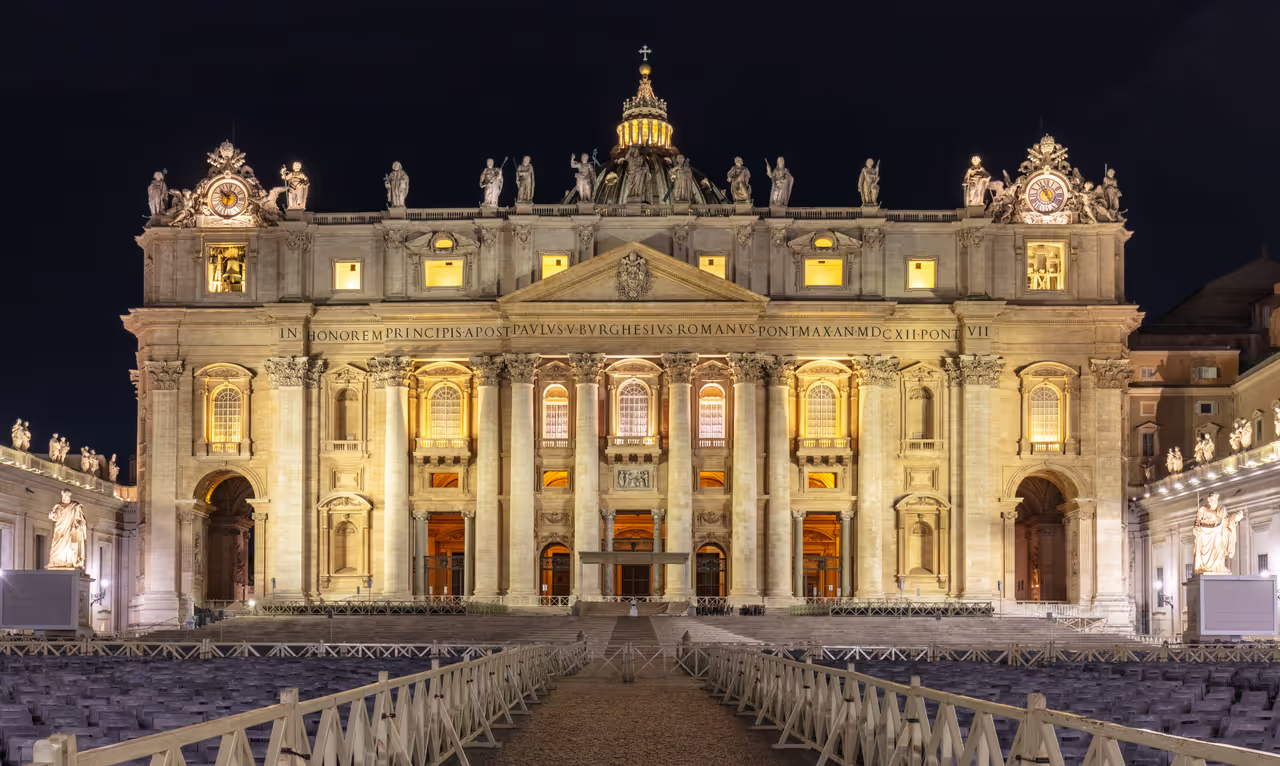
This balanced itinerary allows you to explore the Vatican without suffering from intense museum fatigue, breaking the major sights across three days. You will have time to delve deeper into specific artistic periods, uncover the ancient ruins beneath the basilica, and explore the military fortifications outside the walls. The pace allows for long, leisurely lunches in the nearby Prati or Borgo districts. It offers a comprehensive, highly satisfying exploration of papal history, art, and architecture.
view itinerary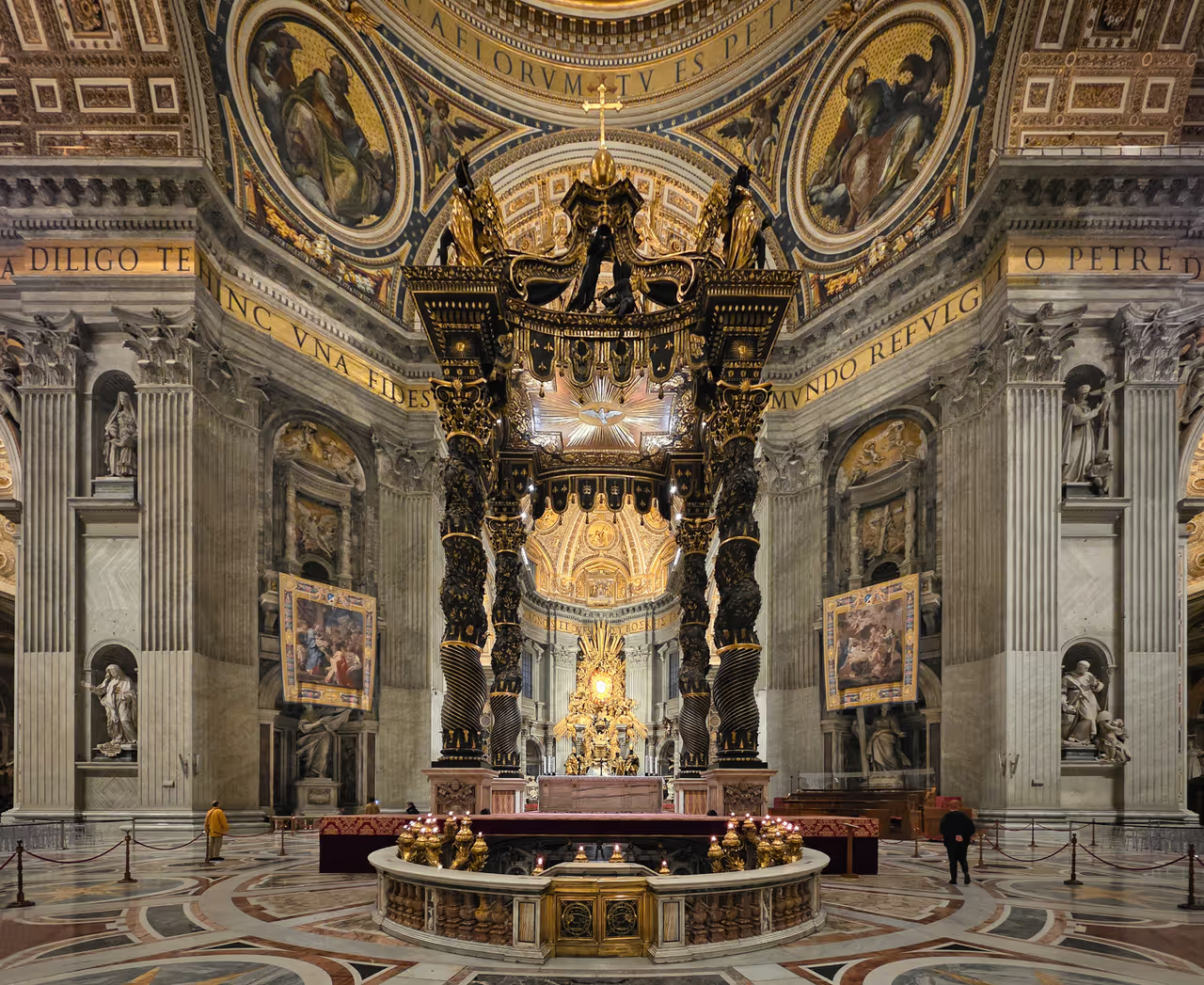
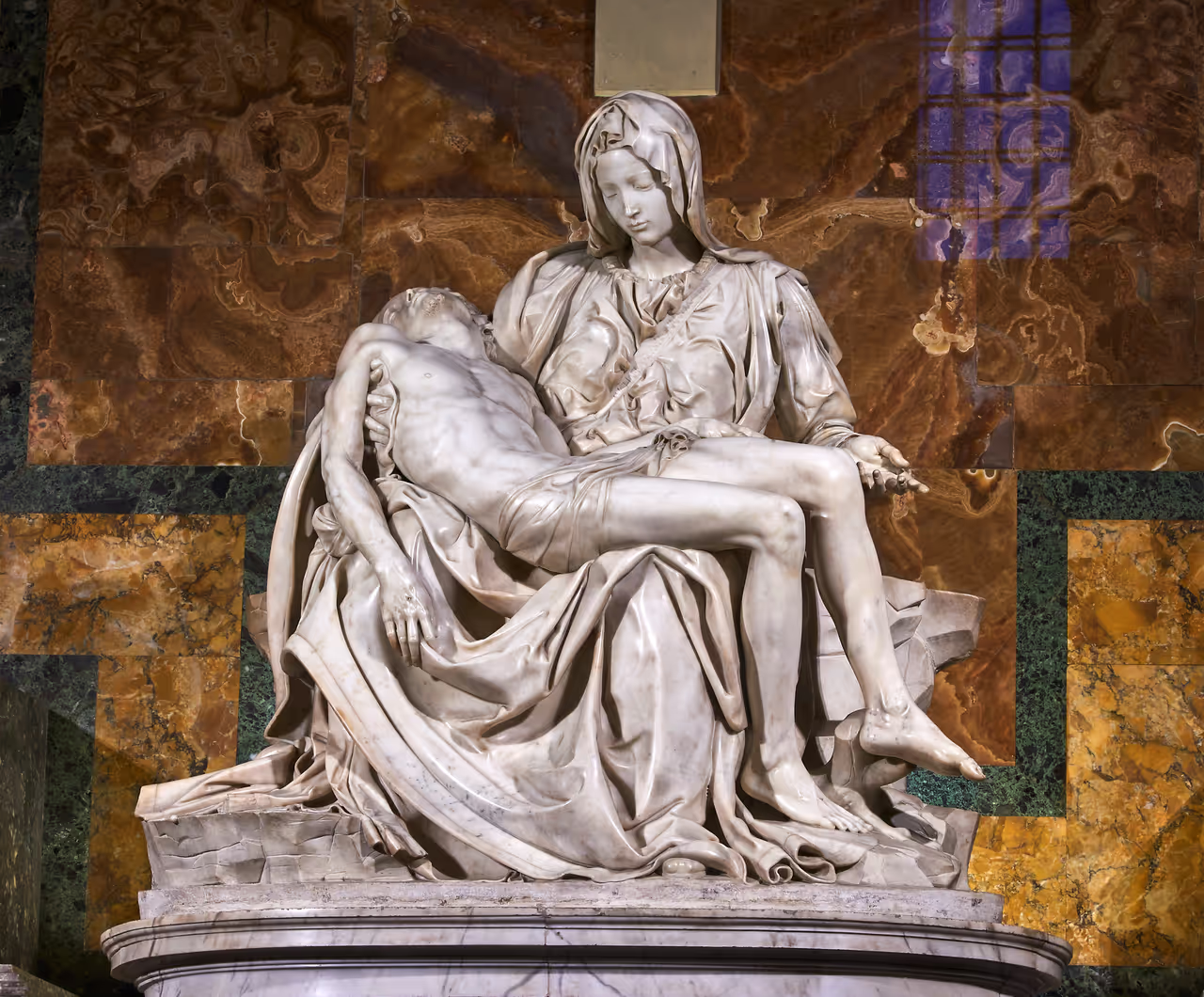
5 Days in Vatican City Itinerary
The ultimate deep dive into the smallest country on Earth and its immediate Roman surroundings. With five days, you can afford to linger on individual masterworks, explore the restricted lush gardens, and soak in the evening atmosphere of the elegant Prati district. This itinerary uncovers the hidden gems, the ancient fortifications, and the highest panoramic viewpoints. It is designed for serious lovers of history, providing an incredibly thorough and relaxing exploration of the entire area.
view itinerary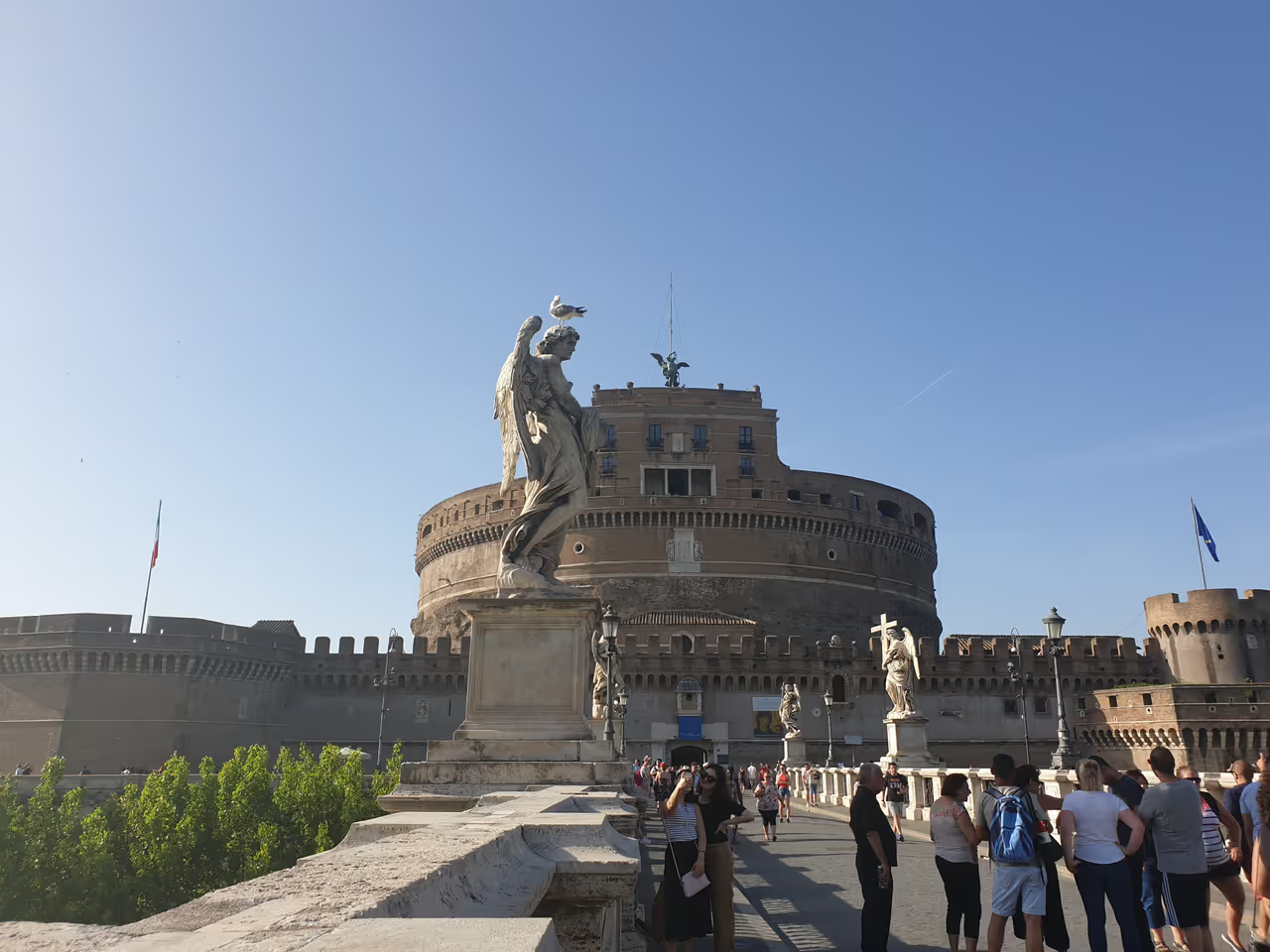
Tiber Riverbanks Ride
Cycle along the dedicated, sunken bike path that runs directly beside the flowing waters of the Tiber River, offering a traffic-free perspective of the city. As you pedal beneath the massive arches of Rome's historic bridges, you will pass incredible sights like the imposing cylindrical fortress of Castel Sant'Angelo. The path provides a cool, breezy escape from the street-level chaos, with the magnificent dome of St. Peter's occasionally peeking out above the tree line. It is a smooth, flat ride that perfectly marries natural river scenery with monumental architecture.
view cycling route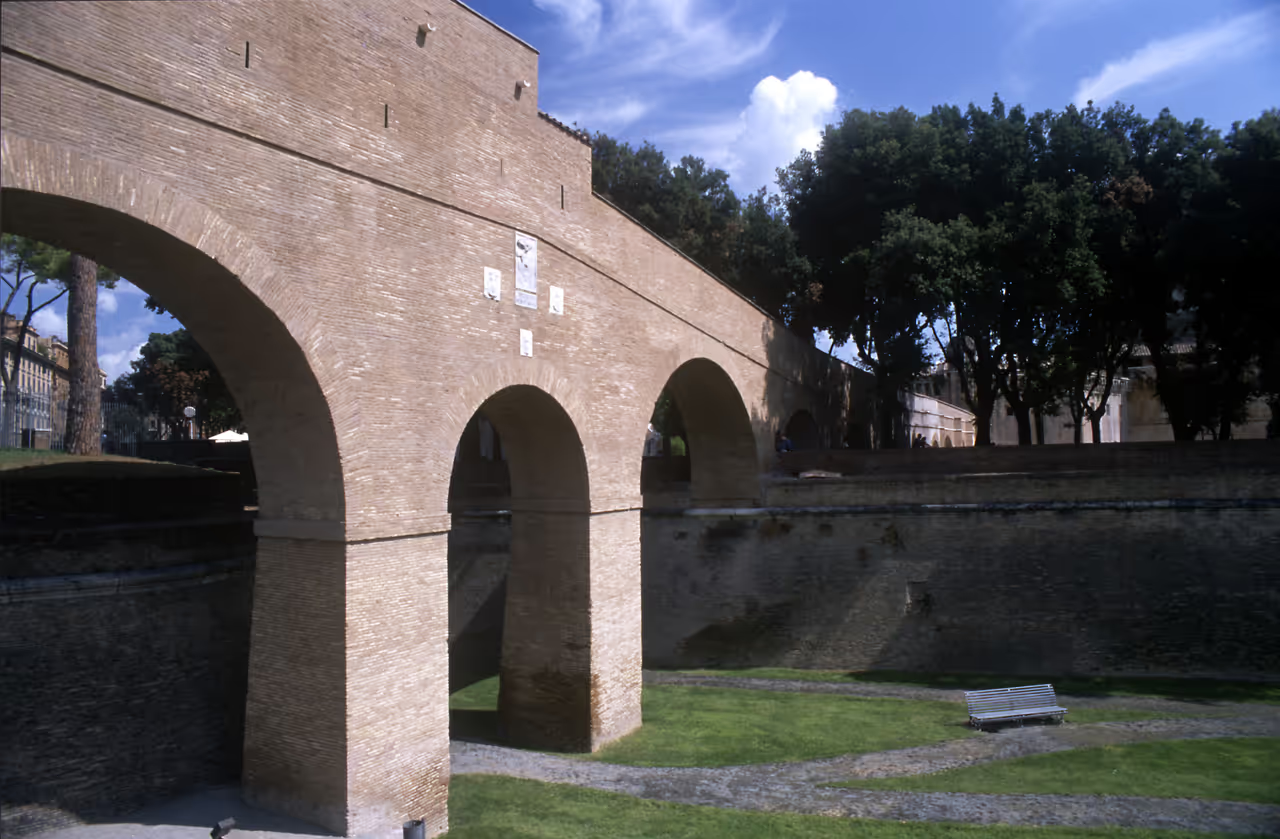
Fortress and Shadows Stroll
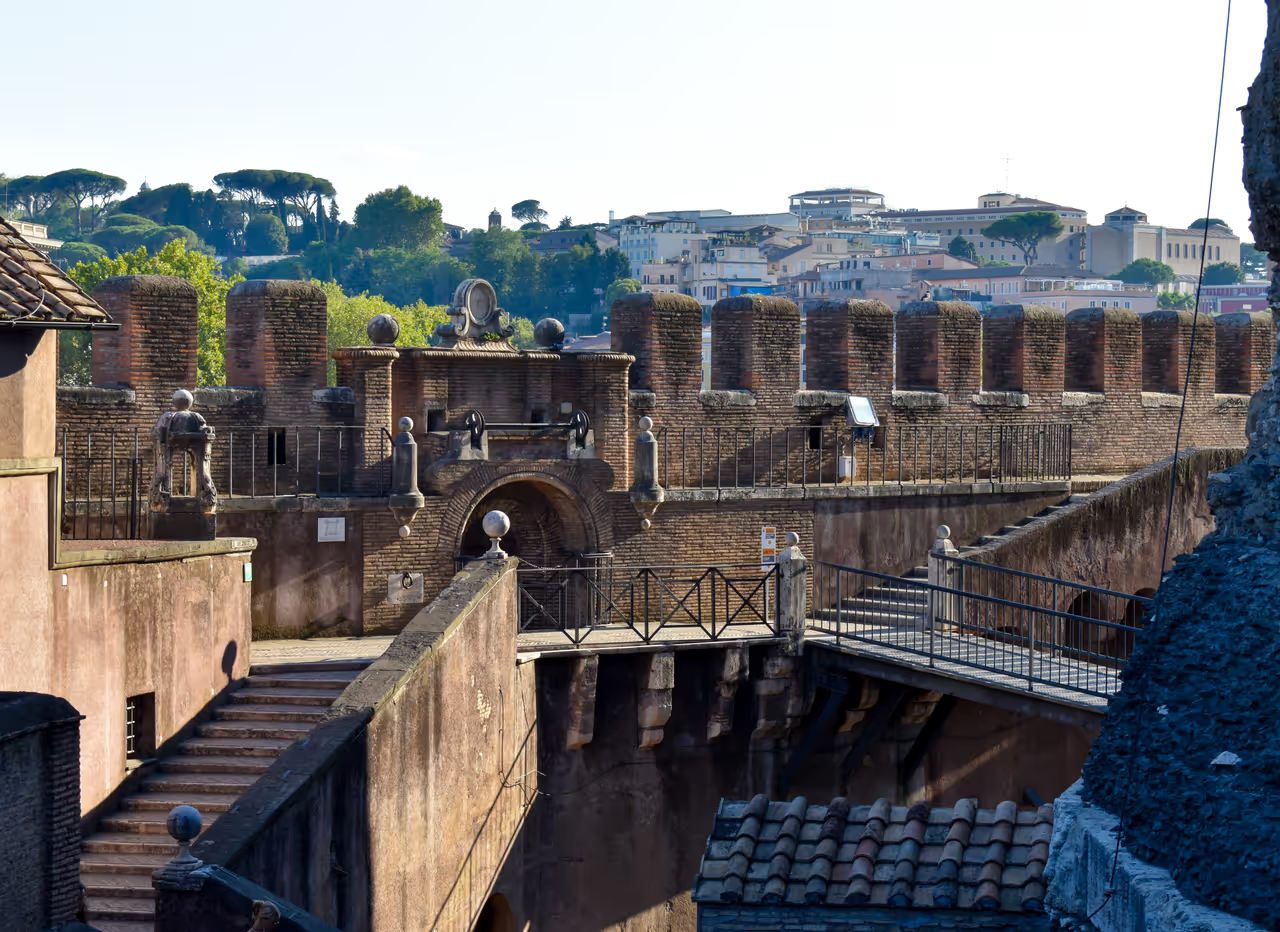
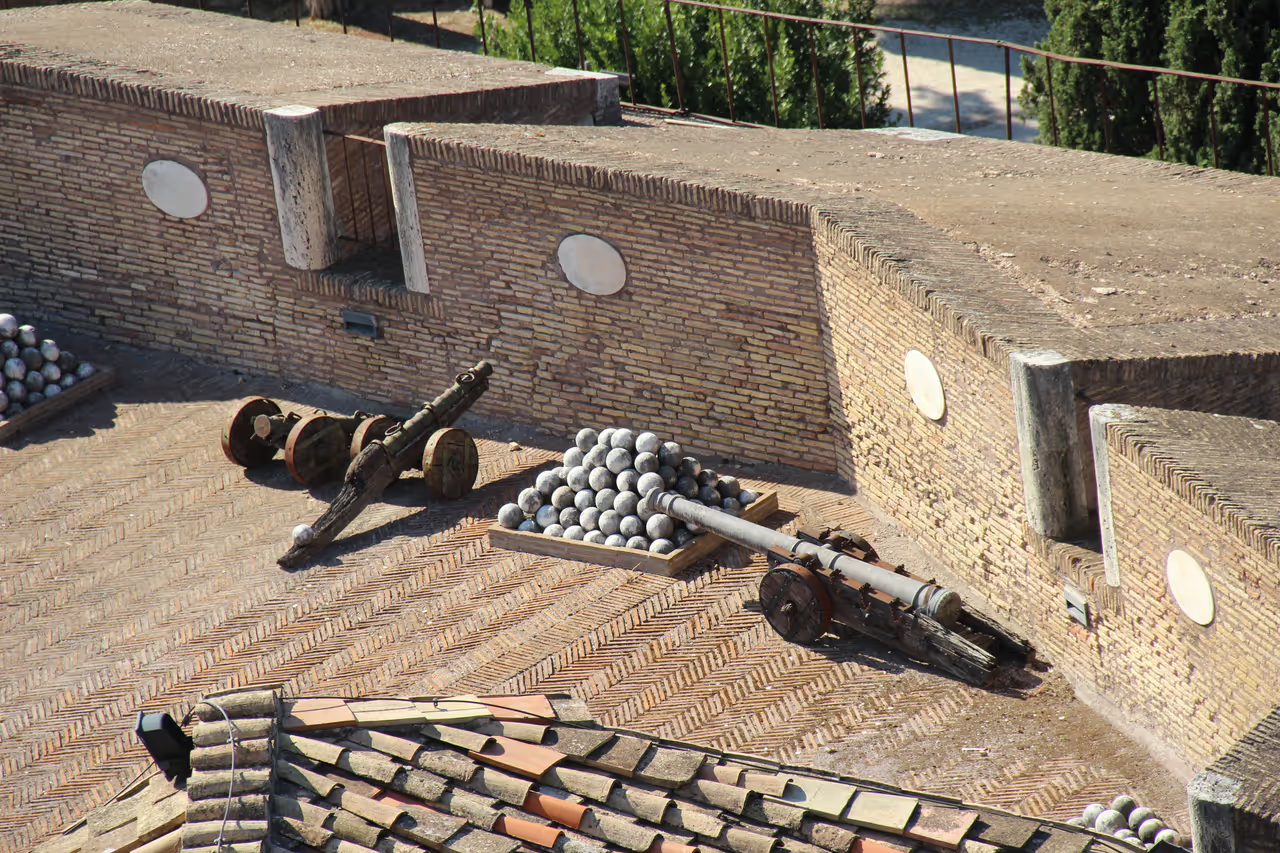
Trace the historic path of the fortified escape route that connects the Vatican Palace to the safety of Castel Sant'Angelo. Walking along the streets of Borgo Pio parallel to this ancient elevated wall, you will pass charming traditional eateries and quiet medieval corners. The looming presence of the fortress ahead creates a sense of historical drama, recalling times when popes fled for their lives during invasions. It is an evocative stroll that highlights the militaristic and secretive aspects of papal history.
view walking route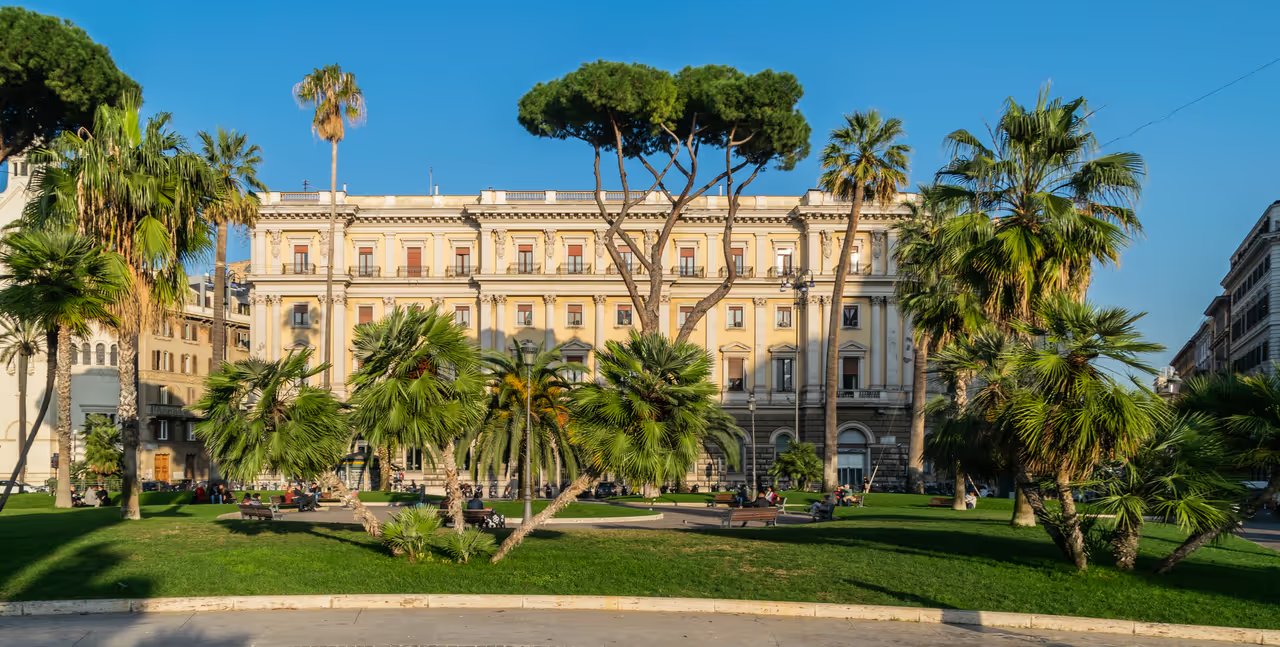
Prati Elegance Stroll
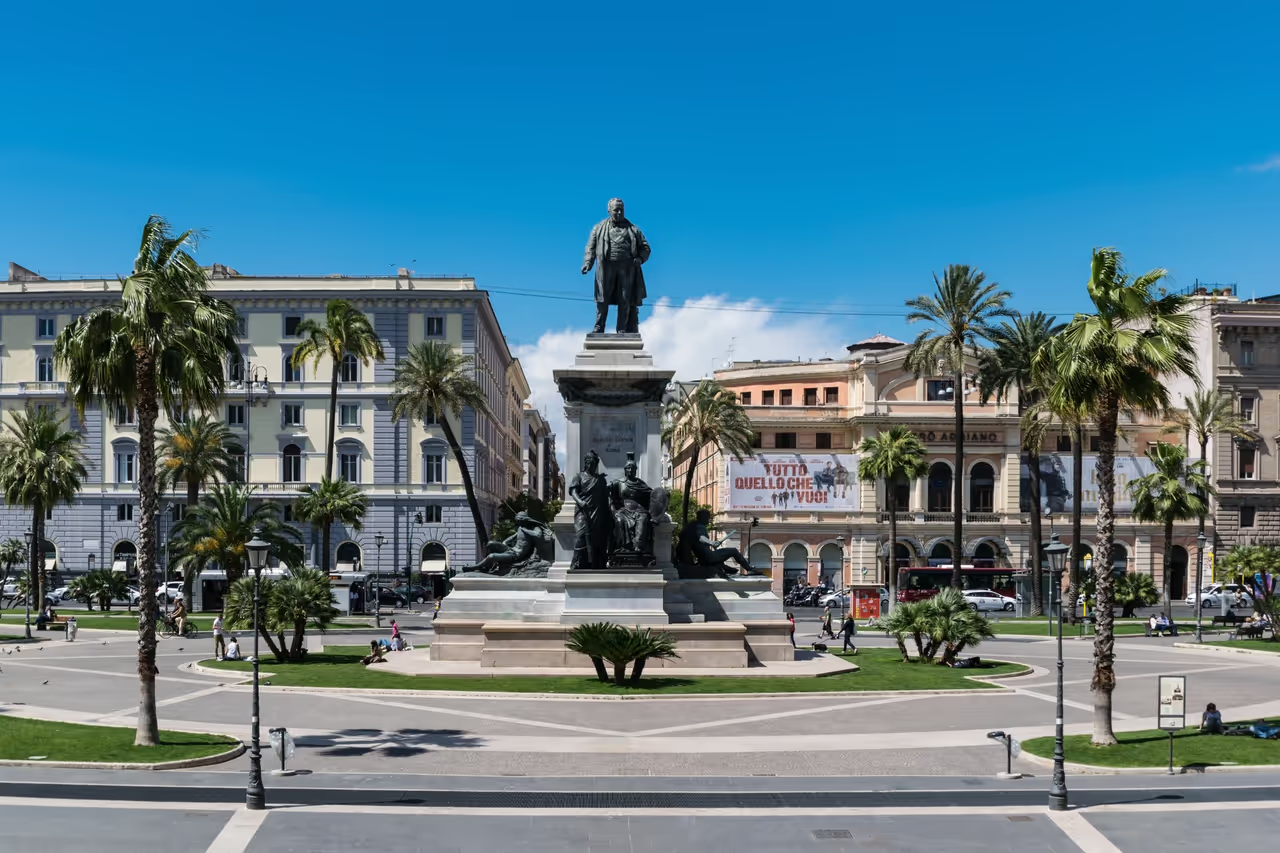
Explore the orderly, upscale grid of the Prati district, a stark contrast to the winding medieval alleys found elsewhere in Rome. This stroll takes you past elegant late-19th-century palazzos, high-end boutiques, and broad, tree-lined avenues designed for the city's rising bourgeoisie. You will meander through beautifully landscaped squares and past imposing civic structures, soaking in a more modern, affluent Roman atmosphere. It is the perfect walk for window shopping, people-watching, and discovering excellent local bistros.
view walking route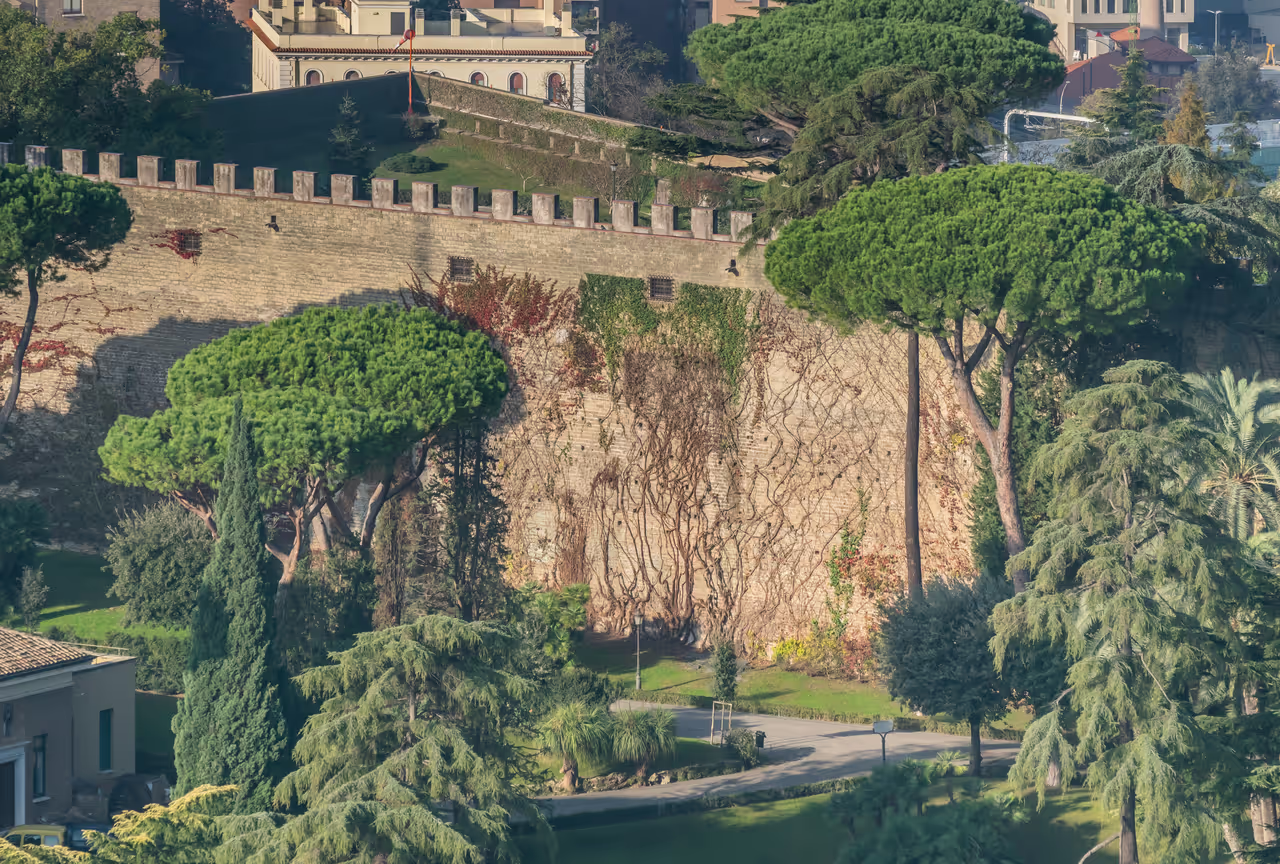
Fortress and Defence Tour
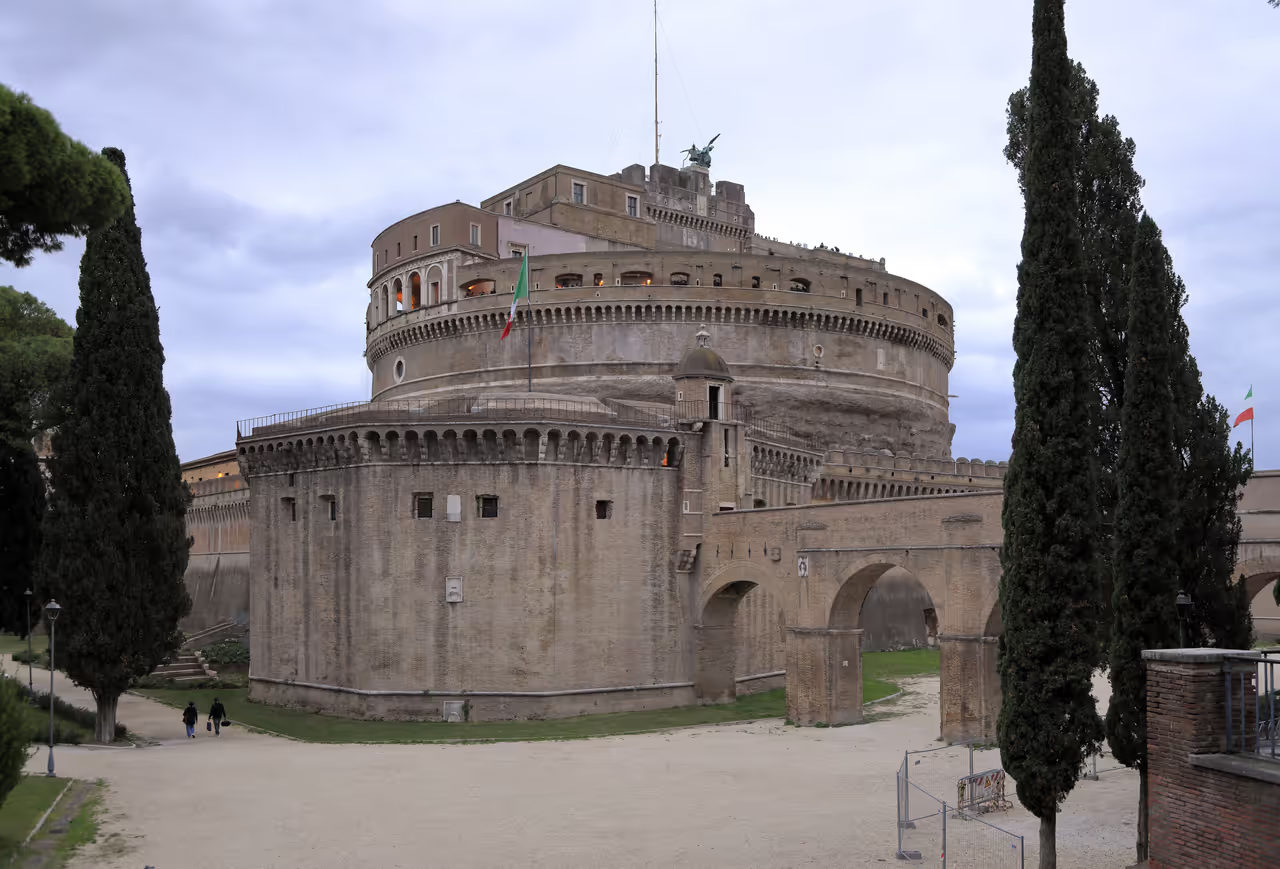
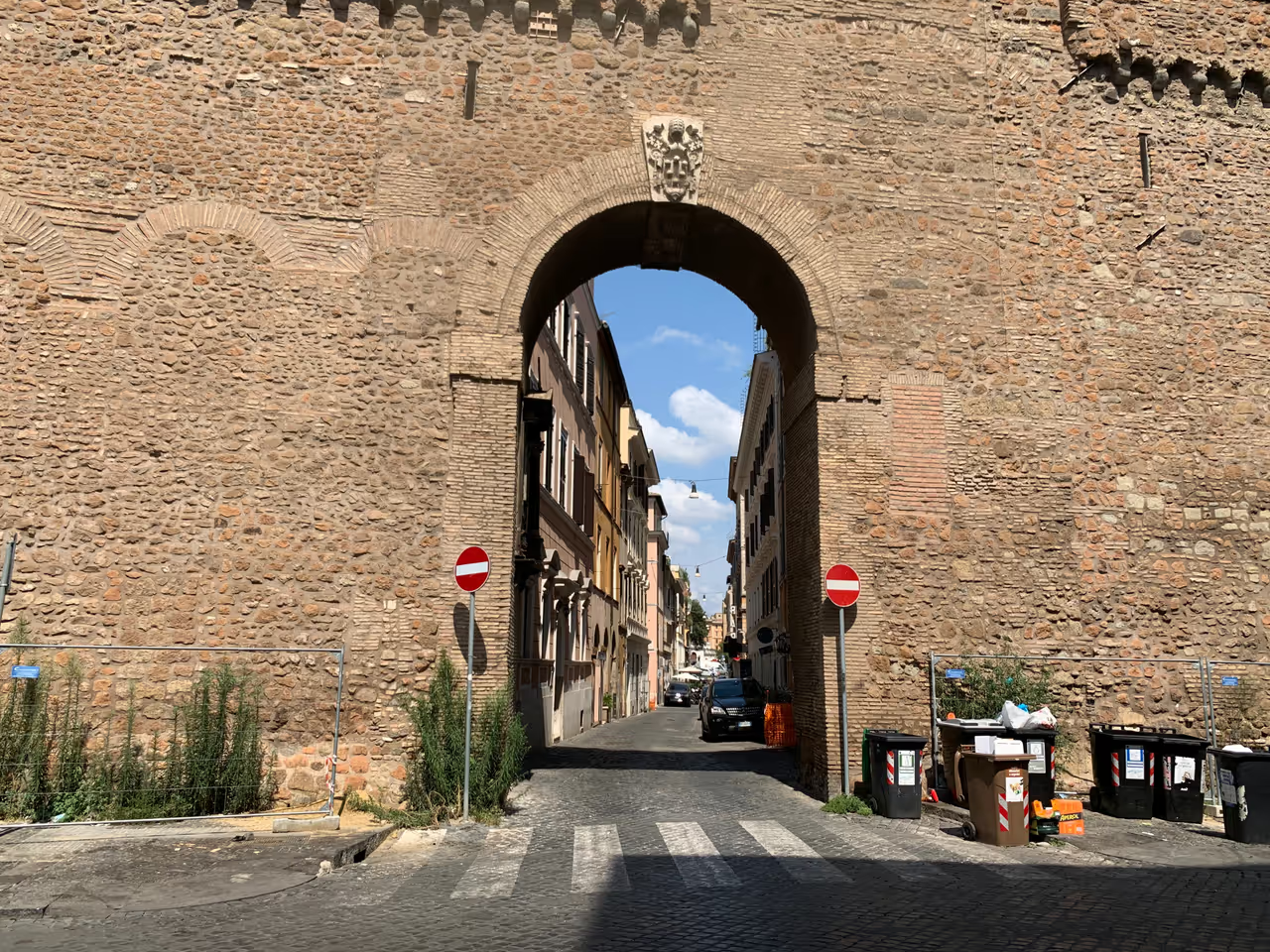
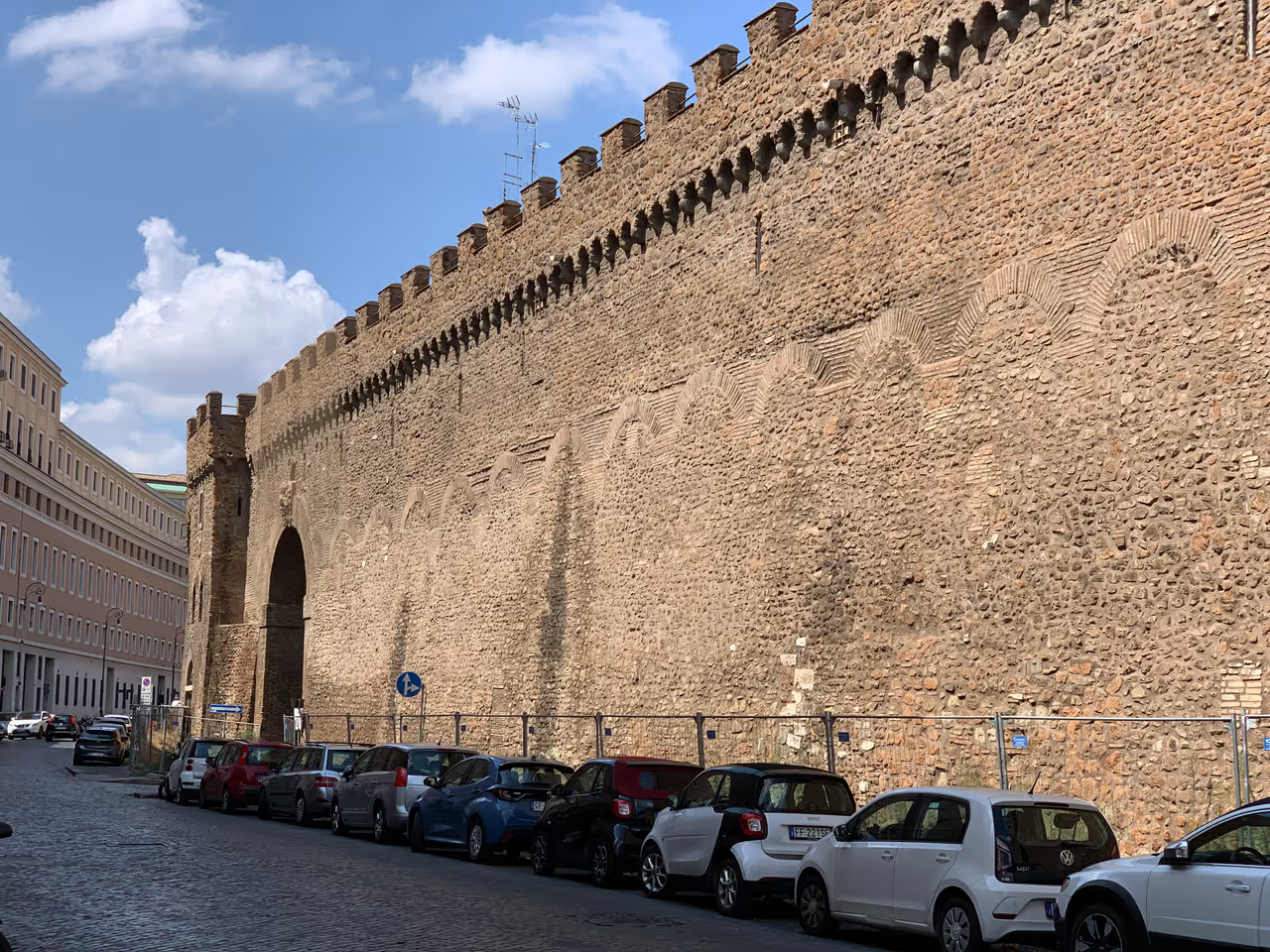
Explore the militarised, rugged history of the papacy by tracing the formidable defences designed to protect the popes from siege and sack. The narrative focuses on the turbulent Middle Ages and Renaissance, periods when the Holy See was heavily involved in bloody geopolitical conflicts. You will follow the elevated escape route that saved a pope's life and explore the colossal cylindrical fortress that served as a refuge, a prison, and a treasury. The tour highlights the stark contrast between the Vatican's spiritual mission and its brutal history of survival.
view self-guided tour
See all parks & nature in Vatican City
Including Vatican Gardens, Monte Mario