Monte Mario
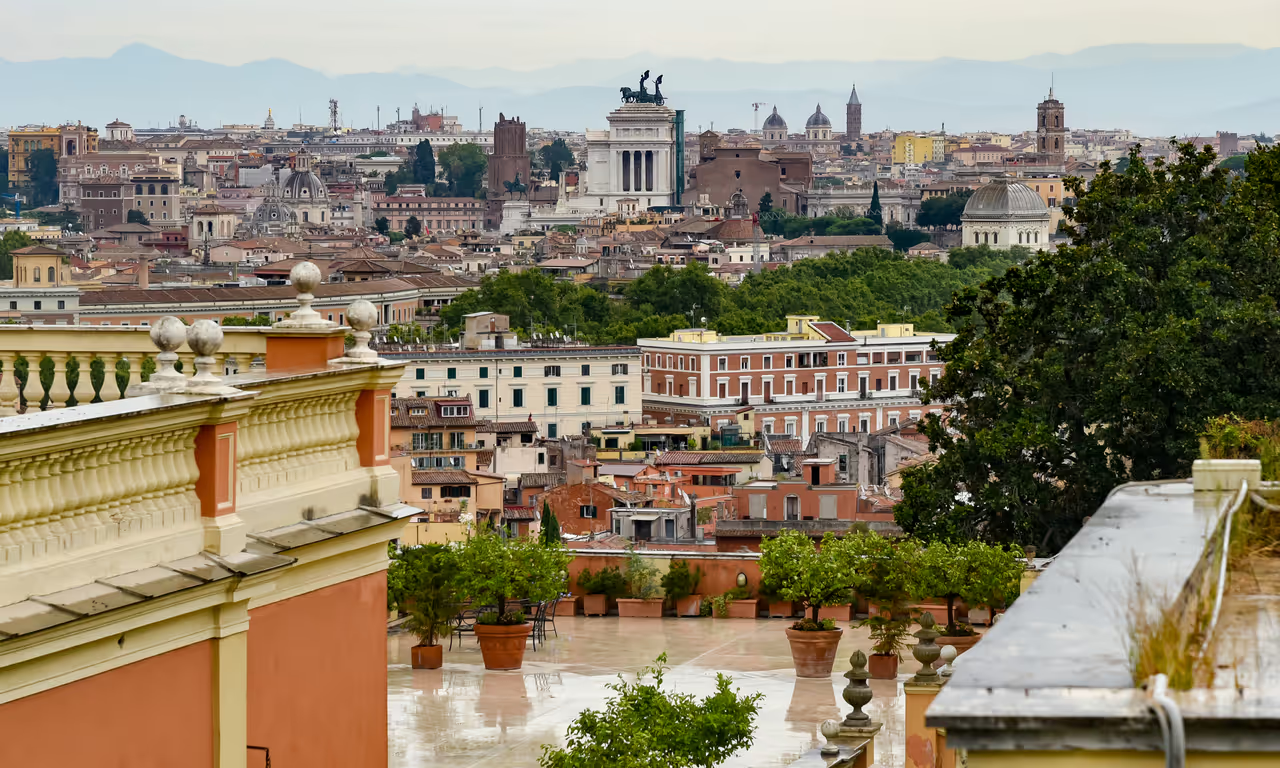
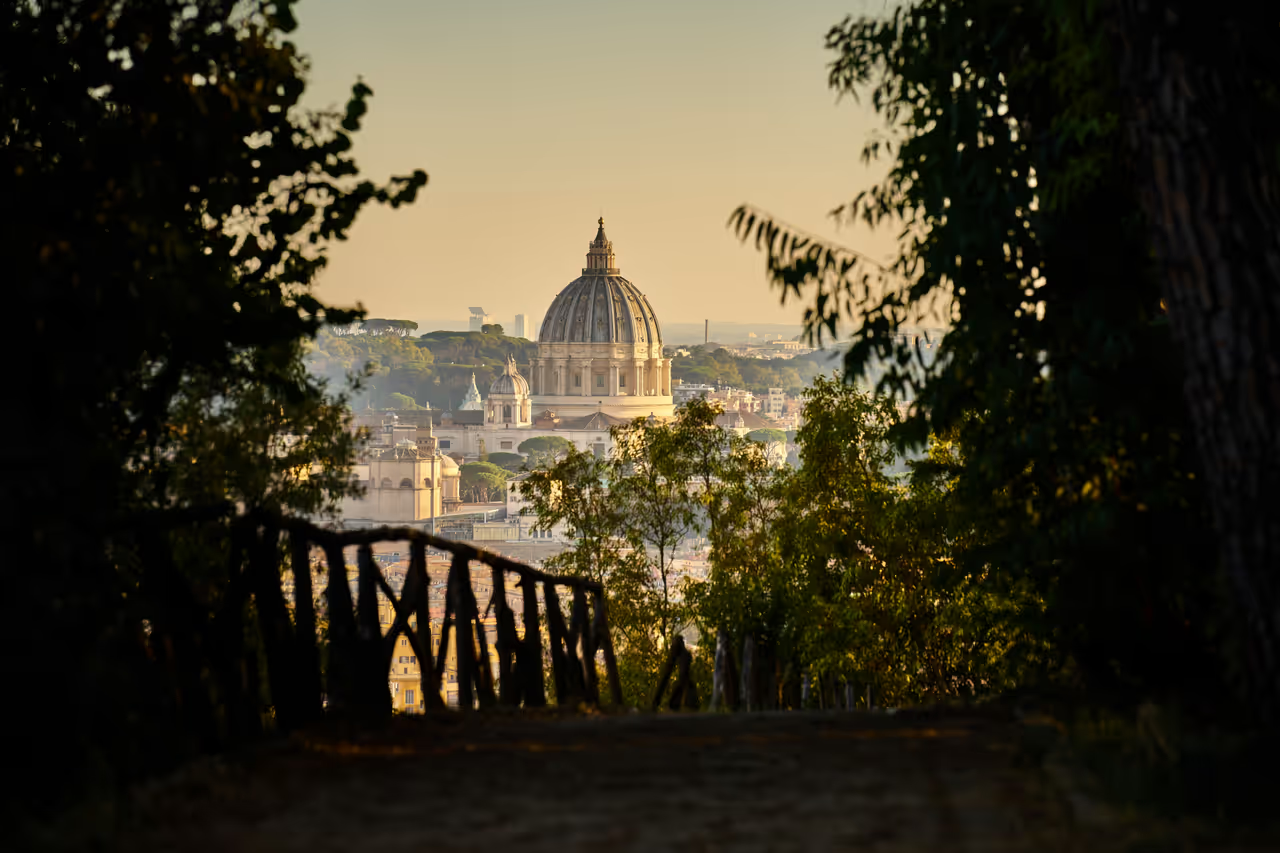
Rising above the Eternal City as its highest point, Monte Mario offers an unparalleled vantage point that has captivated travellers for millennia. This lush, elevated escape invites visitors to wander through peaceful nature reserves and discover historic villas that whisper tales of ancient Romans and medieval pilgrims. Whether you are strolling along the scenic Parco Lineare or admiring the city from the legendary Lo Zodiaco viewpoint, the atmosphere here is one of serene discovery. It is a place where nature meets heritage, providing a refreshing contrast to the frantic energy of central Rome. Plan a visit to experience the perspective that inspired poets and emperors alike, offering a side of the capital often missed by the typical tourist trail.
Videos
History of Monte Mario
Monte Mario stands as the silent sentinel of Rome, rising higher than any of the legendary seven hills that define the ancient city centre. While the historic core buzzes with the clamour of tourists and traffic, this elevated ridge has served for centuries as a sanctuary of perspective. In the ancient world, it was a tactical high ground, a place where armies camped and where the wealthy built villas to escape the summer heat. Yet, its most poetic identity emerged during the Middle Ages. As pilgrims trudged along the Via Francigena from the far reaches of Europe, their first glimpse of the eternal city from this very ridge filled them with such profound relief and wonder that they christened it the Mountain of Joy. This name was not mere hyperbole but a testament to the emotional journey that culminated at its peak. The history of the hill is stitched together with the intellectual and artistic fabric of Italy. During the Renaissance, the slopes became a canvas for the most celebrated minds of the age, with villas like Villa Madama rising under the guidance of Raphael. The hill also became a bridge between the earth and the heavens, hosting the Astronomical Observatory of Rome for much of the modern era. Within the walls of Villa Mellini, scientists charted the stars and defined the very coordinates of the Italian nation. The legacy of the hill is not one of static stone, but of a changing landscape that has continuously adapted to the needs of the city, transitioning from a place of military forts and royal retreats to a centre for scientific discovery and spiritual reflection. Today, the character of Monte Mario is defined by its ability to merge its storied past with the needs of contemporary Rome. The once vital railway tracks that carved through the hillside have been reclaimed by nature and community, reborn as the Parco Lineare, a lush green corridor that invites residents to reclaim their city as a space for leisure and movement. From the golden statue of the Madonna that watches over the urban sprawl to the quiet remains of ancient villas, the hill reminds those who visit that Rome is more than just ruins and museums. It is a living, breathing landscape, and Monte Mario offers the perfect vantage point to appreciate the complexity and endurance of the city below.
events spanning 2764 years
Fun Facts
8- 01
Archaeological excavations revealed a fortified village dating back to the eighth century BC, complete with a necropolis that suggests this land was contested territory long before the founding of the city as we know it today.
- 02
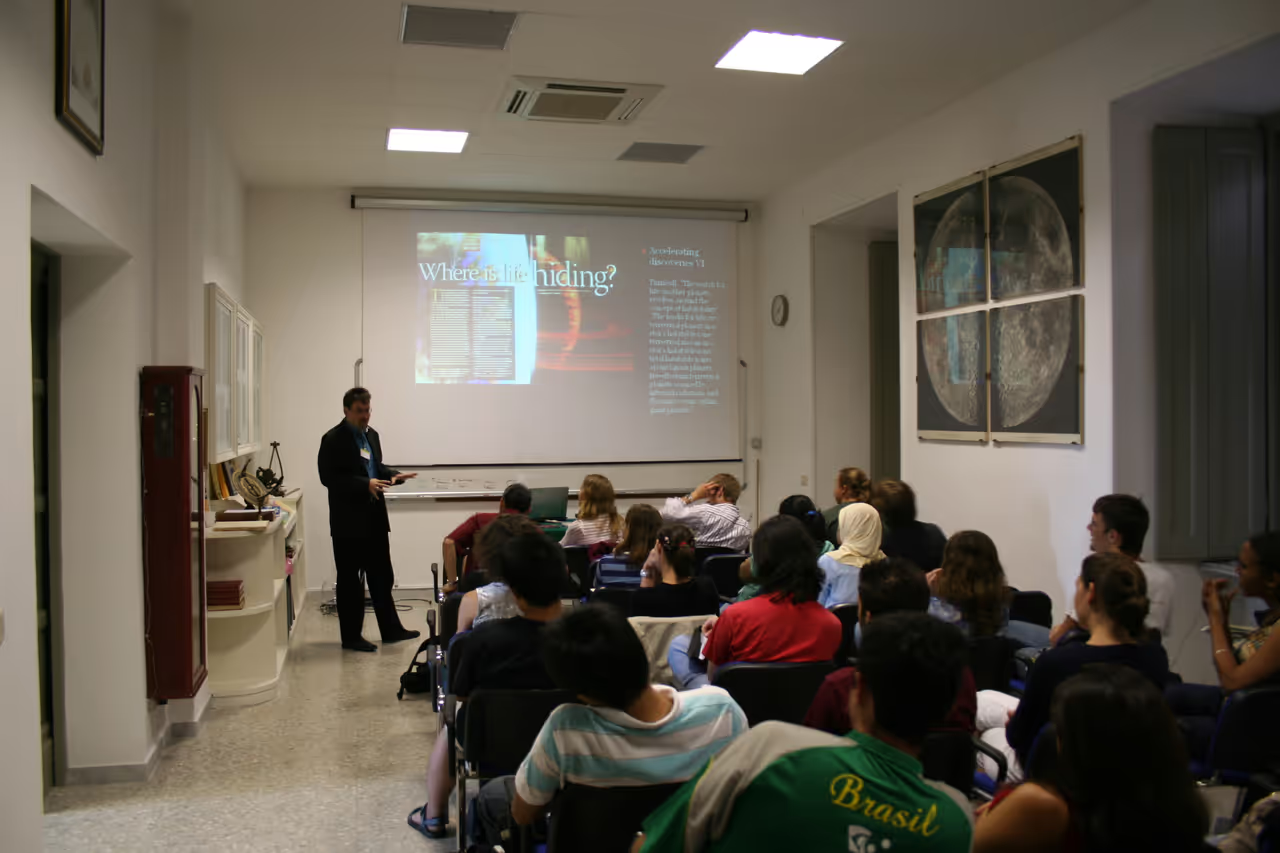
Astronomers once relied heavily on this hill, as the observatory hosted within the historic Villa Mellini served as a vital centre for celestial observation until the turn of the millennium.
- 03
During the civil war between Mario and Silla, the hill played a strategic role as the military camp of the consul Lucius Cornelius Cinna, an event that some historians believe influenced the very name of the site.
- 04
In an unusual historical footnote, the tomb of a young girl named Minicia Marcella was unearthed here in 1881, revealing a touching story of loss and grief documented by the Roman author Pliny the Younger nearly two thousand years ago.
- 05
The hill is deeply connected to Roman geography, as it serves as the primary geodetic reference point for the national mapping projection known as Roma 40.
- 06
The hill was once known to medieval pilgrims as Mons Gaudii or the Mountain of Joy, because seeing Rome from its summit meant their long and arduous journey had finally come to an end.
- 07
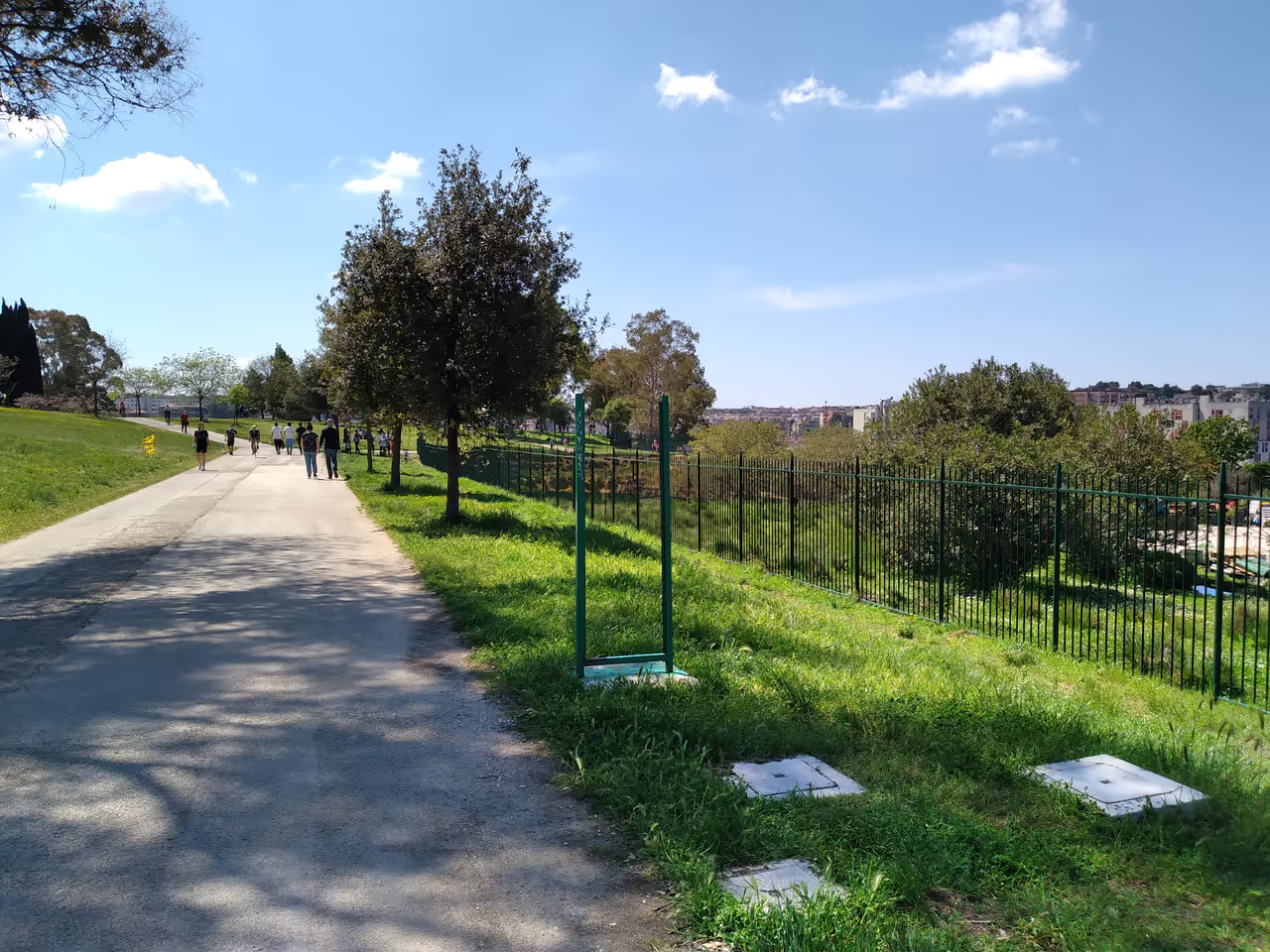
The hill's modern identity is tied to the Parco Lineare, a four kilometre long green corridor built upon the old railway tracks that allows cyclists and pedestrians to traverse the area with ease.
- 08
Villa Miani, a neoclassical gem atop the hill, gained cinematic fame as the setting for the memorable dinner party scene in the iconic Italian comedy film The Second Tragic Fantozzi.
FULL PLACE DETAILS
OVERVIEW & STATS
- Elevation
- 139 m
Monte Mario Map & Neighborhood Explorer
This interactive map is centered on Monte Mario. Zoom in and move the map around to automatically discover Wikipedia photos and summaries of other nearby sights, monuments, and historical points of interest and stories in real-time!
Monte Mario FAQ
It is widely considered one of the finest viewpoints in the capital, especially from the terrace at Lo Zodiaco, offering a sweeping panorama of the city that is hard to beat.
The area is very accessible, particularly with the Parco Lineare which provides a gentle gradient for walkers and cyclists to enjoy the surroundings without strenuous effort.
Medieval pilgrims arriving in Rome from the north would see the city for the first time from this vantage point, marking the glorious end of their pilgrimage and prompting them to name it the Mountain of Joy.
The closest place to visit near Monte Mario is Franchi Gastronomy, around 1.9 km away. Other things to do near Monte Mario include Vatican Post Office (2 km), Vatican Picture Gallery (2 km) and Via Cola di Rienzo Evening Scene (2.1 km). All of these are within roughly 2.1 km of Monte Mario.
While we strive to keep this information accurate and up to date, we recommend verifying any details independently before making decisions based on them.
Places near Monte Mario
Make the most of your trip. Check out these top-rated spots located nearby.
- 1867m
Franchi Gastronomy
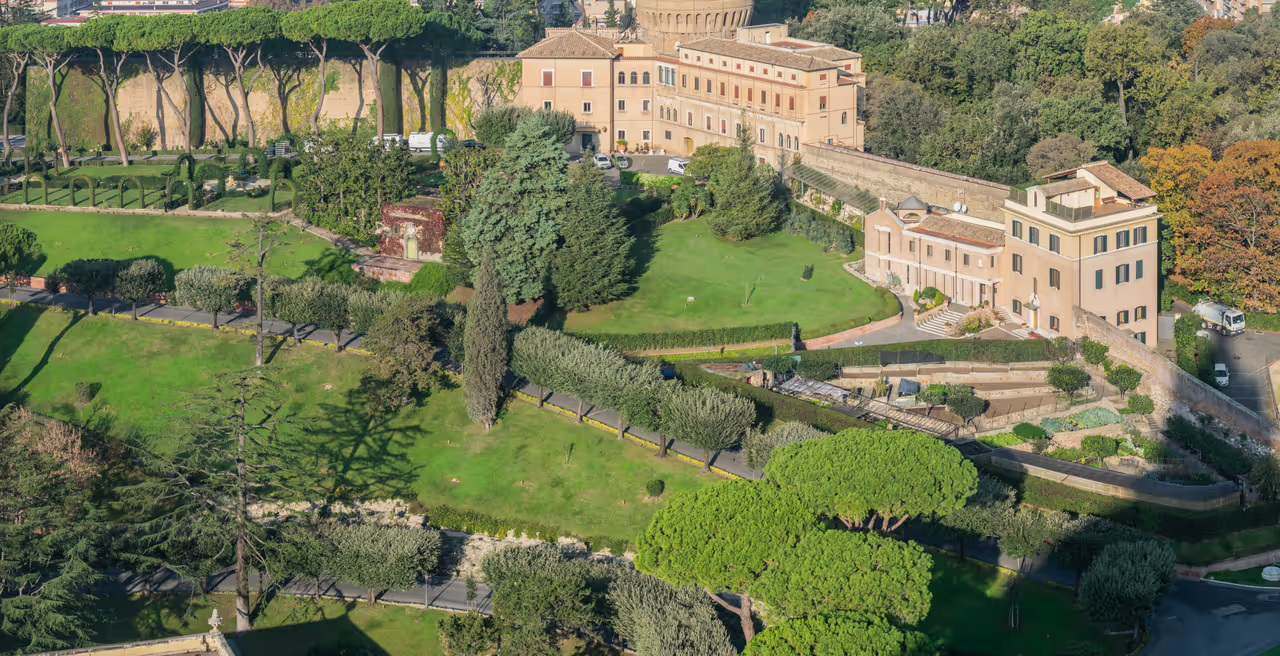
Situated right next door to Castroni, Franchi operates as an upscale deli and gourmet market renowned for its extraordinary assortment of cheeses, cold cuts, and prepared foods. The glass counters display a mouth-watering array of traditional Roman dishes, perfect for assembling a luxurious picnic to eat by the Tiber. You can grab a quick, delicious bite standing at the counter, surrounded by hanging prosciuttos and the rich aromas of Italian cooking. It is a beloved local staple in the Prati district for those who appreciate fine gastronomy.
market view 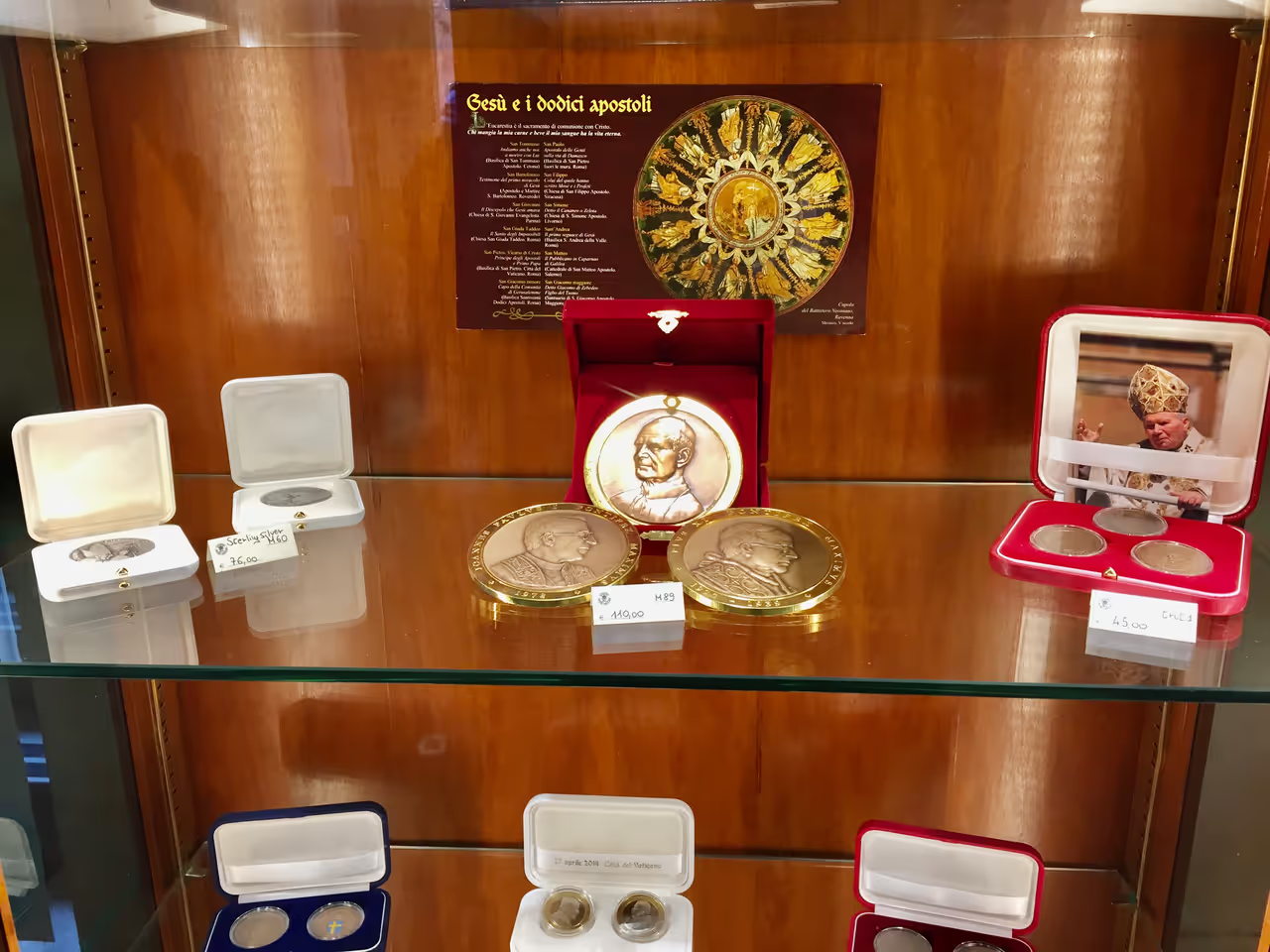 1989m
Vatican Post Office
Operating directly adjacent to St. Peter's Square, this is the main branch of the Vatican's highly efficient, independent postal service. Founded in 1929, the service is renowned by Romans and tourists alike for outperforming the notorious Italian postal system. The interior is bustling and highly functional, where you can purchase beautiful, limited-edition Vatican stamps that are highly prized by philatelists worldwide. Dropping a postcard into the bright yellow pillar boxes ensures it will be stamped with the unique Vatican postmark. It is a wonderfully interactive, incredibly cheap way to engage with the sovereignty of the microstate.
hidden gem view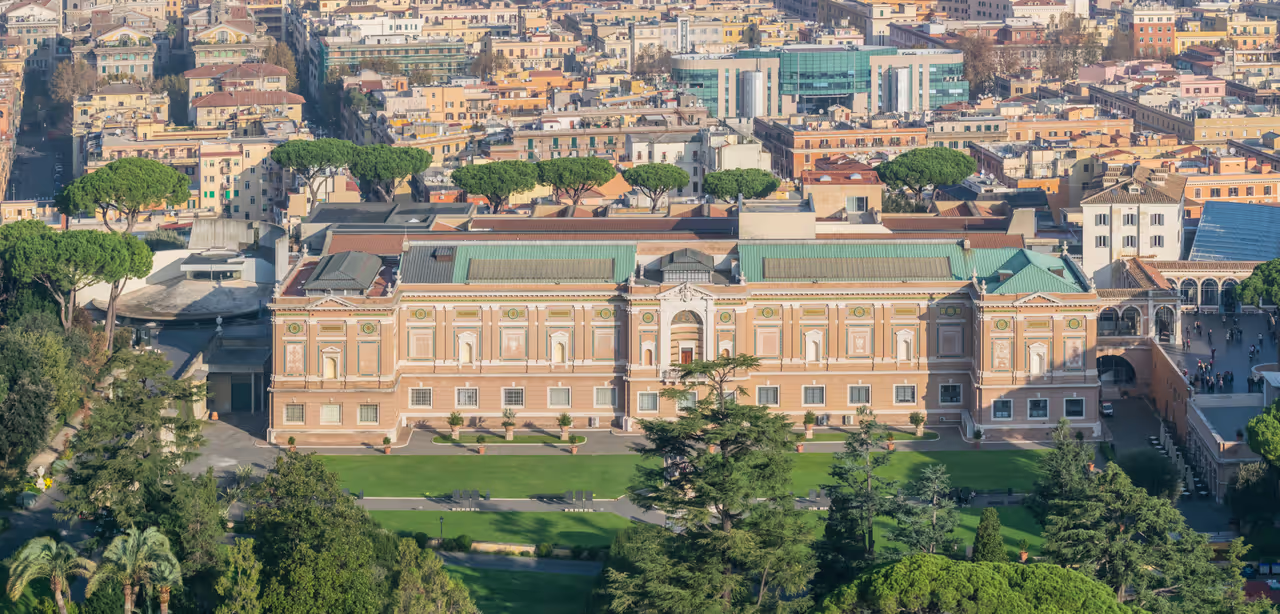 2044m
Vatican Picture Gallery
Often overlooked by visitors rushing toward the Sistine Chapel, the Pinacoteca houses a spectacular collection of paintings assembled by various popes over the centuries. Displayed across eighteen spacious, well-lit rooms, the gallery boasts masterworks from the greatest names in Italian art history. Highlights include Raphael's stunning 'Transfiguration', Caravaggio's dramatic 'Entombment of Christ', and the unfinished 'St. Jerome in the Wilderness' by Leonardo da Vinci. It provides a quieter, highly rewarding environment to appreciate brilliant canvases without the overwhelming crowds found in the museum's narrow corridors. It is an absolute must-visit for serious lovers of classical painting.
highlight view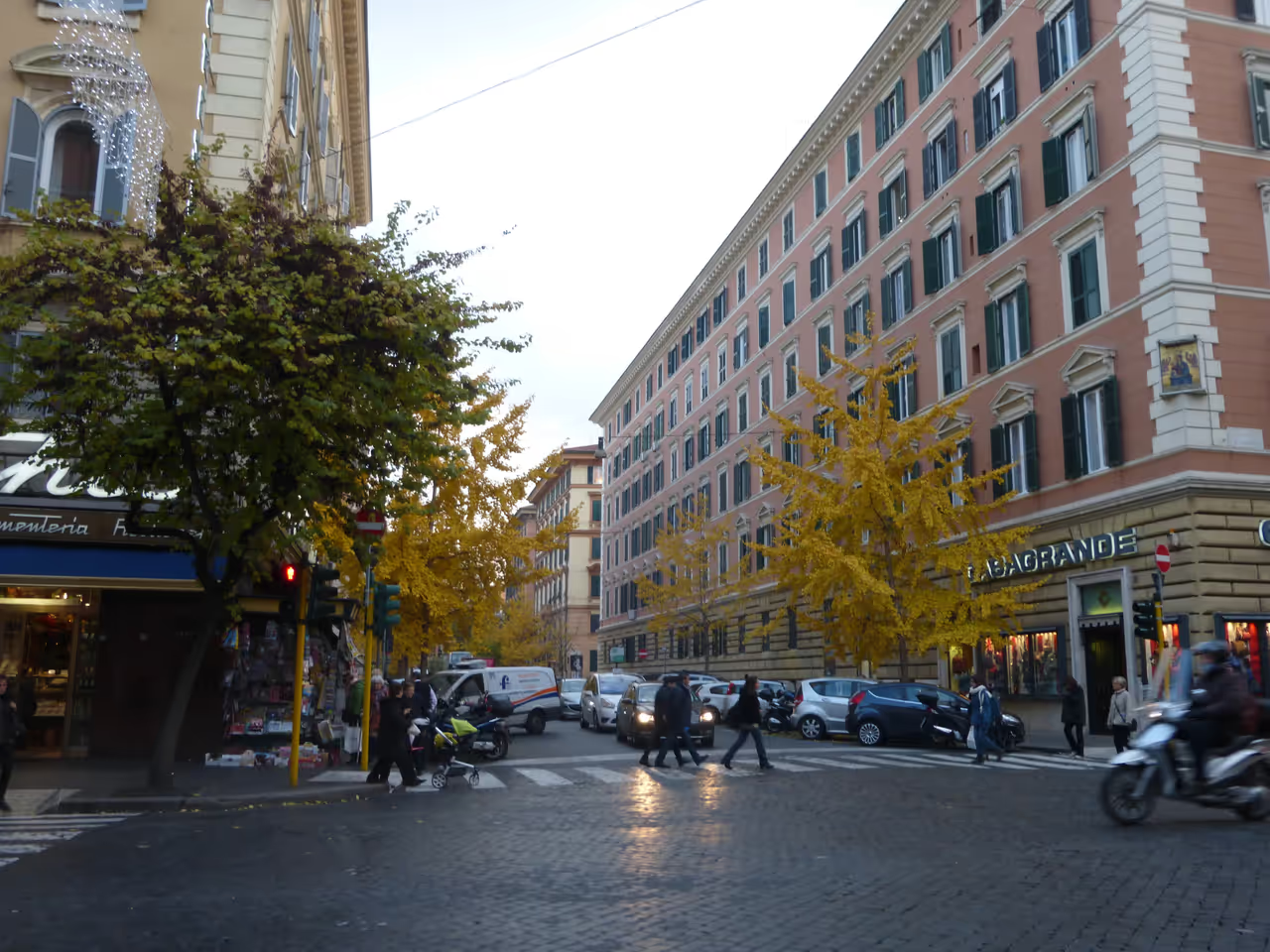 2055m
Via Cola di Rienzo Evening Scene
By day, this is one of Rome's premier shopping streets, but by night, its side streets come alive with culinary and drinking delights. Small bistros and modern bars open their doors to locals looking for high-quality food paired with excellent drinks. It bridges the gap between upscale dining and casual evening drinks seamlessly. Walking down the illuminated boulevard offers a romantic and vibrant taste of modern Roman life.
nightlife view
Explore Similar Places in This Collection
Featured on These Itineraries and Routes
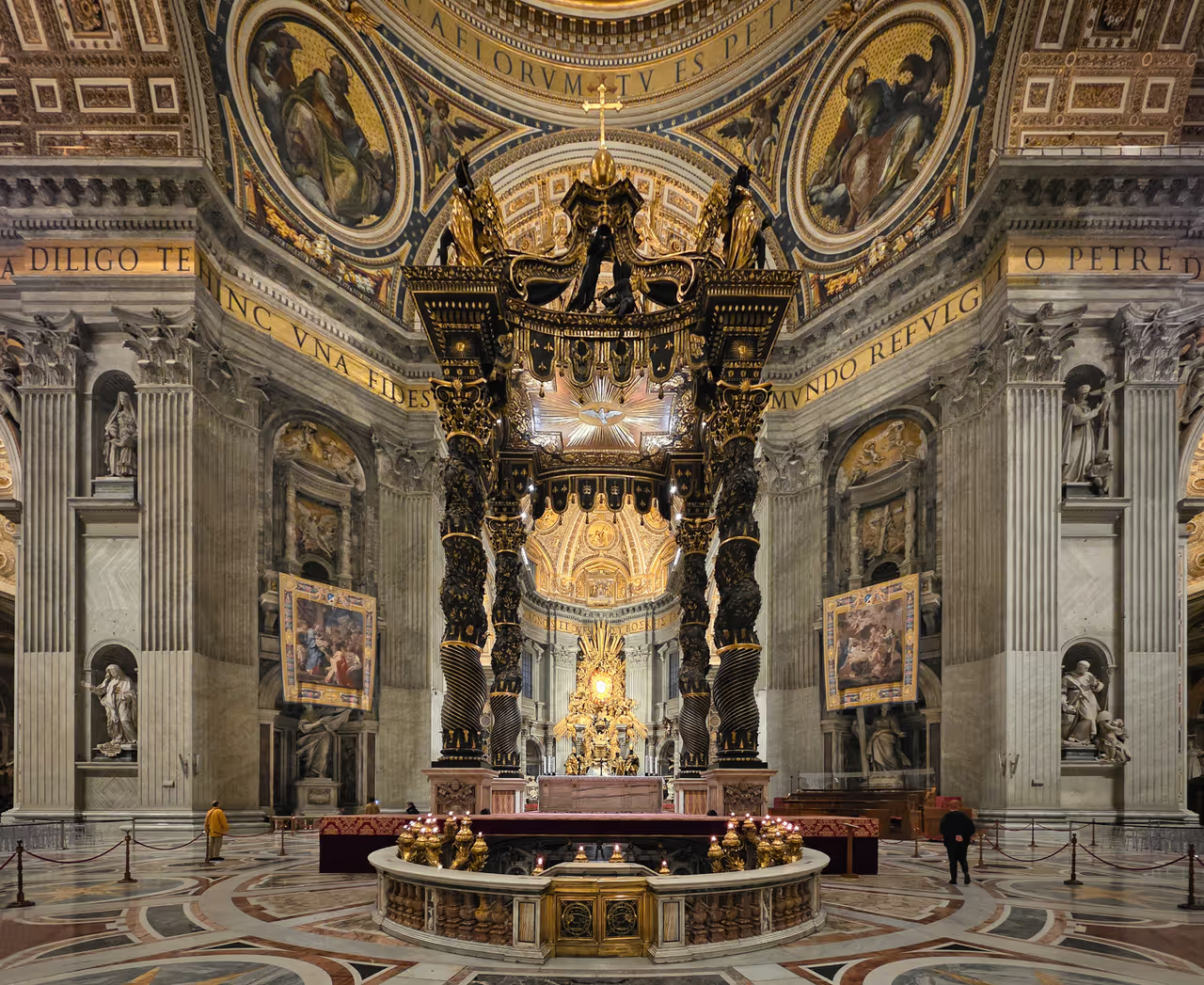
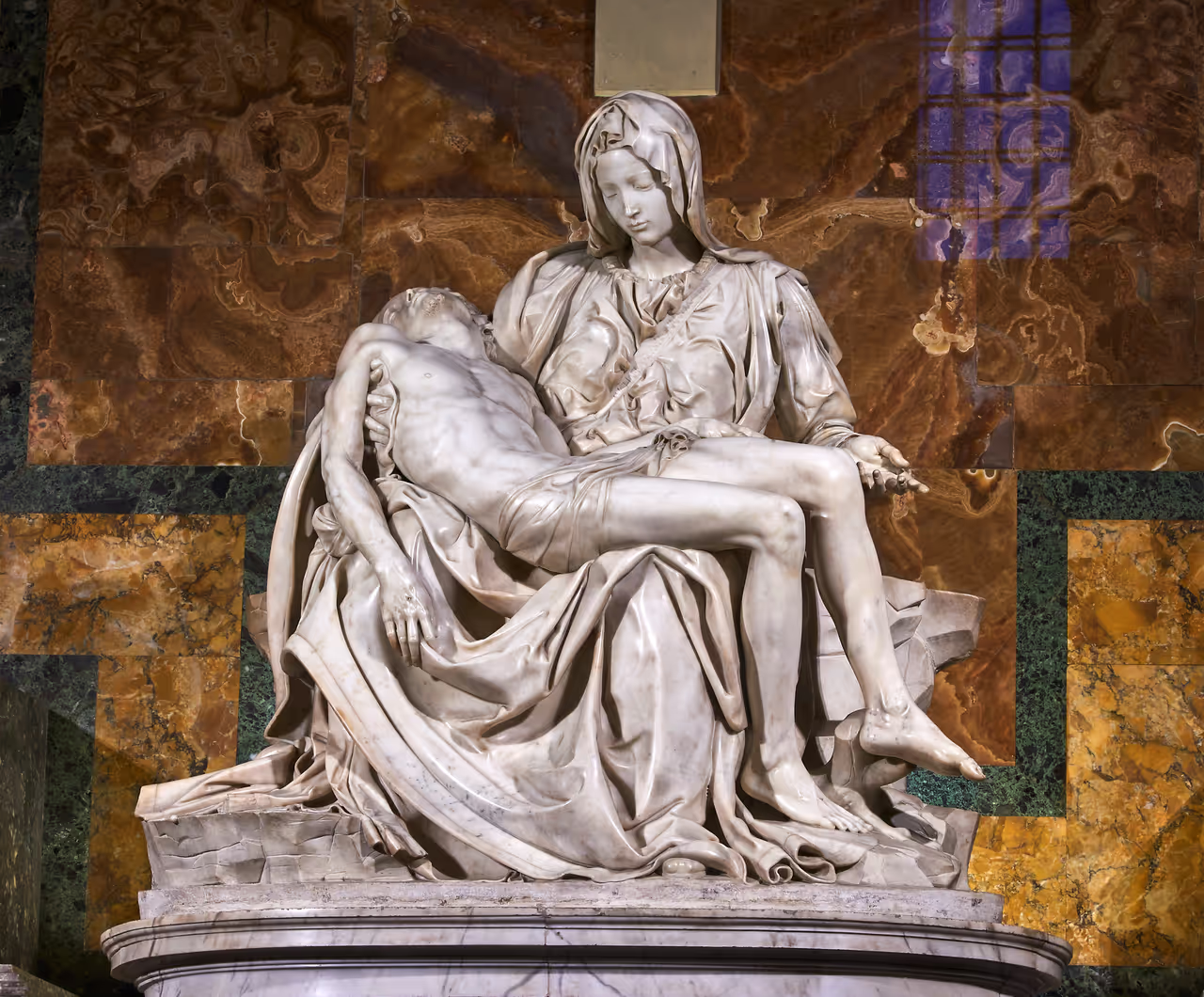
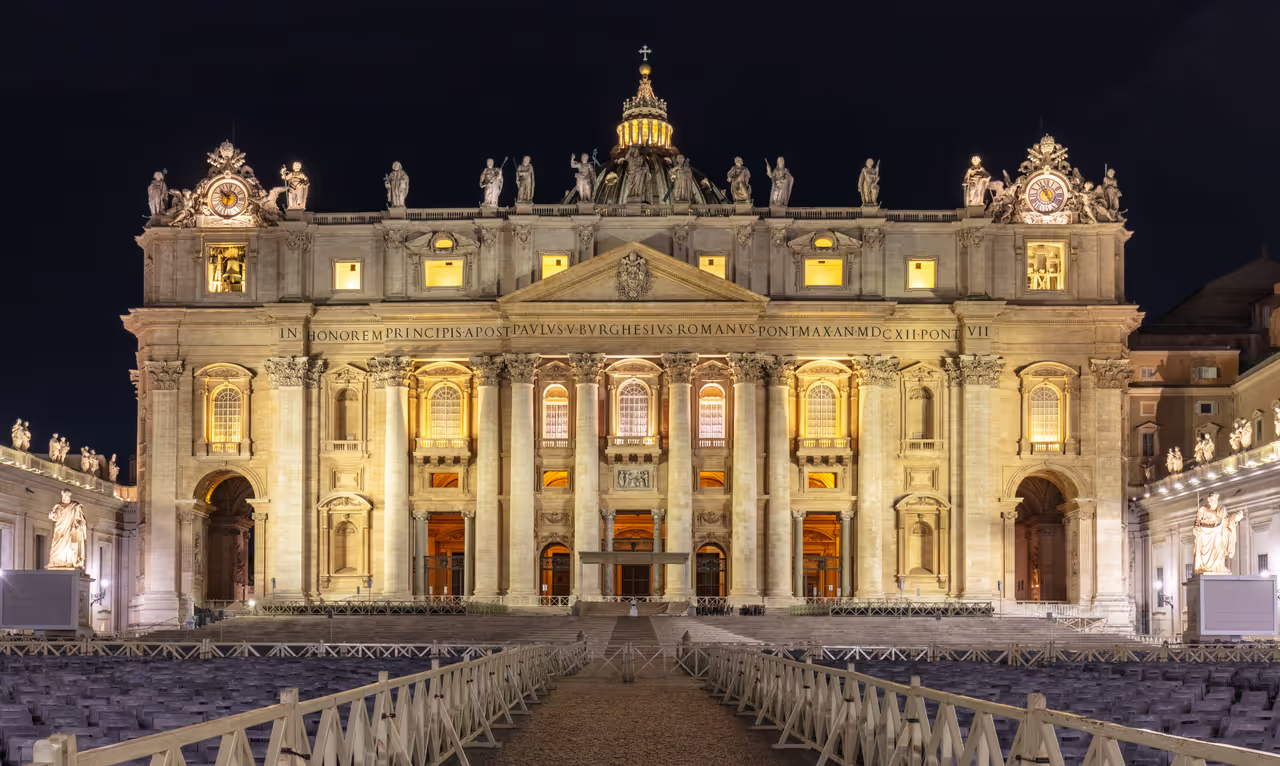
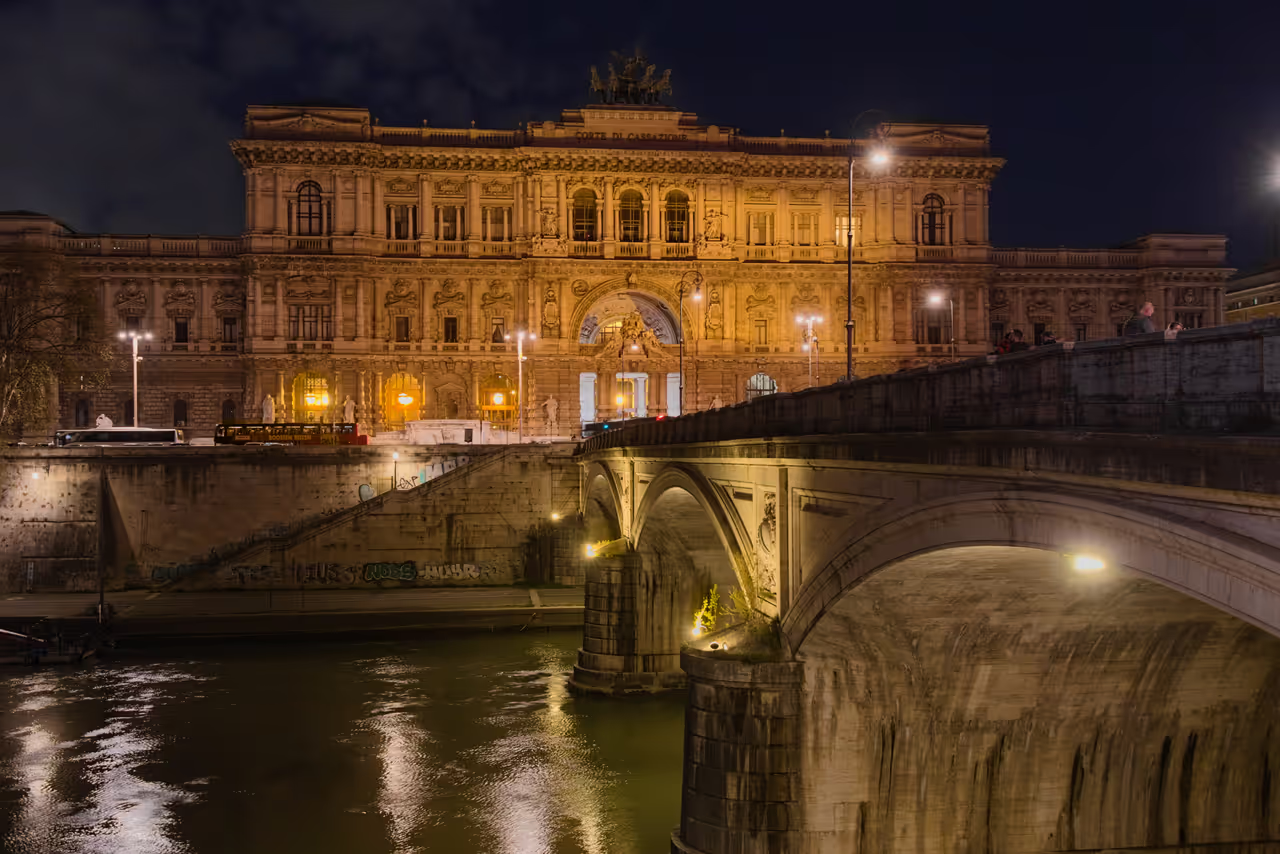
5 Days in Vatican City Itinerary
The ultimate deep dive into the smallest country on Earth and its immediate Roman surroundings. With five days, you can afford to linger on individual masterworks, explore the restricted lush gardens, and soak in the evening atmosphere of the elegant Prati district. This itinerary uncovers the hidden gems, the ancient fortifications, and the highest panoramic viewpoints. It is designed for serious lovers of history, providing an incredibly thorough and relaxing exploration of the entire area.
view itinerary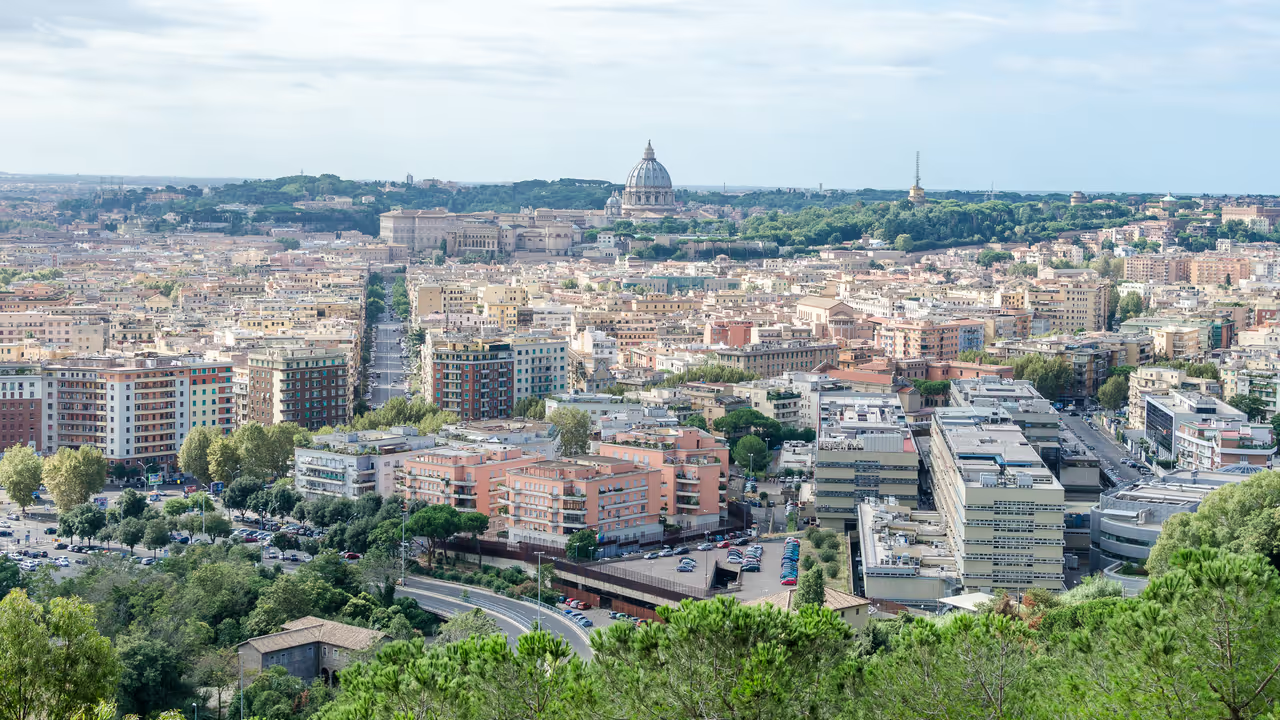
Monte Mario Ascent
Take your bike up the winding, leafy roads of Monte Mario, the highest rise in the area, offering a refreshing natural escape from the dense urban grid. The route climbs steadily through shaded nature reserves, revealing increasingly spectacular views of the city below. Along the way, you pass near the external grounds of the Vatican Observatory and lush wooded areas that feel a world away from the Vatican's busy museums. Reaching the summit rewards you with arguably the finest panoramic sweep of Rome available.
view cycling route
See all parks & nature in Vatican City
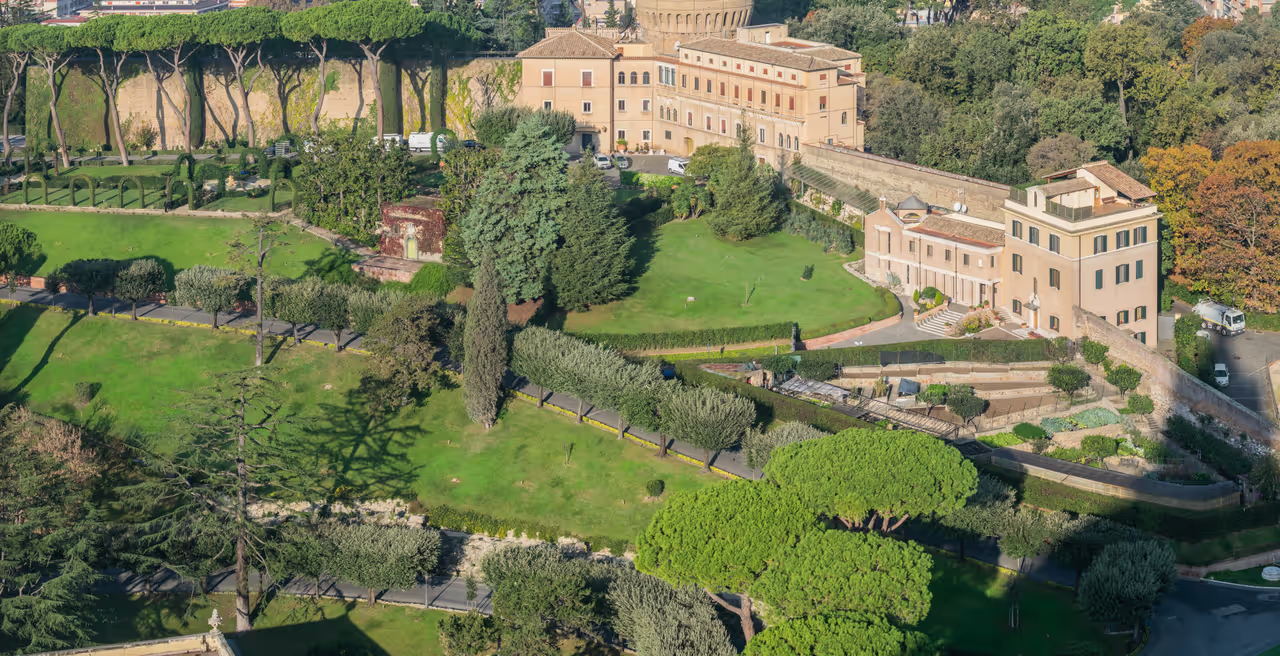
Including Vatican Gardens, Gardens of Castel Sant Angelo