Vatican Museums
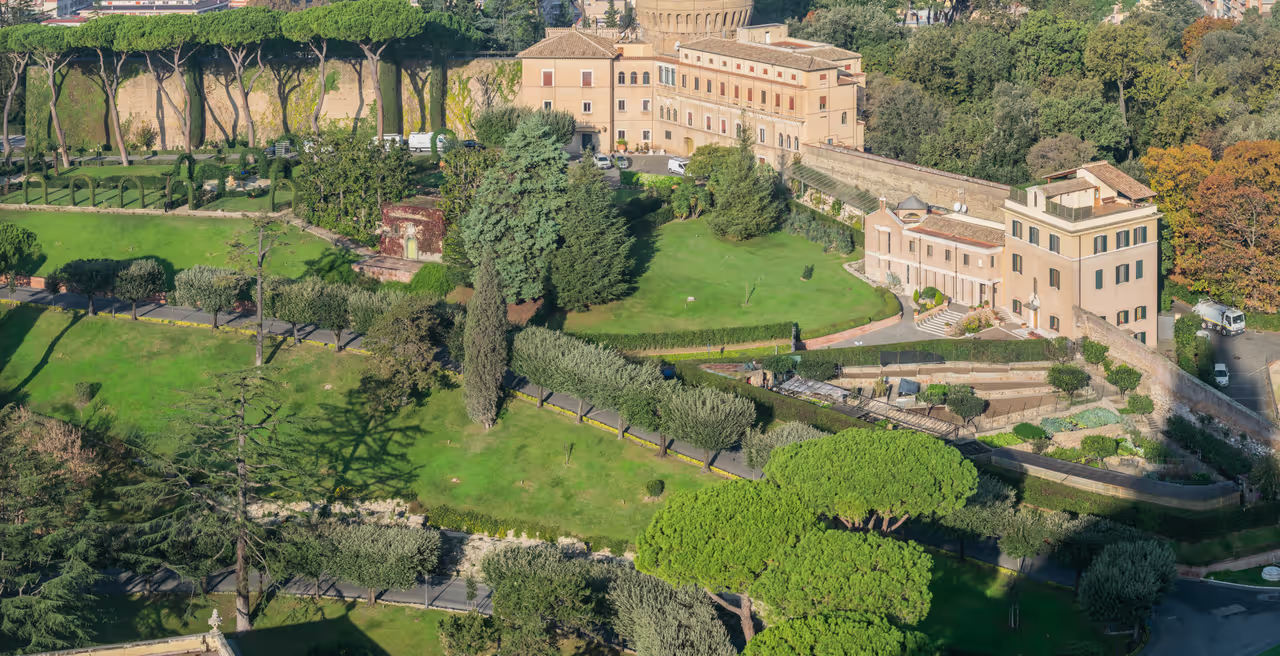
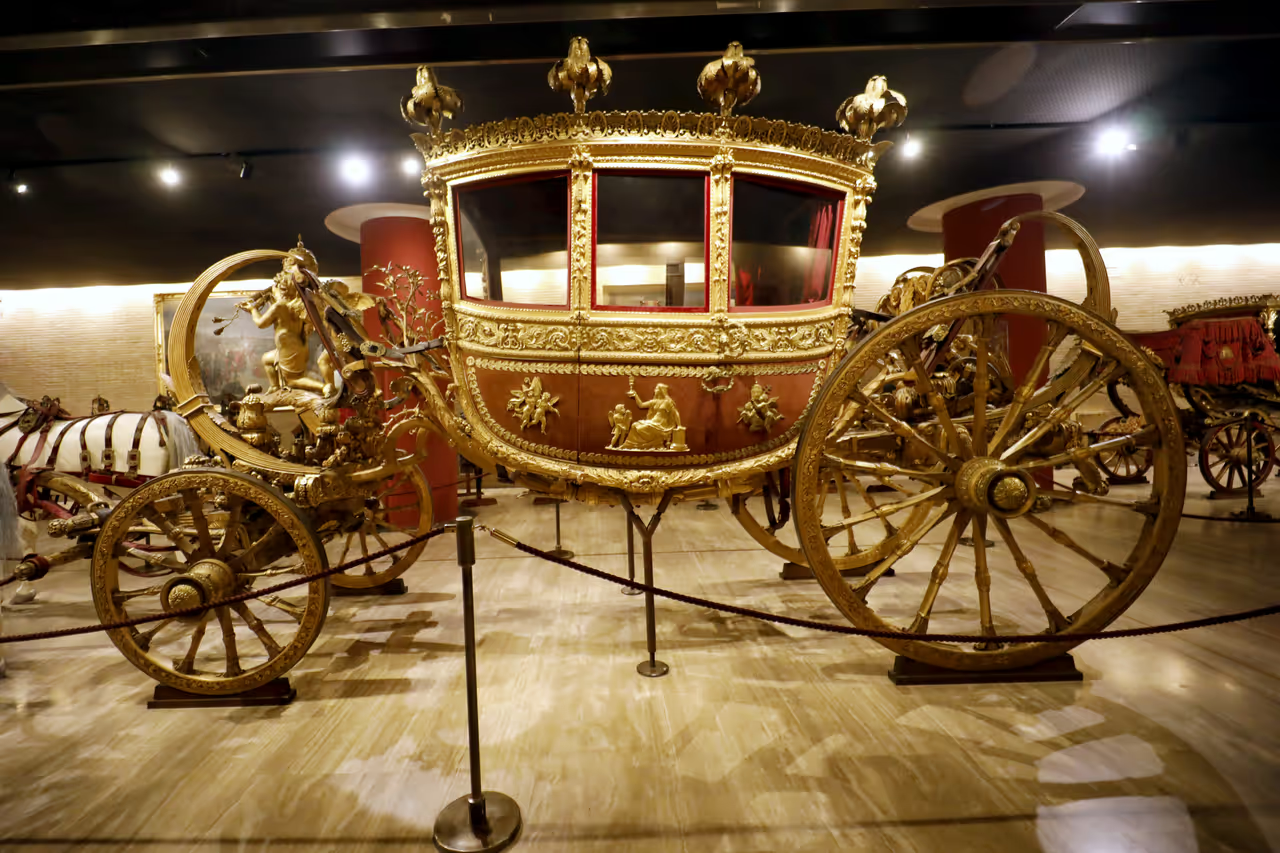
Stepping into the Vatican Museums feels like walking through the collective memory of Western civilisation. As one of the most visited art institutions on the planet, this vast complex is home to treasures amassed by popes over five centuries. You will find everything from ancient Egyptian mummies and classical Roman sculptures to the heights of Renaissance painting. The experience culminates in the world-famous Sistine Chapel, where Michelangelo’s ceiling leaves visitors in breathless awe. It is a place where every corridor tells a story of power, faith, and incredible human talent. Whether you are an art lover or a casual explorer, the sheer scale and beauty of the collections make this an unmissable Roman highlight.
Videos
History of Vatican Museums
The story of the Vatican Museums begins not with a grand building, but with a single miraculous find in a Roman vineyard. In 1506, workers unearthed a marble sculpture of Laocoön, a Trojan priest, being strangled by sea serpents. Pope Julius II, a man of immense ambition and an eye for classical beauty, purchased the work on the advice of Michelangelo. This single statue became the foundation of a collection that would grow into the most prestigious art assembly in the world, reflecting the papacy's desire to position the Church as the ultimate guardian of human culture. Over the centuries, the museums evolved as a series of connected palaces, each more opulent than the last. Popes commissioned the greatest minds of the Renaissance, such as Raphael and Michelangelo, to decorate their private apartments and chapels. These spaces were never intended for the masses; they were the private, sacred retreats of the Holy Father. It was only in the 18th century, during the Enlightenment, that the collections were systematically organised and eventually opened to the public, turning the Vatican from a fortress of faith into a global beacon of art and education. Today, the museums represent a fascinating layer cake of history. You can walk from the Egyptian wing, filled with spoils from the Roman Empire's expansion, through the long corridors of the Belvedere Courtyard, and finally into the modern galleries. The legacy of the museums is one of constant renewal, where ancient ruins sit alongside 20th century masterpieces. It is a testament to the idea that art is a universal language, capable of bridging the gap between the divine and the earthly across thousands of years.
events spanning 516 years
Fun Facts
11- 01
During the 19th century, many of the classical nude sculptures had plaster fig leaves added to them to cover their genitals following a decree of modesty.
- 02
Hidden within the Egyptian collection are genuine mummies and intricate sarcophagi brought to Rome during the imperial era.
- 03
Leonardo da Vinci’s 'Saint Jerome in the Wilderness' is one of the museum's prized possessions, even though it remains unfinished.
- 04
Michelangelo originally did not want to paint the Sistine Chapel ceiling, as he considered himself a sculptor rather than a painter.
- 05
The Gallery of Maps is 120 metres long and contains 40 panels representing the regions of Italy as they were perceived in the late 16th century.
- 06
The Pio-Clementino Museum holds the 'Belvedere Torso', a fragment of an ancient statue that Michelangelo famously refused to 'repair' because he thought it was perfect as it was.
- 07
The Sistine Chapel serves a dual purpose as both a priceless art gallery and the site of the Papal Conclave, where new popes are elected.
- 08
The collection includes a surprisingly diverse range of items, including a fragment of the moon donated by President Richard Nixon following the Apollo 11 mission.
- 09
The modern Bramante Staircase is actually a double helix, designed so that people ascending do not meet those descending, ensuring a smooth flow of visitors.
- 10
The museum houses a red marble papal throne that was originally located in the Basilica of Saint John Lateran before being moved to the Vatican collections.
- 11
The museums contain roughly 70,000 works of art, but the sheer volume is so immense that only about 20,000 are actually on display to the public.
FULL PLACE DETAILS
OVERVIEW & STATS
- Established
- In 1506, making it 520 years old
- Annual Visitors
- 1,612,530 (2021)
ARCHITECTURE & HERITAGE
- Founders
- Julius Ii
WEB & AMENITIES
Vatican Museums Map & Neighborhood Explorer
This interactive map is centered on Vatican Museums. Zoom in and move the map around to automatically discover Wikipedia photos and summaries of other nearby sights, monuments, and historical points of interest and stories in real-time!
Vatican Museums FAQ
Yes, there is a strict dress code. Visitors must cover their shoulders and knees. This means no sleeveless tops, miniskirts, or shorts above the knee. Hats must also be removed.
Photography without flash is allowed in most areas of the museums, but it is strictly forbidden inside the Sistine Chapel to protect the frescoes and maintain silence.
Booking in advance is highly recommended to avoid queues that can last for hours. During peak season, tickets often sell out weeks ahead of time.
Early mornings or late afternoons on weekdays are generally less crowded. Tuesday and Thursday are often slightly quieter than Mondays or Saturdays.
A typical visit takes about 4 hours. We recommend planning your schedule accordingly to make the most of your time there.
The closest place to visit near Vatican Museums is Vatican Pharmacy, around 100 m away. Other things to do near Vatican Museums include Vatican Post Office (191 m), Apostolic Palace (192 m) and Vatican Picture Gallery (209 m). All of these are within roughly 209 m of Vatican Museums, close enough to walk.
It dates back to 1506, making it 520 years old.
Vatican Museums was founded by Julius II.
According to the latest available data (2021), it received approximately 1,612,530 visitors that year.
While we strive to keep this information accurate and up to date, we recommend verifying any details independently before making decisions based on them.
Places near Vatican Museums
Make the most of your trip. Check out these top-rated spots located nearby.
 100m
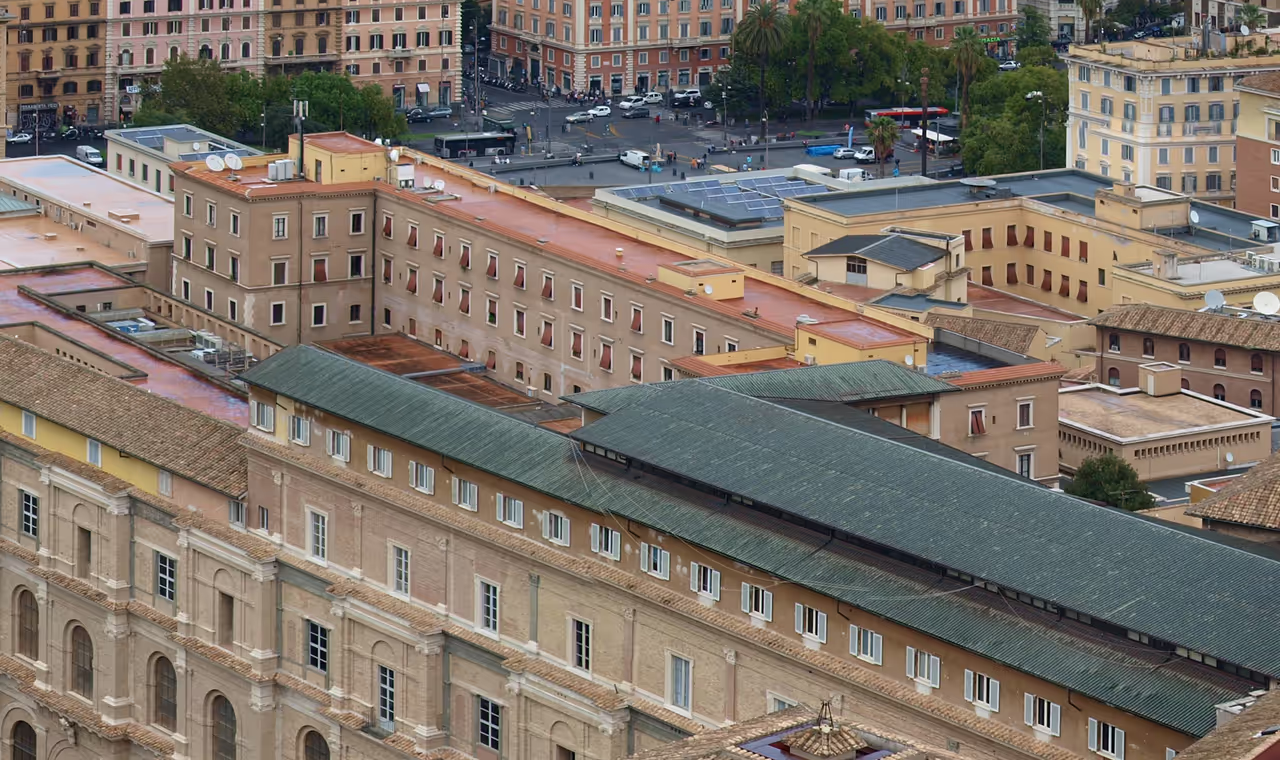
Vatican Pharmacy
Tucked away inside the sovereign walls, the Vatican Pharmacy is allegedly the busiest pharmacy in the world, serving thousands of customers daily. It is highly prized by Romans because it stocks specialized international medications and treatments that are otherwise unavailable or incredibly hard to find in Italy. To enter the pharmacy, you must pass through Vatican security with a valid medical prescription, official identification, and obtain a specific temporary pass. It is staffed by a religious order of monks who seamlessly blend modern pharmaceutical science with centuries of healing tradition. It offers a fascinating, practical glimpse into the daily operational life of the microstate.
hidden gem view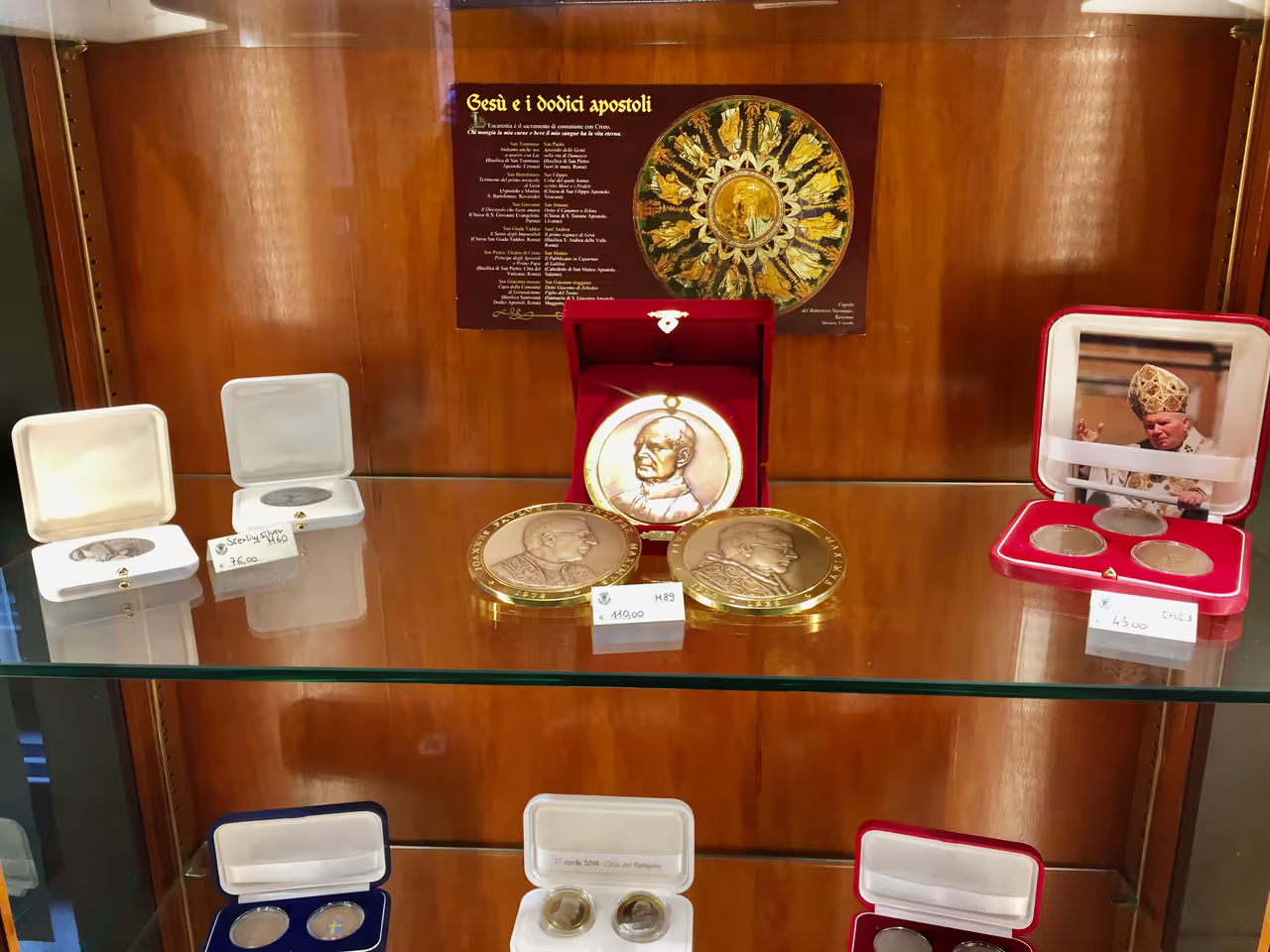 191m
Vatican Post Office
Operating directly adjacent to St. Peter's Square, this is the main branch of the Vatican's highly efficient, independent postal service. Founded in 1929, the service is renowned by Romans and tourists alike for outperforming the notorious Italian postal system. The interior is bustling and highly functional, where you can purchase beautiful, limited-edition Vatican stamps that are highly prized by philatelists worldwide. Dropping a postcard into the bright yellow pillar boxes ensures it will be stamped with the unique Vatican postmark. It is a wonderfully interactive, incredibly cheap way to engage with the sovereignty of the microstate.
hidden gem view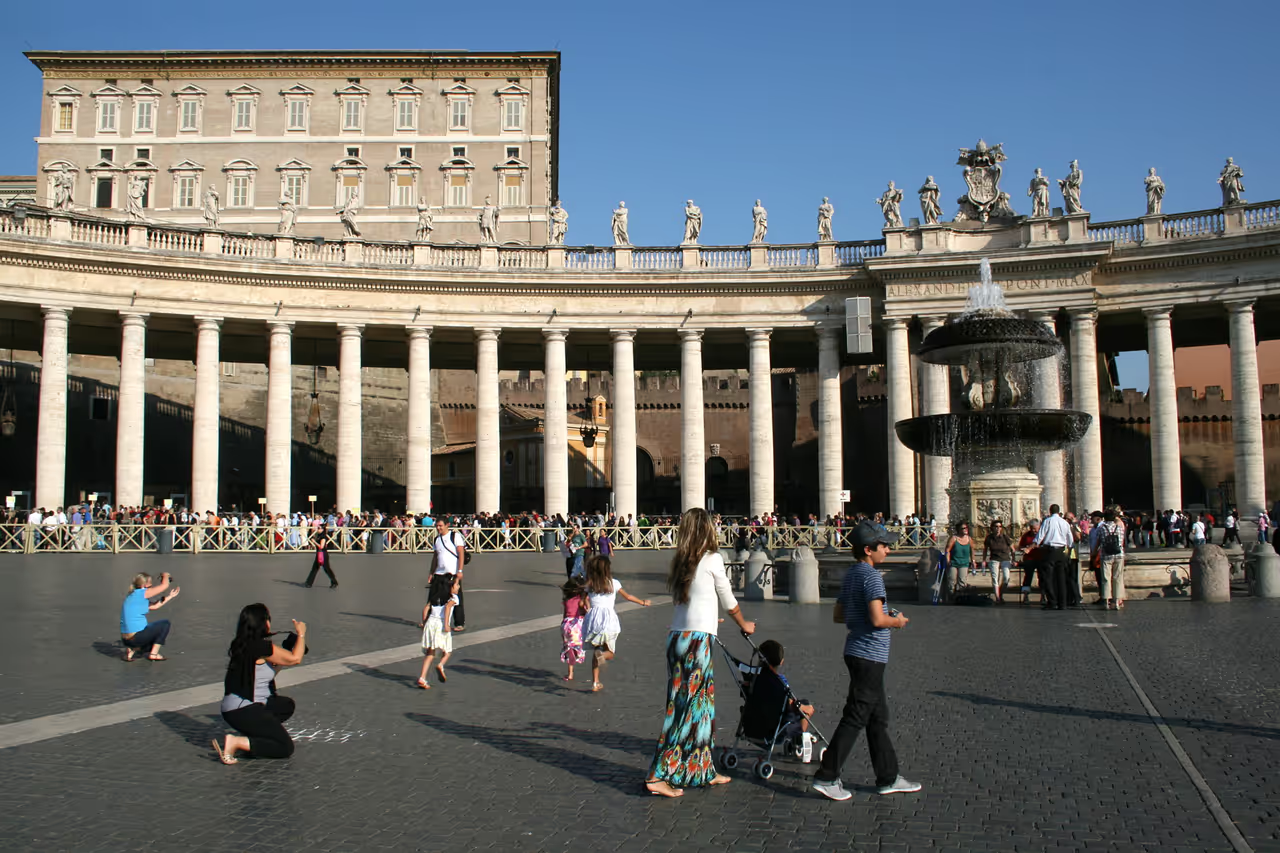 192m
Apostolic Palace
This sprawling, complex labyrinth of buildings serves as the official residence of the Pope, though recent pontiffs have often chosen simpler accommodations. The palace is an architectural amalgamation built over centuries, comprising papal apartments, administrative offices, and parts of the Vatican Museums. From the exterior in St. Peter's Square, its most famous feature is the top-floor window where the Pope frequently appears to deliver the Sunday Angelus blessing to the crowds below. The sheer size and asymmetrical, blocky structure of the complex illustrate centuries of continuous addition by ambitious popes.
architecture view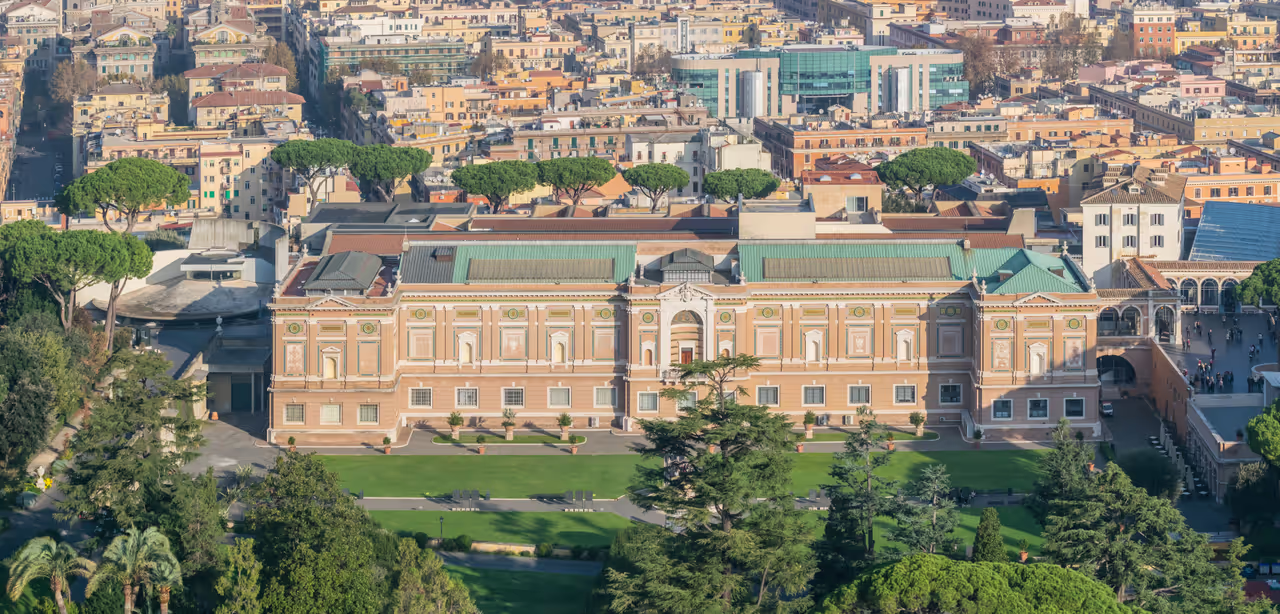 209m
Vatican Picture Gallery
Often overlooked by visitors rushing toward the Sistine Chapel, the Pinacoteca houses a spectacular collection of paintings assembled by various popes over the centuries. Displayed across eighteen spacious, well-lit rooms, the gallery boasts masterworks from the greatest names in Italian art history. Highlights include Raphael's stunning 'Transfiguration', Caravaggio's dramatic 'Entombment of Christ', and the unfinished 'St. Jerome in the Wilderness' by Leonardo da Vinci. It provides a quieter, highly rewarding environment to appreciate brilliant canvases without the overwhelming crowds found in the museum's narrow corridors. It is an absolute must-visit for serious lovers of classical painting.
highlight view
Explore Similar Places in This Collection
Featured on These Itineraries and Routes
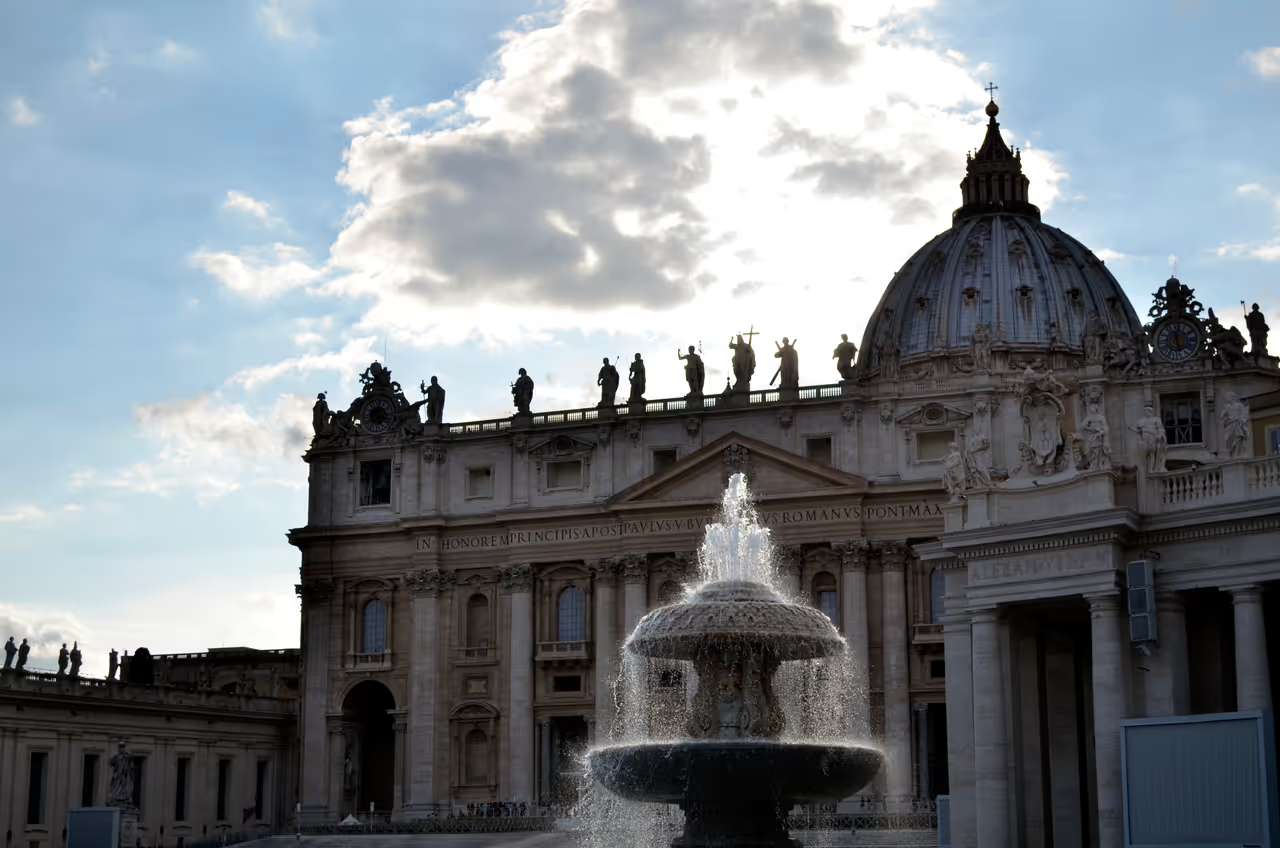
1 Day in Vatican City Itinerary
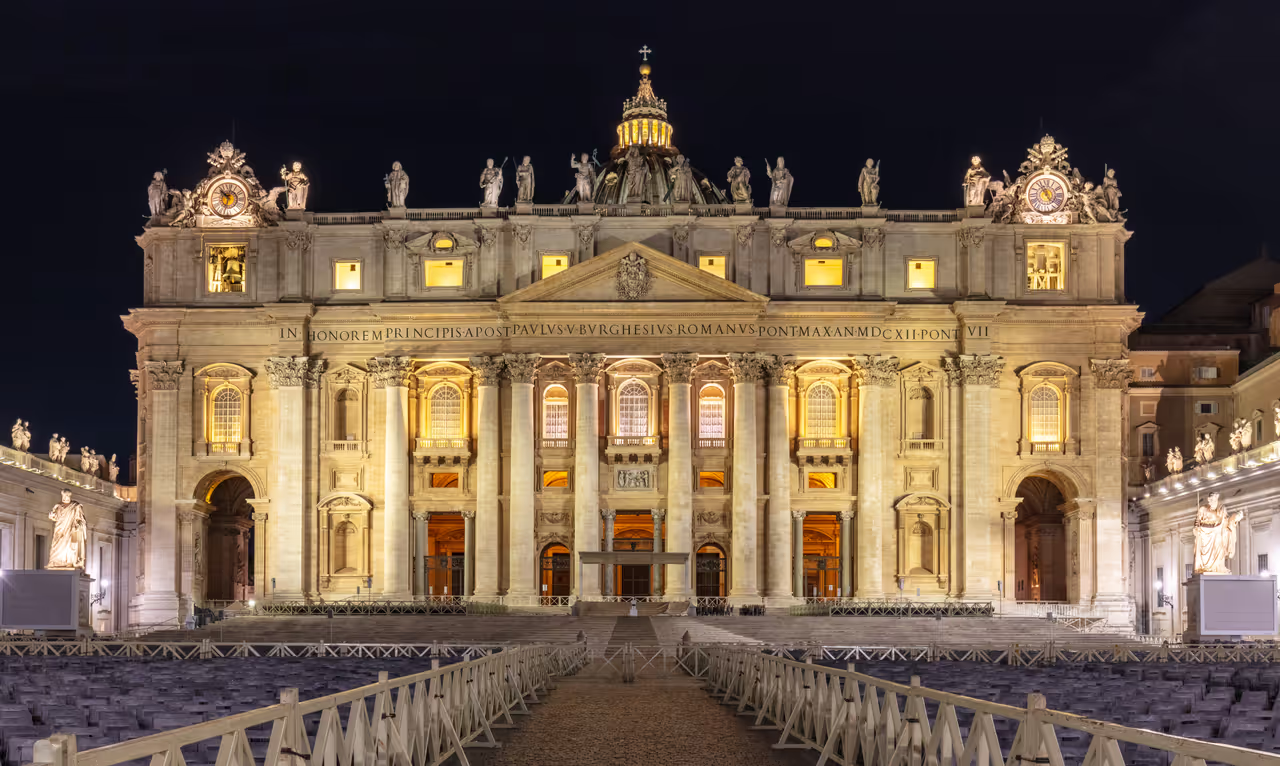
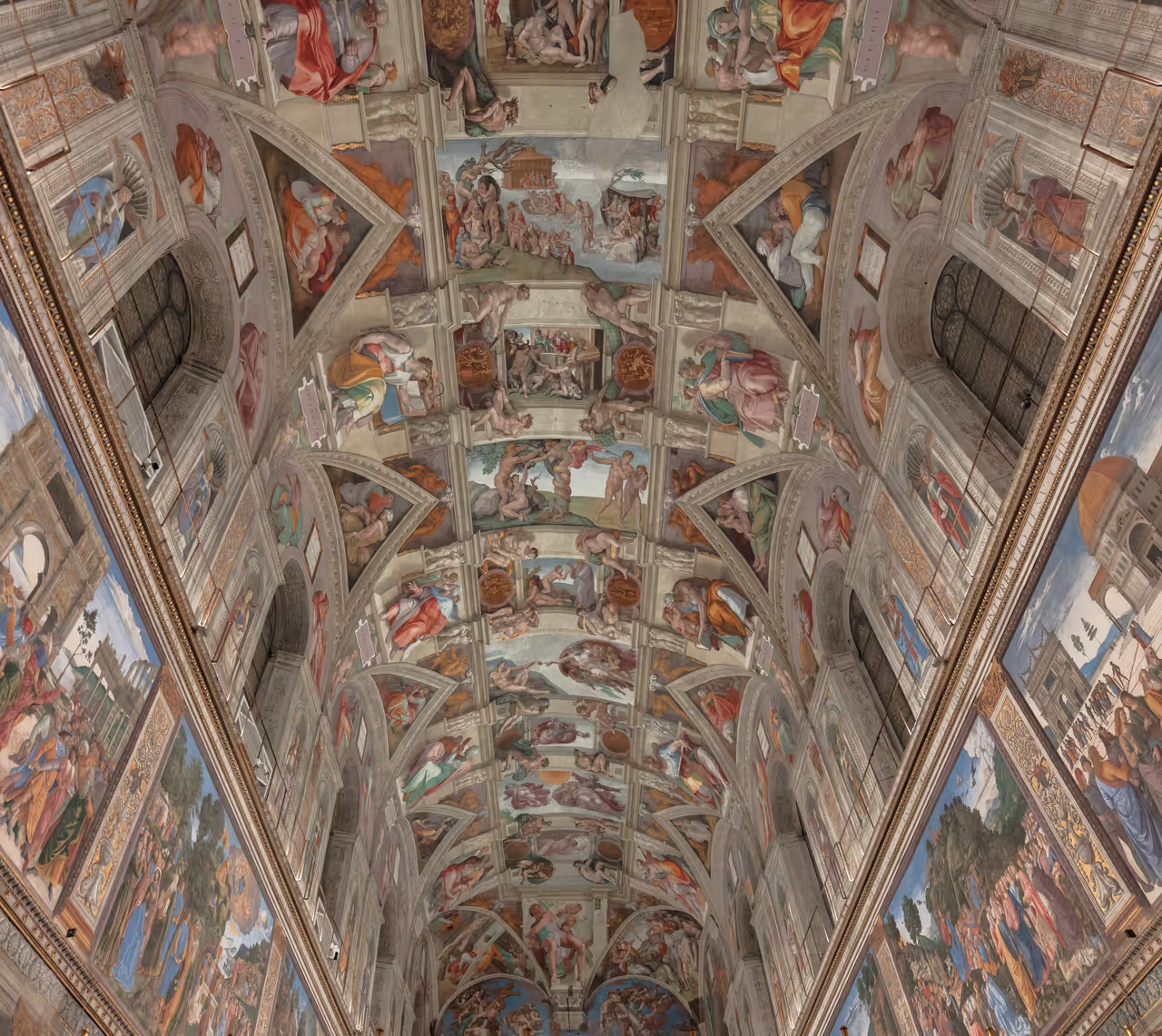
This intense, highly efficient itinerary packs the absolute must-see monumental sights into a single, breathtaking day. You will start early to tackle the immense art collections, culminating in Michelangelo's masterpiece, before crossing into the largest church in the world. The pace is rapid, but it ensures you witness the core artistic and spiritual legacy of the microstate. Wear your most comfortable walking shoes and prepare for an overwhelming visual feast.
view itinerary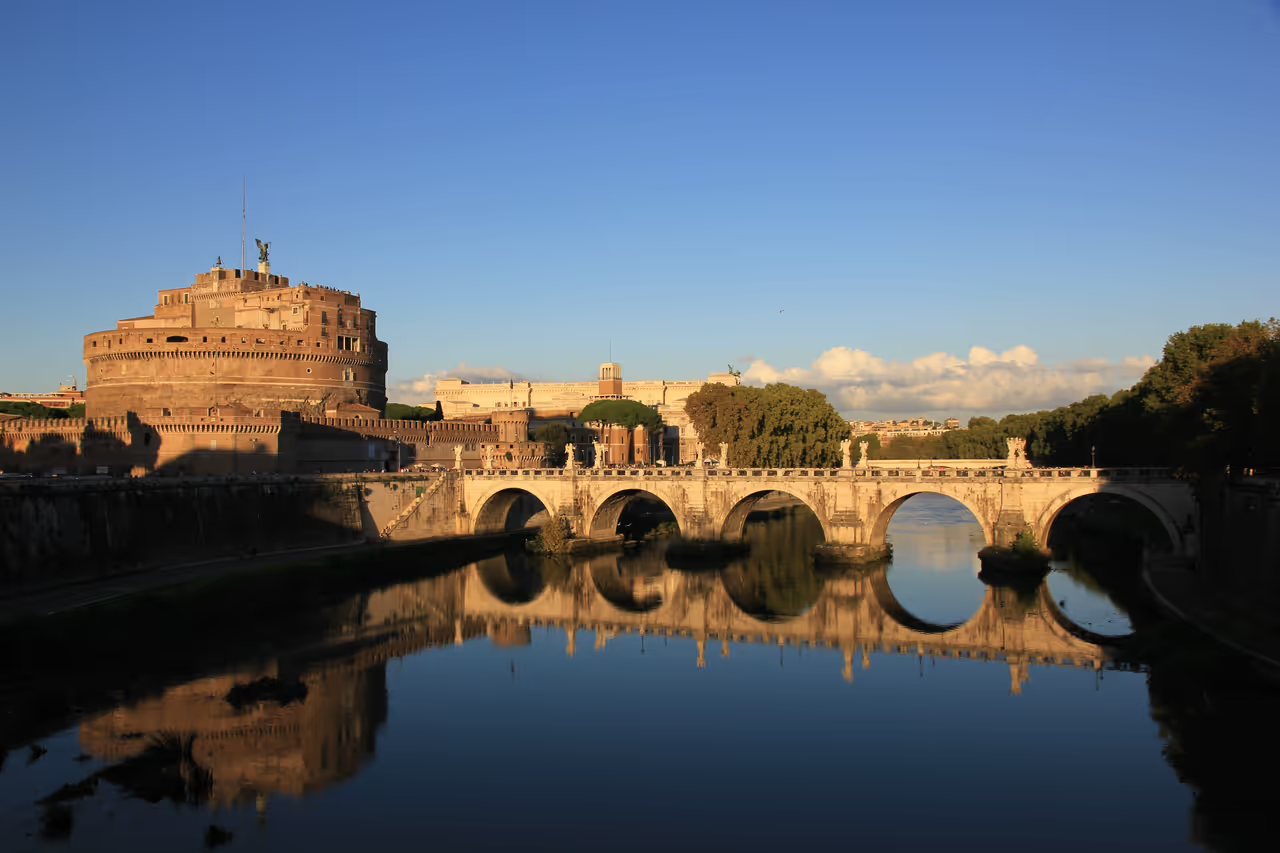
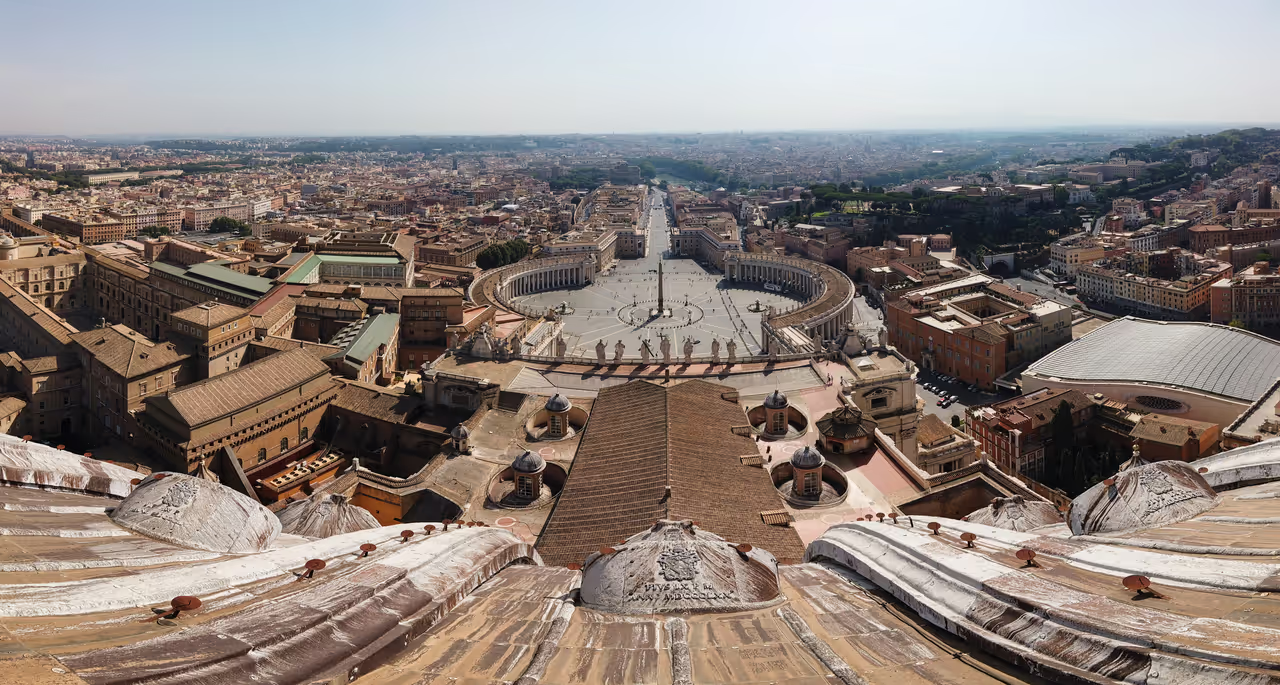
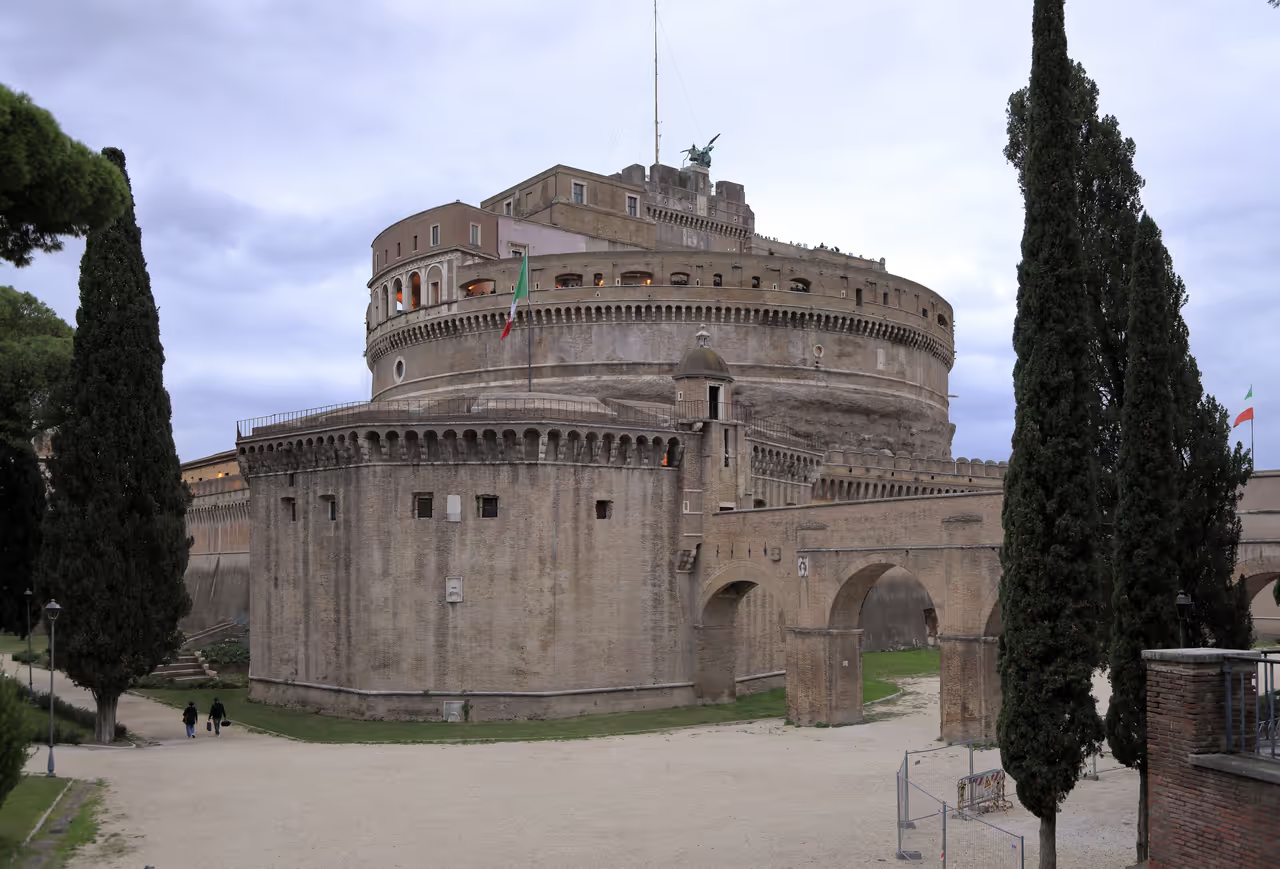
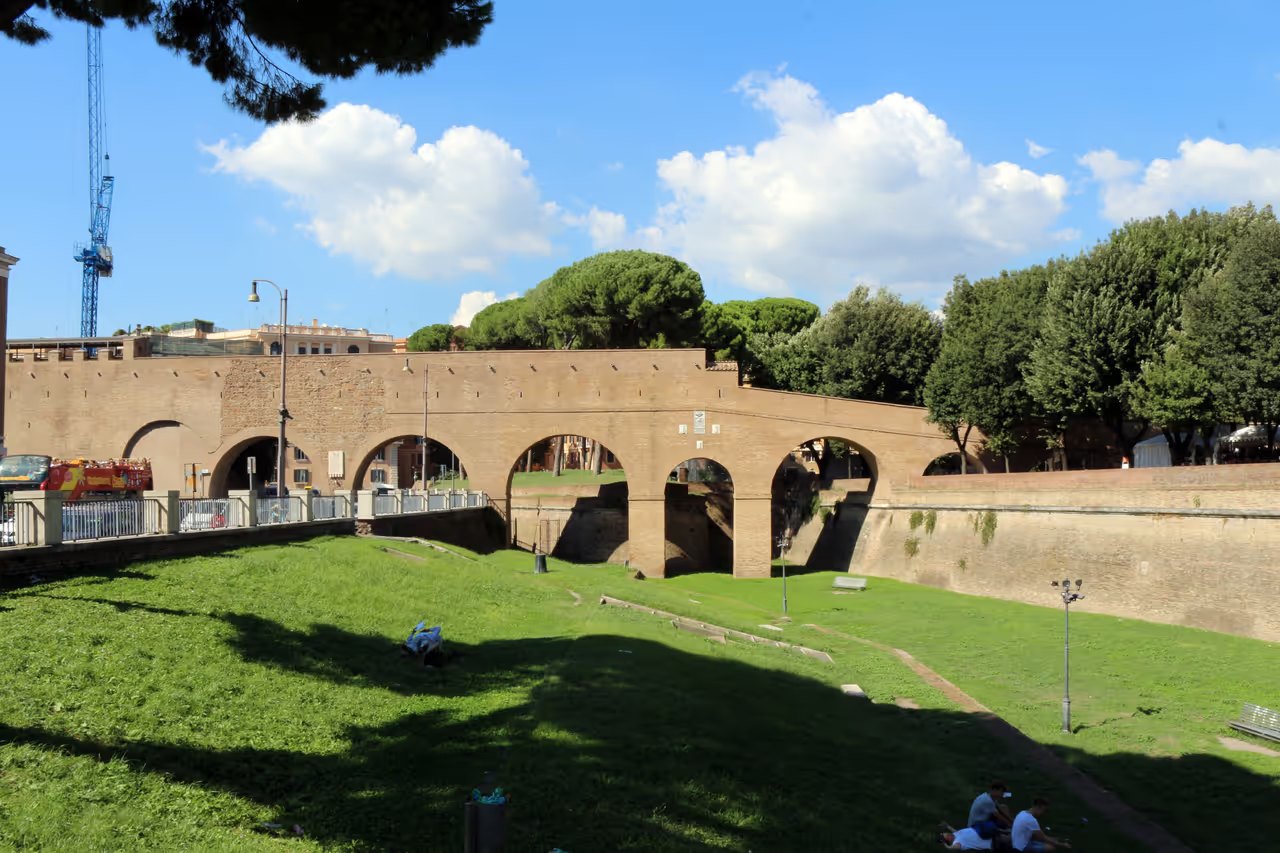
3 Days in Vatican City Itinerary
This balanced itinerary allows you to explore the Vatican without suffering from intense museum fatigue, breaking the major sights across three days. You will have time to delve deeper into specific artistic periods, uncover the ancient ruins beneath the basilica, and explore the military fortifications outside the walls. The pace allows for long, leisurely lunches in the nearby Prati or Borgo districts. It offers a comprehensive, highly satisfying exploration of papal history, art, and architecture.
view itinerary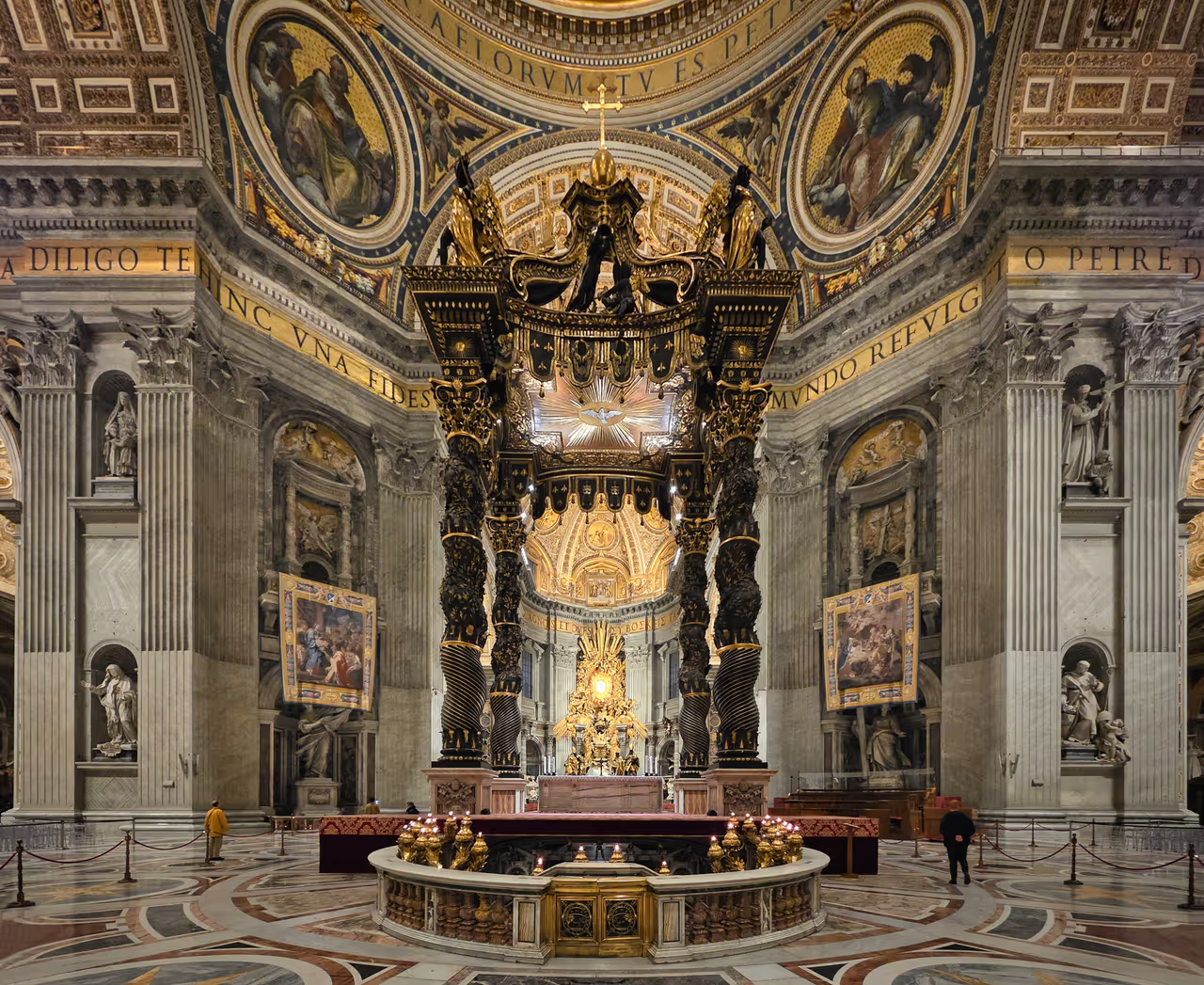
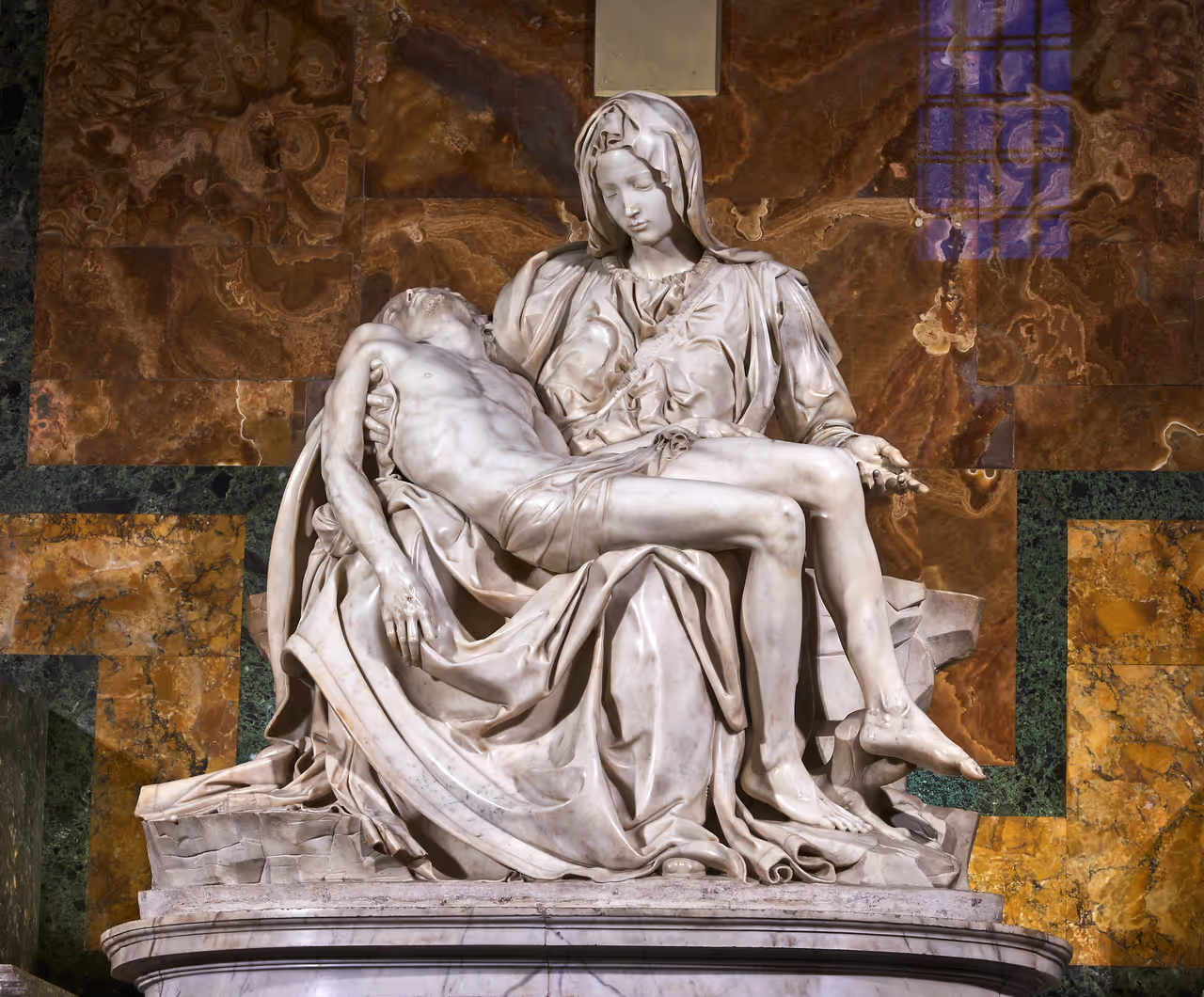
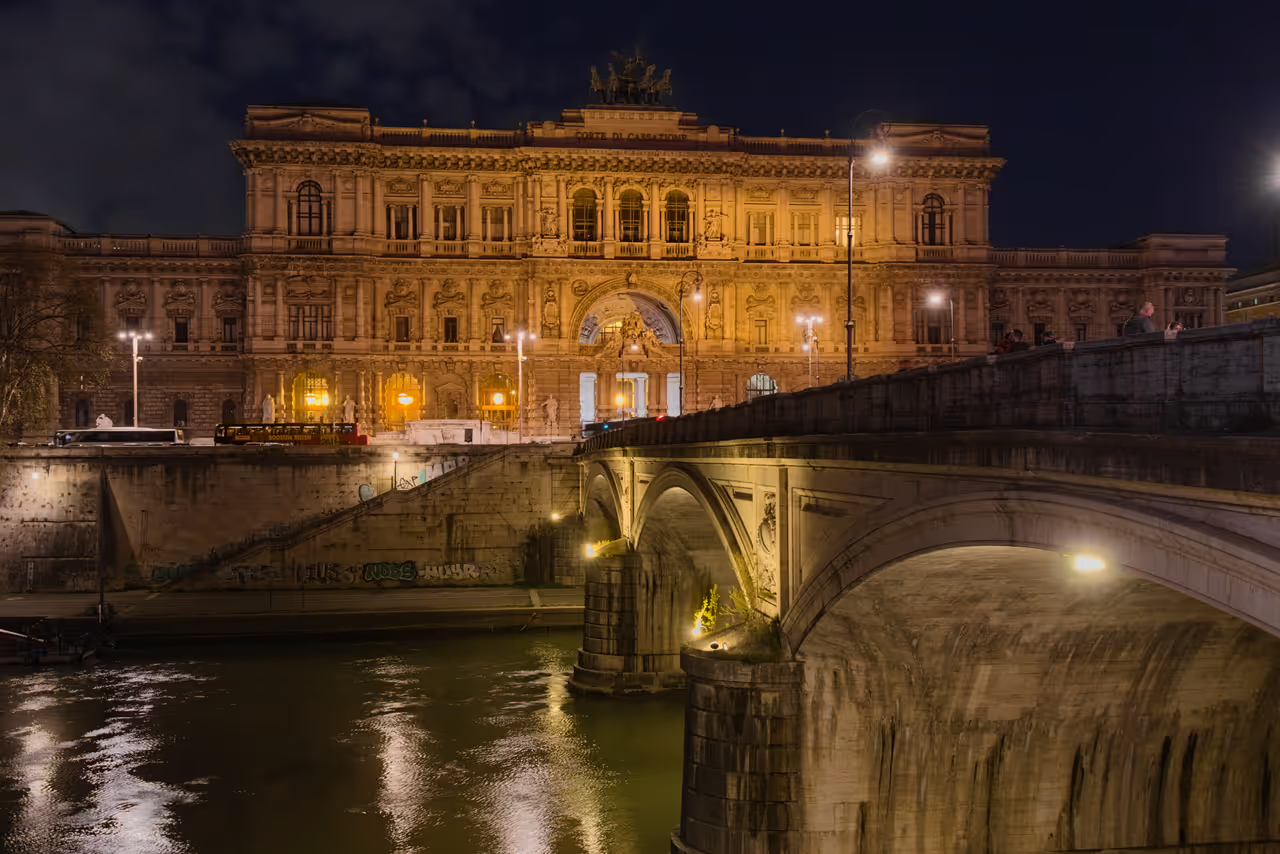
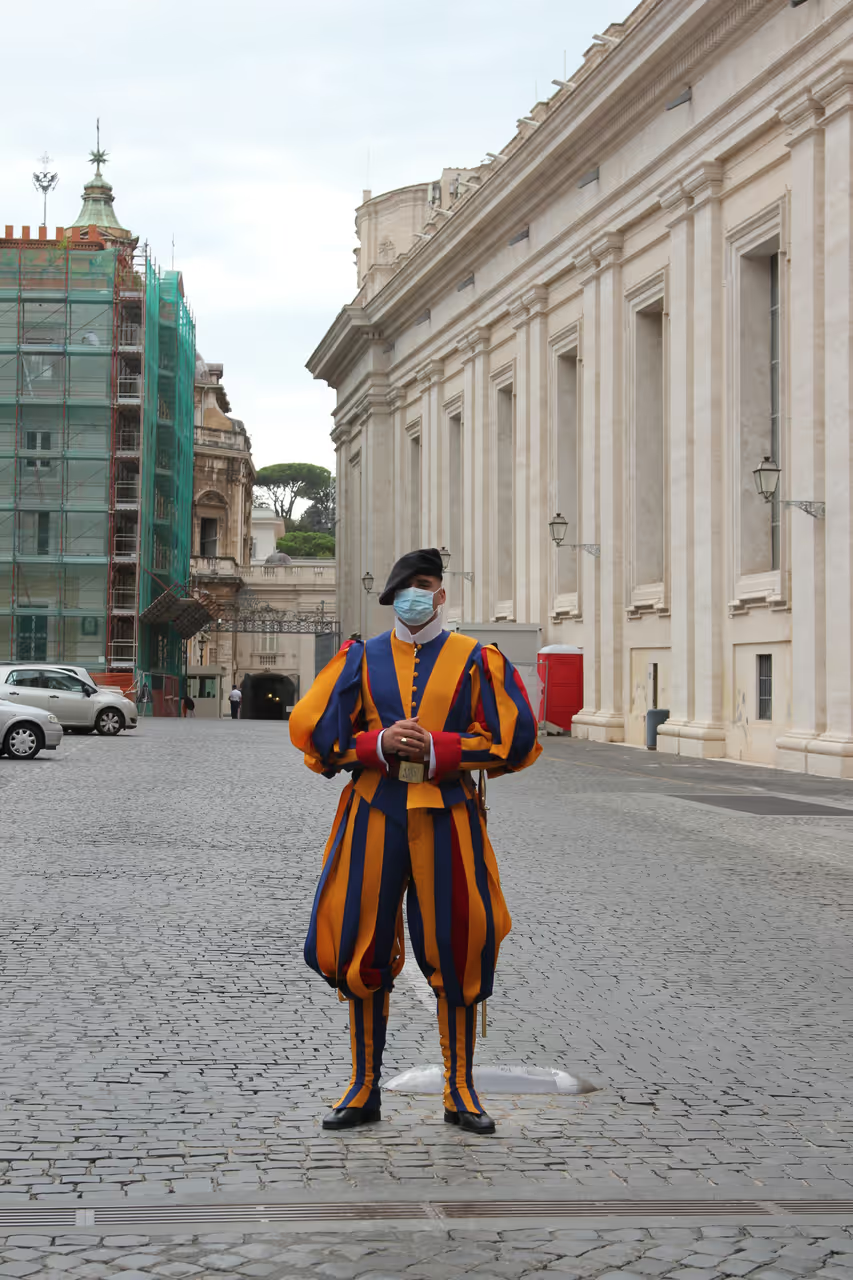
5 Days in Vatican City Itinerary
The ultimate deep dive into the smallest country on Earth and its immediate Roman surroundings. With five days, you can afford to linger on individual masterworks, explore the restricted lush gardens, and soak in the evening atmosphere of the elegant Prati district. This itinerary uncovers the hidden gems, the ancient fortifications, and the highest panoramic viewpoints. It is designed for serious lovers of history, providing an incredibly thorough and relaxing exploration of the entire area.
view itinerary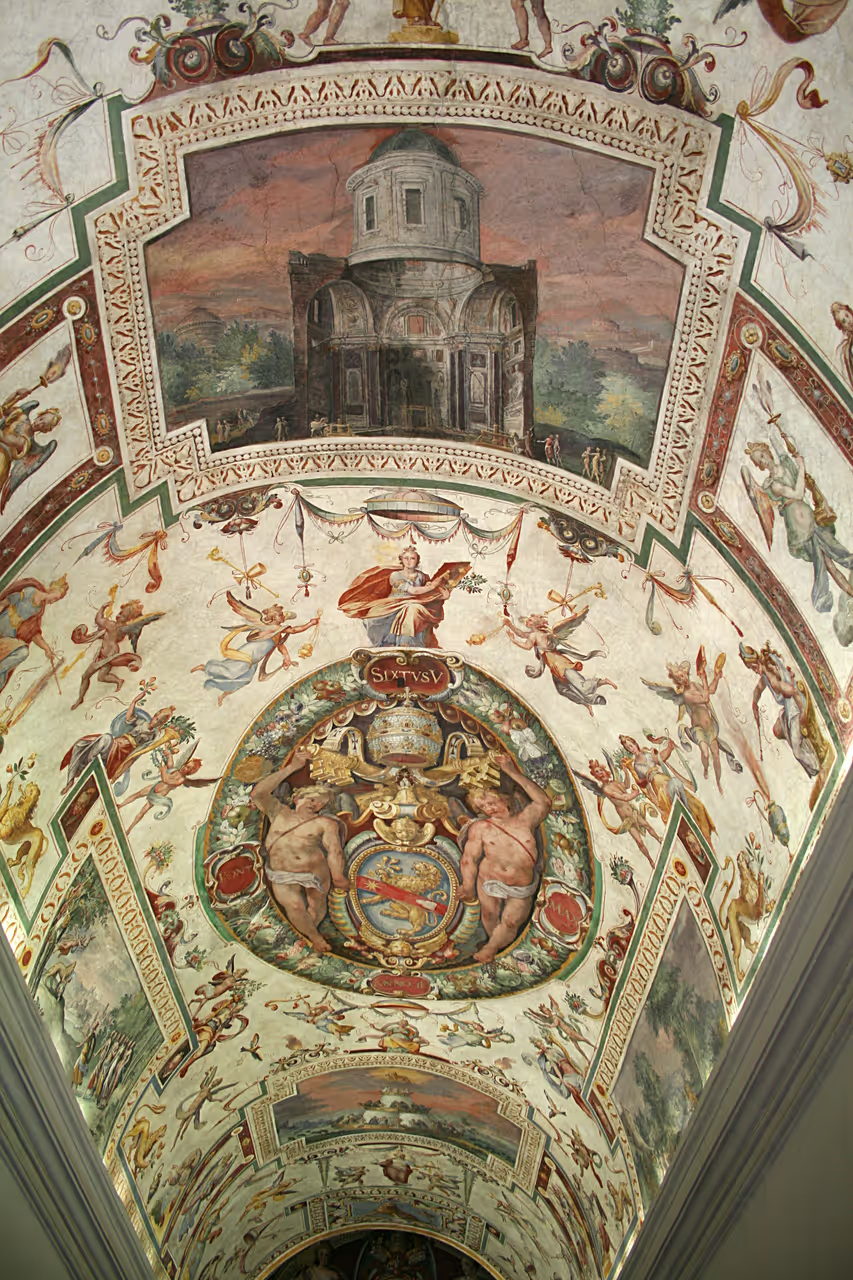
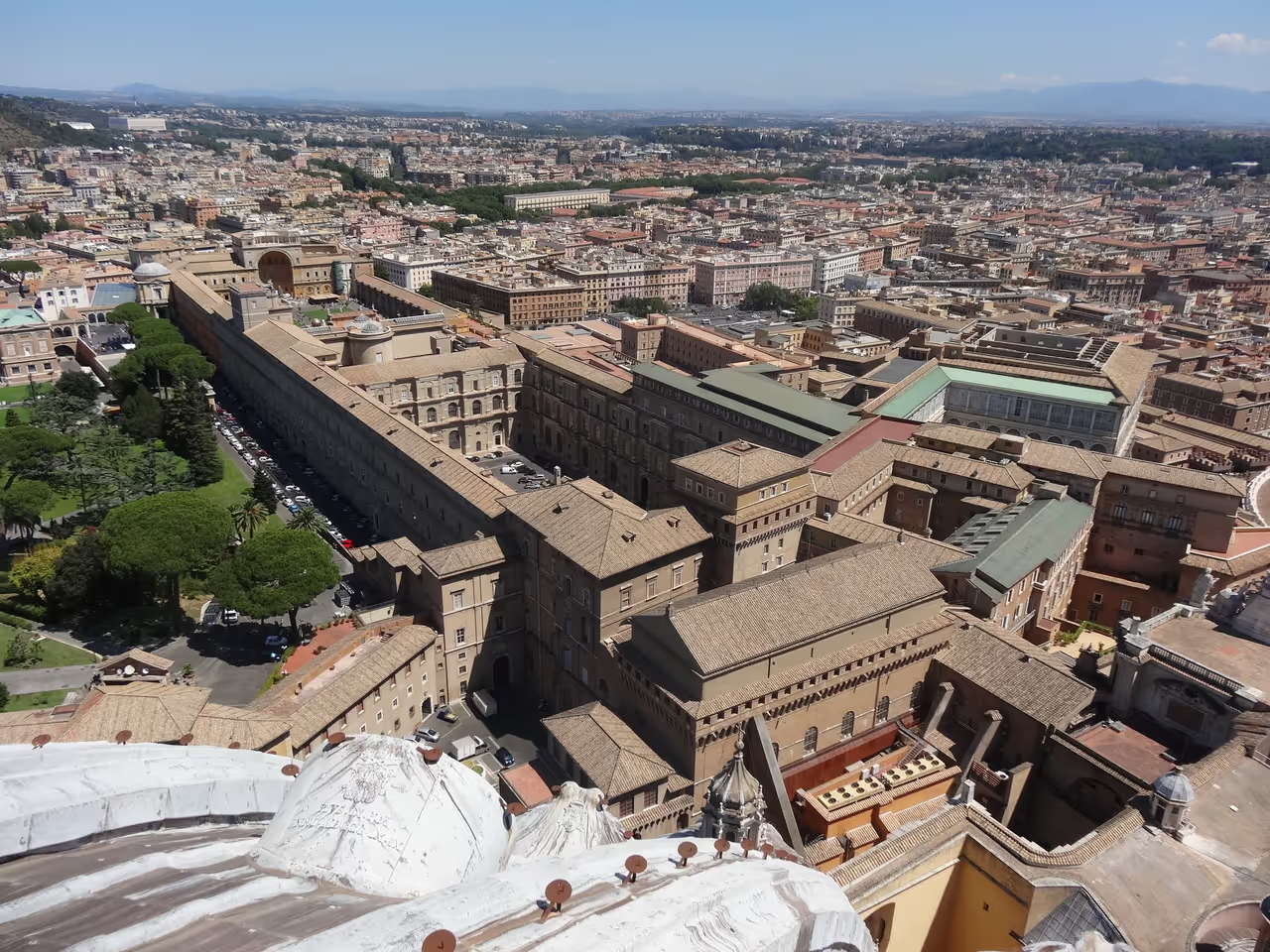
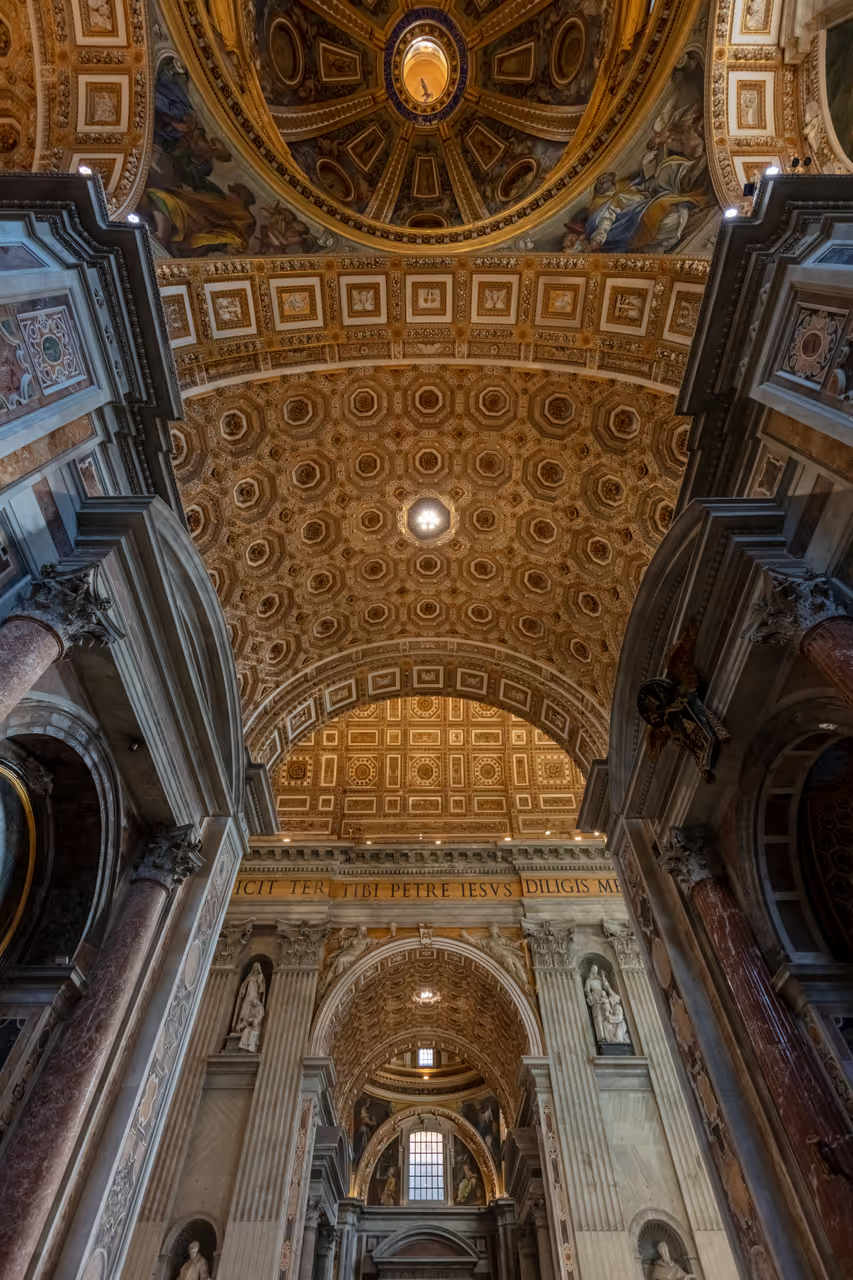
Renaissance Masterpieces Tour
Embark on an awe-inspiring journey through the greatest concentration of Renaissance art anywhere on the planet. This self-guided narrative guides you through the opulent halls of the Vatican Museums, examining how popes patronised fierce artistic rivals to decorate their palaces. You will stand beneath Michelangelo's revolutionary frescoes and walk through the incredibly detailed rooms painted by the young prodigy Raphael. The tour focuses on the explosive period of creativity that forever changed Western art and architecture, culminating in the majestic basilica itself.
view self-guided tour
See all attractions in Vatican City
Including Sistine Chapel, St. Peter's Basilica