St. Peter's Basilica
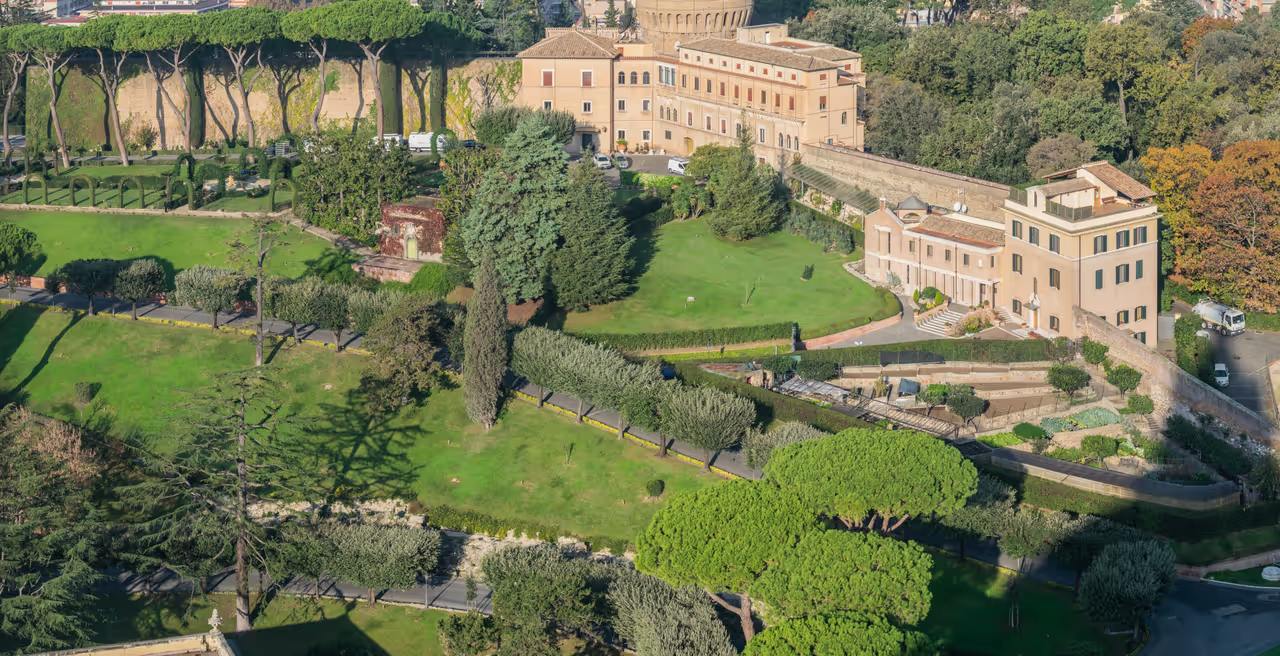
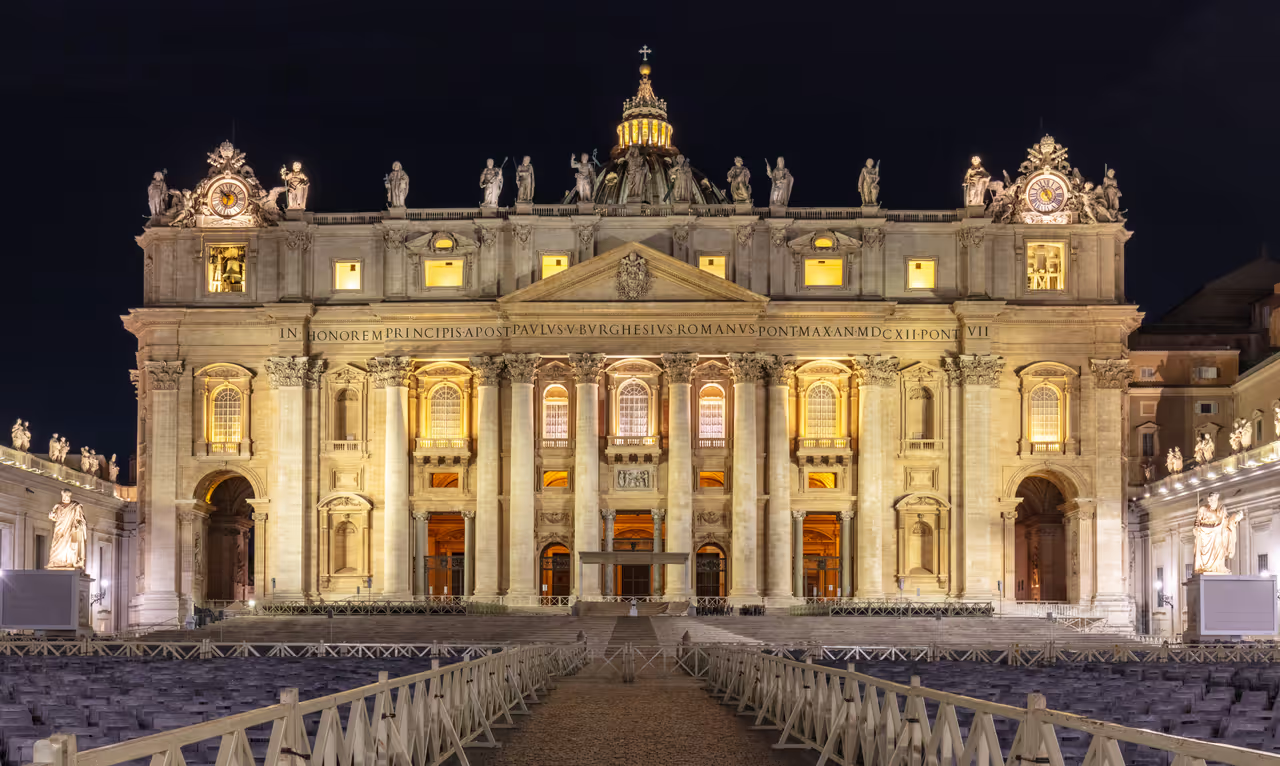
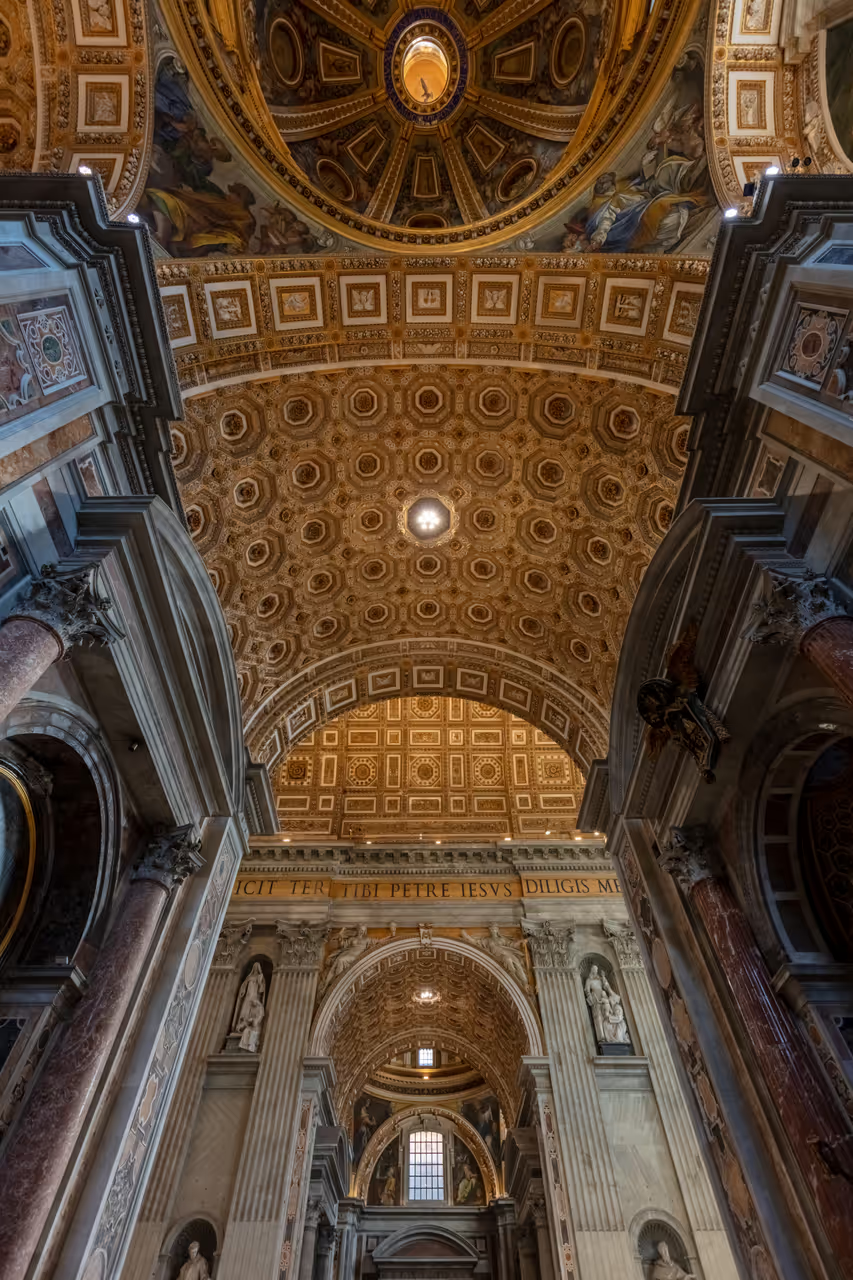
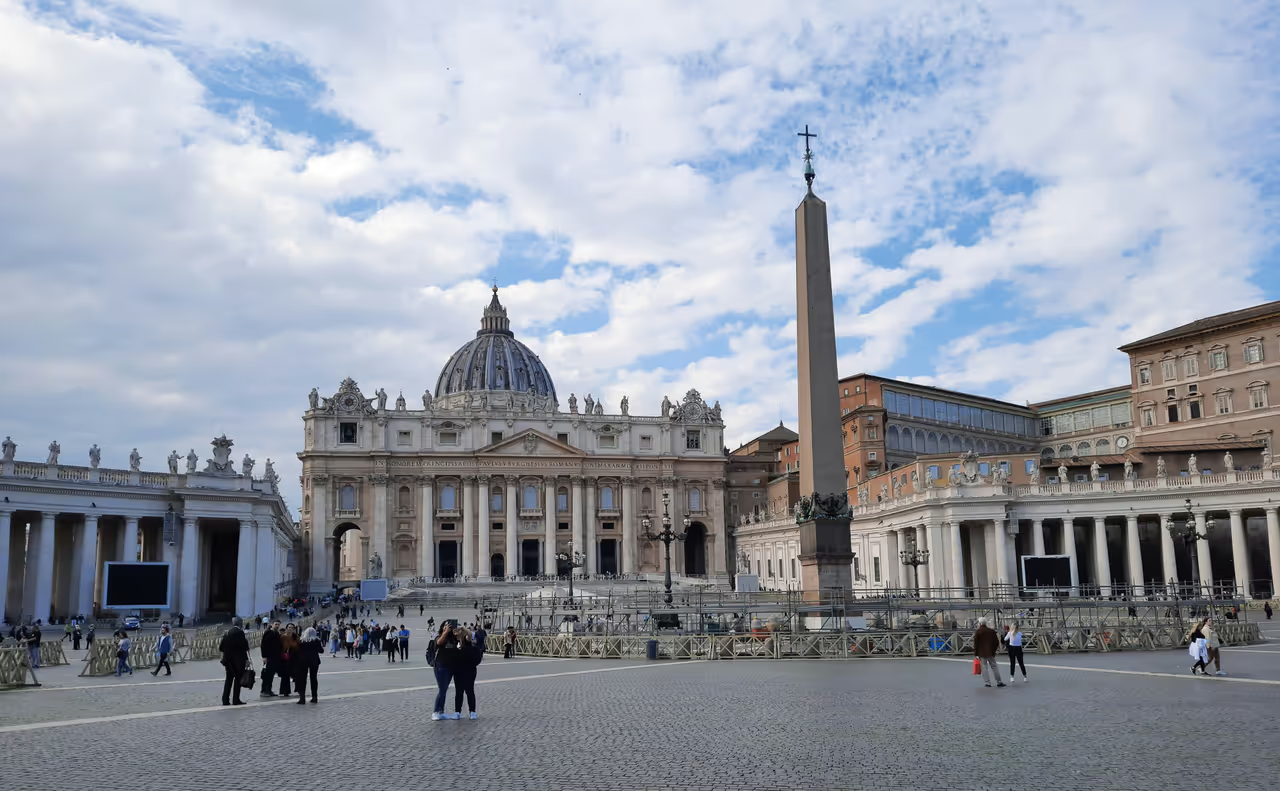
St. Peter’s Basilica is a marvel of human ambition that dominates the Roman skyline with its iconic dome. Stepping inside, the overwhelming scale and golden light reveal this as a profound spiritual landmark and an artistic triumph. It serves as the final resting place of Saint Peter, with the high altar sitting directly above the ancient tomb of the apostle. Every corner tells a story through the work of geniuses like Michelangelo and Bernini, from the heartbreaking beauty of the Pietà to the towering bronze Baldacchino. Climbing to the top of the dome offers a breathtaking reward of panoramic views across the Vatican Gardens and the Eternal City. Visiting here is a journey through centuries of art and faith that leaves every visitor in absolute awe.
Videos
History of St. Peter's Basilica
In 1506, Pope Julius II decided to demolish a sacred, ancient building. The original Constantinian basilica, sitting over a muddy Roman necropolis and the remnants of the Circus of Nero, had stood since the fourth century. To fund a monumental new church and provide a suitably grand setting for his own mammoth tomb, Julius approved a total teardown. He appointed Donato Bramante as chief architect. Bramante gleefully tore into the ancient presbytery columns, earning himself the nickname 'maestro ruinante', or the ruining master. The destruction horrified contemporary intellectuals. Erasmus openly complained. The aggressive sale of indulgences to fund the spiralling construction costs infuriated a German monk named Martin Luther, helping to spark the Protestant Reformation. A temporary dividing wall, erected in 1538, neatly split the active building site from the surviving half of the old nave. Worshippers in the ancient section tried to pray over the relentless clatter of sixteenth century stonemasons cutting travertine on the other side. Progress crawled. Architects rotated through the project like seasonal workers, from Raphael to Antonio da Sangallo the Younger. Sangallo spent years constructing a lavish, gargantuan wooden model of his vision. When he died, Michelangelo Buonarroti took charge at the age of seventy and immediately tossed Sangallo's intricate plans aside. He found them too dark and needlessly complicated, favouring instead a clean Greek cross layout centred entirely on a colossal dome. By the time Michelangelo died in 1564, the roof had only reached the drum. Giacomo Della Porta eventually finished the dome, altering the curve to a steeper profile to prevent the sheer weight from pushing the supporting walls outward. Decades later, popes of the Counter Reformation demanded a longer nave to pack in massive crowds. Carlo Maderno extended the front, transforming the footprint into a Latin cross and capping it with a wide, somewhat squat facade. Gian Lorenzo Bernini later tried to add towering bell towers to the corners, but alarming structural cracks soon crept up the foundations. The towers had to be painfully dismantled. Bernini salvaged the aesthetic situation by excavating the dirt in front of the doors, dropping the ground level to give the flat stonework an optical boost. Modern visitors shuffling in a sluggish security queue across Piazza San Pietro rarely realise they are standing precisely where those cracked foundations once threatened to bring the whole front down. Beneath the marble floor and Bernini's twisting bronze canopy, the earth holds the very reason the building exists at all. Pope Pius XII ordered secret archaeological digs in the pitch black dirt beneath the Vatican grottoes in 1939. Excavators hacked through the ancient fill dirt used by Constantine to level the sloping Vatican Hill. In 1953, searchers pulled fragments of bone wrapped in gold threaded purple cloth from a narrow Roman niche. The ancient Greek graffiti scratched into the adjacent brickwork translated to a simple claim: Peter is here.
events spanning 1886 years
Fun Facts
12- 01
Despite its name and size, it is not the official cathedral of Rome; that title belongs to the Archbasilica of Saint John Lateran.
- 02
Michelangelo’s Pietà is the only work the artist ever signed; his name is carved into the sash across the Virgin Mary’s chest.
- 03
One of the only non-Catholic artists to contribute to the basilica was Bertel Thorvaldsen, who sculpted the tomb of Pope Pius VII.
- 04
The bells of the basilica are rung in a specific pattern during a Conclave to signal the election of a new Pope to the people of Rome.
- 05
The dome reaches a height of 136 metres, making it the tallest dome in the world and a structural inspiration for the US Capitol.
- 06
The floor features a red porphyry stone where Charlemagne knelt during his imperial coronation over a millennium ago.
- 07
The interior is so vast that it contains forty-five altars and eleven distinct chapels, each filled with precious mosaics and relics.
- 08
The main bronze doors include a panel depicting the unusual scene of a non-Catholic king, Sigismund of Luxembourg, kneeling before the Pope.
- 09
The massive bronze Baldacchino over the altar was partially built using bronze stripped from the ceiling of the ancient Roman Pantheon.
- 10
The statues of the apostles atop the facade are nearly six metres tall, dwarfing the visitors standing in the square below.
- 11
There are 99 lamps that burn perpetually around the Confessio, the sunken area leading to the tomb of Saint Peter.
- 12
This is the largest church in the world by interior volume, capable of holding over sixty thousand people at once.
FULL PLACE DETAILS
OVERVIEW & STATS
- Established
- In 1506, making it 520 years old
- Annual Visitors
- 11,000,000 (2018)
ARCHITECTURE & HERITAGE
- Heritage Status
- Part Of Unesco World Heritage Site
- Architectural Styles
- RenaissanceBaroque
- Architects
- Antonio Da Sangallo The YoungerBaldassare PeruzziBernardo RossellinoCarlo MadernoDonato BramanteGiacomo Barozzi Da VignolaGiacomo Della PortaGian Lorenzo BerniniGiovanni GiocondoGiuliano Da SangalloMichelangeloPirro LigorioRaphael
- Founders
- Julius Ii
WEB & AMENITIES
St. Peter's Basilica Map & Neighborhood Explorer
This interactive map is centered on St. Peter's Basilica. Zoom in and move the map around to automatically discover Wikipedia photos and summaries of other nearby sights, monuments, and historical points of interest and stories in real-time!
St. Peter's Basilica FAQ
There is a strict dress code. Visitors must cover their shoulders and knees; sleeveless tops, miniskirts, and shorts are not permitted.
Entrance to the basilica is free, though there are fees for climbing the dome, visiting the Treasury Museum, or taking a guided tour of the Necropolis.
Yes, you can climb 551 steps to the top, or take a lift partway and climb the remaining 320 steps for an incredible view of Rome.
The Pope often celebrates Mass on major feast days. He also gives a weekly audience on Wednesdays and the Angelus on Sundays in St. Peter's Square.
A typical visit takes about 3 hours. We recommend planning your schedule accordingly to make the most of your time there.
The closest place to visit near St. Peter's Basilica is Vatican Necropolis, around 8 m away. Other things to do near St. Peter's Basilica include Bernini's Baldachin (18 m), Michelangelo's Pietà (18 m) and St. Peter's Dome Viewpoint (21 m). All of these are within roughly 21 m of St. Peter's Basilica, close enough to walk.
St. Peter's Basilica holds the following heritage designation: Part Of Unesco World Heritage Site.
It dates back to 1506, making it 520 years old.
St. Peter's Basilica was founded by Julius II. It was designed by Antonio da Sangallo the Younger, Baldassare Peruzzi, Bernardo Rossellino, Carlo Maderno, Donato Bramante, Giacomo Barozzi da Vignola, Giacomo della Porta, Gian Lorenzo Bernini, Giovanni Giocondo, Giuliano da Sangallo, Michelangelo, Pirro Ligorio and Raphael in the Renaissance style.
According to the latest available data (2018), it received approximately 11,000,000 visitors that year.
While we strive to keep this information accurate and up to date, we recommend verifying any details independently before making decisions based on them.
Places near St. Peter's Basilica
Make the most of your trip. Check out these top-rated spots located nearby.
 8m
Vatican Necropolis
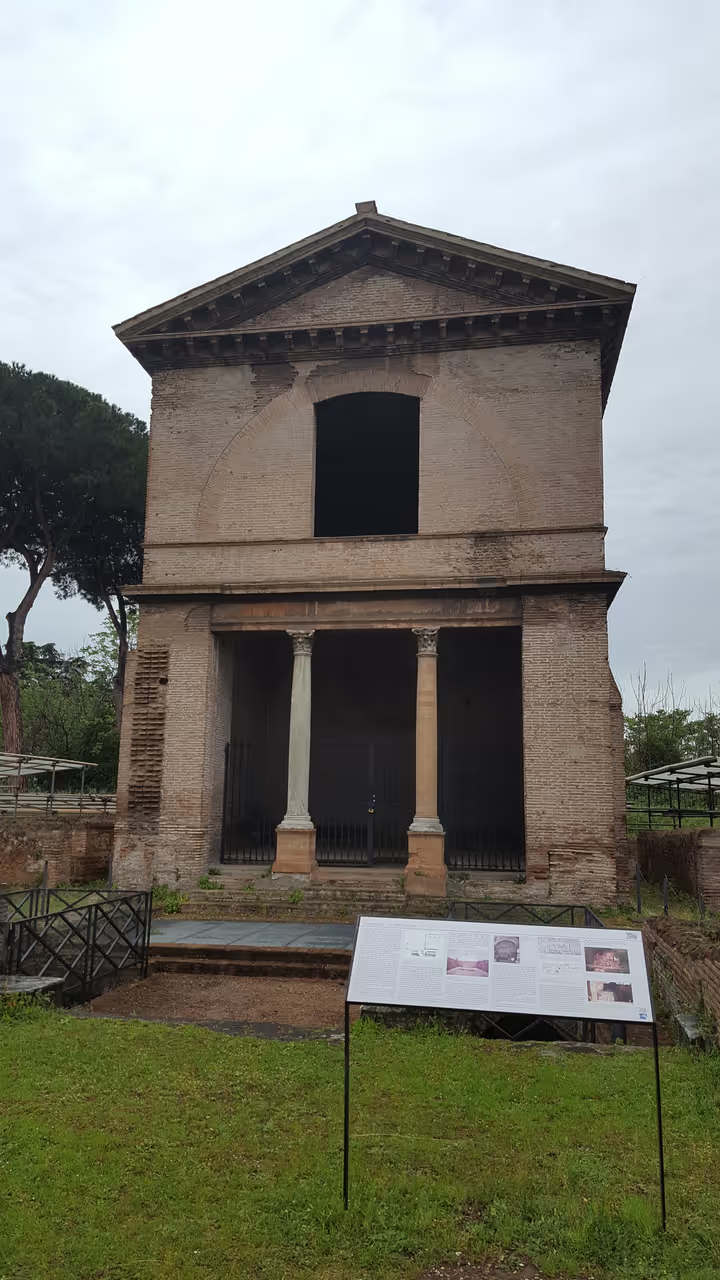
Hidden deep beneath the polished marble floors of the modern basilica lies a remarkably preserved ancient Roman street of the dead. This dark, humid archaeological site features incredibly intricate pagan mausoleums and early Christian tombs, slowly ascending toward the site's most sacred point. The tour culminates at a humble, glass-encased niche containing bones verified by the Vatican to belong to Saint Peter himself. Access is strictly limited to around 250 people a day to preserve the delicate environment, requiring written requests months in advance. It is an intensely atmospheric, chilling, and profoundly historic journey back to the first century.
hidden gem view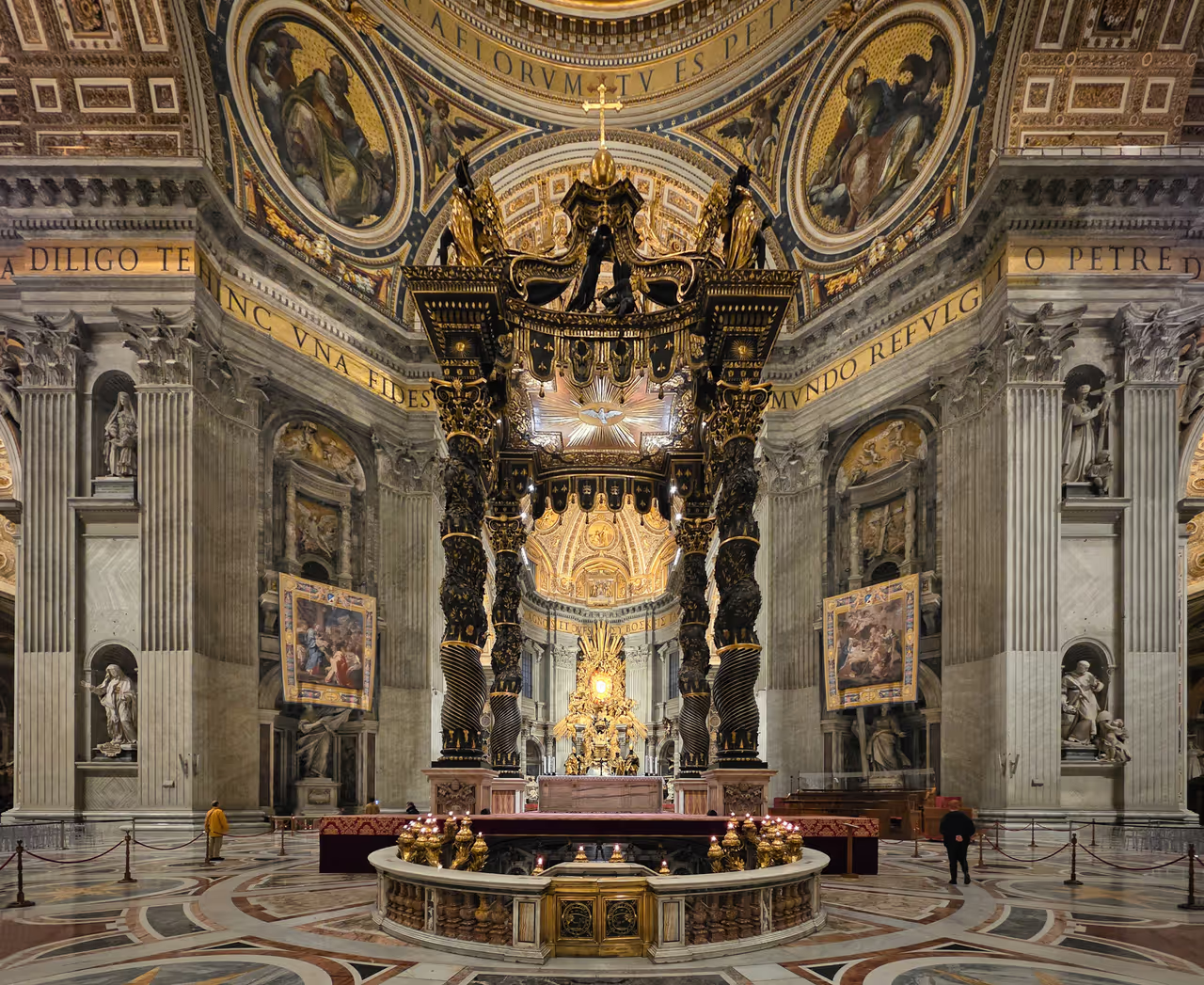 18m
Bernini's Baldachin
Towering almost 30 metres directly beneath the immense dome of St. Peter's Basilica, this colossal bronze canopy marks the site of the Papal Altar and the tomb of Saint Peter below. Designed by the visionary Baroque sculptor Gian Lorenzo Bernini, the structure features four massive, spiralling columns decorated with olive and laurel branches. The sheer scale of the piece was necessary to prevent it from being visually swallowed by the cavernous expanse of the basilica's interior. Pope Urban VIII famously allowed Bernini to strip ancient bronze from the portico of the Pantheon to gather enough material for the project. It stands as an absolute triumph of Baroque theatricality and engineering.
highlight view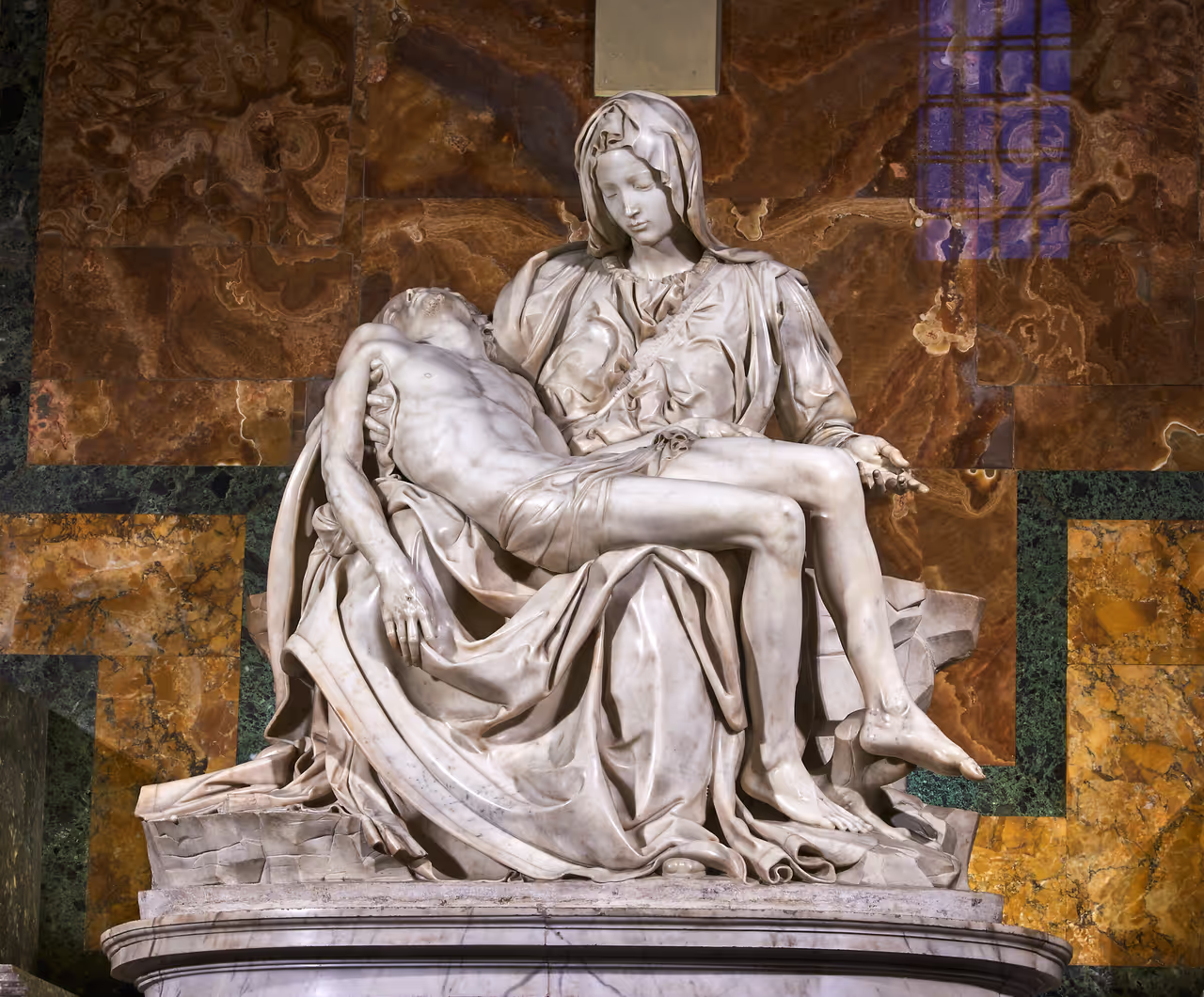 18m
Michelangelo's Pietà
Located in the first chapel on the right as you enter St. Peter's Basilica, this exquisite marble sculpture is universally regarded as one of the greatest works of art ever created. Carved by Michelangelo when he was just 24 years old, it depicts the Virgin Mary tenderly holding the lifeless body of Jesus after the Crucifixion. The incredible fluidity of the draped fabric and the hyper-realistic anatomy carved from solid Carrara marble defy belief. It is famously the only piece Michelangelo ever signed, carving his name prominently across Mary's sash. Following an attack by a vandal in 1972, the masterpiece is now protected behind reinforced bulletproof glass, though it loses none of its profound emotional impact.
highlight view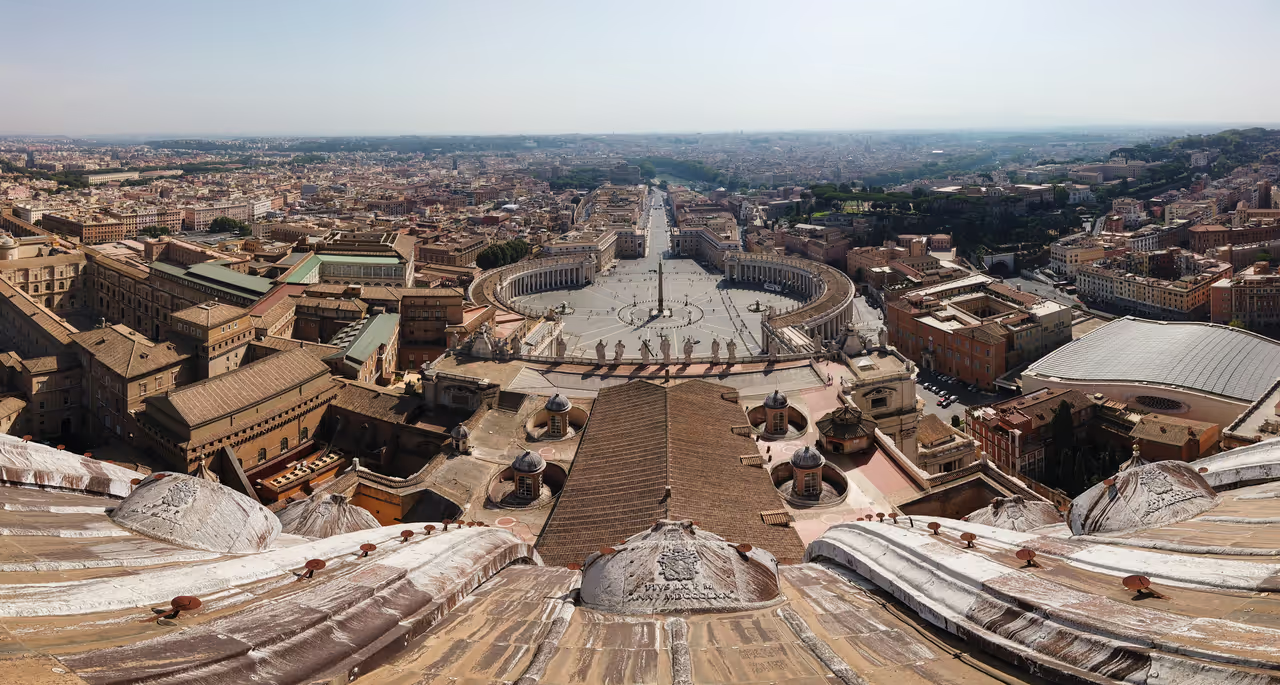 21m
St. Peter's Dome Viewpoint
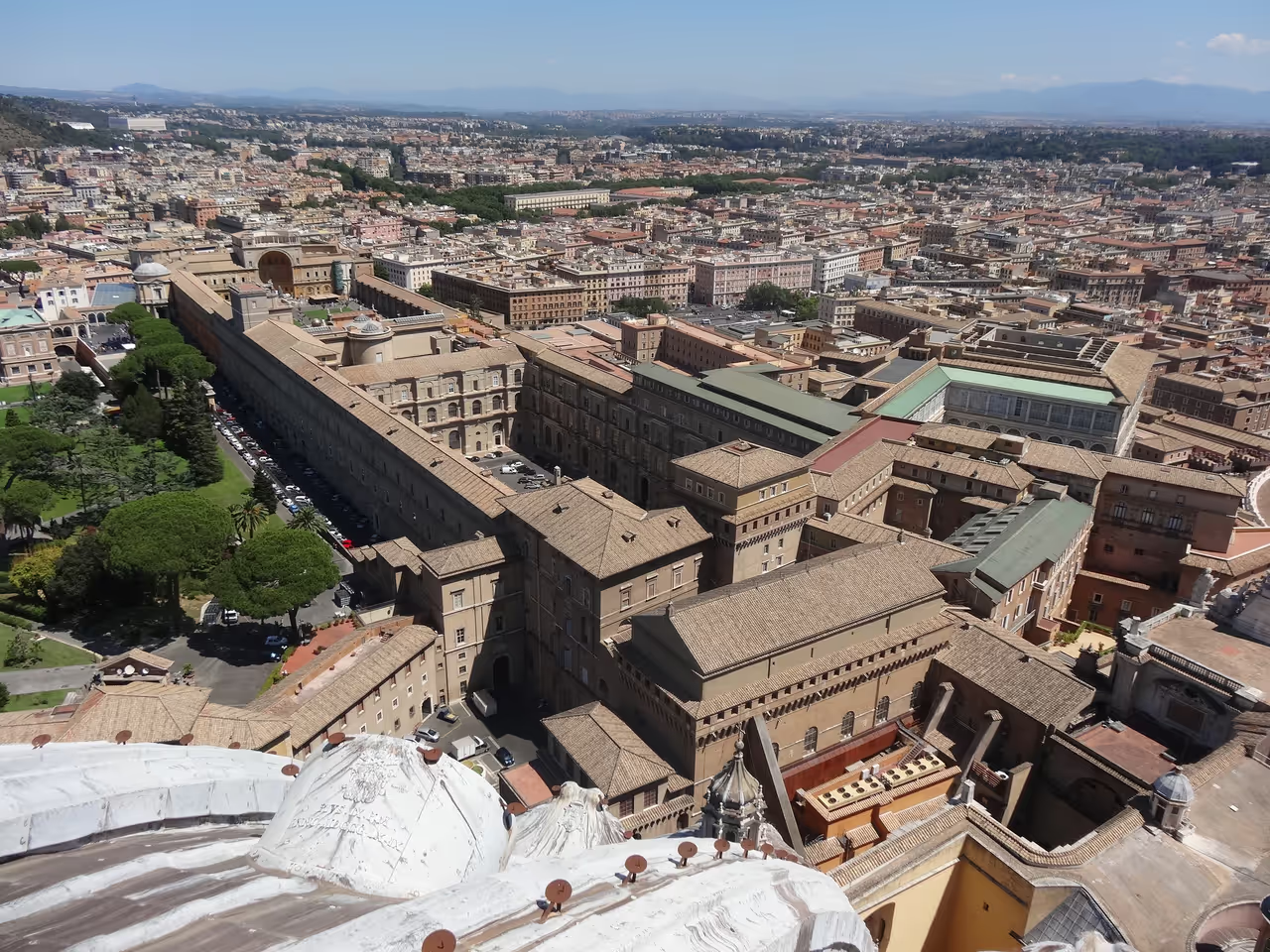
Reaching the absolute pinnacle of Michelangelo's magnificent dome requires climbing 323 steps through incredibly narrow, slanted spiral staircases, but the reward is unforgettable. From this exterior balcony, you look directly down onto the geometric perfection of St. Peter's Square and Bernini's embracing colonnades. Looking west, you are granted a rare, unobstructed view over the private, manicured Vatican Gardens and the state's administrative buildings. It is arguably the most iconic and breathtaking panoramic viewpoint available in the entire region.
viewpoint view
Explore Similar Places in This Collection
Featured on These Itineraries and Routes
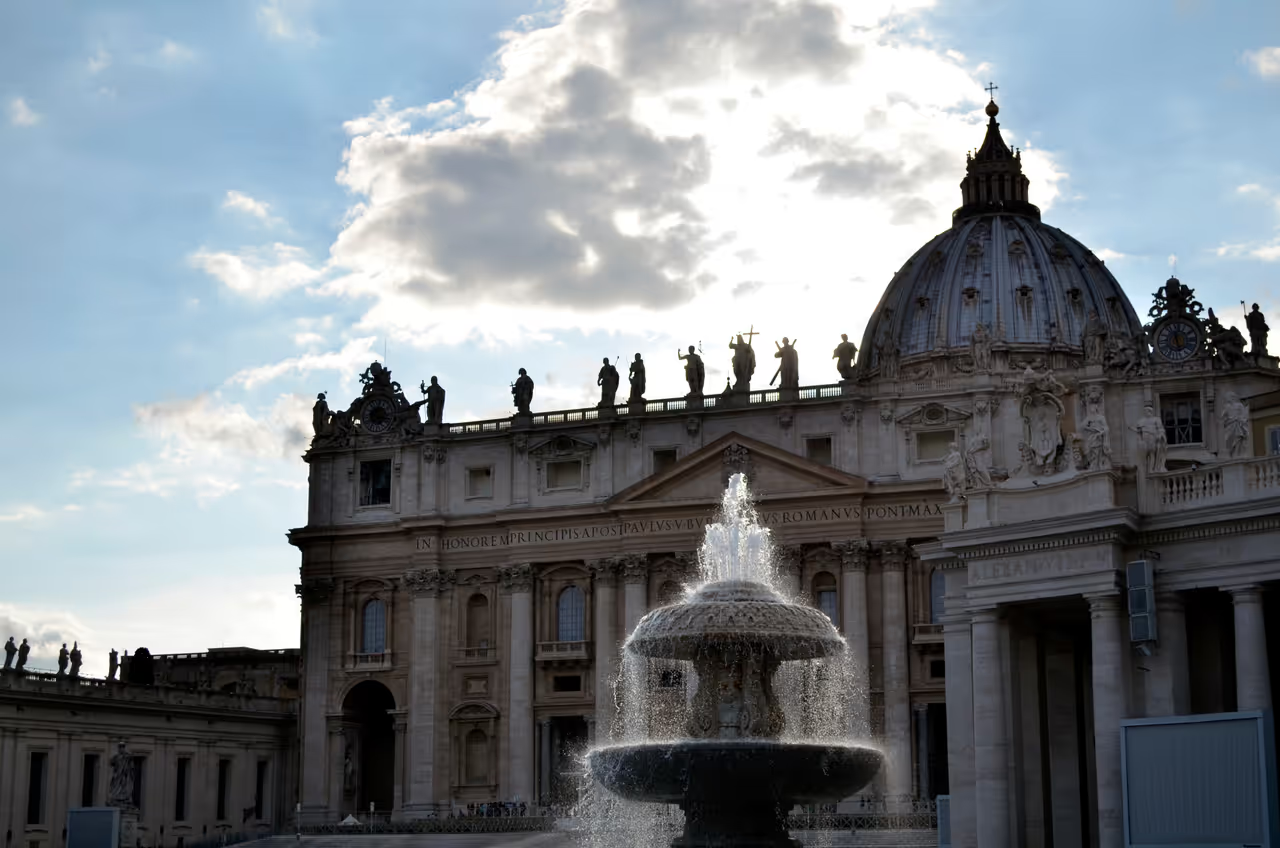
1 Day in Vatican City Itinerary
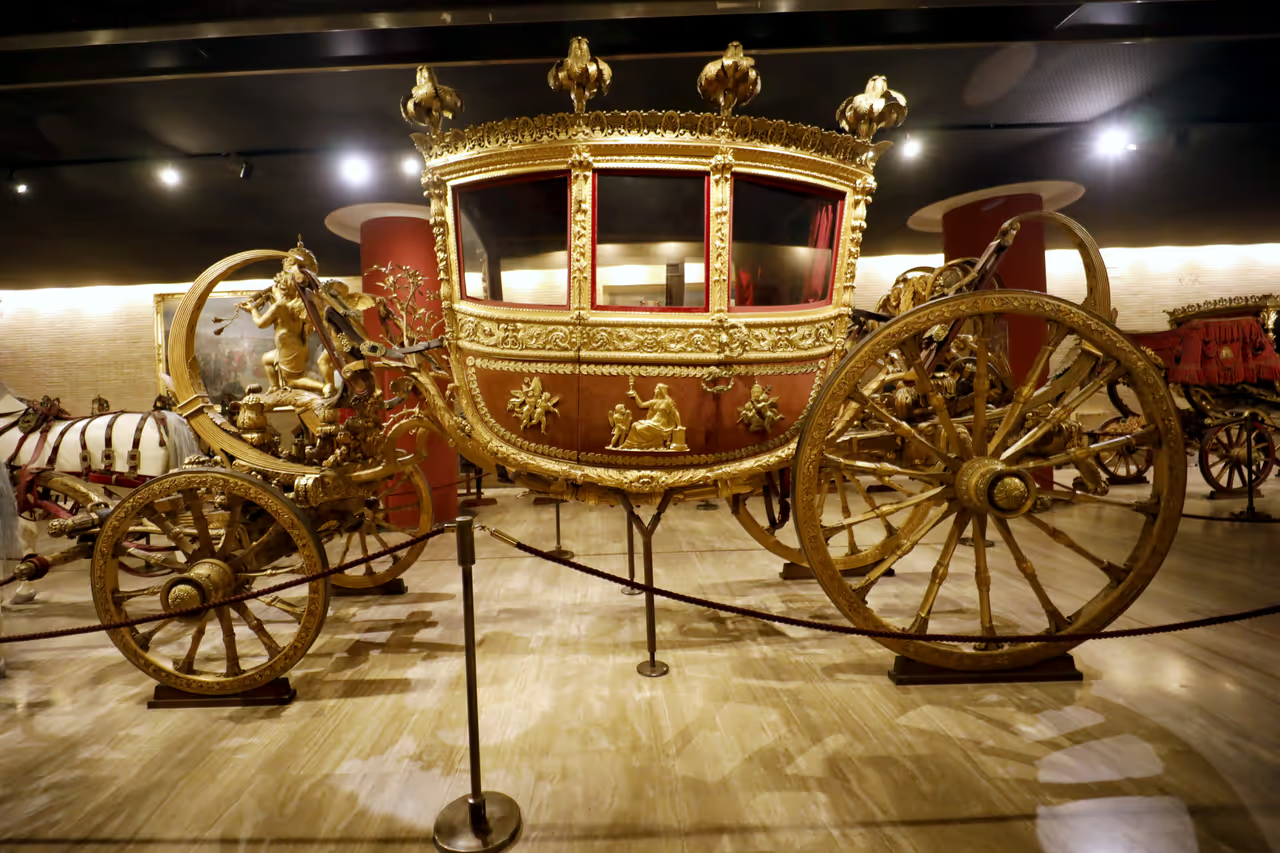
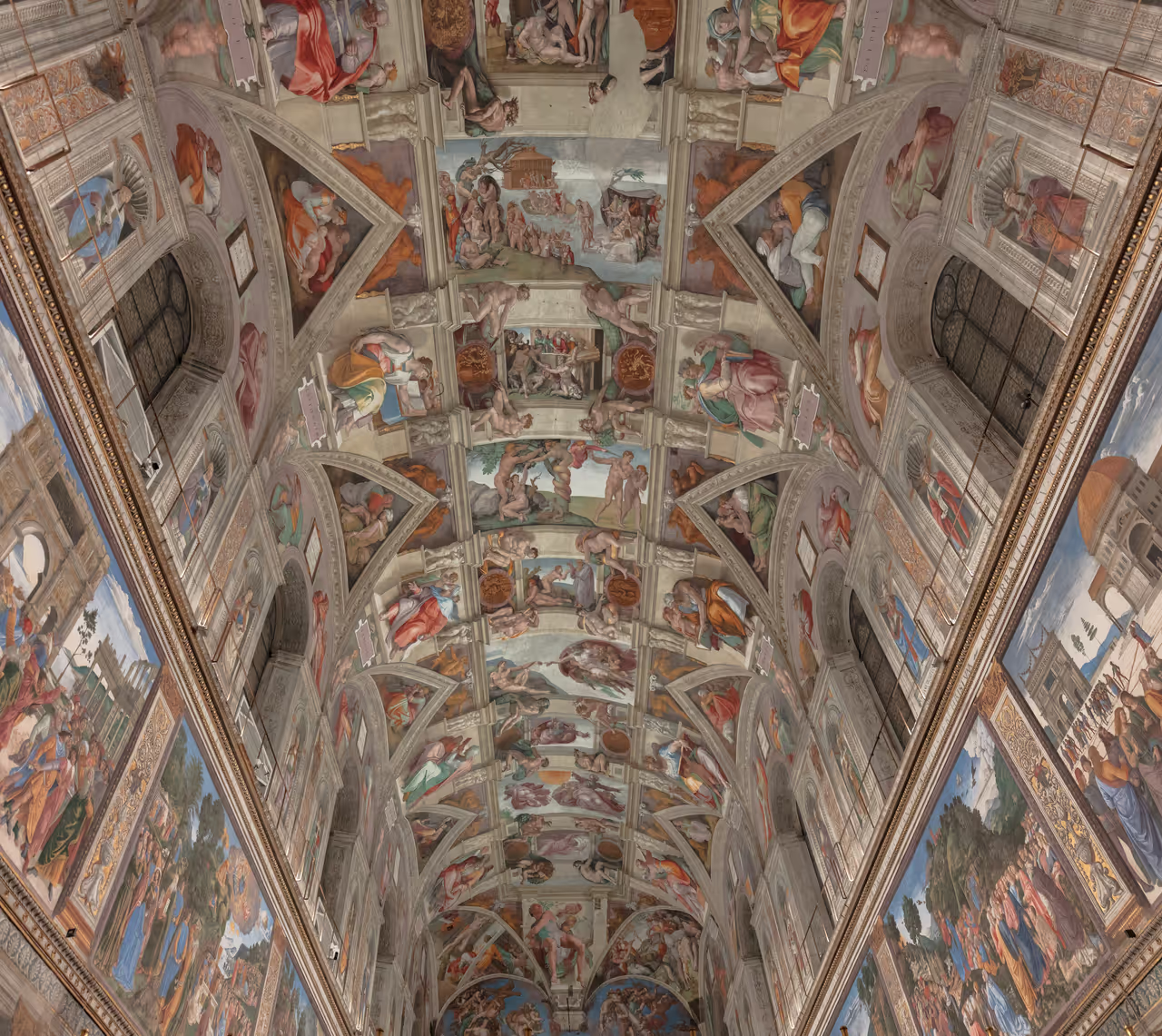
This intense, highly efficient itinerary packs the absolute must-see monumental sights into a single, breathtaking day. You will start early to tackle the immense art collections, culminating in Michelangelo's masterpiece, before crossing into the largest church in the world. The pace is rapid, but it ensures you witness the core artistic and spiritual legacy of the microstate. Wear your most comfortable walking shoes and prepare for an overwhelming visual feast.
view itinerary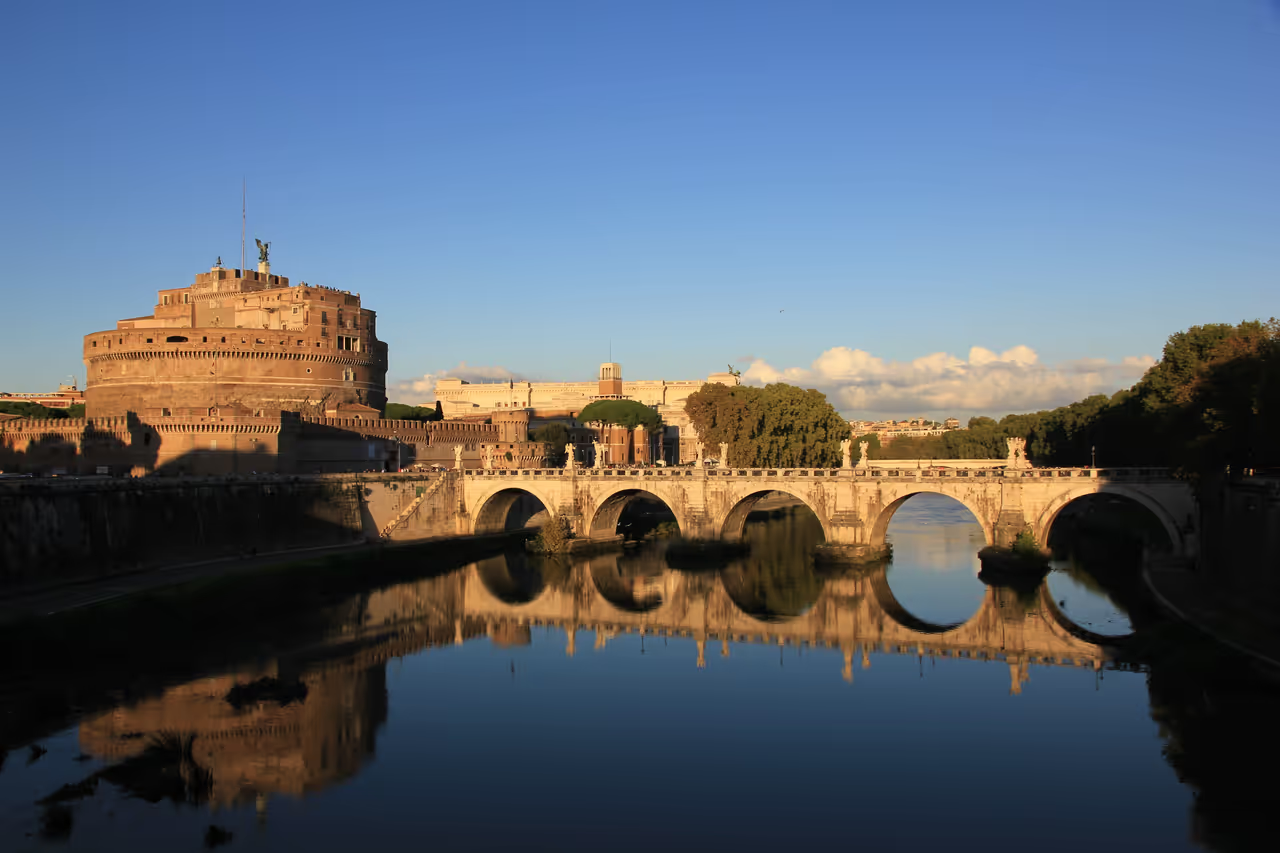
3 Days in Vatican City Itinerary
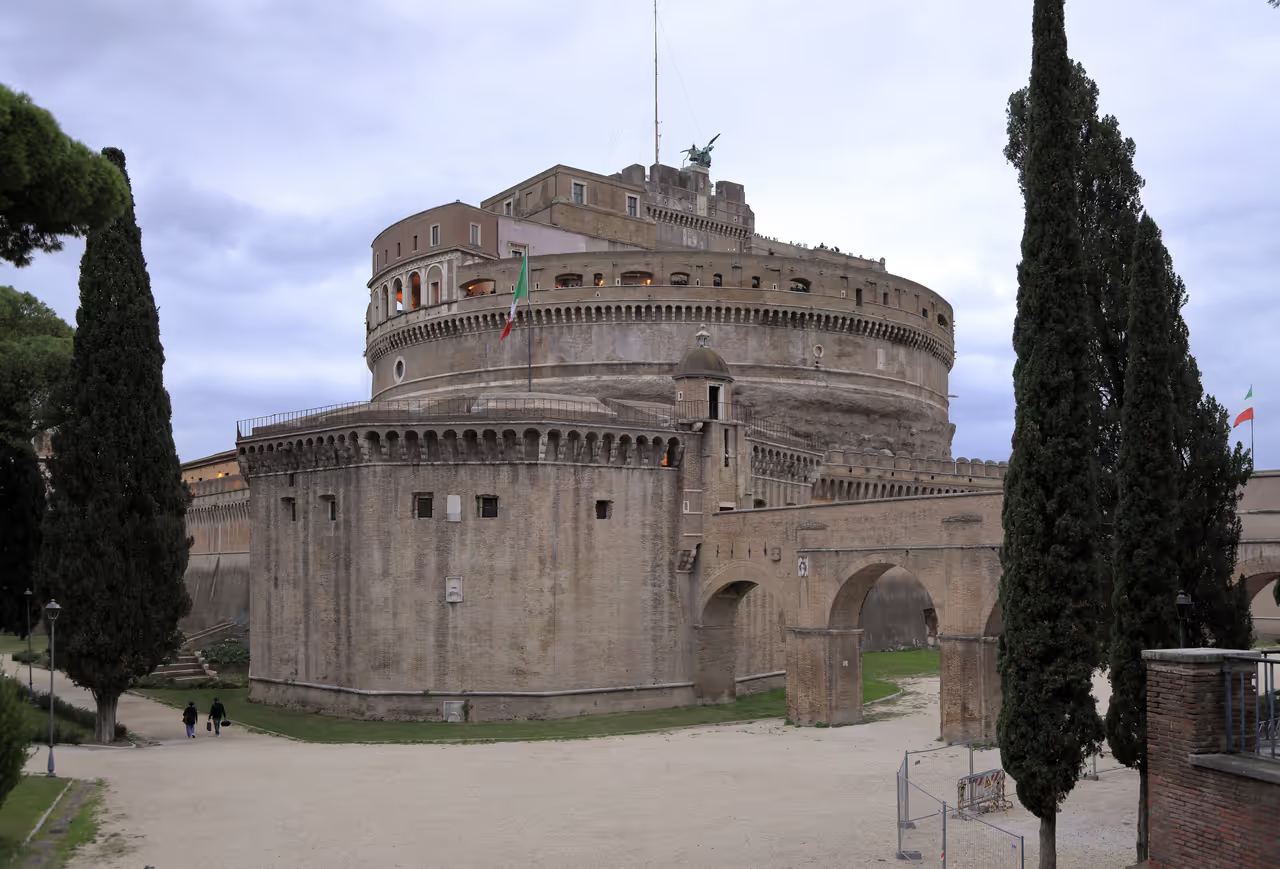
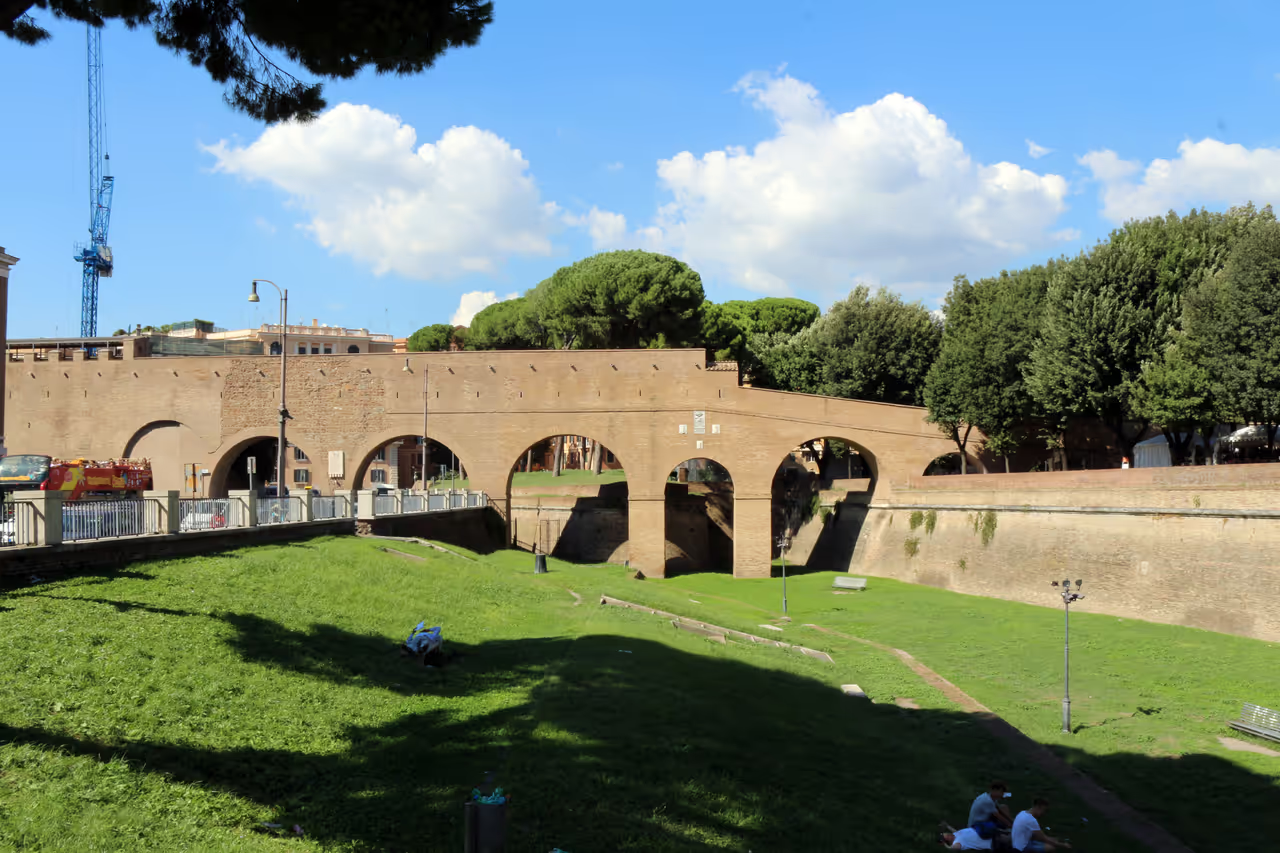
This balanced itinerary allows you to explore the Vatican without suffering from intense museum fatigue, breaking the major sights across three days. You will have time to delve deeper into specific artistic periods, uncover the ancient ruins beneath the basilica, and explore the military fortifications outside the walls. The pace allows for long, leisurely lunches in the nearby Prati or Borgo districts. It offers a comprehensive, highly satisfying exploration of papal history, art, and architecture.
view itinerary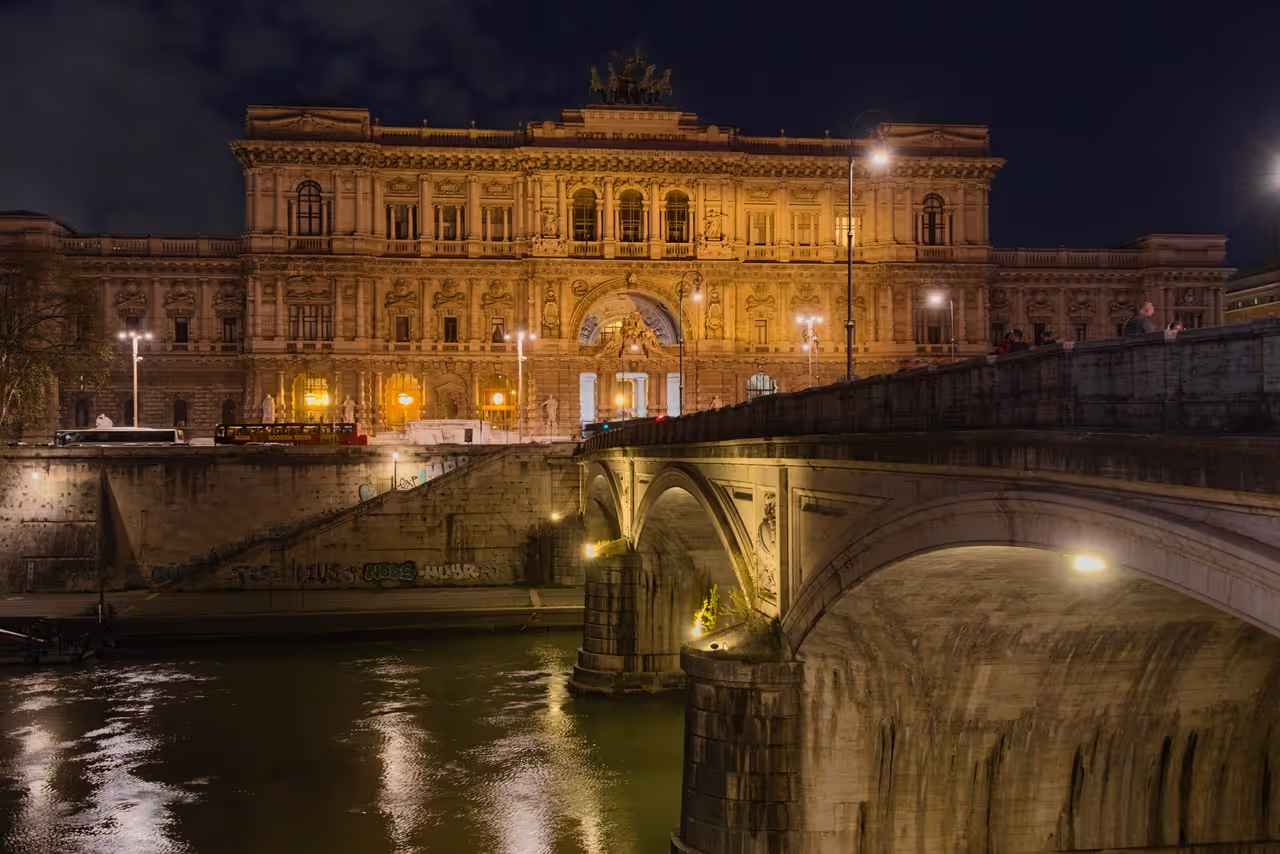
5 Days in Vatican City Itinerary
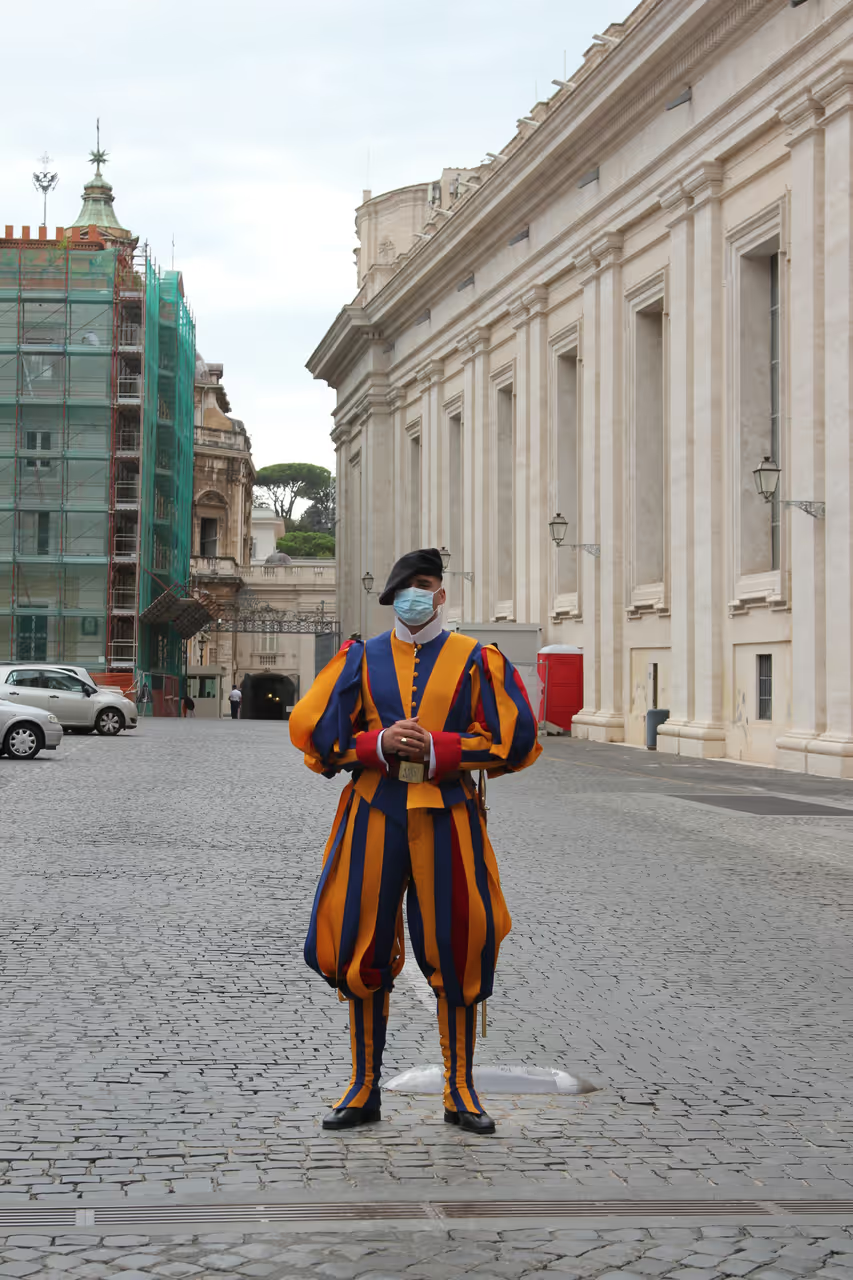
The ultimate deep dive into the smallest country on Earth and its immediate Roman surroundings. With five days, you can afford to linger on individual masterworks, explore the restricted lush gardens, and soak in the evening atmosphere of the elegant Prati district. This itinerary uncovers the hidden gems, the ancient fortifications, and the highest panoramic viewpoints. It is designed for serious lovers of history, providing an incredibly thorough and relaxing exploration of the entire area.
view itinerary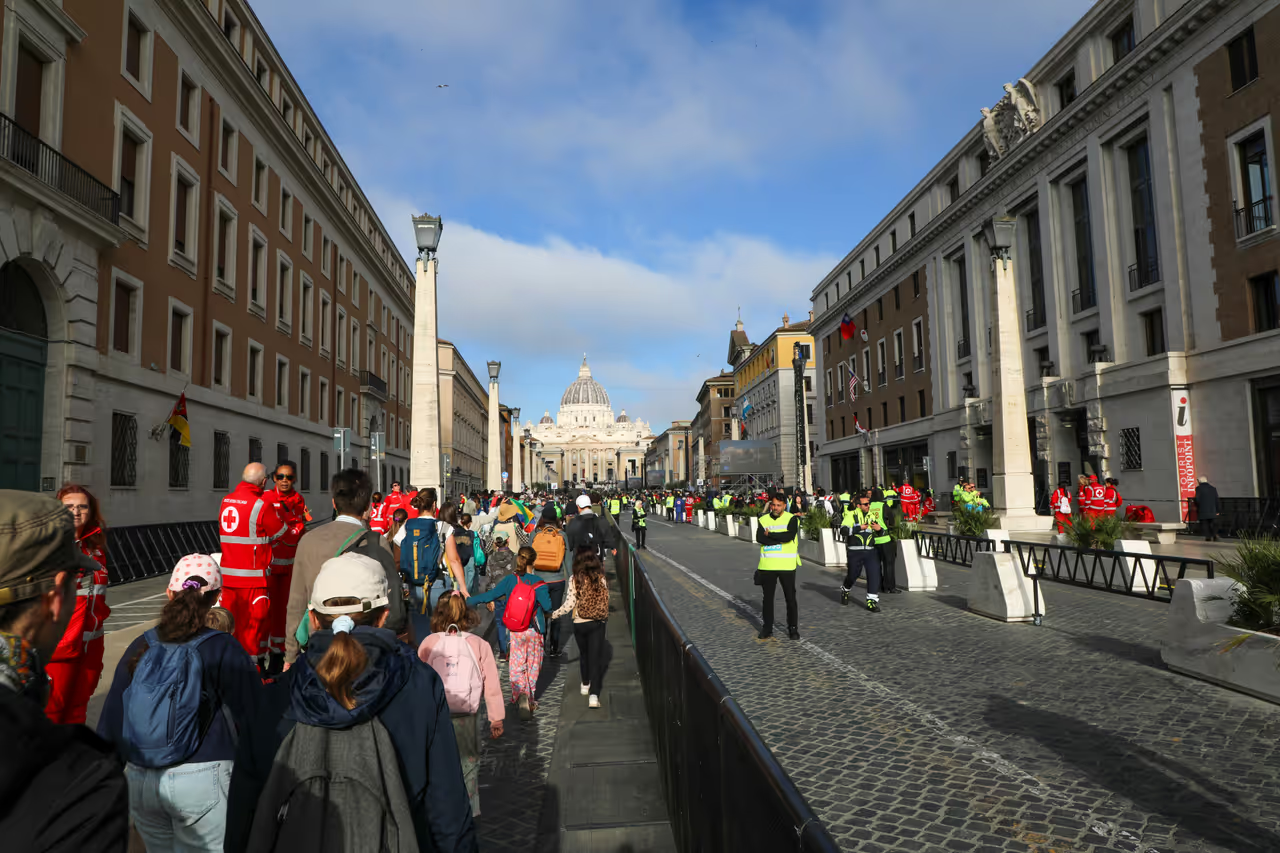
Grand Approach
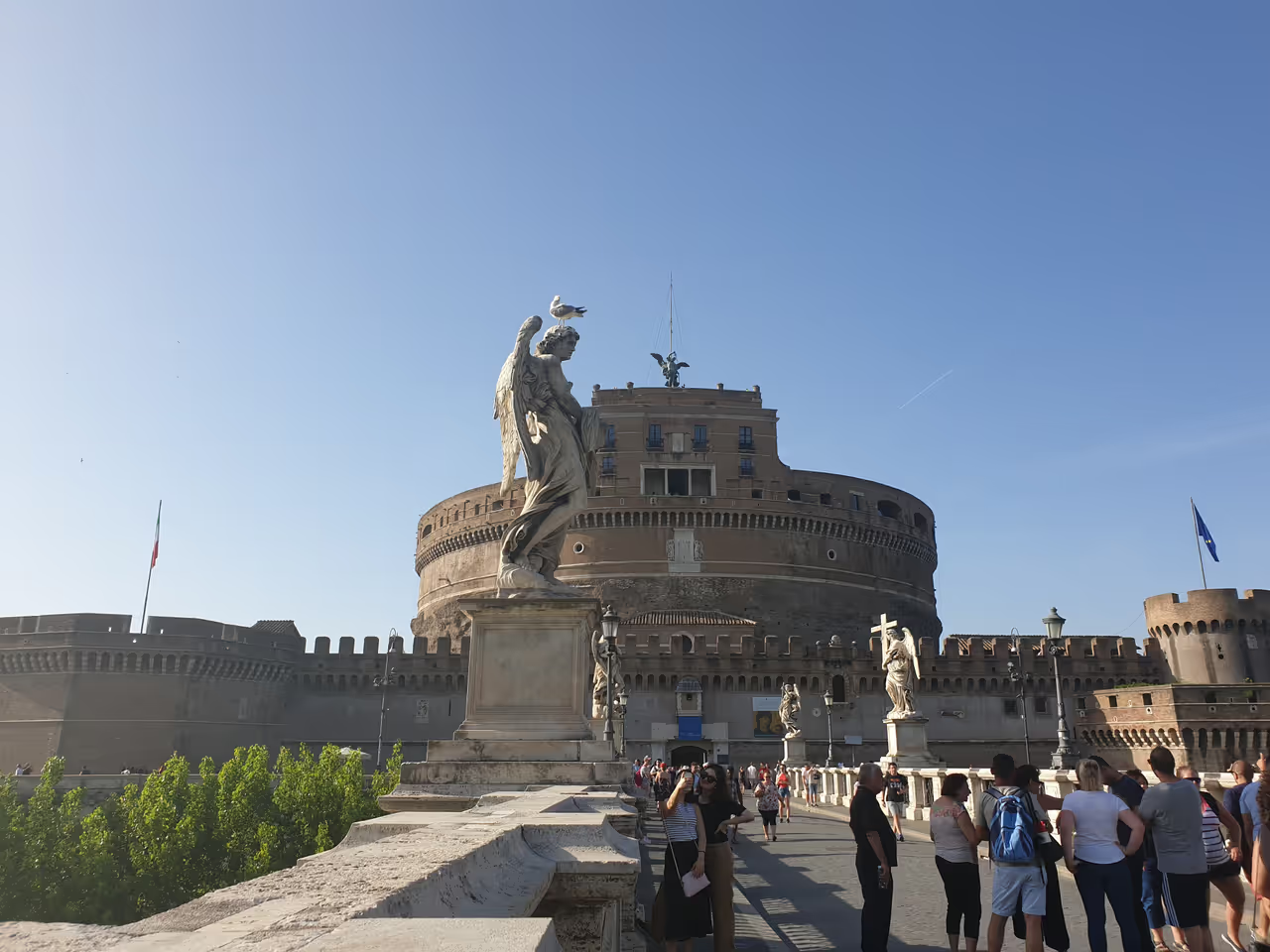
Walk the monumental, wide boulevard carved out in the 1930s specifically to frame the magnificent dome of St. Peter's Basilica. Beginning at the banks of the Tiber River near the ancient mausoleum, the stroll draws you directly toward the heart of the Vatican. Every step forward gradually reveals the sheer, intimidating scale of the basilica's facade and Bernini's sweeping colonnades. It is an incredibly dramatic, highly photogenic walk that sets the perfect mood before entering the holy city.
view walking route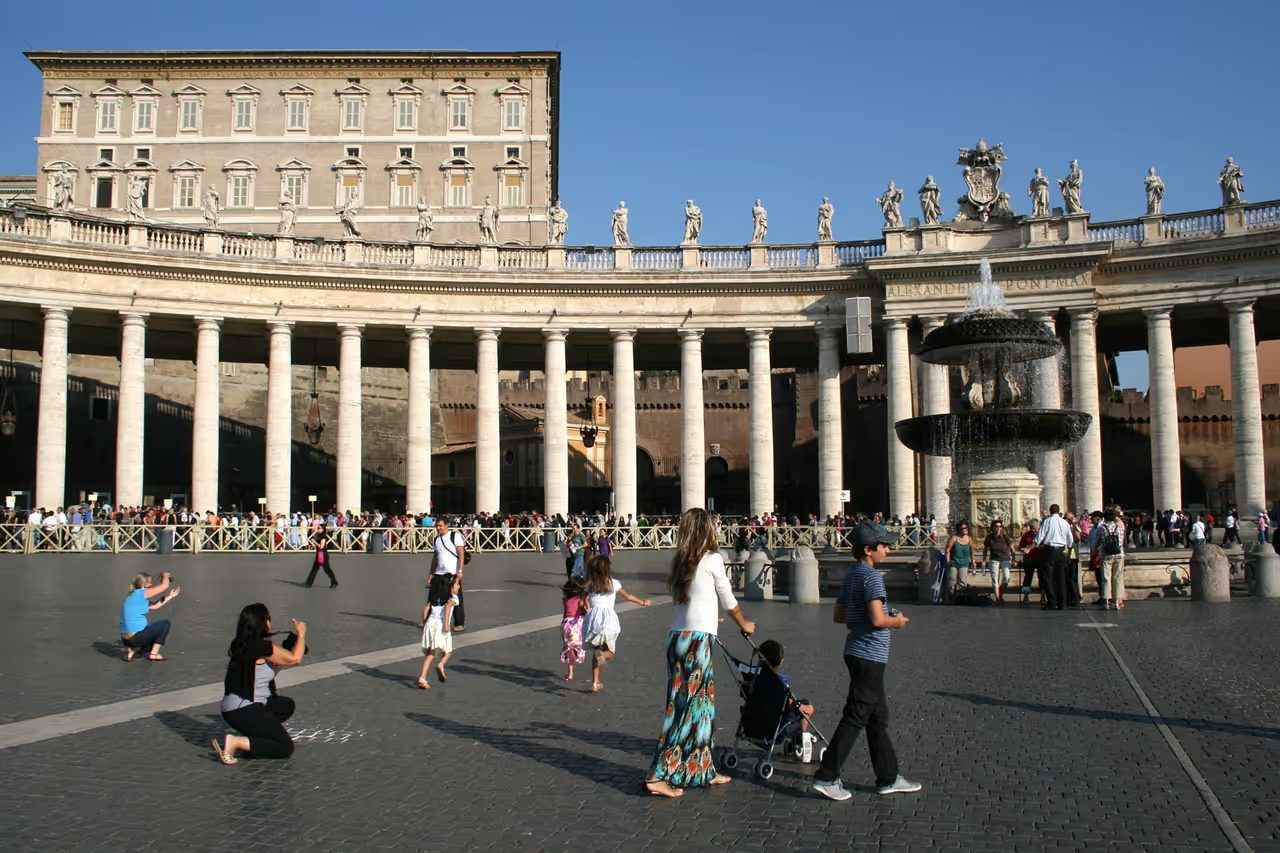
Renaissance Masterpieces Tour
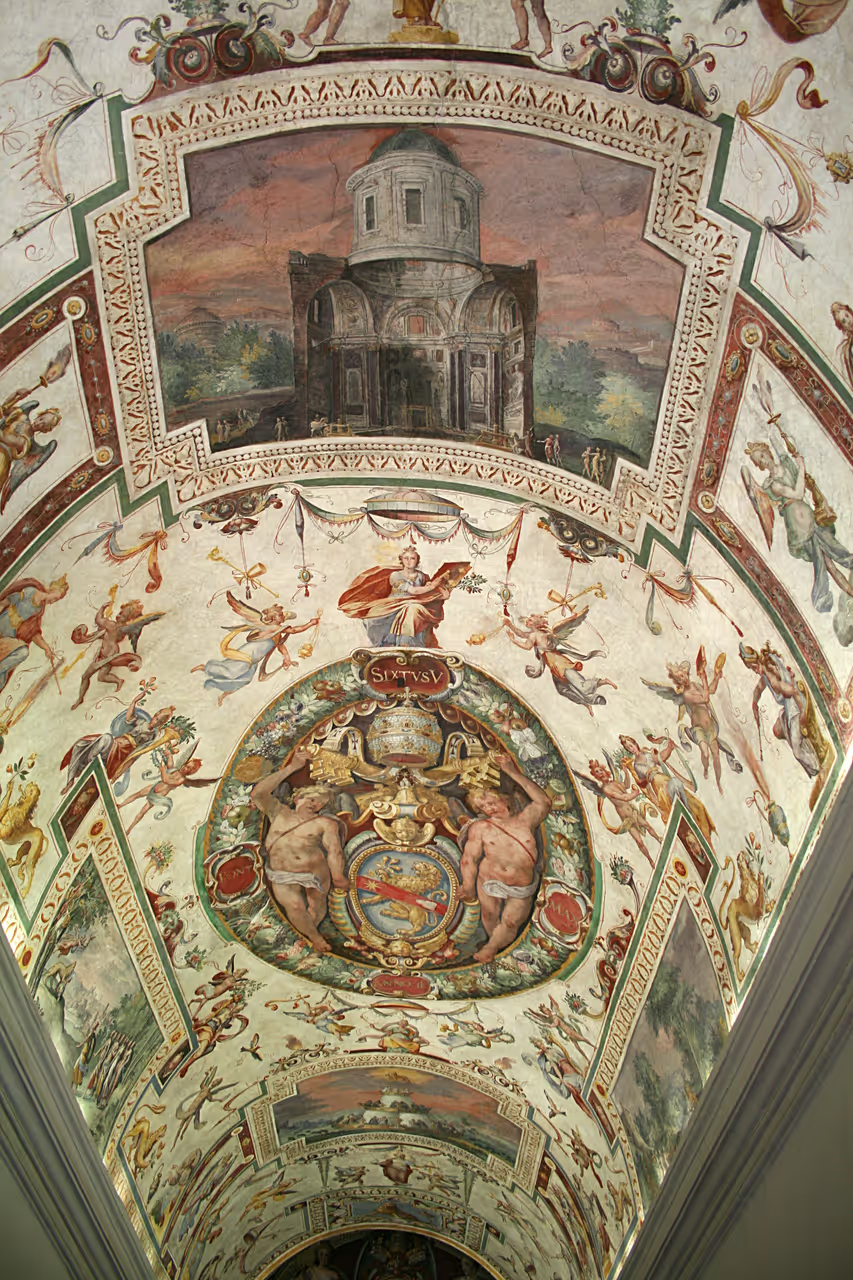
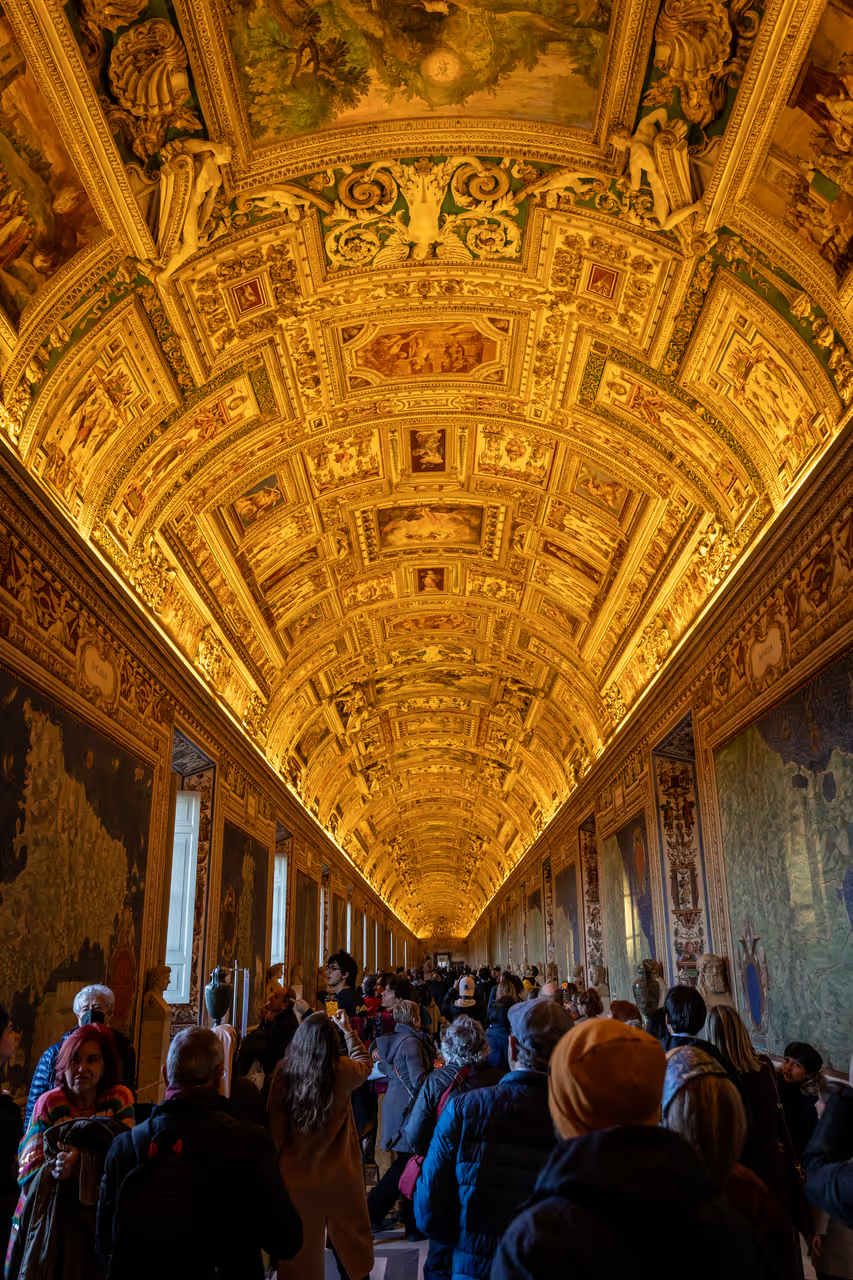
Embark on an awe-inspiring journey through the greatest concentration of Renaissance art anywhere on the planet. This self-guided narrative guides you through the opulent halls of the Vatican Museums, examining how popes patronised fierce artistic rivals to decorate their palaces. You will stand beneath Michelangelo's revolutionary frescoes and walk through the incredibly detailed rooms painted by the young prodigy Raphael. The tour focuses on the explosive period of creativity that forever changed Western art and architecture, culminating in the majestic basilica itself.
view self-guided tour
See all attractions in Vatican City
Including Sistine Chapel, Vatican Museums