Sistine Chapel
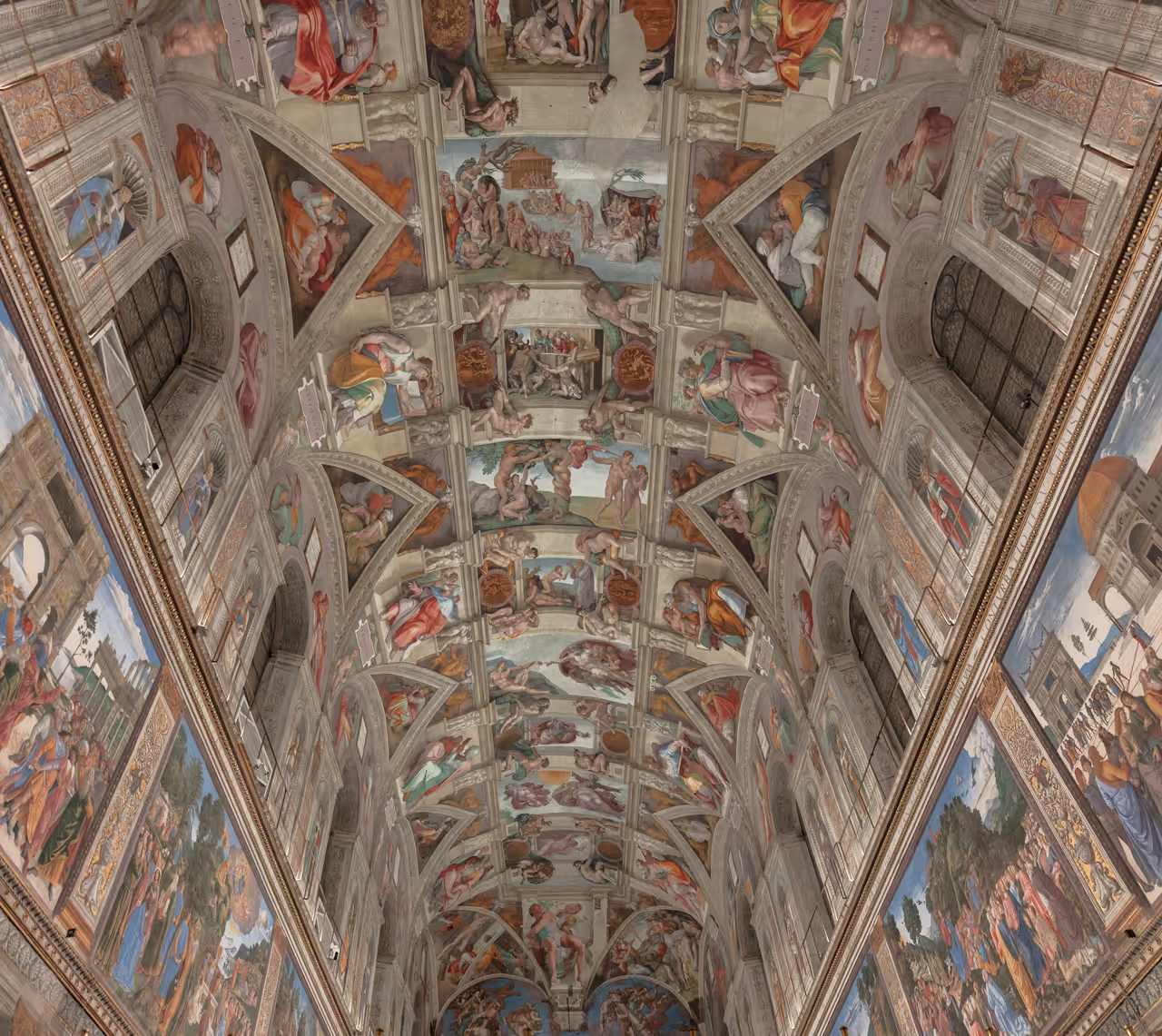
Step inside one of the world's most breathtaking artistic treasures, where every inch of wall and ceiling tells a profound story of faith and human genius. As the sacred venue for papal conclaves, this iconic chapel serves as the beating heart of the Vatican, offering an experience that transcends mere sightseeing. You will find yourself dwarfed by the sheer scale and intricate detail of Michelangelo's legendary frescoes, including the awe inspiring Creation of Adam and the dramatic Last Judgment. Beyond the Renaissance masterpieces, the chapel walls display a stunning collection of works by other titans like Botticelli and Perugino, creating a harmonious dialogue of biblical narratives. Visiting here is truly a pilgrimage into the pinnacle of Western art history that leaves every traveller profoundly moved. It is not just a room of paintings, but a monumental testament to what the human spirit can achieve when inspired by the divine.
Videos
History of Sistine Chapel
The history of the Sistine Chapel began with a bold vision from Pope Sixtus IV, who sought to restore the grandeur of the Vatican in the late fifteenth century. Architect Baccio Pontelli designed a space that mirrored the dimensions of the Temple of Solomon, creating a fortress of faith that would host the most solemn papal ceremonies. The chapel was originally adorned with frescoes by the greatest masters of the day, including Perugino, Botticelli, and Ghirlandaio, who painted stories of Moses and Christ to establish a theological narrative of continuity. The chapel's identity shifted forever when Pope Julius II commissioned Michelangelo Buonarroti to paint the ceiling in 1508. Michelangelo, primarily a sculptor, reluctantly accepted the task that would consume four years of his life. Perched precariously on wooden scaffolding, he labored alone, breathing in plaster dust and enduring backbreaking physical strain to create what is arguably the greatest masterpiece in the history of Western art. His work transformed the simple vaulted ceiling into a celestial stage, alive with prophets, sibyls, and the raw emotion of the biblical narrative. Decades later, the chapel underwent another transformation under Pope Paul III, who tasked the aging Michelangelo to return and paint the altar wall. The resulting Last Judgment was a departure from the orderly perfection of the ceiling, reflecting a darker, more turbulent period of the Reformation. It sparked immediate controversy for its depiction of nude figures, a critique that eventually led to the later addition of painted drapery. Today, despite centuries of candle smoke and structural challenges, the chapel stands as a resilient witness to human ingenuity and spiritual devotion, capturing the imagination of millions who stand within its hallowed walls each year.
events spanning 519 years
Fun Facts
10- 01
Biagio da Cesena, the papal master of ceremonies, complained about the nudity in the Last Judgment, so Michelangelo painted him into the work as Minos, the judge of the underworld, with donkey ears and a serpent biting his leg.
- 02
Daniele da Volterra was hired to paint drapery over the genitalia of figures in the Last Judgment after the Council of Trent, earning him the nickname Braghettone, or the breeches maker.
- 03
During the conclave to elect a new Pope, the chapel is hermetically sealed to ensure secrecy, and a special stove is installed to burn the ballots, producing either black or white smoke to signal the result to the world.
- 04
Michelangelo originally wanted to be a sculptor, not a painter, and was highly reluctant to accept the commission for the ceiling, claiming he was not a painter by trade.
- 05
Michelangelo painted his own face onto the flayed skin of Saint Bartholomew in the Last Judgment, a haunting self portrait that hints at his complex internal struggles.
- 06
Raphael designed a series of tapestries for the lower walls, which were intended to be hung during high feasts to complement the frescoes above, reinforcing the theological continuity between the Old and New Testaments.
- 07
The chapel has no ground floor windows; all natural light enters from high up in the walls, creating a focused, dramatic illumination that directs the viewer's gaze upward.
- 08
The chapel was built to match the exact dimensions of the Temple of Solomon as described in the Old Testament, creating a space meant to represent the earthly connection to the divine.
- 09
The controversial restoration in the late 20th century revealed vibrant, shocking colours beneath centuries of candle smoke and grime, fundamentally changing how the world perceived Michelangelo's use of colour.
- 10
When Mahatma Gandhi visited in 1931, he was not moved by the grandeur of the frescoes, but was deeply struck by the small, suffering crucifix on the altar, reportedly weeping at its sight.
FULL PLACE DETAILS
OVERVIEW & STATS
- Established
- In 1473, making it 553 years old
ARCHITECTURE & HERITAGE
- Architectural Styles
- Renaissance
- Architects
- Baccio Pontelli
- Founders
- Sixtus Iv
WEB & AMENITIES
Sistine Chapel Map & Neighborhood Explorer
This interactive map is centered on Sistine Chapel. Zoom in and move the map around to automatically discover Wikipedia photos and summaries of other nearby sights, monuments, and historical points of interest and stories in real-time!
Sistine Chapel FAQ
The Sistine Chapel is located within the Vatican Museums. Your admission ticket to the museums grants you entry to the chapel, so there is no separate ticket required.
Photography and video recording are strictly prohibited inside the Sistine Chapel to preserve the artwork and maintain a respectful, contemplative atmosphere.
When a Pope passes away or resigns, the chapel is closed to the public to host the conclave, a secret meeting of Cardinals who gather to elect the next pontiff.
The ceiling was initially commissioned as a depiction of the Twelve Apostles, but Michelangelo expanded the scope to include over three hundred figures, creating a complex and sprawling narrative of human creation.
A typical visit takes about 1 hour. We recommend planning your schedule accordingly to make the most of your time there.
The closest place to visit near Sistine Chapel is Apostolic Palace, around 67 m away. Other things to do near Sistine Chapel include Christmas Midnight Mass (110 m), Bernini's Baldachin (122 m) and Michelangelo's Pietà (122 m). All of these are within roughly 122 m of Sistine Chapel, close enough to walk.
It dates back to 1473, making it 553 years old.
Sistine Chapel was founded by Sixtus IV. It was designed by Baccio Pontelli in the Renaissance style.
While we strive to keep this information accurate and up to date, we recommend verifying any details independently before making decisions based on them.
Places near Sistine Chapel
Make the most of your trip. Check out these top-rated spots located nearby.
 67m
Apostolic Palace
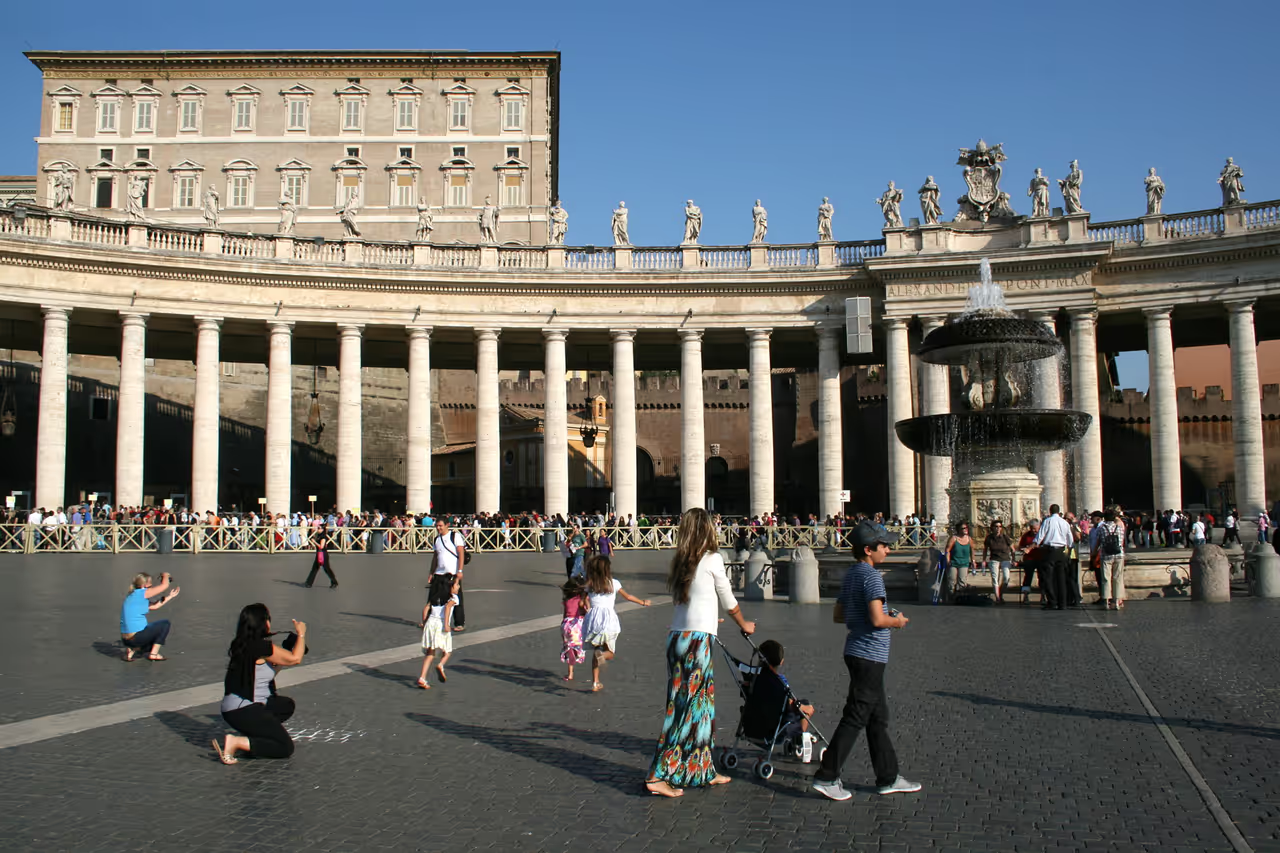
This sprawling, complex labyrinth of buildings serves as the official residence of the Pope, though recent pontiffs have often chosen simpler accommodations. The palace is an architectural amalgamation built over centuries, comprising papal apartments, administrative offices, and parts of the Vatican Museums. From the exterior in St. Peter's Square, its most famous feature is the top-floor window where the Pope frequently appears to deliver the Sunday Angelus blessing to the crowds below. The sheer size and asymmetrical, blocky structure of the complex illustrate centuries of continuous addition by ambitious popes.
architecture view- 110m
Christmas Midnight Mass
Celebrated on Christmas Eve, this magnificent liturgy is held inside the breathtaking St. Peter's Basilica. The Pope presides over the service, which is broadcast to millions worldwide, featuring glorious choral music and the majestic sounding of the basilica's bells. The square outside is also illuminated by a towering Christmas tree and a beautifully crafted life-sized Nativity scene. Securing tickets requires planning months in advance, but standing in the square to watch on the large screens is equally magical.
festival view 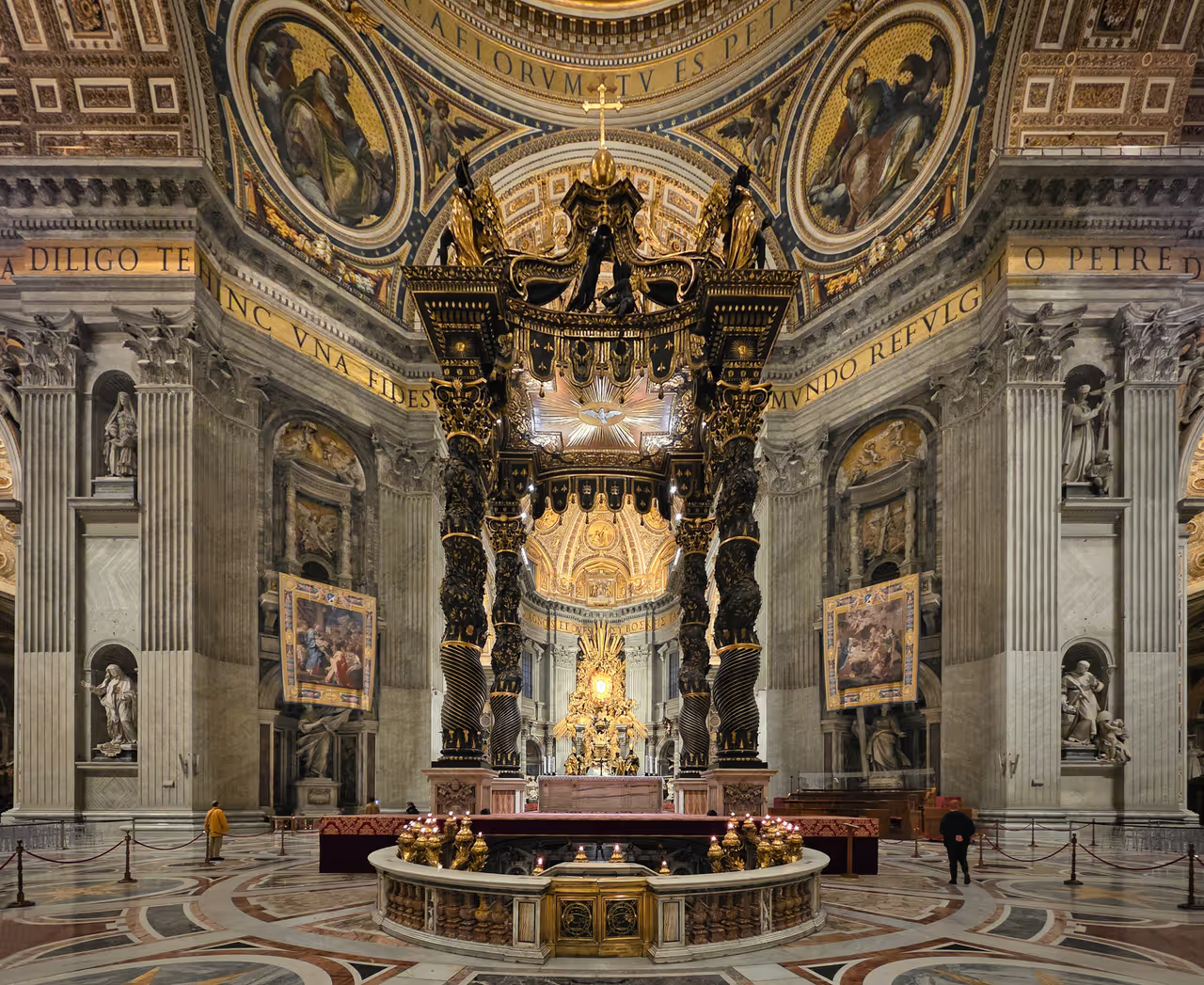 122m
Bernini's Baldachin
Towering almost 30 metres directly beneath the immense dome of St. Peter's Basilica, this colossal bronze canopy marks the site of the Papal Altar and the tomb of Saint Peter below. Designed by the visionary Baroque sculptor Gian Lorenzo Bernini, the structure features four massive, spiralling columns decorated with olive and laurel branches. The sheer scale of the piece was necessary to prevent it from being visually swallowed by the cavernous expanse of the basilica's interior. Pope Urban VIII famously allowed Bernini to strip ancient bronze from the portico of the Pantheon to gather enough material for the project. It stands as an absolute triumph of Baroque theatricality and engineering.
highlight view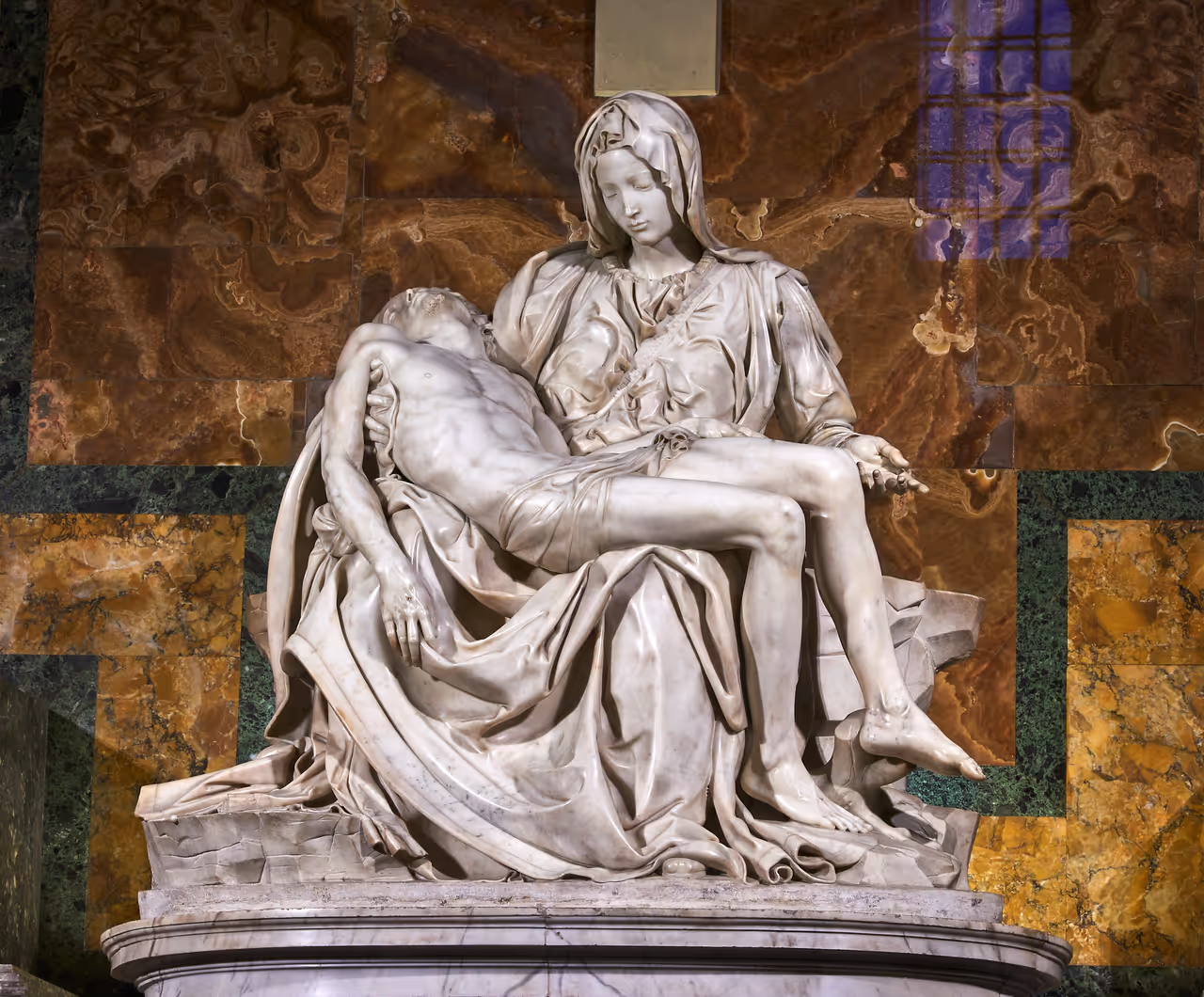 122m
Michelangelo's Pietà
Located in the first chapel on the right as you enter St. Peter's Basilica, this exquisite marble sculpture is universally regarded as one of the greatest works of art ever created. Carved by Michelangelo when he was just 24 years old, it depicts the Virgin Mary tenderly holding the lifeless body of Jesus after the Crucifixion. The incredible fluidity of the draped fabric and the hyper-realistic anatomy carved from solid Carrara marble defy belief. It is famously the only piece Michelangelo ever signed, carving his name prominently across Mary's sash. Following an attack by a vandal in 1972, the masterpiece is now protected behind reinforced bulletproof glass, though it loses none of its profound emotional impact.
highlight view
Explore Similar Places in This Collection
Featured on These Itineraries and Routes
1 Day in Vatican City Itinerary
This intense, highly efficient itinerary packs the absolute must-see monumental sights into a single, breathtaking day. You will start early to tackle the immense art collections, culminating in Michelangelo's masterpiece, before crossing into the largest church in the world. The pace is rapid, but it ensures you witness the core artistic and spiritual legacy of the microstate. Wear your most comfortable walking shoes and prepare for an overwhelming visual feast.
view itinerary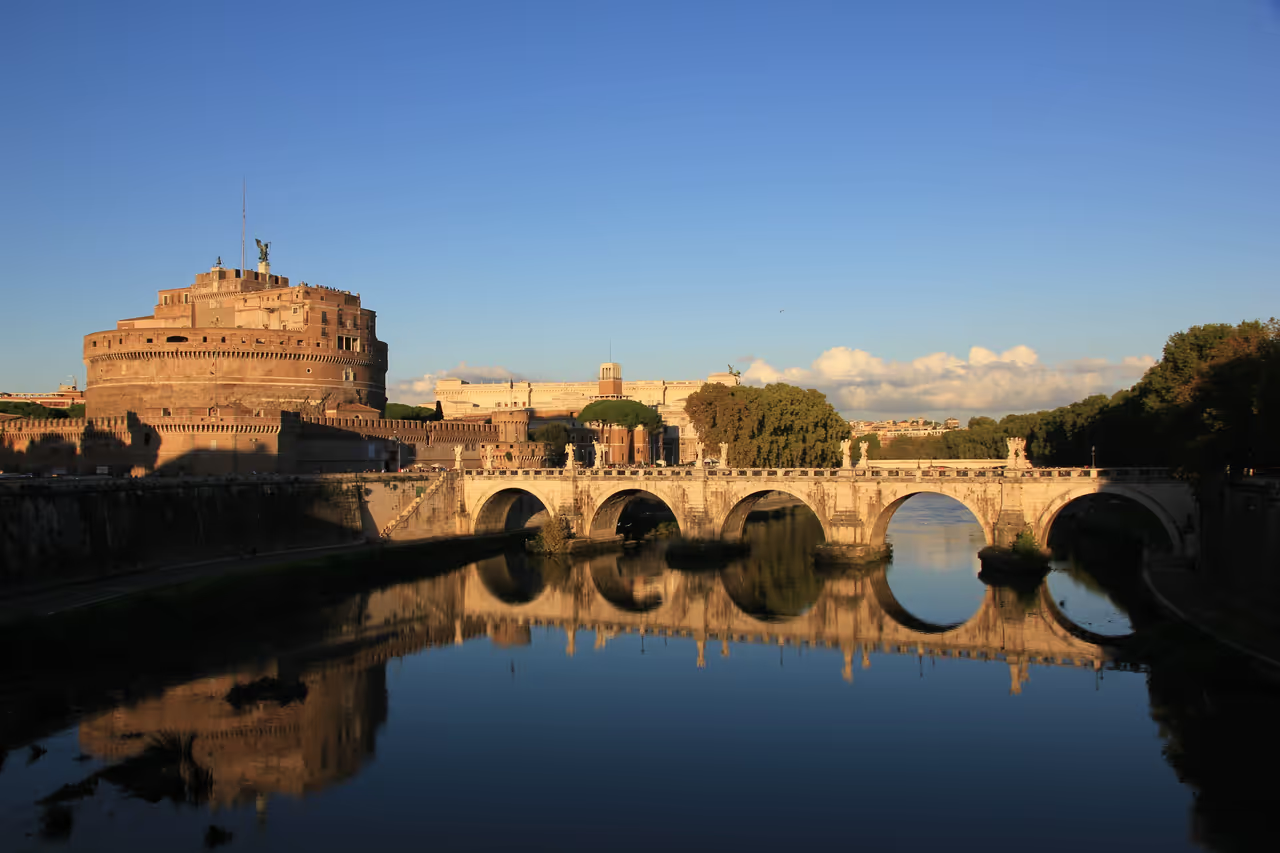
3 Days in Vatican City Itinerary
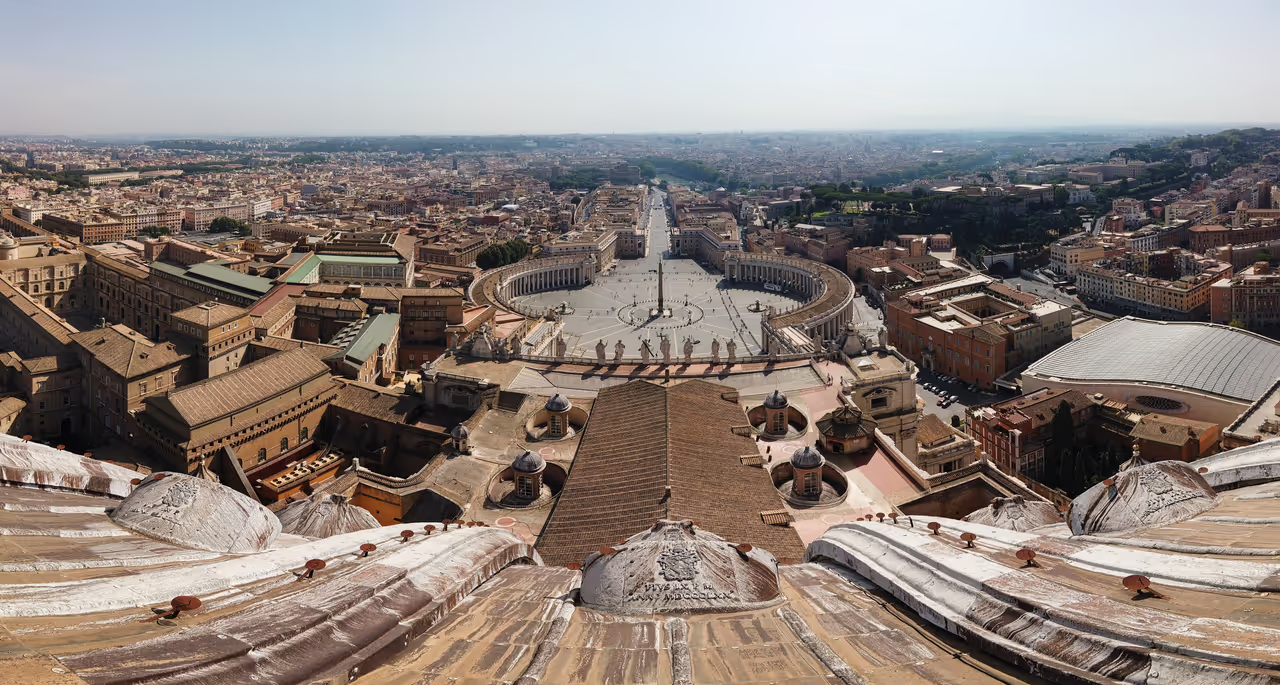
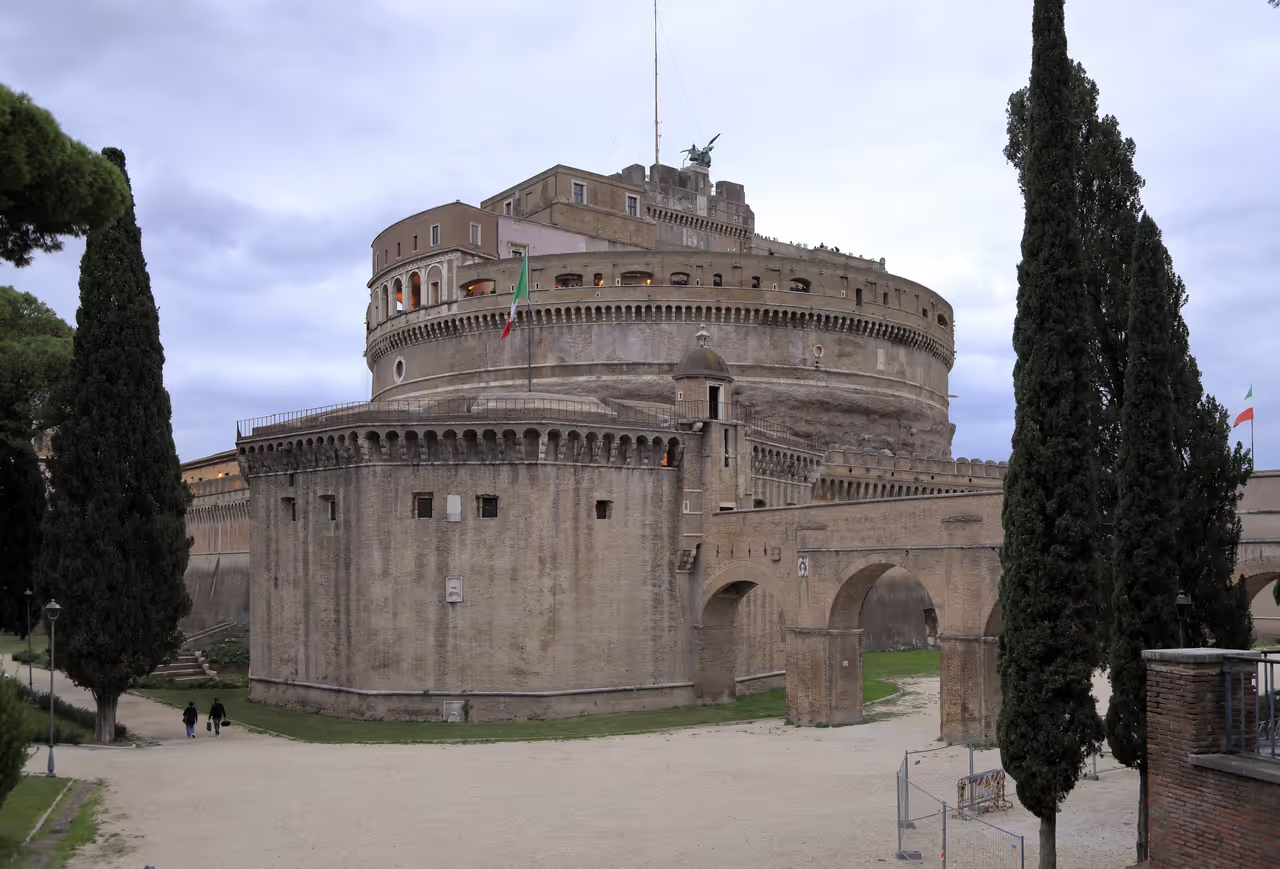
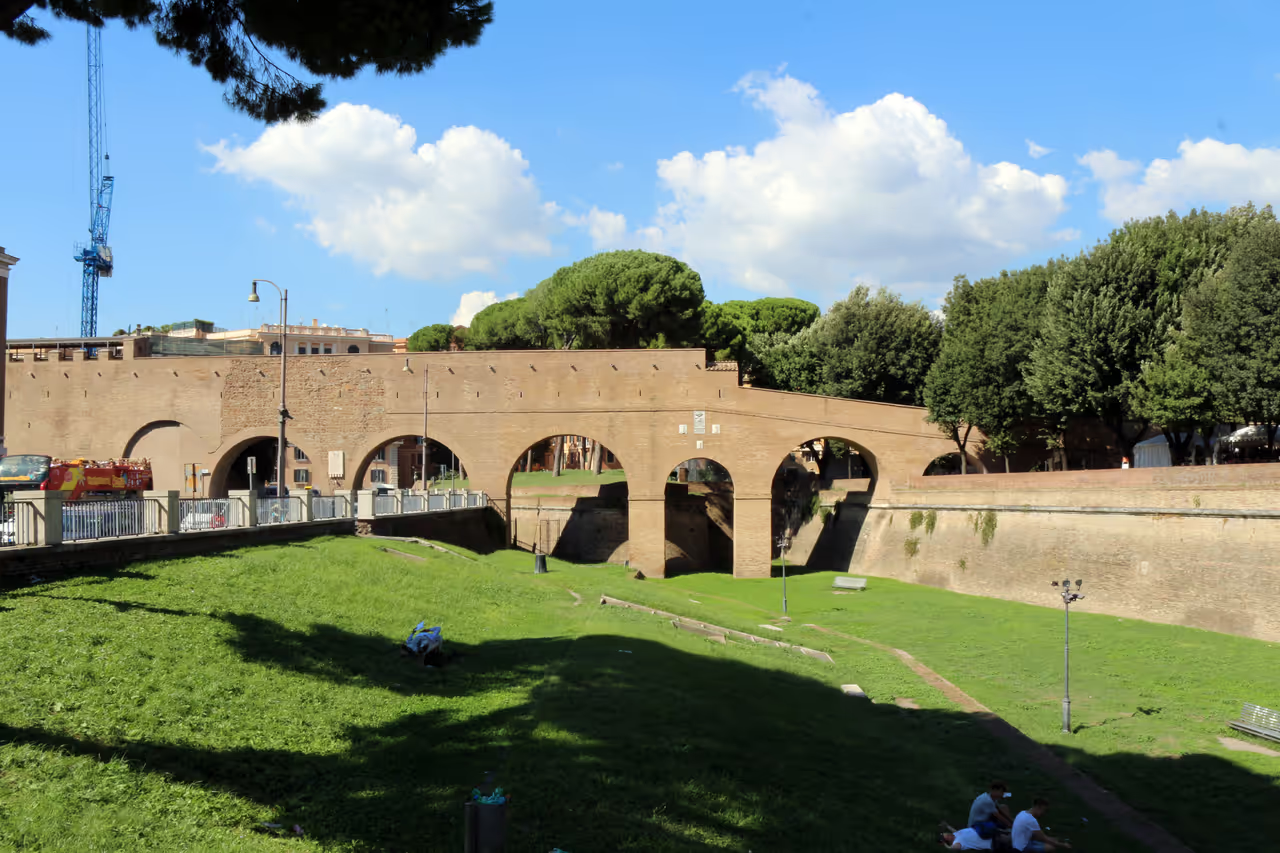
This balanced itinerary allows you to explore the Vatican without suffering from intense museum fatigue, breaking the major sights across three days. You will have time to delve deeper into specific artistic periods, uncover the ancient ruins beneath the basilica, and explore the military fortifications outside the walls. The pace allows for long, leisurely lunches in the nearby Prati or Borgo districts. It offers a comprehensive, highly satisfying exploration of papal history, art, and architecture.
view itinerary
5 Days in Vatican City Itinerary
The ultimate deep dive into the smallest country on Earth and its immediate Roman surroundings. With five days, you can afford to linger on individual masterworks, explore the restricted lush gardens, and soak in the evening atmosphere of the elegant Prati district. This itinerary uncovers the hidden gems, the ancient fortifications, and the highest panoramic viewpoints. It is designed for serious lovers of history, providing an incredibly thorough and relaxing exploration of the entire area.
view itinerary
Renaissance Masterpieces Tour
Embark on an awe-inspiring journey through the greatest concentration of Renaissance art anywhere on the planet. This self-guided narrative guides you through the opulent halls of the Vatican Museums, examining how popes patronised fierce artistic rivals to decorate their palaces. You will stand beneath Michelangelo's revolutionary frescoes and walk through the incredibly detailed rooms painted by the young prodigy Raphael. The tour focuses on the explosive period of creativity that forever changed Western art and architecture, culminating in the majestic basilica itself.
view self-guided tour
See all attractions in Vatican City
Including St. Peter's Basilica, Vatican Museums