Vatican City
Full City Guide, Map & 112 Things To Do
882 people live here.
That's 88.2% of the entire population of Vatican City.
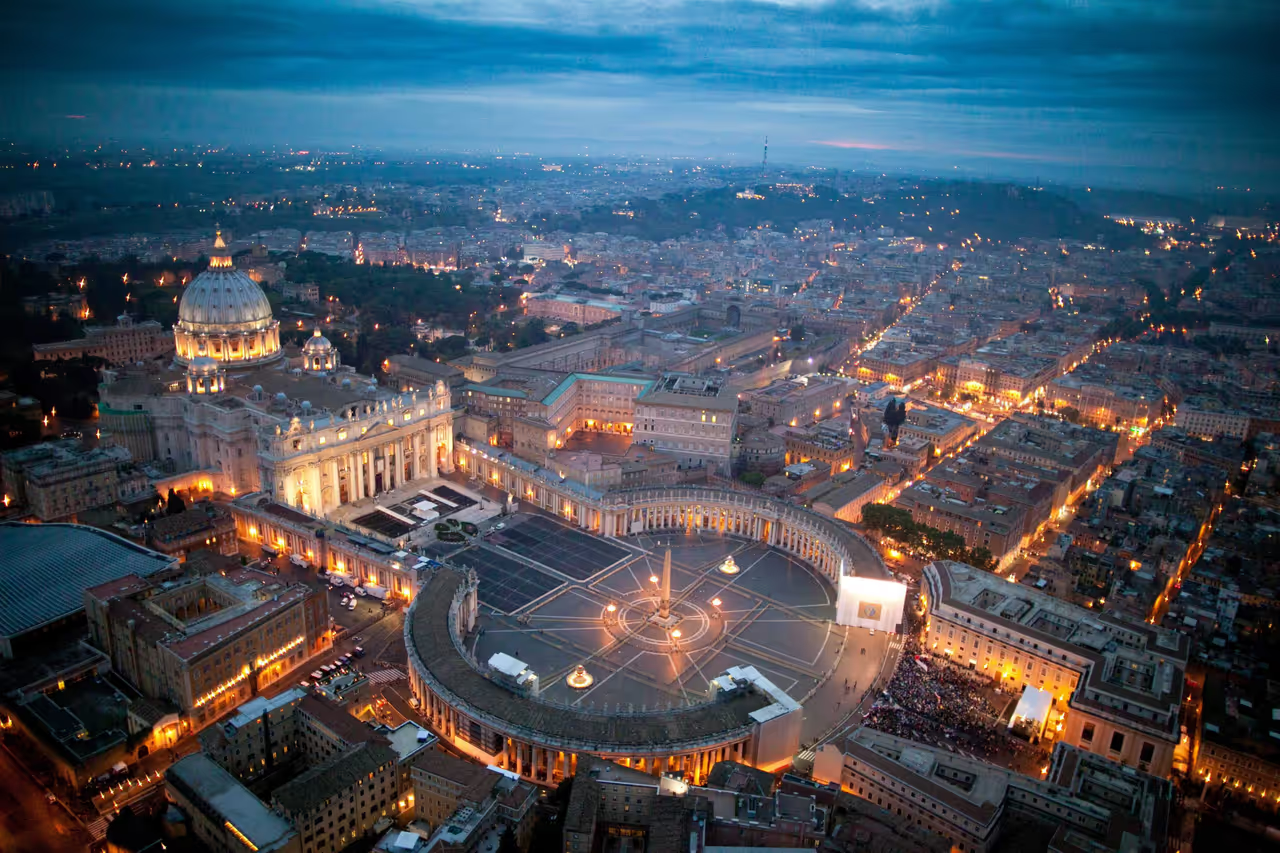
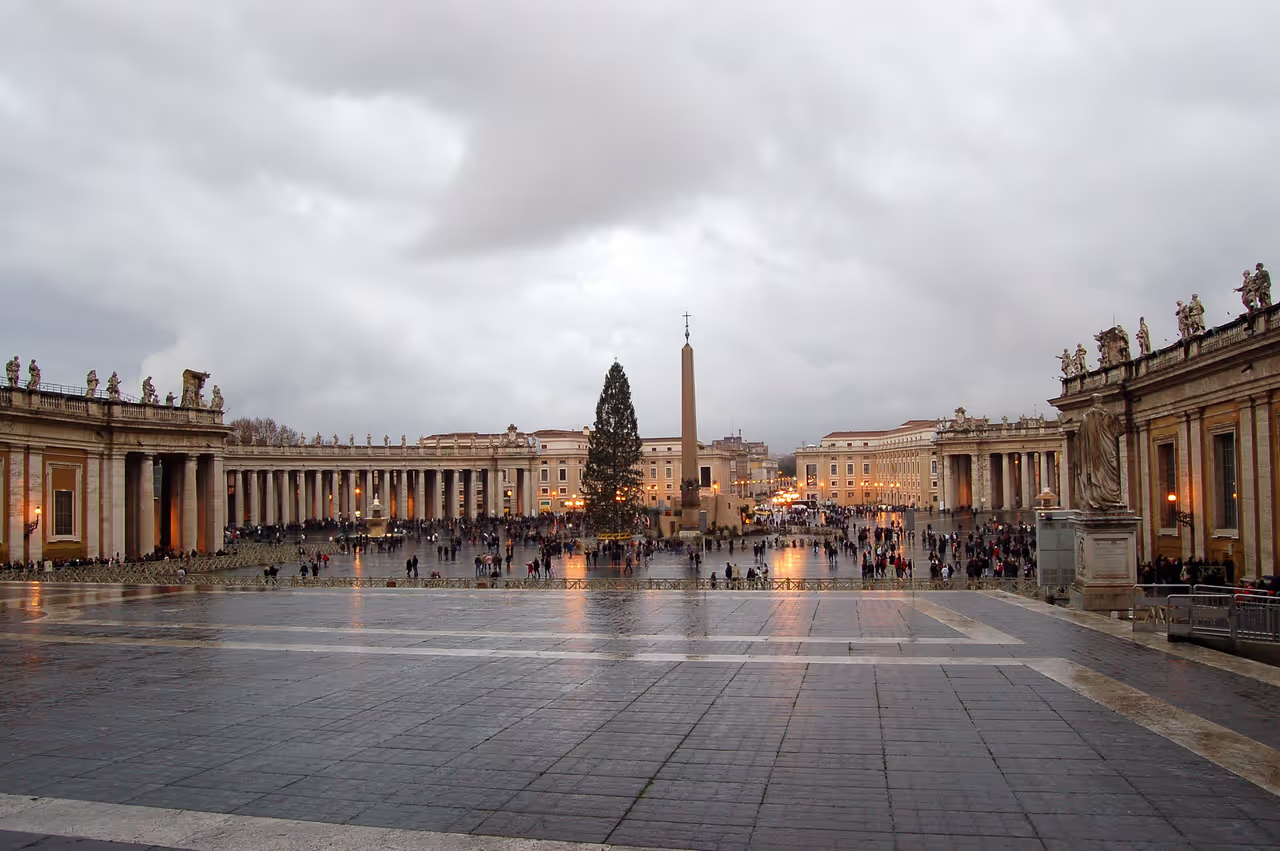
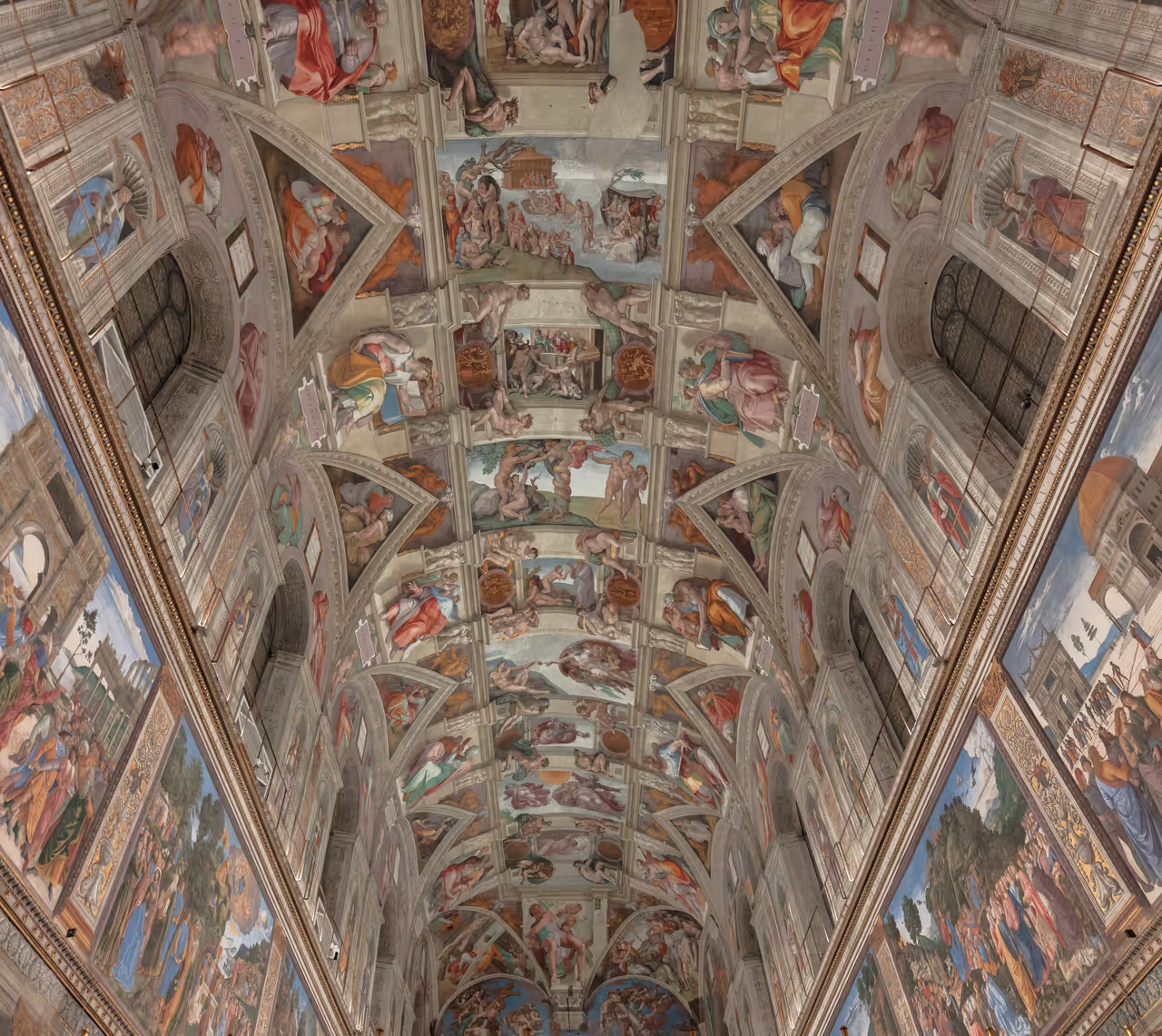
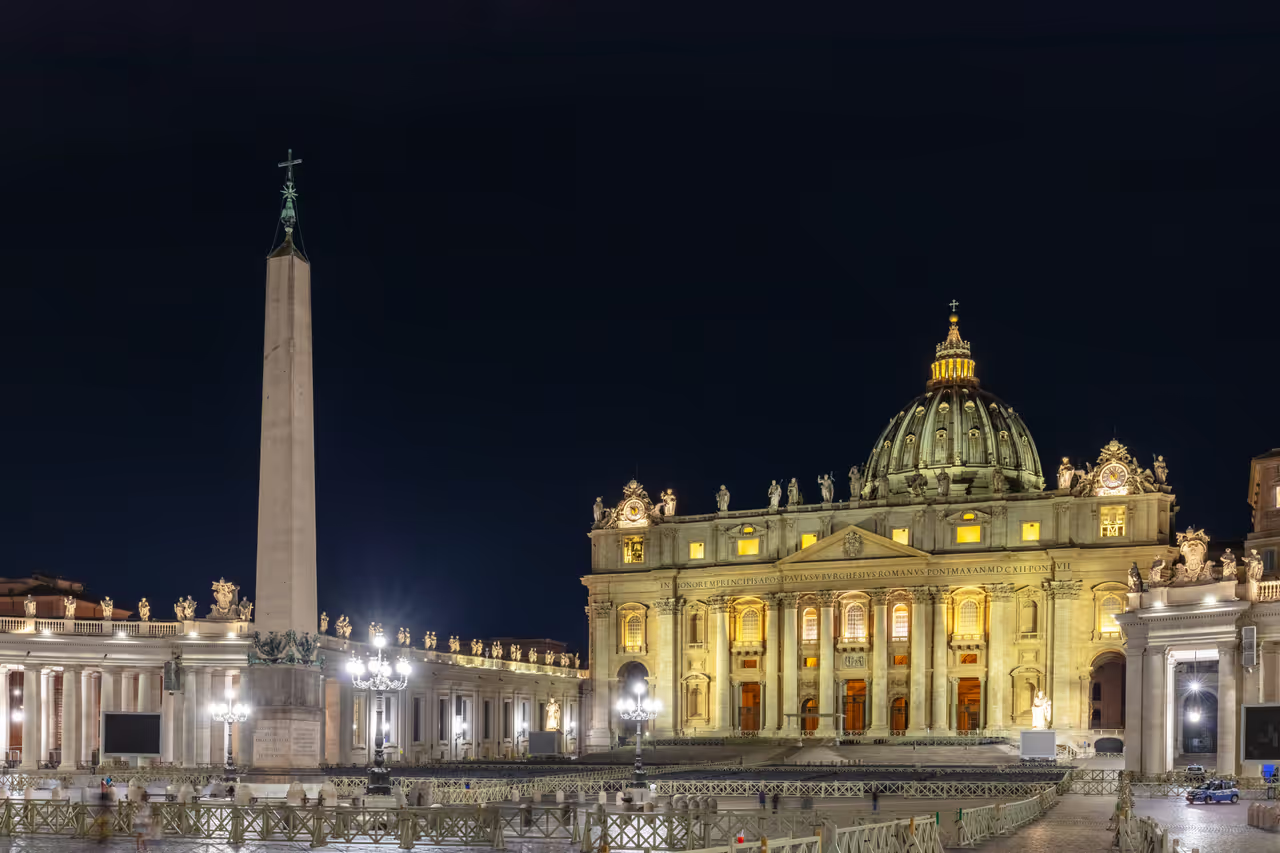
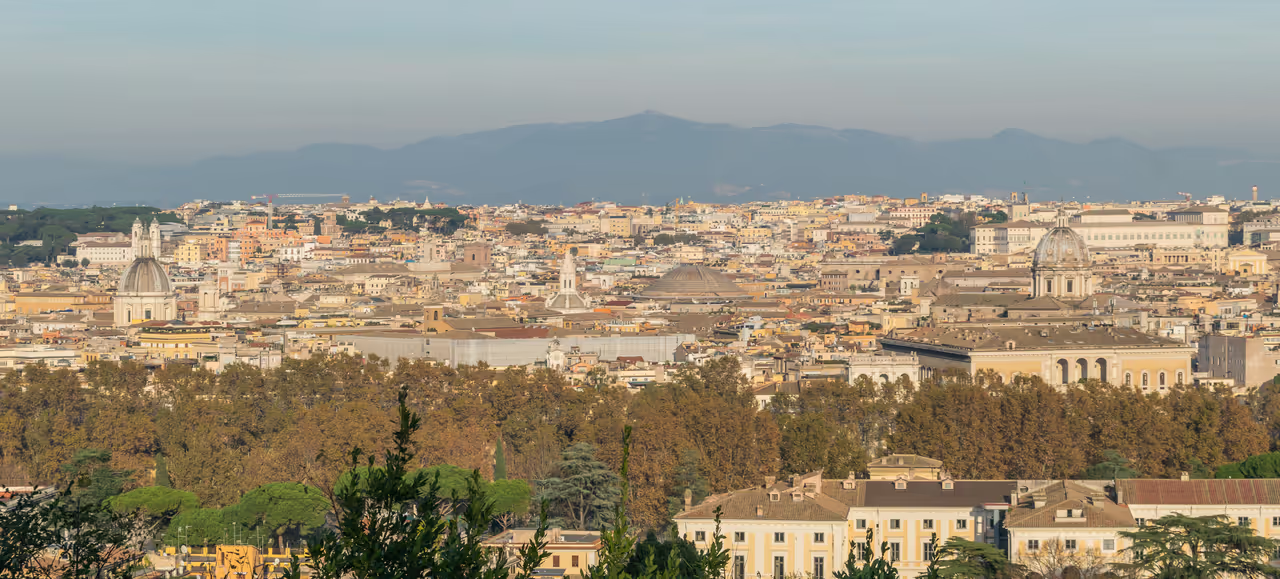
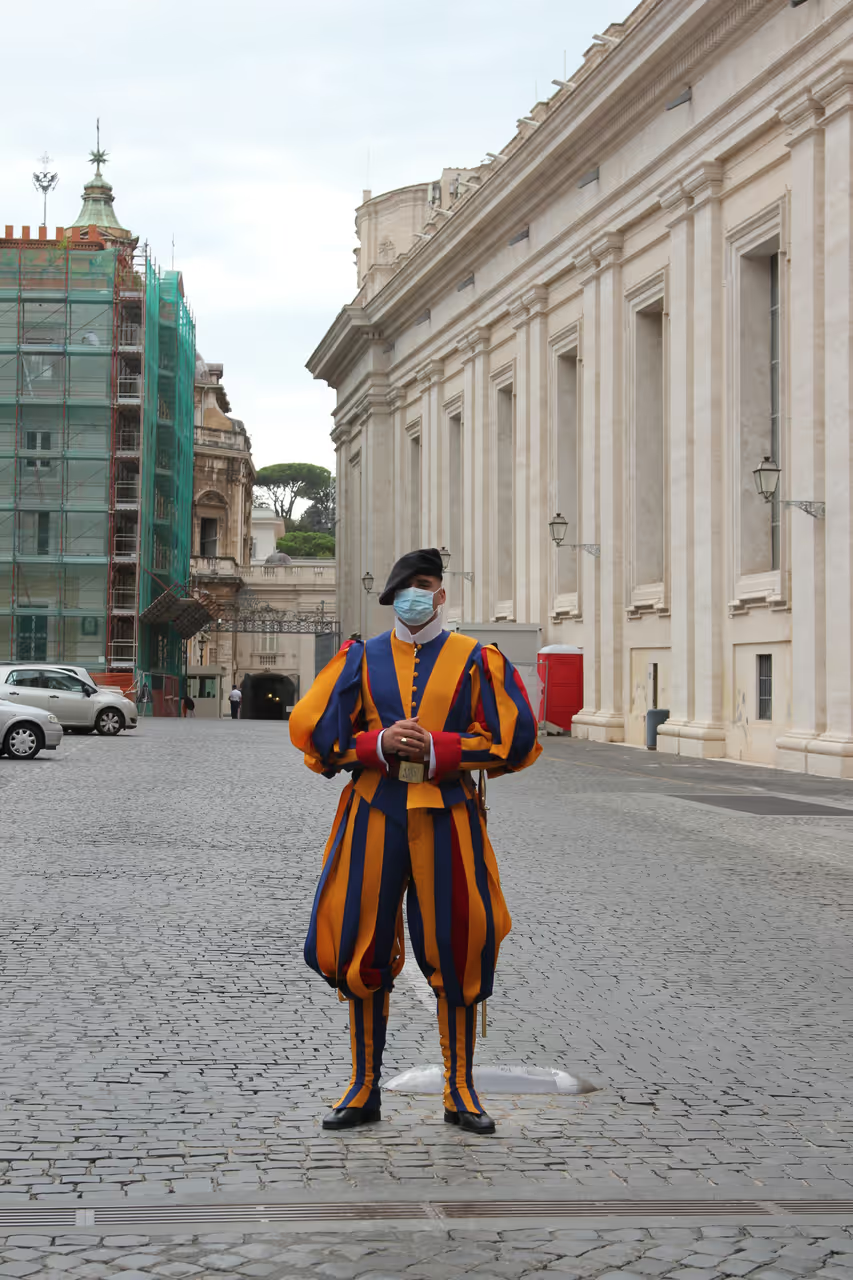
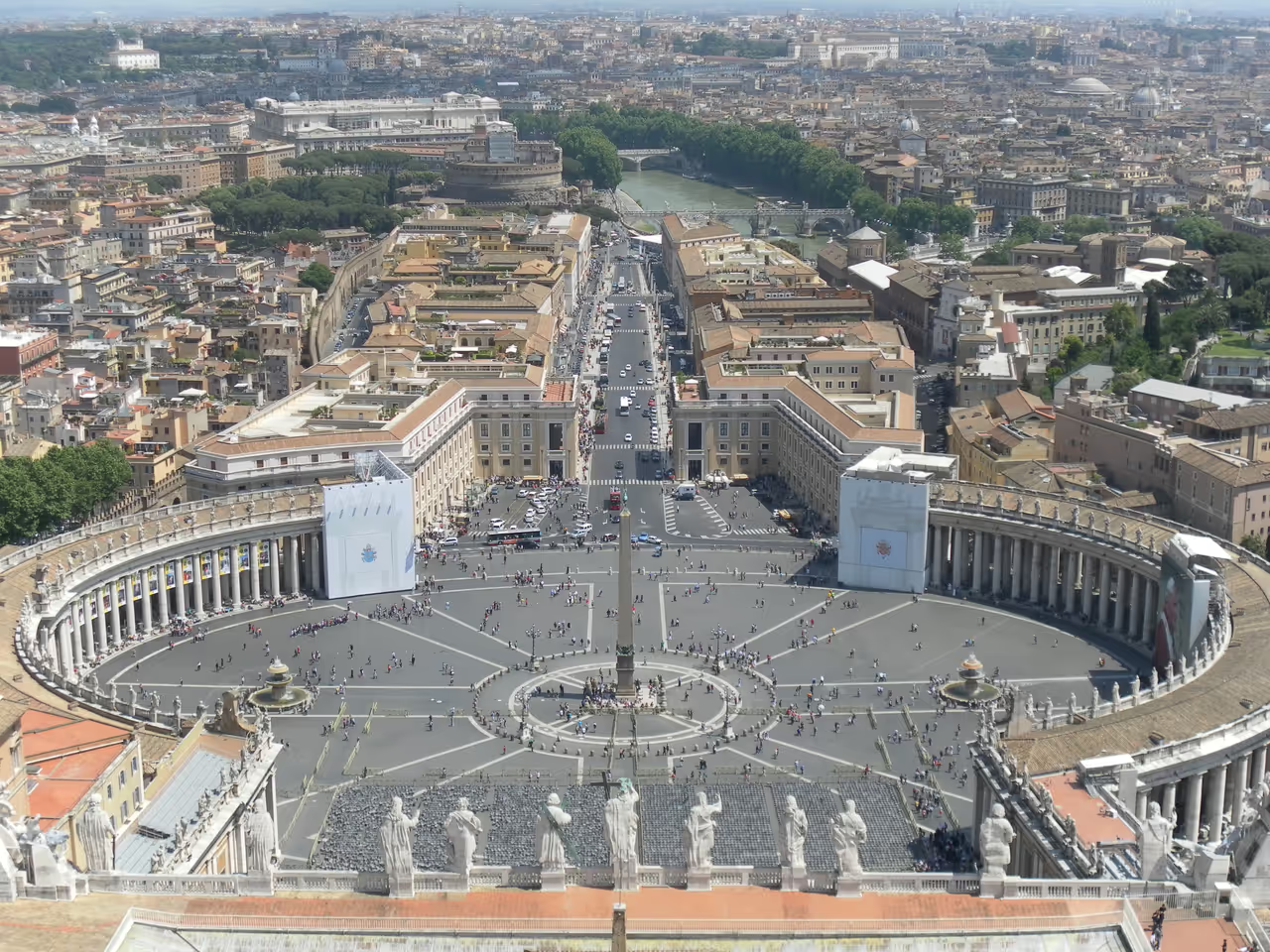
Vatican City covers less than half a square kilometre, making it the smallest sovereign state in the world, yet it sits entirely inside Rome with its own postal service, radio station, and railway station used mainly for freight. St Peter's Square opens out in front of the basilica, flanked by Bernini's curved colonnade of over 280 columns and centred on an Egyptian obelisk brought to Rome under the emperor Caligula, long before the Vatican existed in its current form. Inside the Sistine Chapel, Michelangelo's ceiling and his Last Judgment on the altar wall took years apart to complete and are seen daily by tens of thousands of visitors filing through in a single continuous line, which means quiet contemplation often competes with the crowd's shuffle and murmur. The Raphael Rooms nearby hold frescoes the artist never finished in his lifetime, completed by his workshop after his death at thirty-seven. Swiss Guards in striped uniforms still stand at the entrances, a security post held by the same nation since 1506. Climb the dome of St Peter's, and Rome spreads out below in a way no photograph from the square quite prepares you for.
Vatican City DNA
History of Vatican City
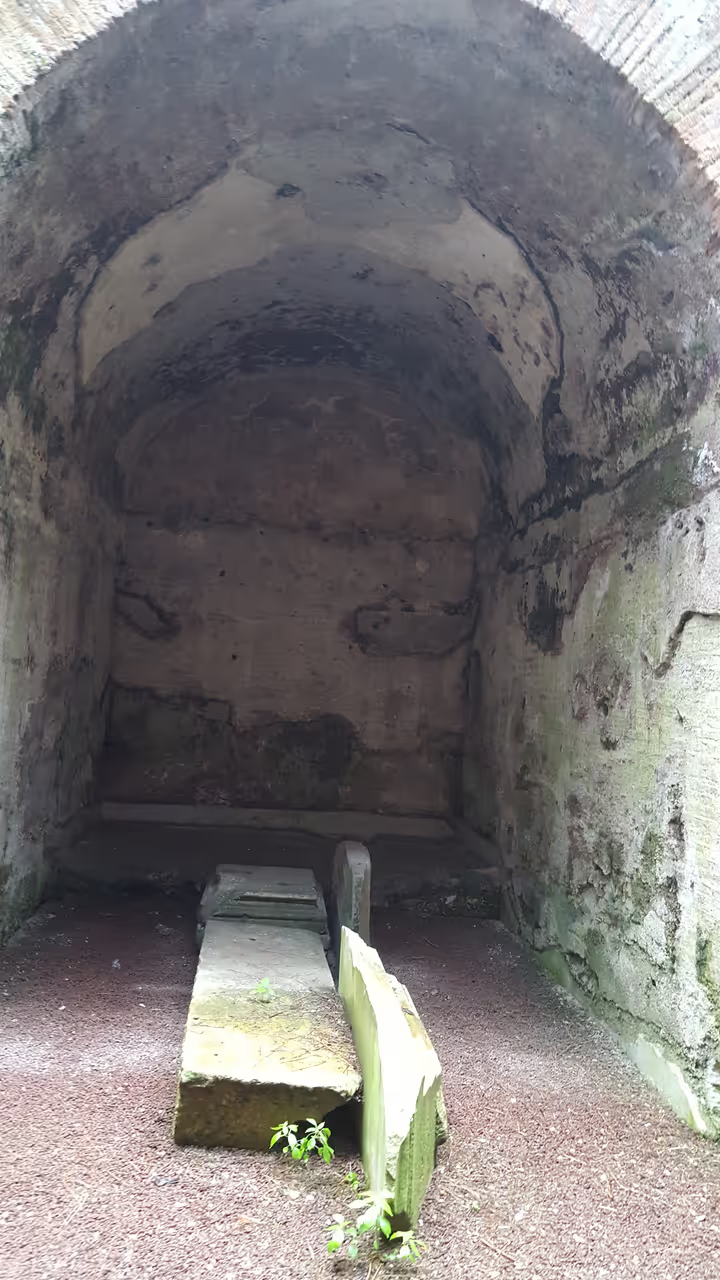
The story of Vatican City begins long before the popes claimed it as their home, rooting itself in the marshy, ominous grounds of the Ager Vaticanus on the west bank of the Tiber. In the first century AD, Emperor Caligula built a sprawling circus here, which was later completed by Nero and marked by a towering Egyptian obelisk. Following the Great Fire of Rome in 64 AD, this circus became the site of brutal Christian persecutions, where tradition dictates that Saint Peter was crucified upside down. His followers buried him in a humble necropolis nearby, setting the stage for a location that would eventually command the devotion of billions. In 326 AD, Emperor Constantine the Great ordered the construction of a massive basilica directly over the reputed tomb of Saint Peter. Old St. Peter's Basilica transformed the previously desolate Vatican hill into a thriving pilgrimage site, drawing the faithful from across the known world. For centuries, however, the popes did not primarily live here, preferring the Lateran Palace on the other side of Rome. It was only to defend against Arab raids in the ninth century that Pope Leo IV enclosed the area with the formidable Leonine Walls, creating the fortified 'Leonine City' that shielded the sacred shrines. Following the turbulent Avignon Papacy and their eventual return to Rome in 1377, the popes fully embraced the Vatican as their primary residence. The Renaissance period saw an explosion of artistic and architectural brilliance, completely reshaping the landscape. Pope Julius II, the 'Warrior Pope', commissioned the Swiss Guard in 1506 and daringly ordered the demolition of the crumbling Constantinian basilica to build a spectacular new St. Peter's. Titans of art like Michelangelo, Bramante, and Raphael were brought in, pouring their genius into the Sistine Chapel ceiling and the opulent papal apartments. Despite the beauty blossoming within its walls, the Vatican faced intense political struggles as the Papal States controlled vast swathes of central Italy. The turning point came in 1870 when the newly formed Kingdom of Italy captured Rome, ending the popes' secular rule over the peninsula. For nearly sixty years, successive popes declared themselves 'prisoners in the Vatican', refusing to leave the compound or recognise the Italian government's legitimacy. This tense standoff was finally resolved on 11 February 1929 with the signing of the Lateran Treaty. This landmark agreement formally recognised Vatican City as an independent, sovereign microstate, ensuring the spiritual and administrative freedom of the Holy See. Today, this extraordinary enclave stands as the smallest country on Earth, preserving centuries of profound historical drama while continuing to serve as the beating heart of the global Catholic faith.
13 events spanning 1920 years
Map of Vatican City
Interactive Destination & Itinerary Map
This map blends our curated city guides—featuring best photo spots, scenic walks, viewpoints, hidden gems and much more—with a live Wikipedia explorer. Click on our numbered pins to plan your routes, or zoom in on the surrounding neighborhoods to discover verified local landmarks, museums, and stories with dynamic Wikipedia summaries and photos!
Fun Facts
8- 01
Vatican City operates the shortest national railway network in the world, featuring just 300 metres of track within its walls.
- 02
The Vatican consistently records the highest per capita wine consumption globally, largely due to its ageing population of clergy and the frequent use of sacramental wine.
- 03
It is home to what is likely the only ATM in the world that offers user instructions entirely in Latin.
- 04
The state is the only country globally with a population under 1,000, and it has a birth rate of absolute zero.
- 05
In 2007, the Vatican attempted to become the world's first carbon-neutral state by planting a climate forest in Hungary, though the project never fully materialised.
- 06
The famous Swiss Guard uniforms were not designed by Michelangelo, as widely believed, but were created by a commander named Jules Repond in the early 20th century.
- 07
When moving the massive Egyptian obelisk to St. Peter's Square in 1586, the Pope ordered absolute silence under threat of excommunication; the day was saved when a sailor broke the rule to shout a crucial engineering tip.
- 08
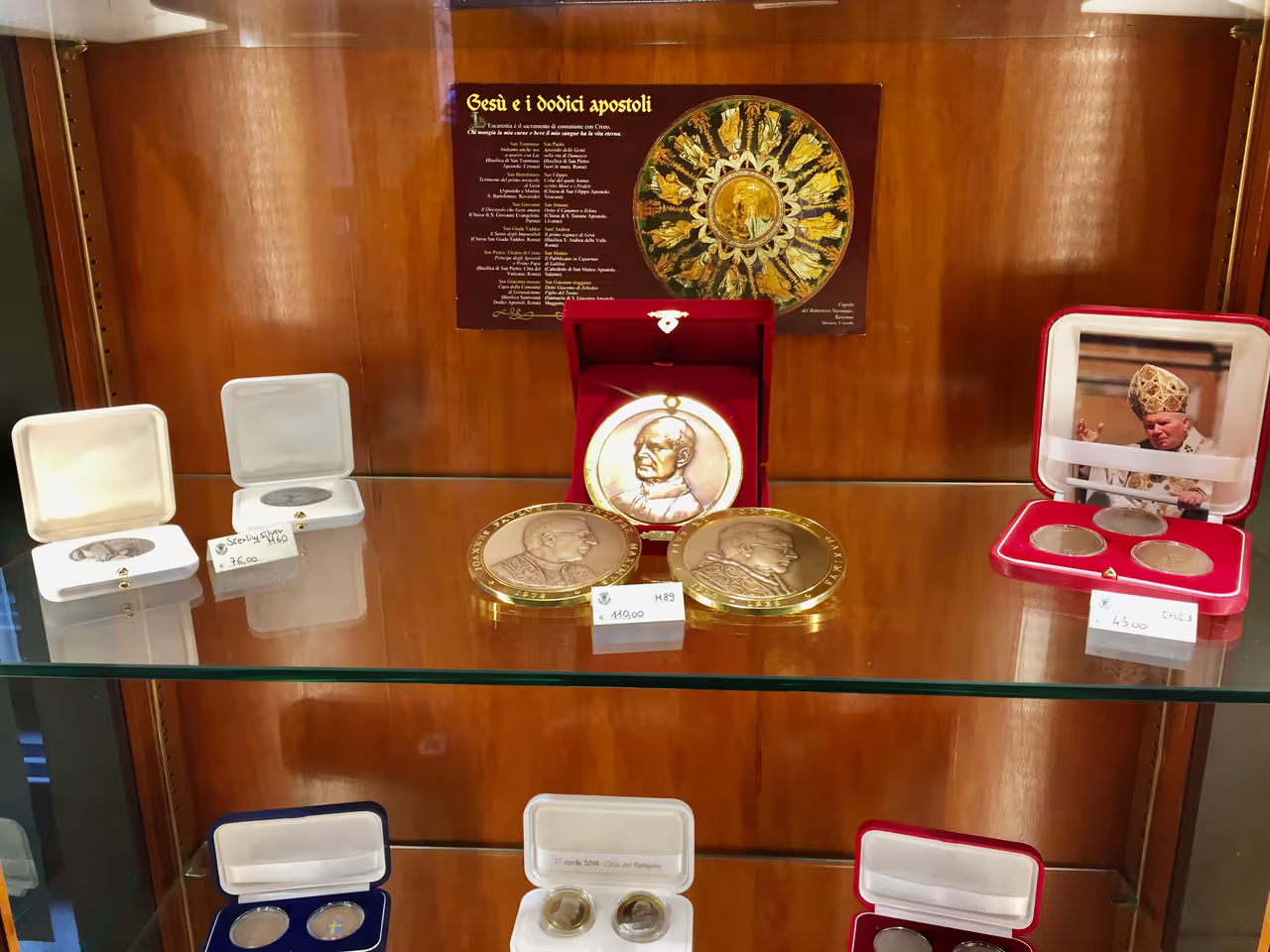
The Vatican issues its own Euro coins which are incredibly rare and highly sought after by numismatists worldwide.
Did You Know?
7- 01
Vatican City is the smallest sovereign state in the world by both area and population, covering just 49 hectares.
- 02
The state is entirely distinct from the 'Holy See', which is the universal government of the Catholic Church and the entity that conducts international diplomacy.
- 03
It is the only complete sovereign state on the planet to be entirely designated as a UNESCO World Heritage site.
- 04
Citizenship is rarely granted by birth; instead, Vatican citizenship operates on 'jus officii', meaning it is granted solely based on appointment to work in service of the Holy See.
- 05
The Vatican Apostolic Archive houses a massive two-storey reinforced concrete bunker designed to protect centuries of priceless historical documents from fire, humidity, and armed conflict.
- 06
Despite its tiny size within Rome, the Vatican owns multiple extraterritorial properties across Italy, including major basilicas and the Pope's summer residence, which enjoy immunity similar to foreign embassies.
- 07
The Pontifical Academy of Sciences, located in the Vatican Gardens, has included numerous Nobel laureates and legendary figures like Stephen Hawking and Alexander Fleming.
Videos of Vatican City
Seasons
Spring
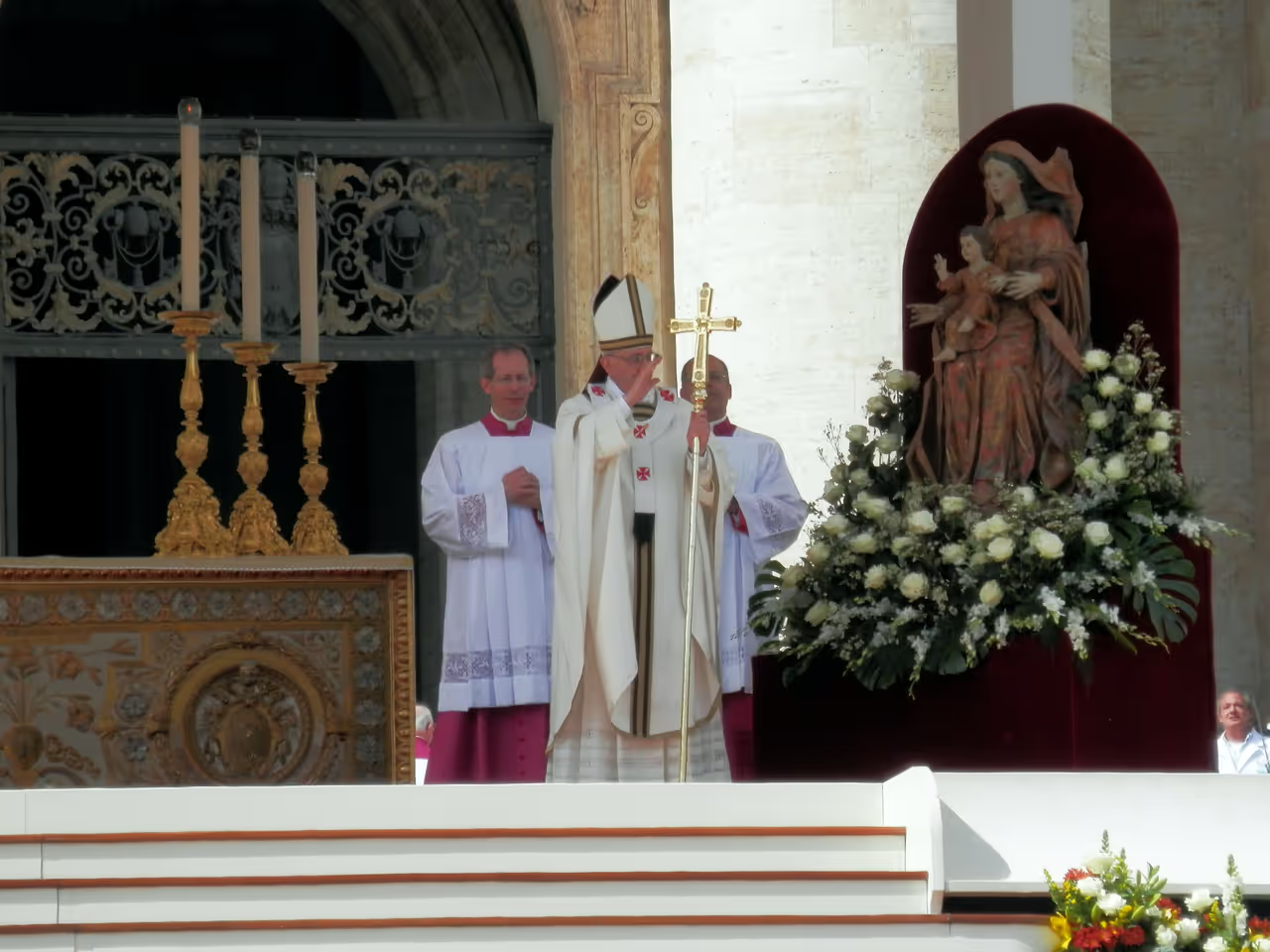
Spring brings highly pleasant, mild weather, making the wait in outdoor queues for the basilica much more tolerable. The...
Summer
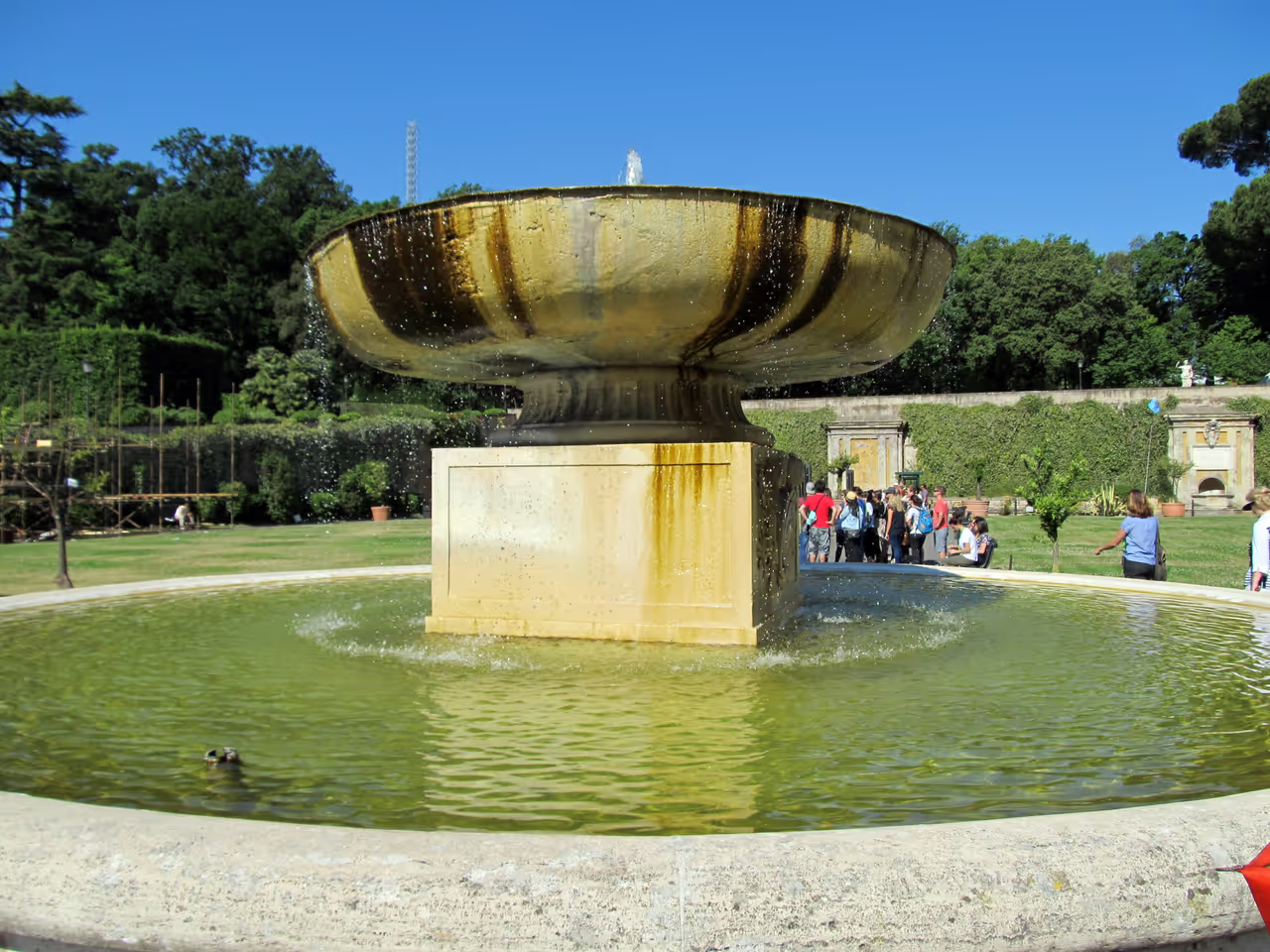
Summers are fiercely hot and dry, turning the unshaded expanse of St. Peter's Square into a blistering environment during...
Autumn
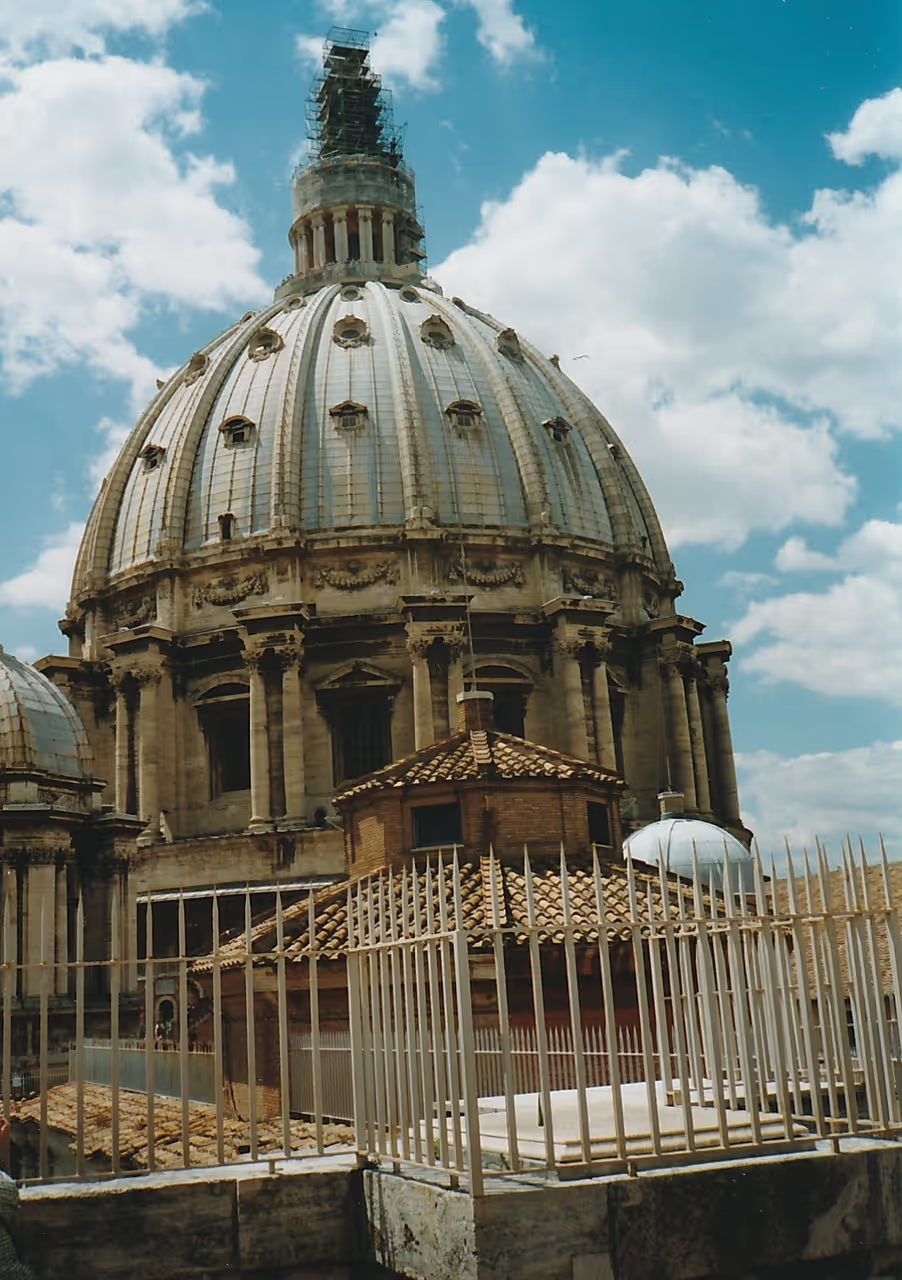
Autumn sees a return to incredibly comfortable, temperate weather, though October can bring occasional heavy rain showers. The...
Winter
Winter is generally mild but can be chilly and damp, providing the quietest and least crowded experience of the year. The...
Top Attractions in Vatican City
Sistine Chapel
Step inside one of the world's most breathtaking artistic treasures, where every inch of wall and ceiling tells a profound story...
view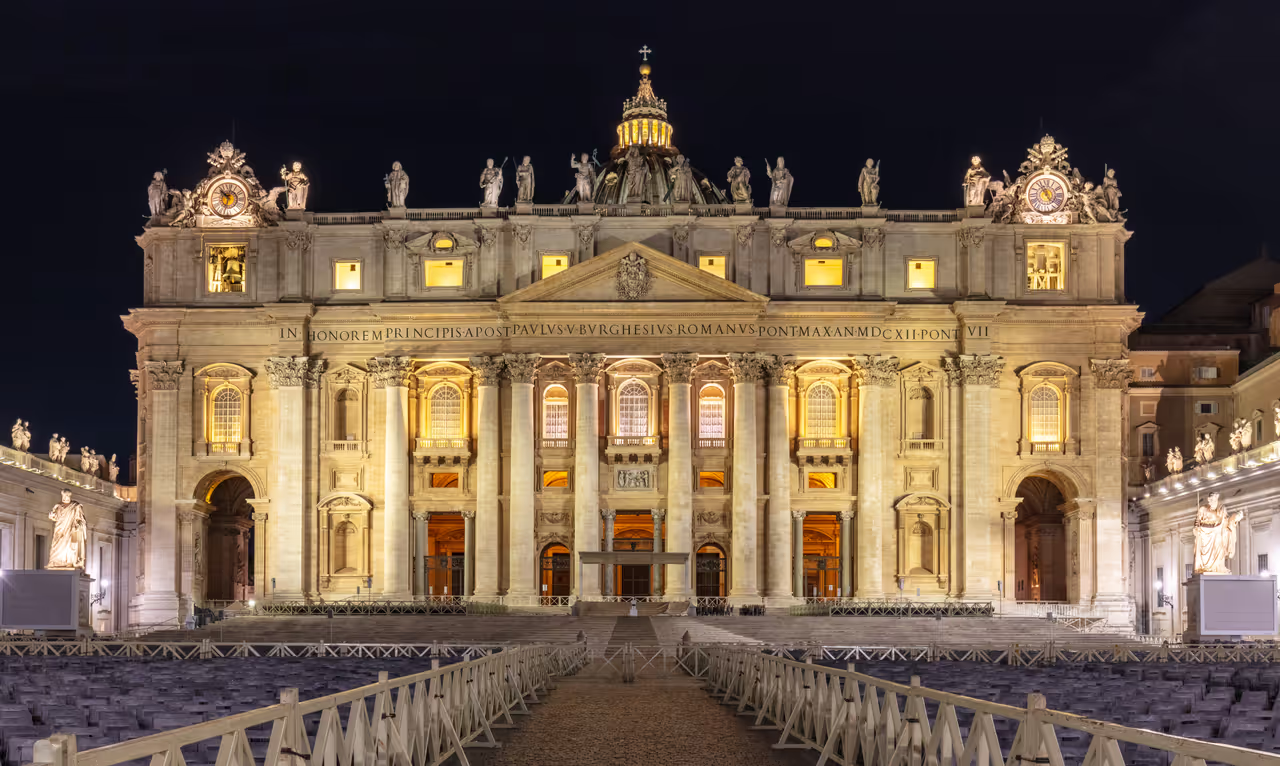
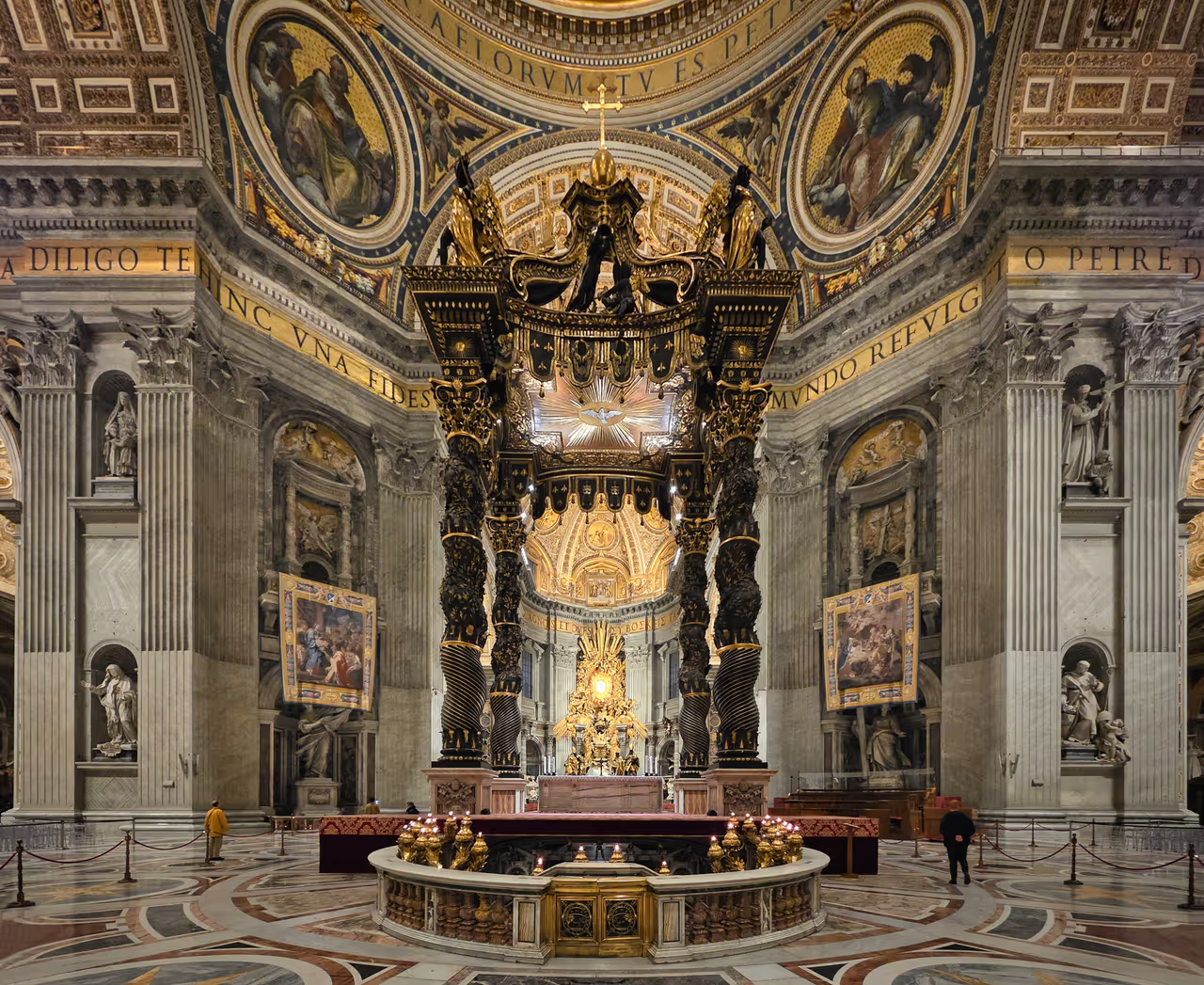
St. Peter's Basilica
St. Peter’s Basilica is a marvel of human ambition that dominates the Roman skyline with its iconic dome. Stepping inside, the...
view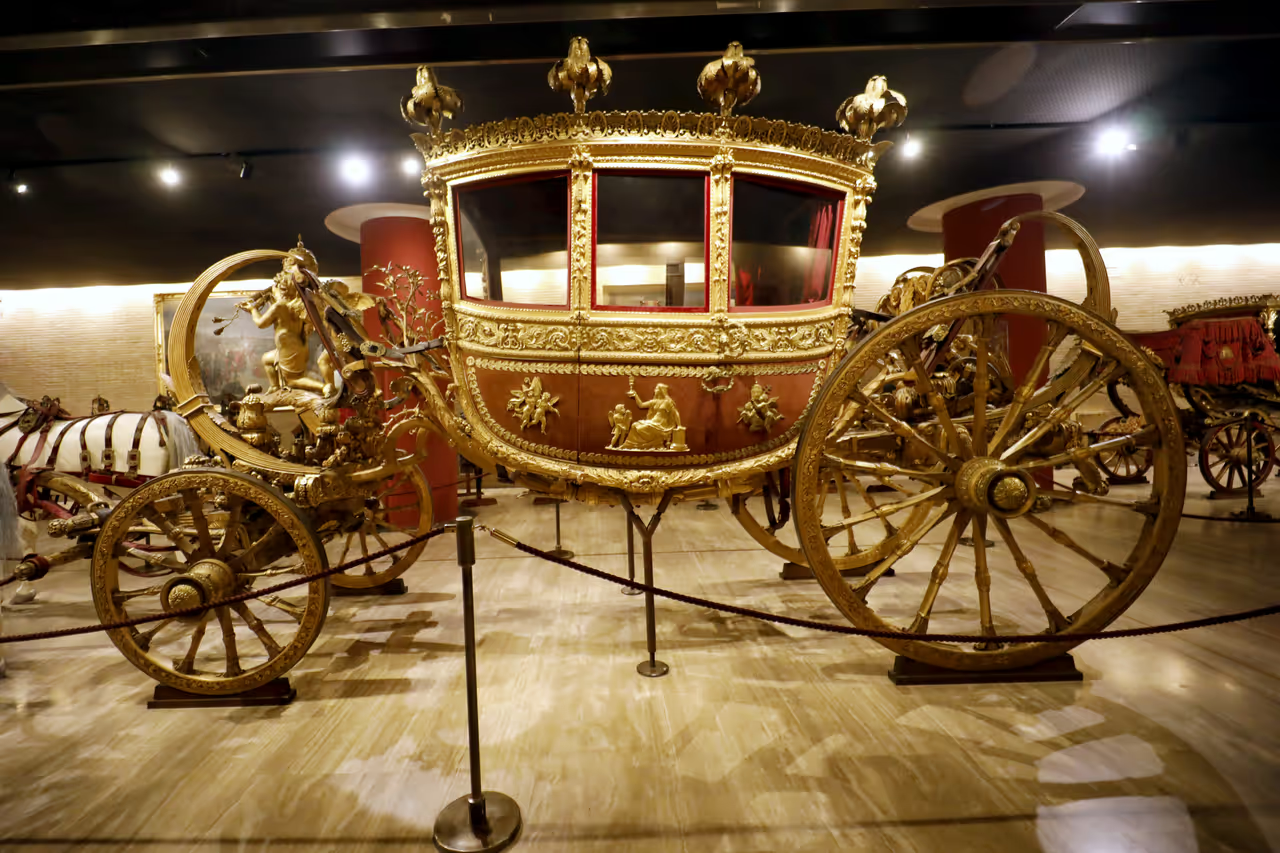
Vatican Museums
Stepping into the Vatican Museums feels like walking through the collective memory of Western civilisation. As one of the most...
view
Best Views
Vatican City Itineraries
TRIP PLANNER
2 Days Recommended
Two days allow you to comfortably explore the immense Vatican Museums and Sistine Chapel without extreme fatigue on the first day. The second day can be dedicated to climbing St. Peter's Dome, exploring the Basilica, and taking a guided tour of the Vatican Gardens or the nearby Castel Sant'Angelo.
1 Day in Vatican City Itinerary
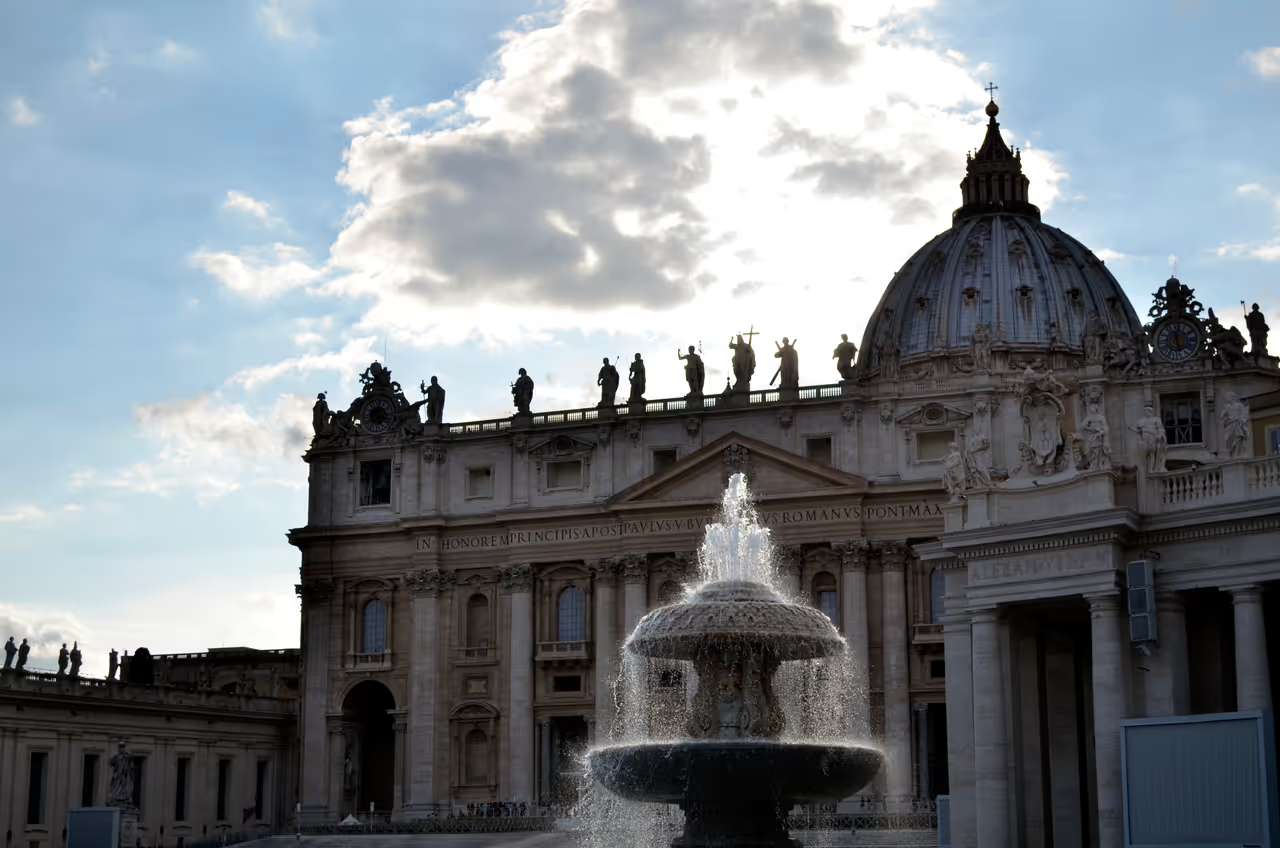
This intense, highly efficient itinerary packs the absolute must-see monumental sights into a single, breathtaking day. You will start early to tackle the immense art collections, culminating in Michelangelo's masterpiece, before crossing into the largest church in the world. The pace is rapid, but it ensures you witness the core artistic and spiritual legacy of the microstate. Wear your most comfortable walking shoes and prepare for an overwhelming visual feast.
view itinerary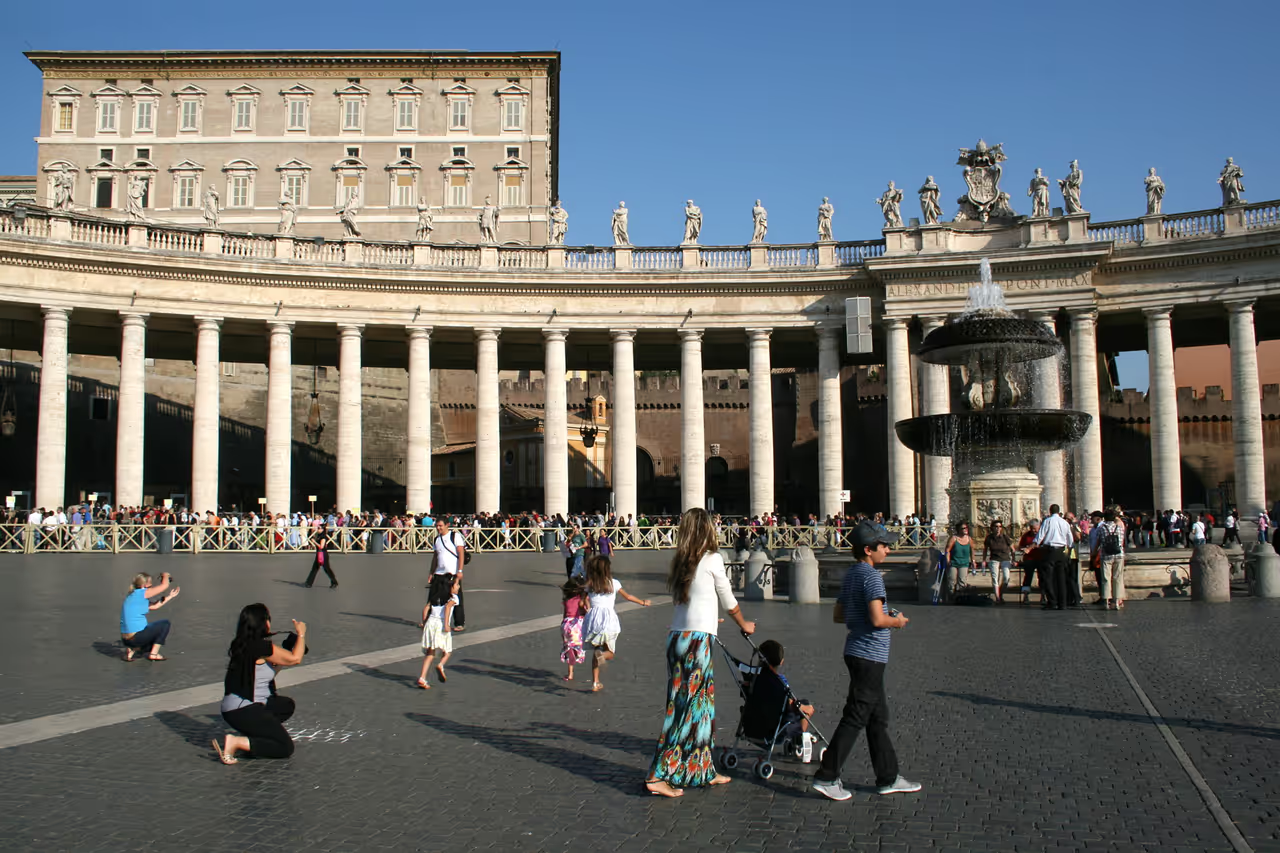
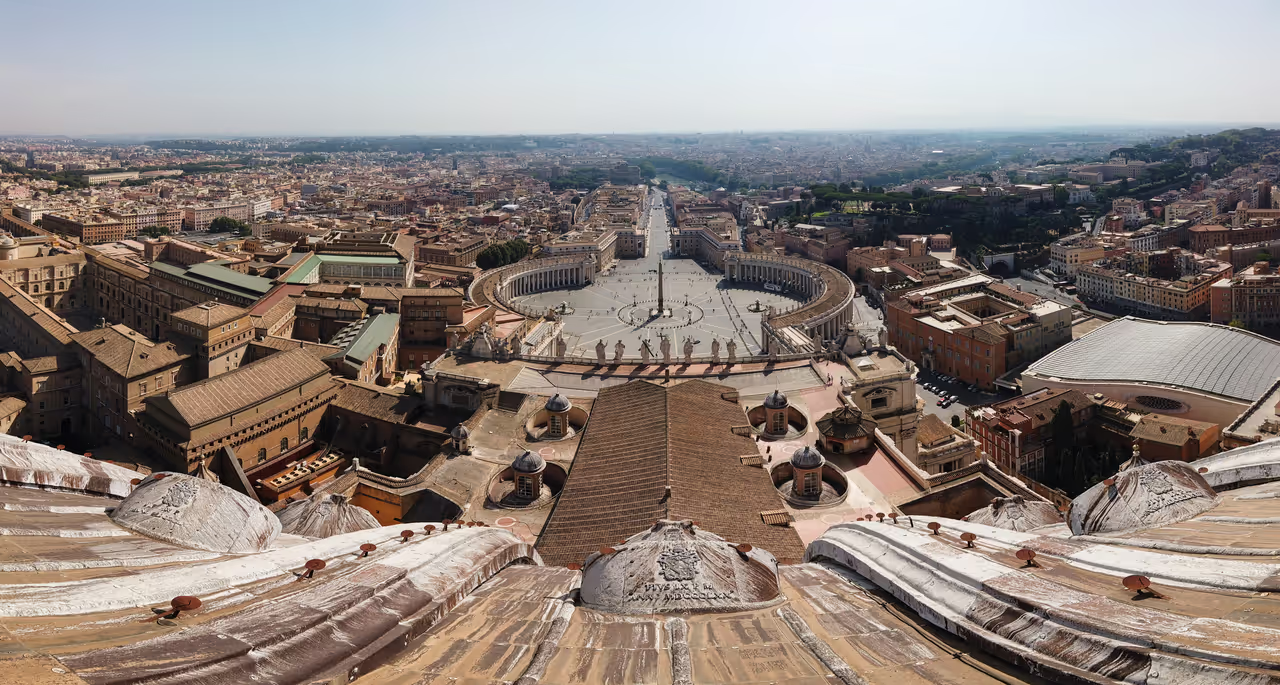
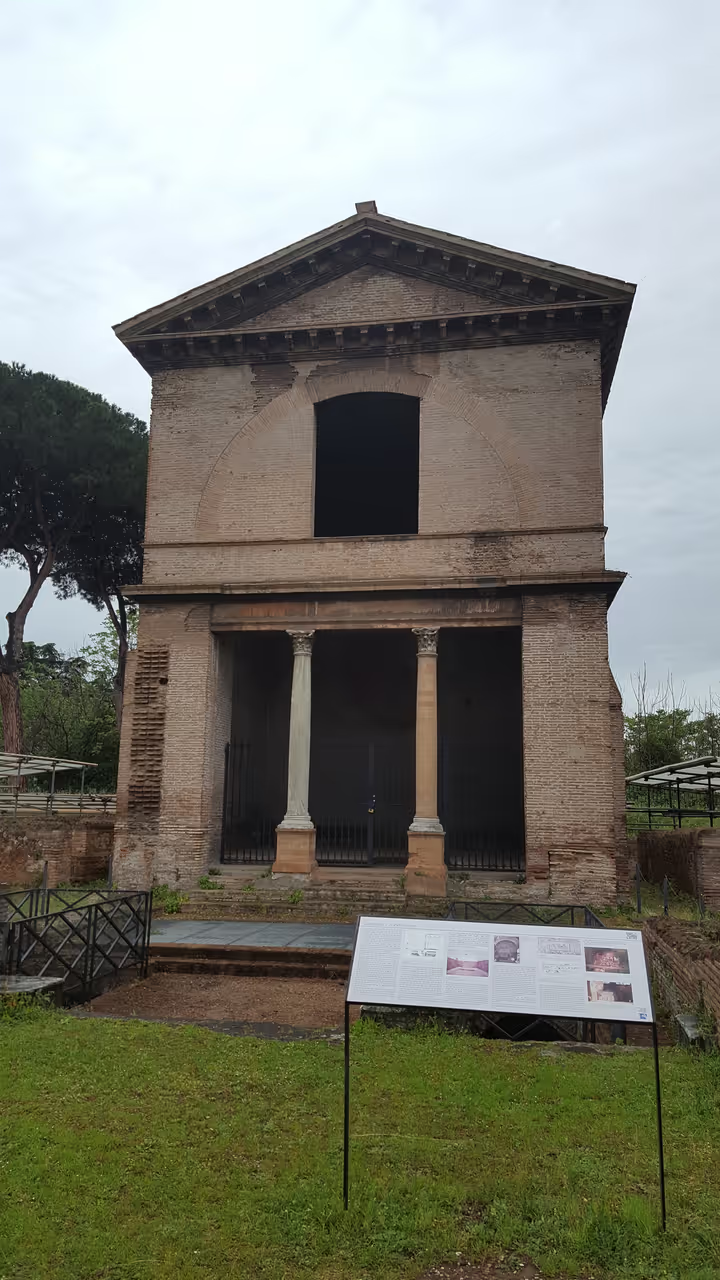
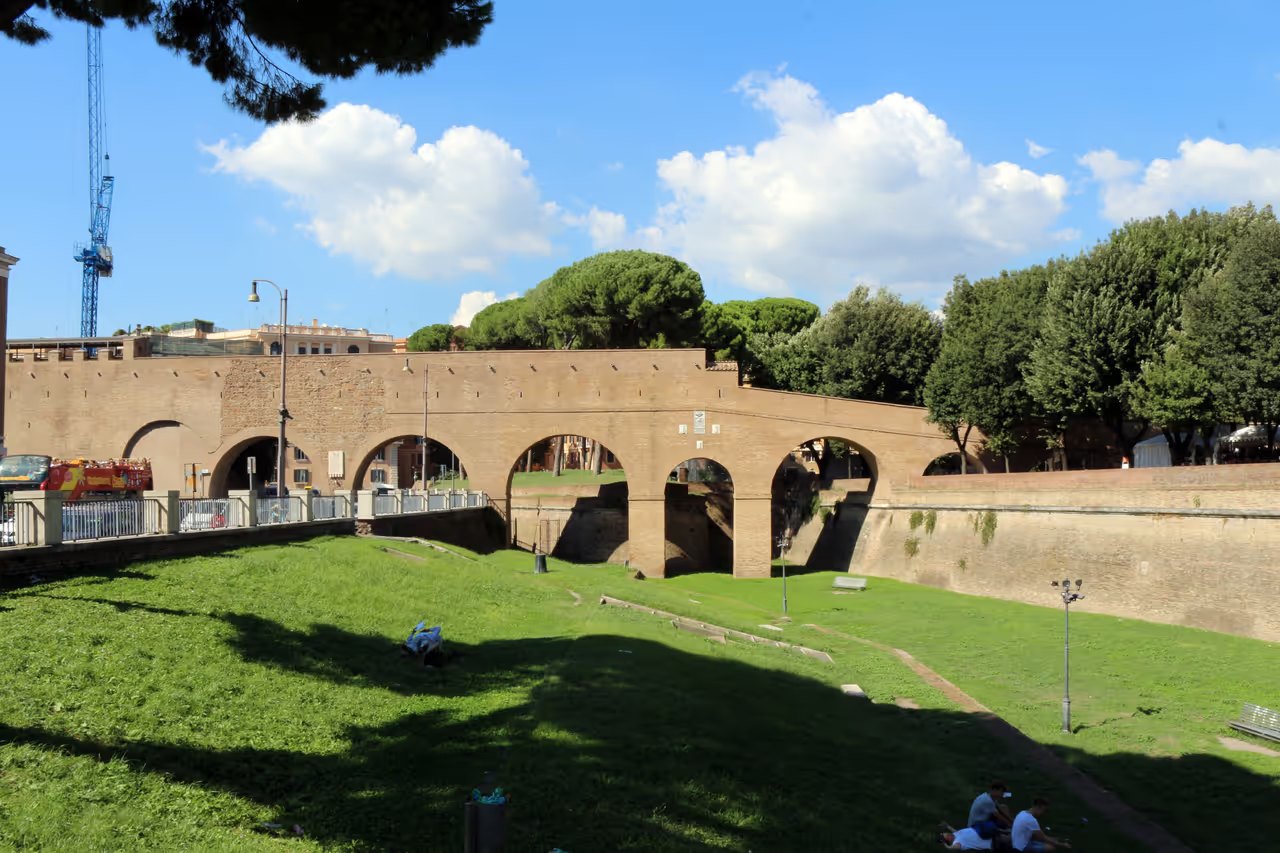
3 Days in Vatican City Itinerary
This balanced itinerary allows you to explore the Vatican without suffering from intense museum fatigue, breaking the major sights across three days. You will have time to delve deeper into specific artistic periods, uncover the ancient ruins beneath the basilica, and explore the military fortifications outside the walls. The pace allows for long, leisurely lunches in the nearby Prati or Borgo districts. It offers a comprehensive, highly satisfying exploration of papal history, art, and architecture.
view itinerary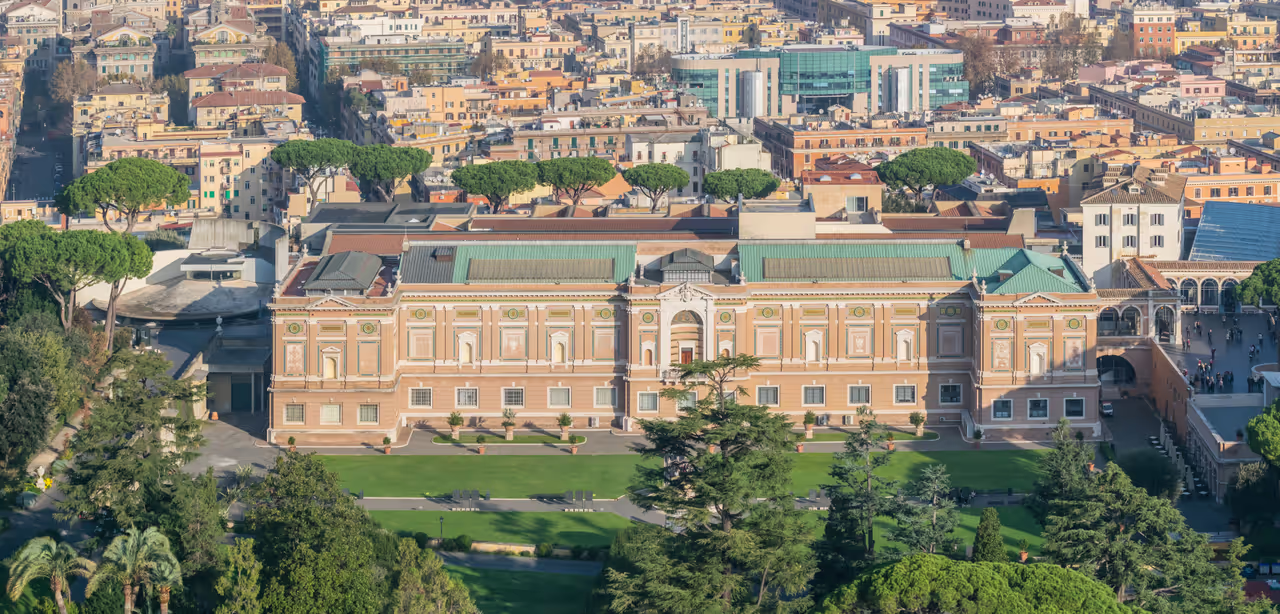
5 Days in Vatican City Itinerary
The ultimate deep dive into the smallest country on Earth and its immediate Roman surroundings. With five days, you can afford to linger on individual masterworks, explore the restricted lush gardens, and soak in the evening atmosphere of the elegant Prati district. This itinerary uncovers the hidden gems, the ancient fortifications, and the highest panoramic viewpoints. It is designed for serious lovers of history, providing an incredibly thorough and relaxing exploration of the entire area.
view itinerary
Food in Vatican City
Free Things to do in Vatican City
Parks & Nature
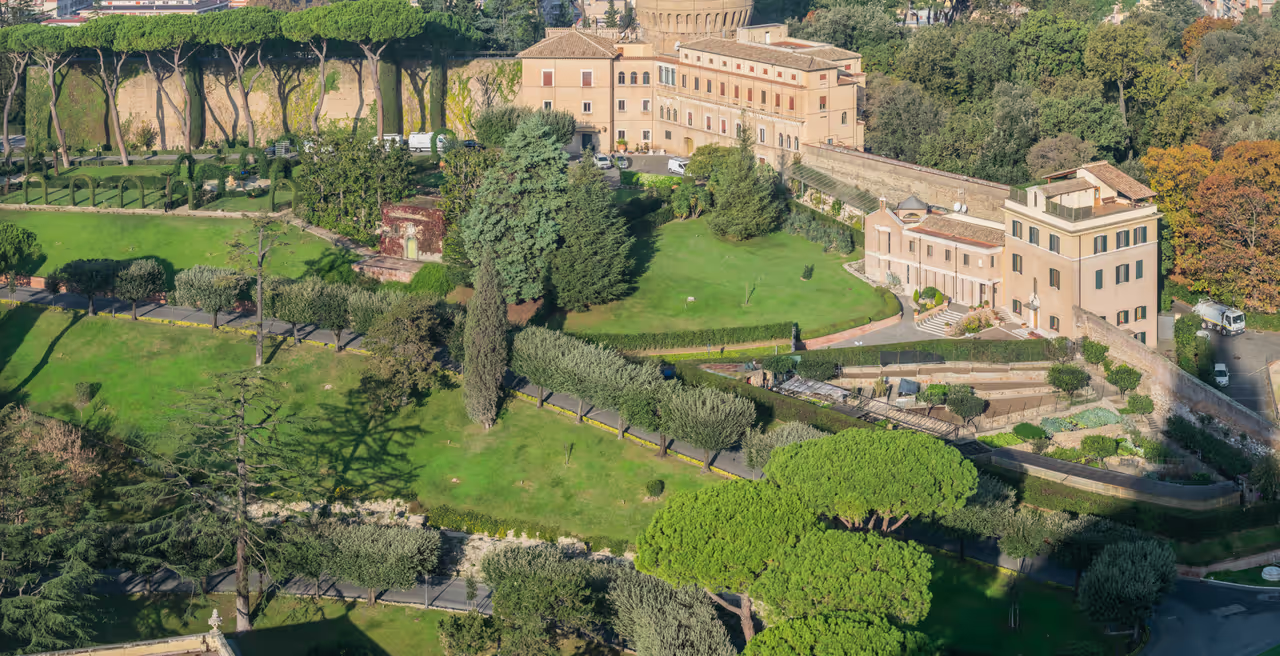
Vatican Gardens
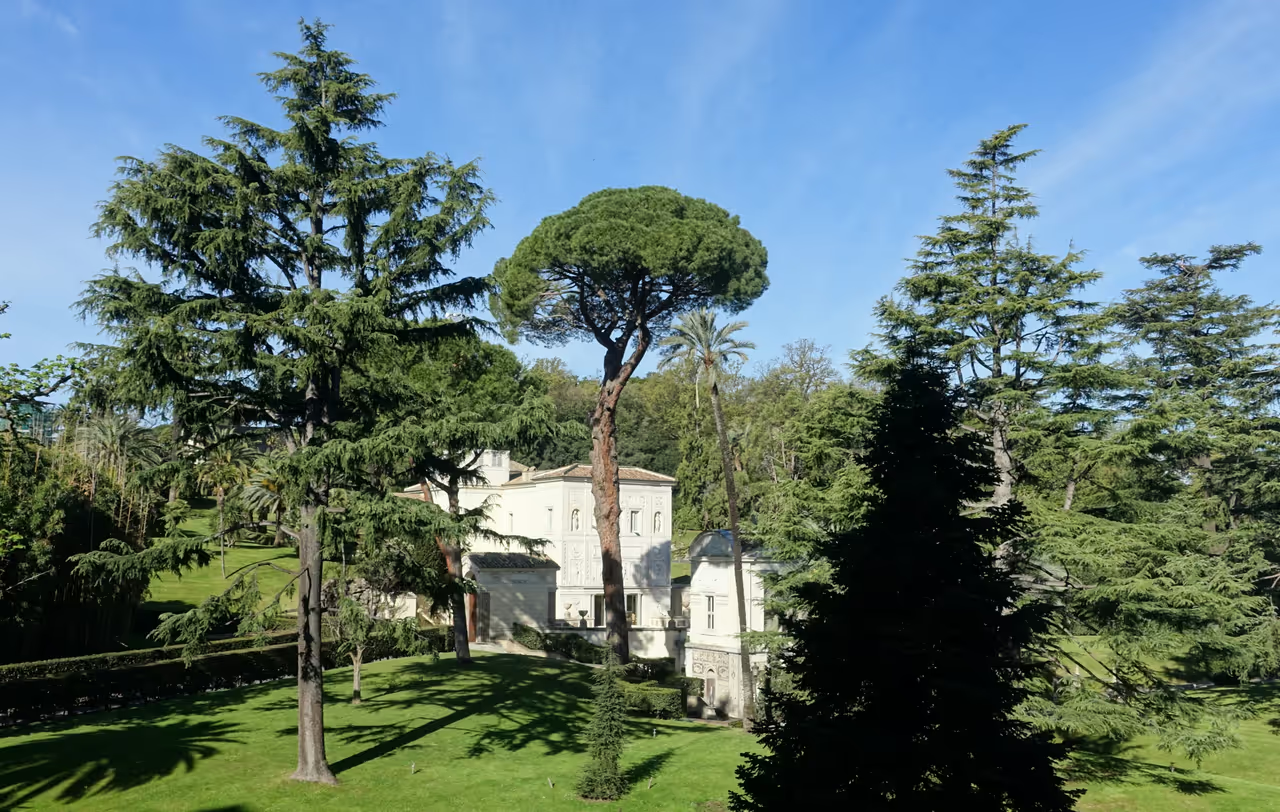
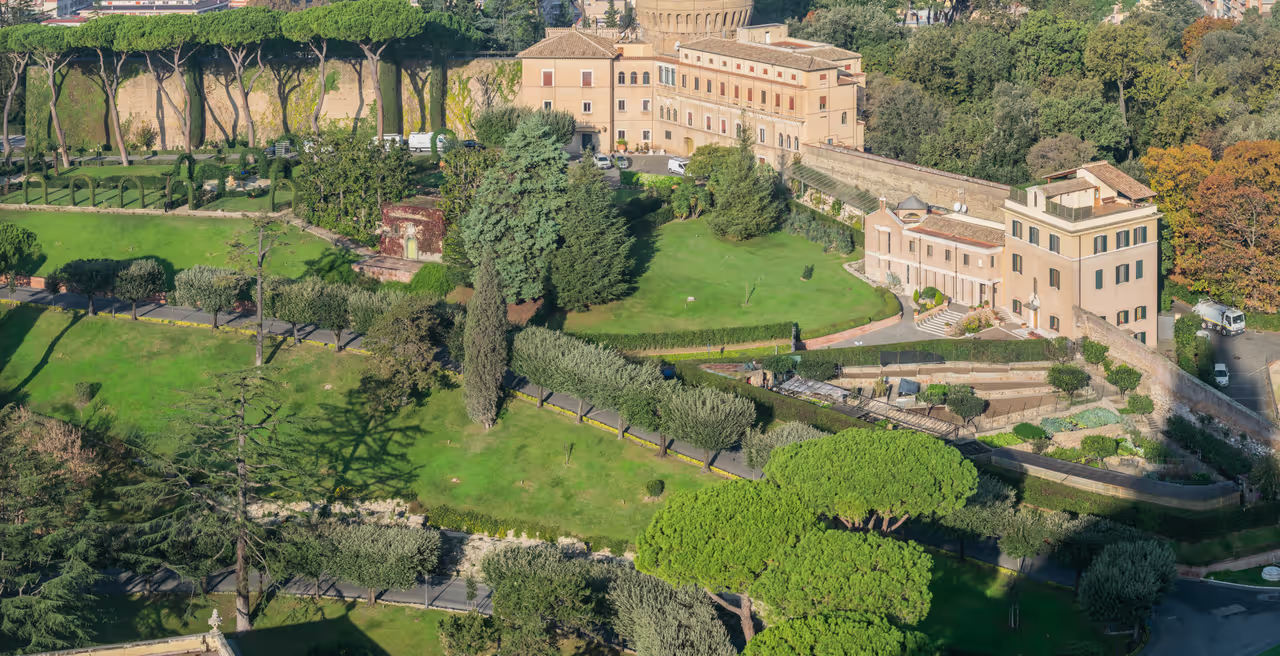
Step into a hidden emerald world that occupies over half of the world's smallest sovereign state. These gardens offer a rare...
viewGardens of Castel Sant Angelo
Nestled right at the foot of the monumental Castel Sant Angelo, the Parco della Mole Adriana offers a serene escape from the...
view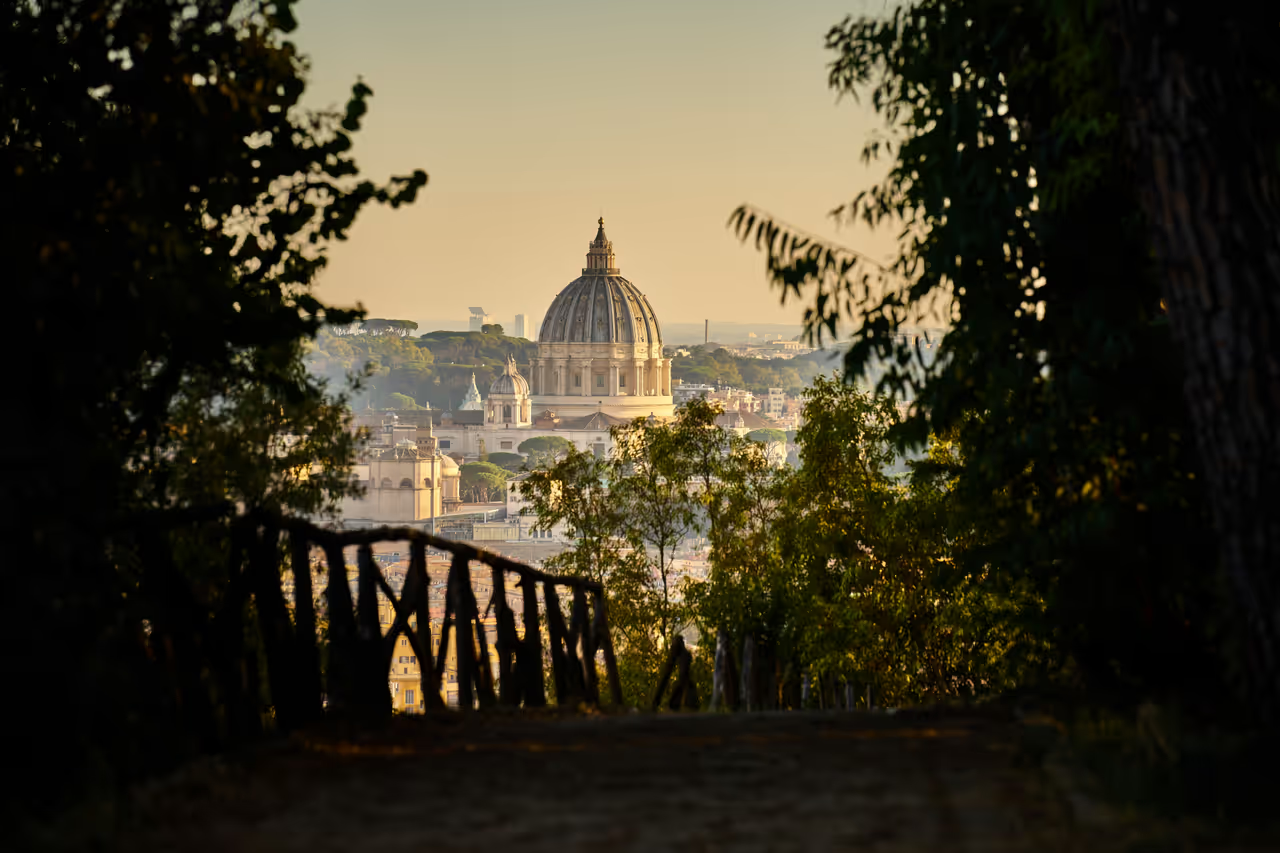
Monte Mario
Rising above the Eternal City as its highest point, Monte Mario offers an unparalleled vantage point that has captivated...
view
Highlights & Must-Sees
Castel Sant'Angelo
Sitting just outside the Vatican walls on the banks of the Tiber, this massive cylindrical fortress is one of the most...
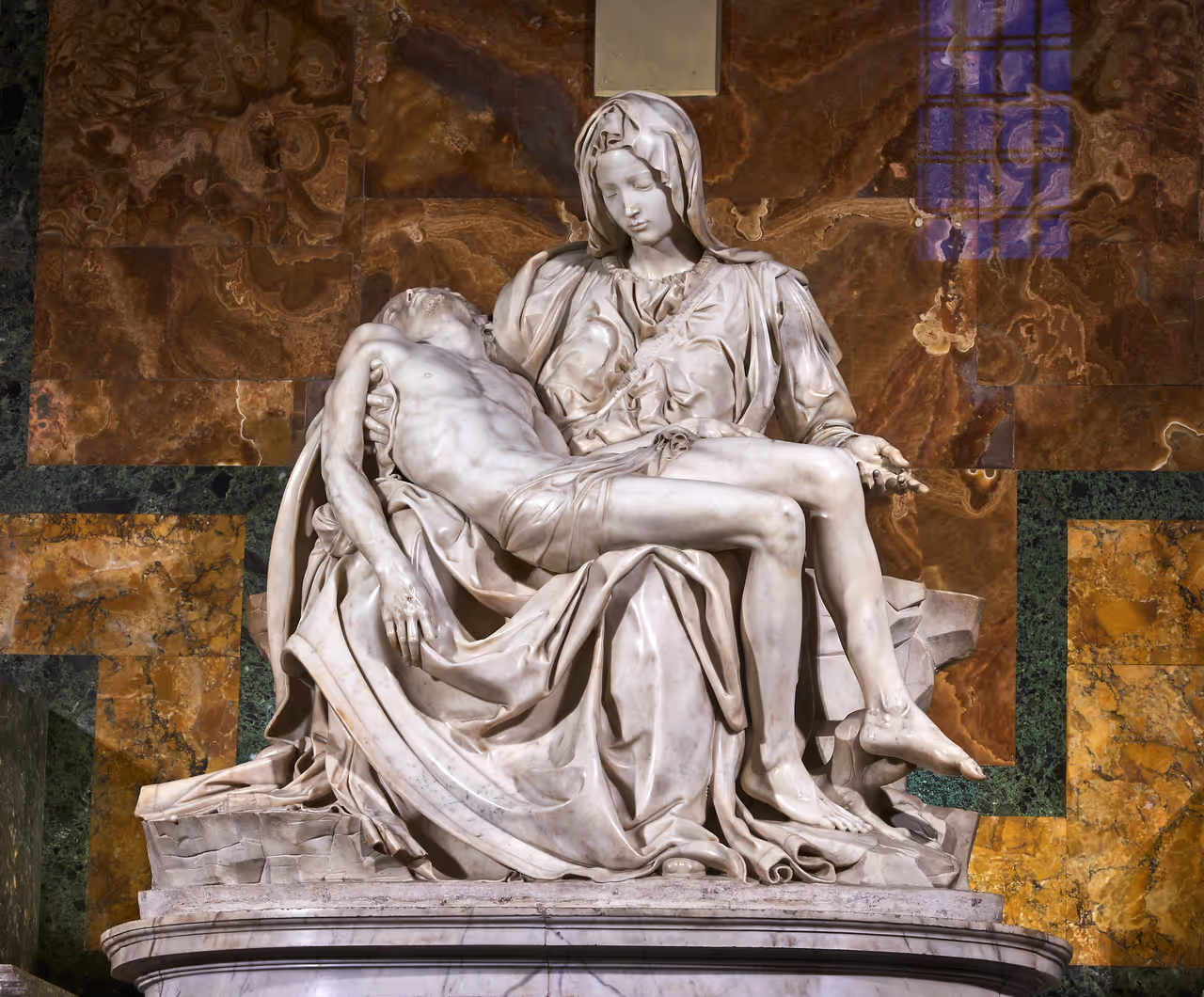
viewMichelangelo's Pietà
Located in the first chapel on the right as you enter St. Peter's Basilica, this exquisite marble sculpture is universally...
viewRaphael Rooms
Commissioned by Pope Julius II in 1508 to decorate his private apartments, these four interconnected rooms feature some of the...
viewSt. Peter's Square
This colossal elliptical plaza, designed by the master architect Gian Lorenzo Bernini, serves as the breathtaking forecourt to...
view
Best Walks in Vatican City
Prati Elegance Stroll
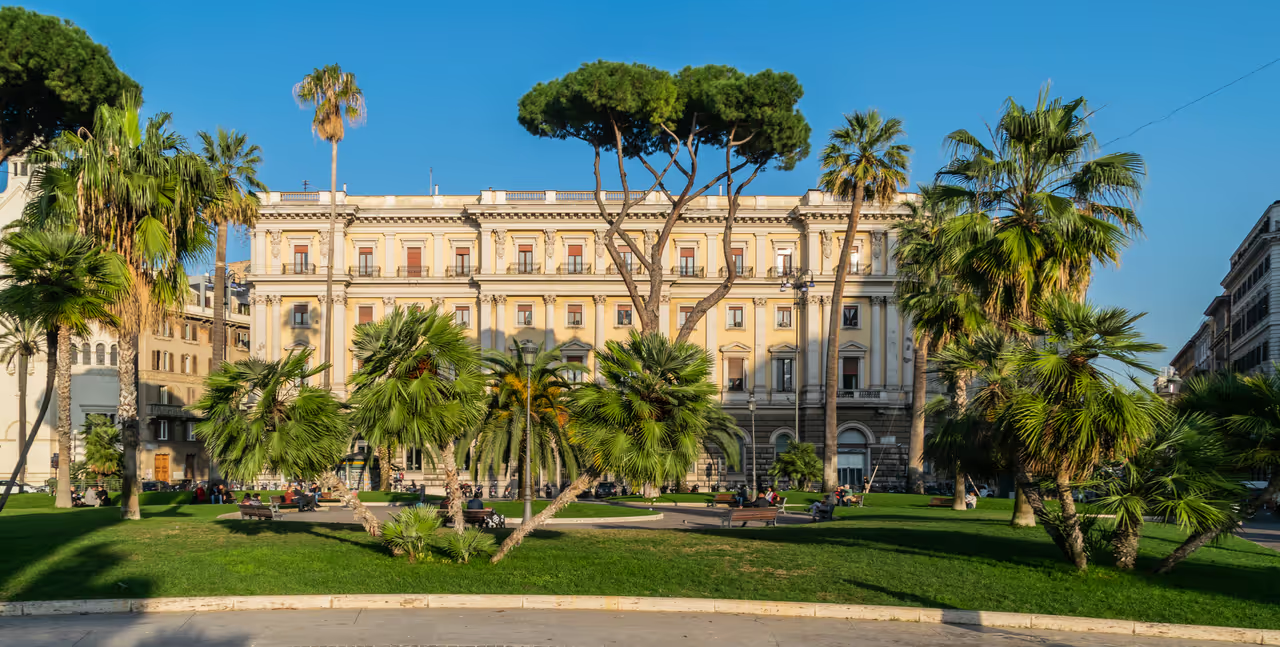
Explore the orderly, upscale grid of the Prati district, a stark contrast to the winding medieval alleys found elsewhere in Rome. This stroll takes you past elegant late-19th-century palazzos, high-end boutiques, and broad, tree-lined avenues designed for the city's rising bourgeoisie. You will meander through beautifully landscaped squares and past imposing civic structures, soaking in a more modern, affluent Roman atmosphere. It is the perfect walk for window shopping, people-watching, and discovering excellent local bistros.
Fortress and Shadows Stroll
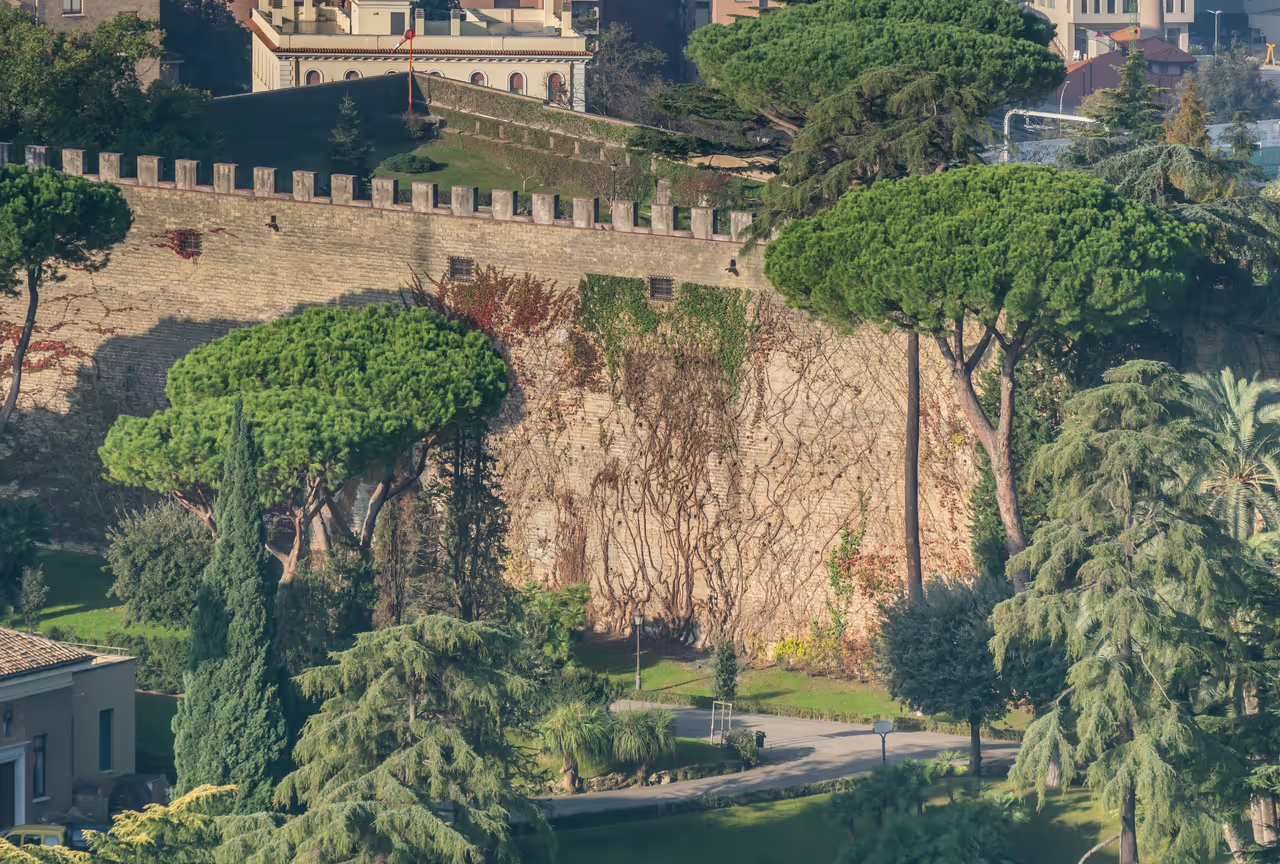
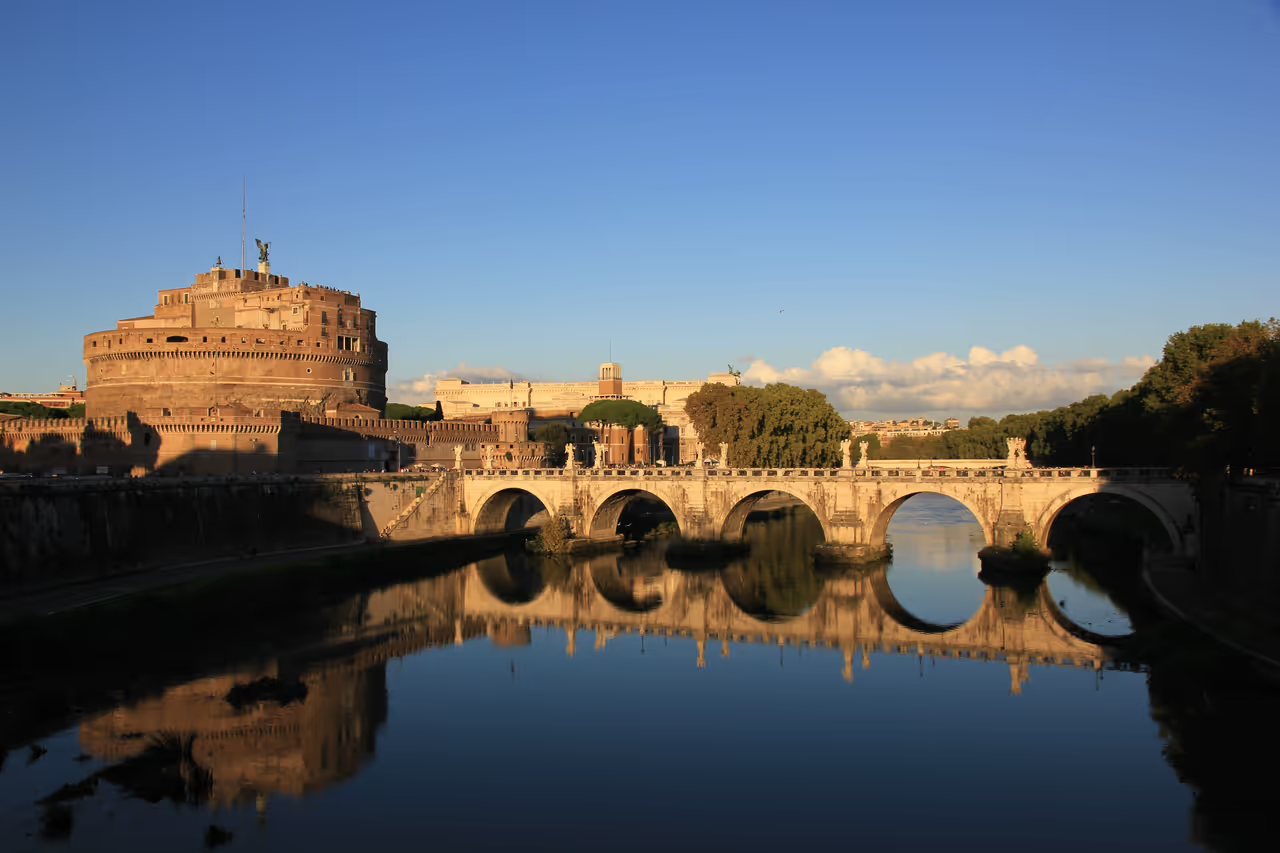
Trace the historic path of the fortified escape route that connects the Vatican Palace to the safety of Castel Sant'Angelo. Walking along the streets of Borgo Pio parallel to this ancient elevated wall, you will pass charming traditional eateries and quiet medieval corners. The looming presence of the fortress ahead creates a sense of historical drama, recalling times when popes fled for their lives during invasions. It is an evocative stroll that highlights the militaristic and secretive aspects of papal history.
 HIGHLY RECOMMENDED
Grand Approach
Walk the monumental, wide boulevard carved out in the 1930s specifically to frame the magnificent dome of St. Peter's Basilica. Beginning at the banks of the Tiber River near the ancient mausoleum, the stroll draws you directly toward the heart of the Vatican. Every step forward gradually reveals the sheer, intimidating scale of the basilica's facade and Bernini's sweeping colonnades. It is an incredibly dramatic, highly photogenic walk that sets the perfect mood before entering the holy city.
Architecture & Landmarks
Apostolic Palace
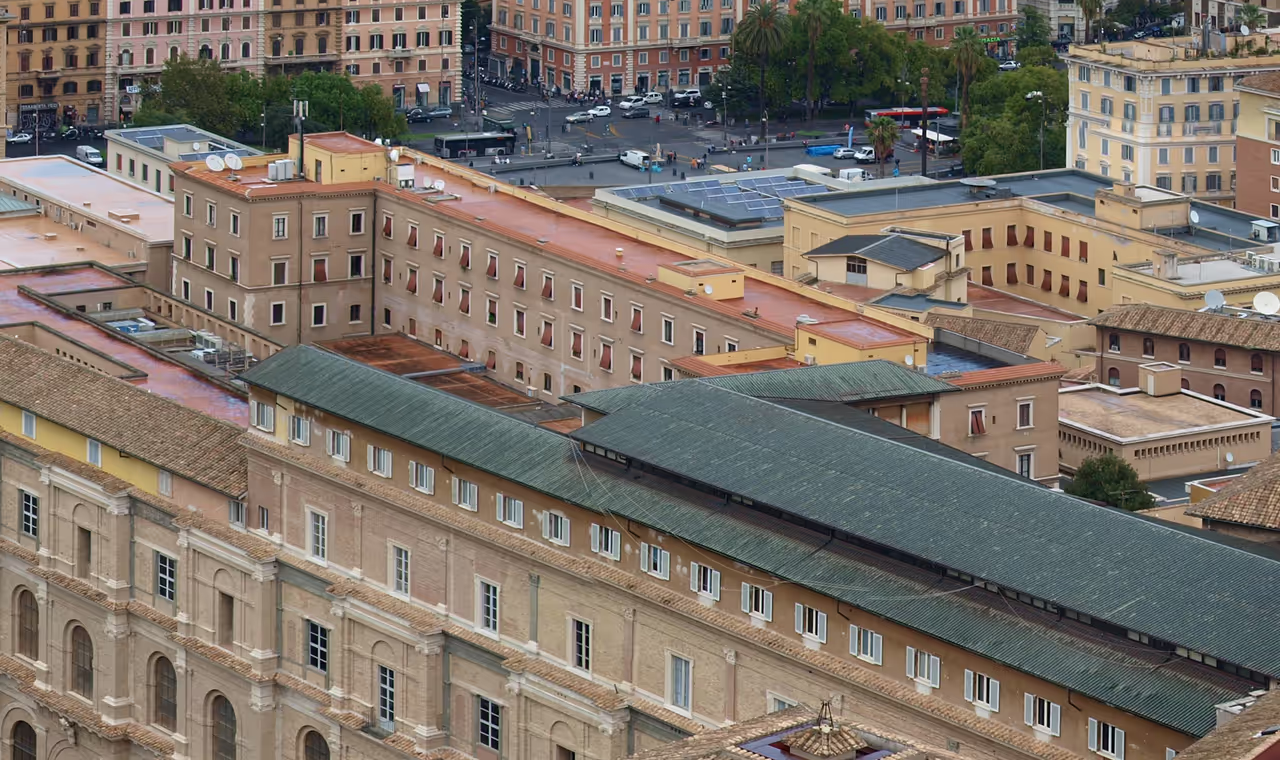
This sprawling, complex labyrinth of buildings serves as the official residence of the Pope, though recent pontiffs have often...
viewLeonine Walls
Constructed in the 9th century under Pope Leo IV, these massive stone walls were raised to defend St. Peter's Basilica from...
view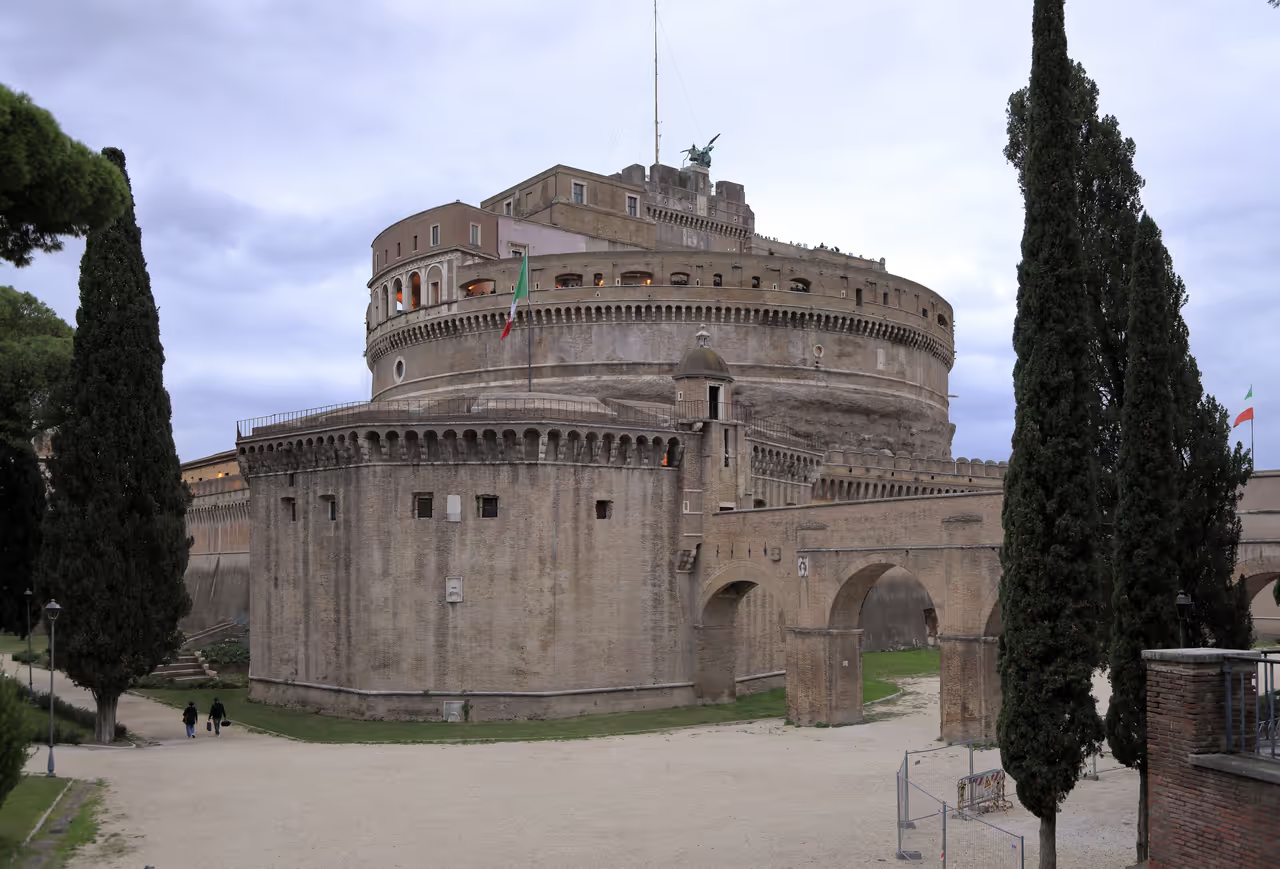
Passetto di Borgo
Stretching for nearly 800 metres above the streets of the Borgo neighbourhood, this elevated passage connects the Vatican Palace...
view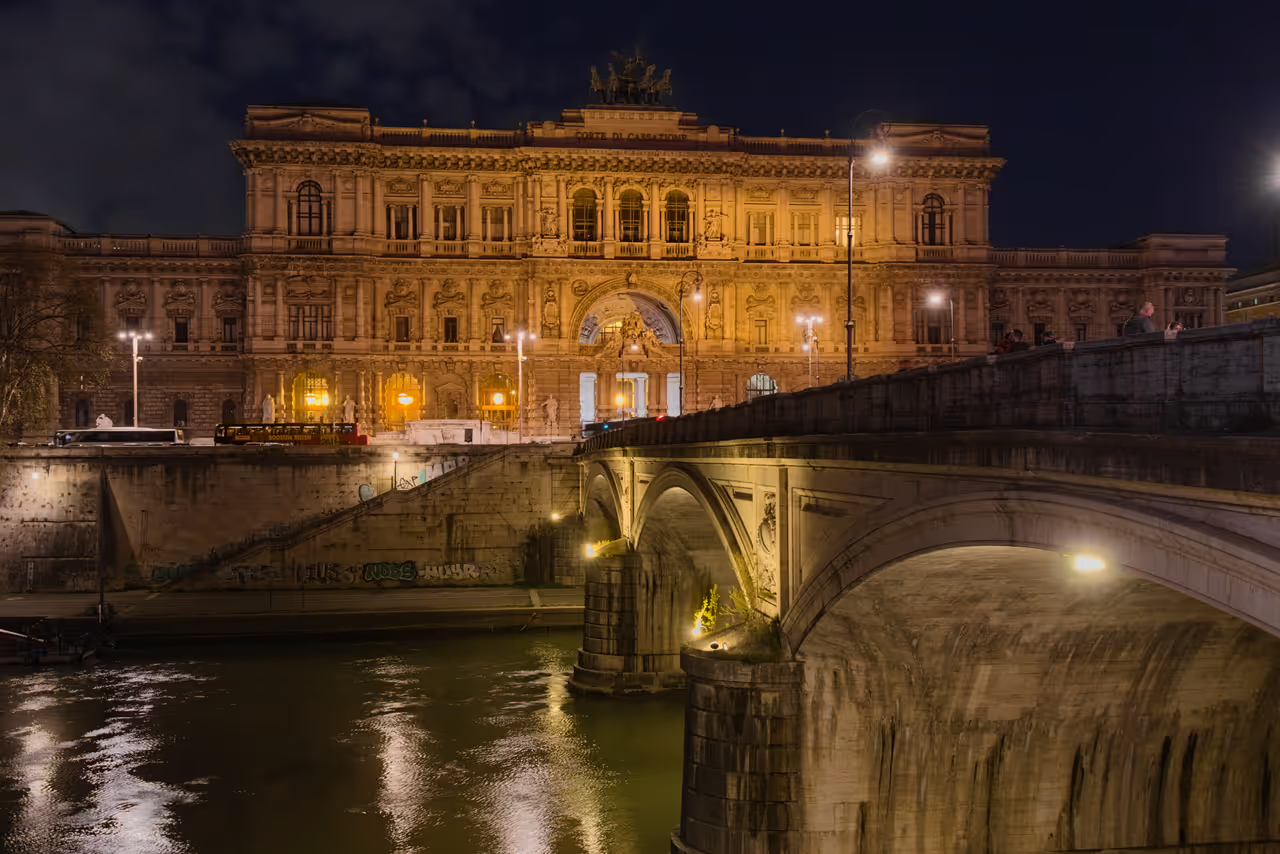
Palace of Justice
Dominating the banks of the Tiber in the Prati district, this colossal building houses the Supreme Court of Cassation...
view
Markets & Shopping
Vatican City Nightlife
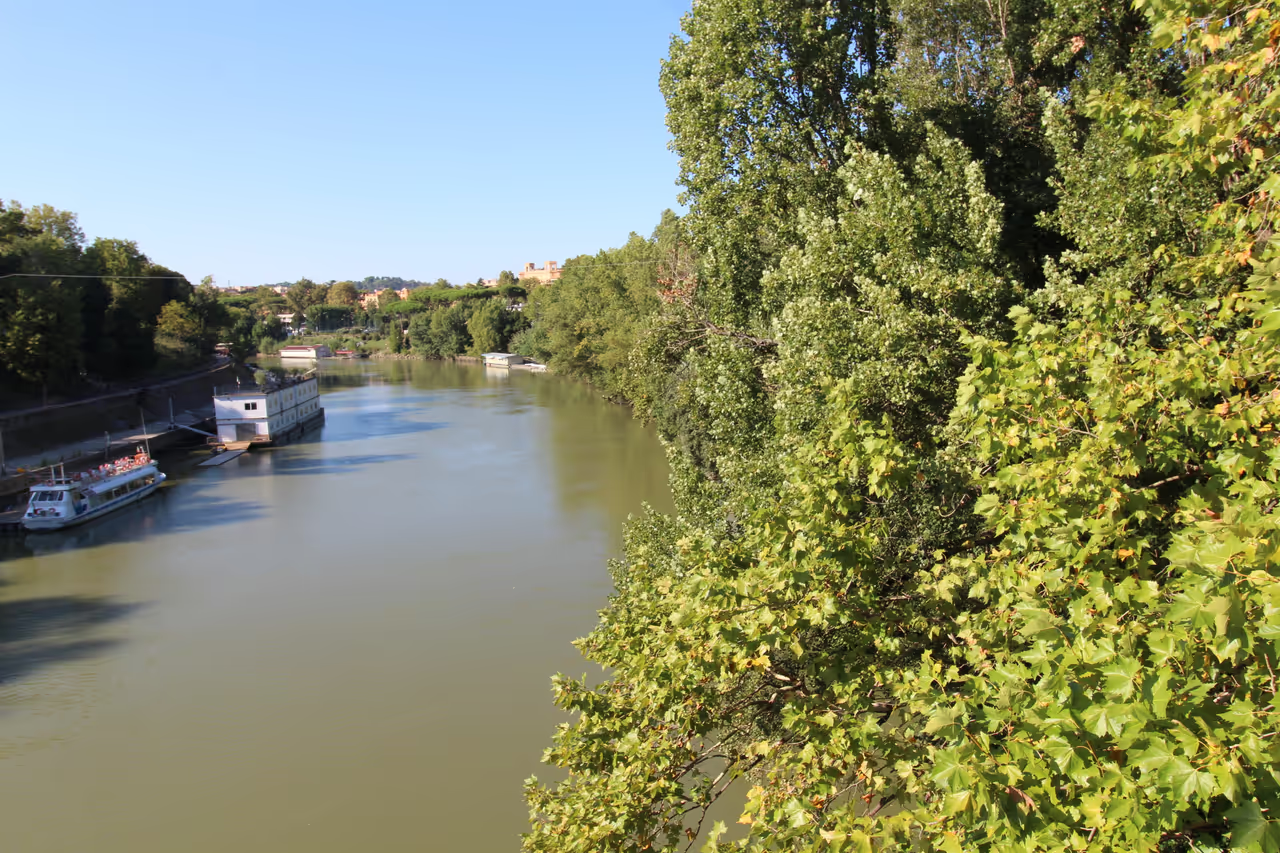
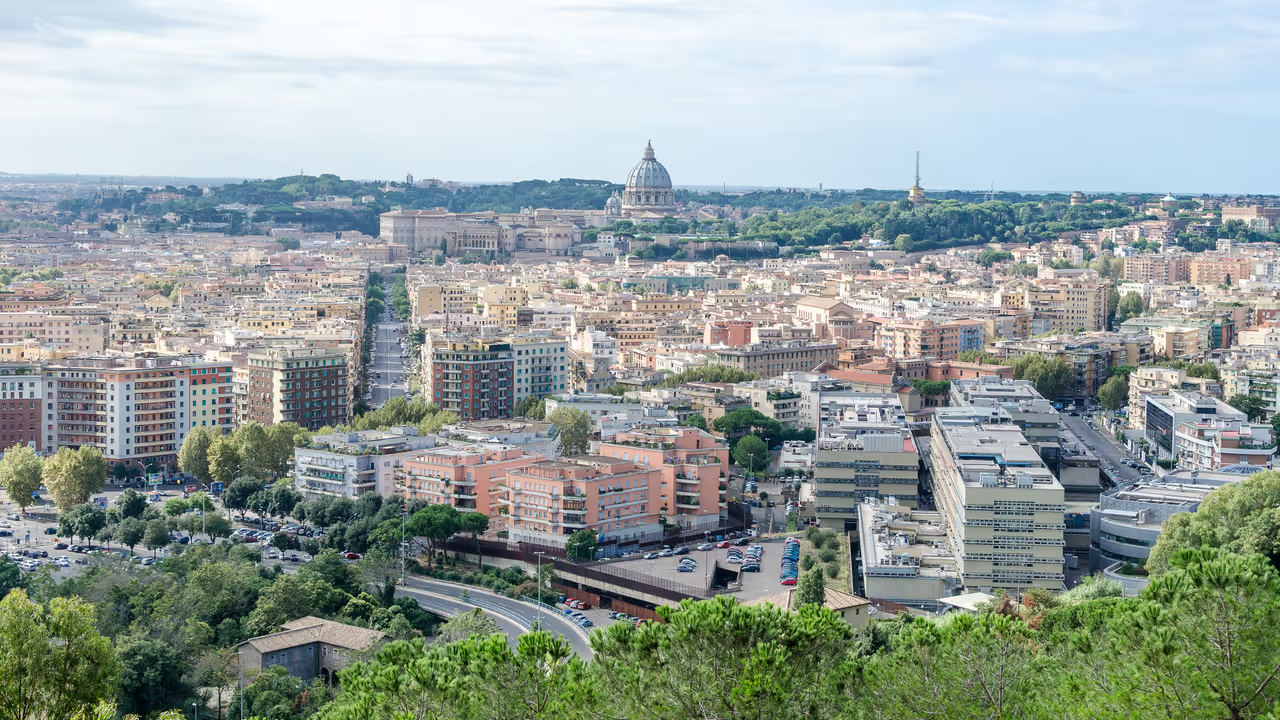
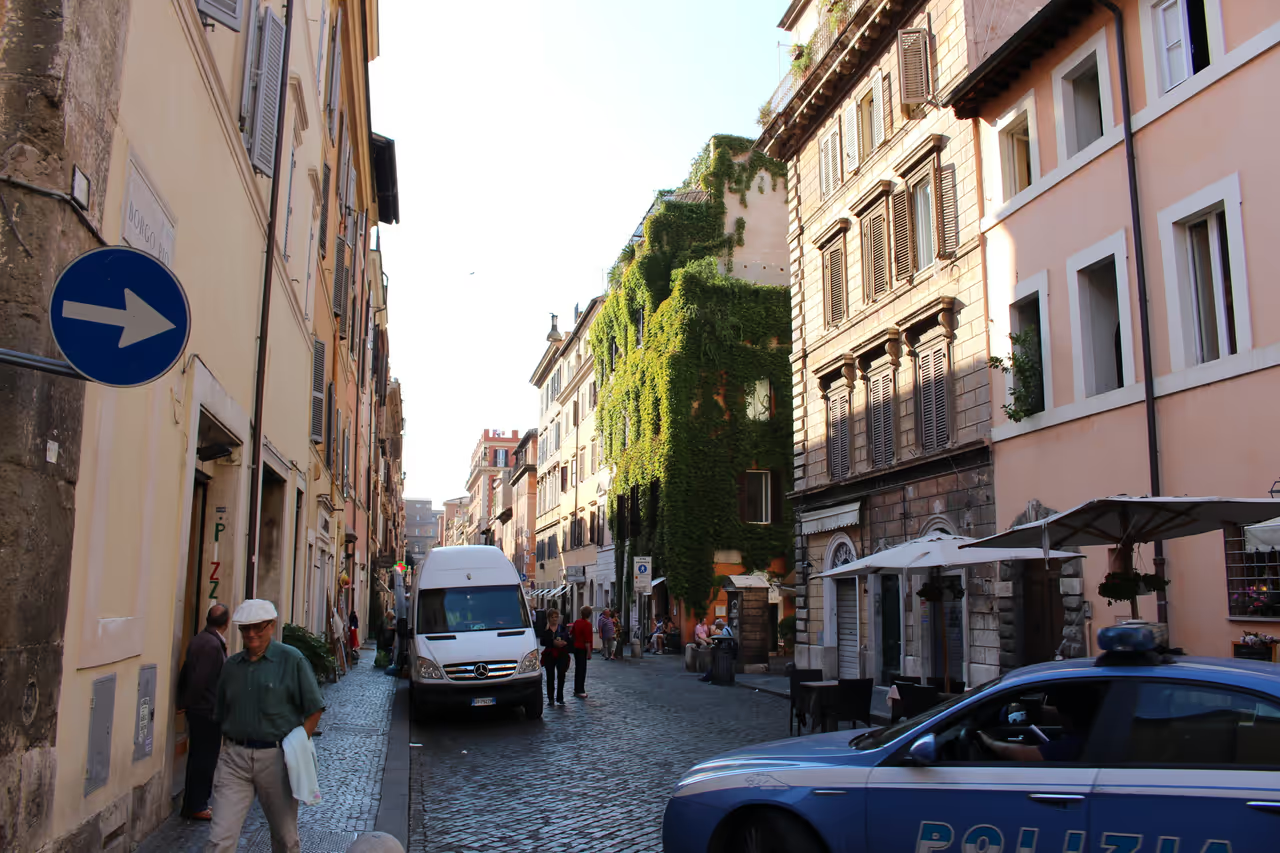
Photo Spots
Activities & Experiences
Cycling Routes
Tiber Riverbanks Ride
Cycle along the dedicated, sunken bike path that runs directly beside the flowing waters of the Tiber River, offering a traffic-free perspective of the city. As you pedal beneath the massive arches of Rome's historic bridges, you will pass incredible sights like the imposing cylindrical fortress of Castel Sant'Angelo. The path provides a cool, breezy escape from the street-level chaos, with the magnificent dome of St. Peter's occasionally peeking out above the tree line. It is a smooth, flat ride that perfectly marries natural river scenery with monumental architecture.
Monte Mario Ascent
Take your bike up the winding, leafy roads of Monte Mario, the highest rise in the area, offering a refreshing natural escape from the dense urban grid. The route climbs steadily through shaded nature reserves, revealing increasingly spectacular views of the city below. Along the way, you pass near the external grounds of the Vatican Observatory and lush wooded areas that feel a world away from the Vatican's busy museums. Reaching the summit rewards you with arguably the finest panoramic sweep of Rome available.
Gianicolo to Vatican Descent
Begin high up on the Gianicolo (Janiculum) Hill, cycling down along the wide, scenic promenade that curves gracefully toward the Vatican walls. The ride offers continuous, cinematic views of the Roman skyline, allowing you to glide past historic monuments and equestrian statues with ease. As you descend, the massive dome of St. Peter's slowly reveals itself, guiding you toward the grand colonnades of the square. It is a sweeping, romantic route that connects two of the area's most iconic elevations.
Self-Guided Tours
- HIGHLY RECOMMENDED
Renaissance Masterpieces Tour
Embark on an awe-inspiring journey through the greatest concentration of Renaissance art anywhere on the planet. This self-guided narrative guides you through the opulent halls of the Vatican Museums, examining how popes patronised fierce artistic rivals to decorate their palaces. You will stand beneath Michelangelo's revolutionary frescoes and walk through the incredibly detailed rooms painted by the young prodigy Raphael. The tour focuses on the explosive period of creativity that forever changed Western art and architecture, culminating in the majestic basilica itself.
Secrets of the Vatican Tour
Delve beyond the public museums to uncover the hidden operational heart and deep ancient roots of the world's smallest state. This tour focuses on the peculiar logistics of a country that fits inside a neighbourhood, from its independent postal system to its uniquely guarded borders. You will explore the ancient, shadowy depths where the foundations of the faith were literally buried in the first century. It is a fascinating look at how ancient tradition and modern statecraft seamlessly blend behind heavily guarded gates.
Fortress and Defence Tour
Explore the militarised, rugged history of the papacy by tracing the formidable defences designed to protect the popes from siege and sack. The narrative focuses on the turbulent Middle Ages and Renaissance, periods when the Holy See was heavily involved in bloody geopolitical conflicts. You will follow the elevated escape route that saved a pope's life and explore the colossal cylindrical fortress that served as a refuge, a prison, and a treasury. The tour highlights the stark contrast between the Vatican's spiritual mission and its brutal history of survival.
Annual Festivals & Events
- HIGHLY RECOMMENDED
Christmas Midnight Mass
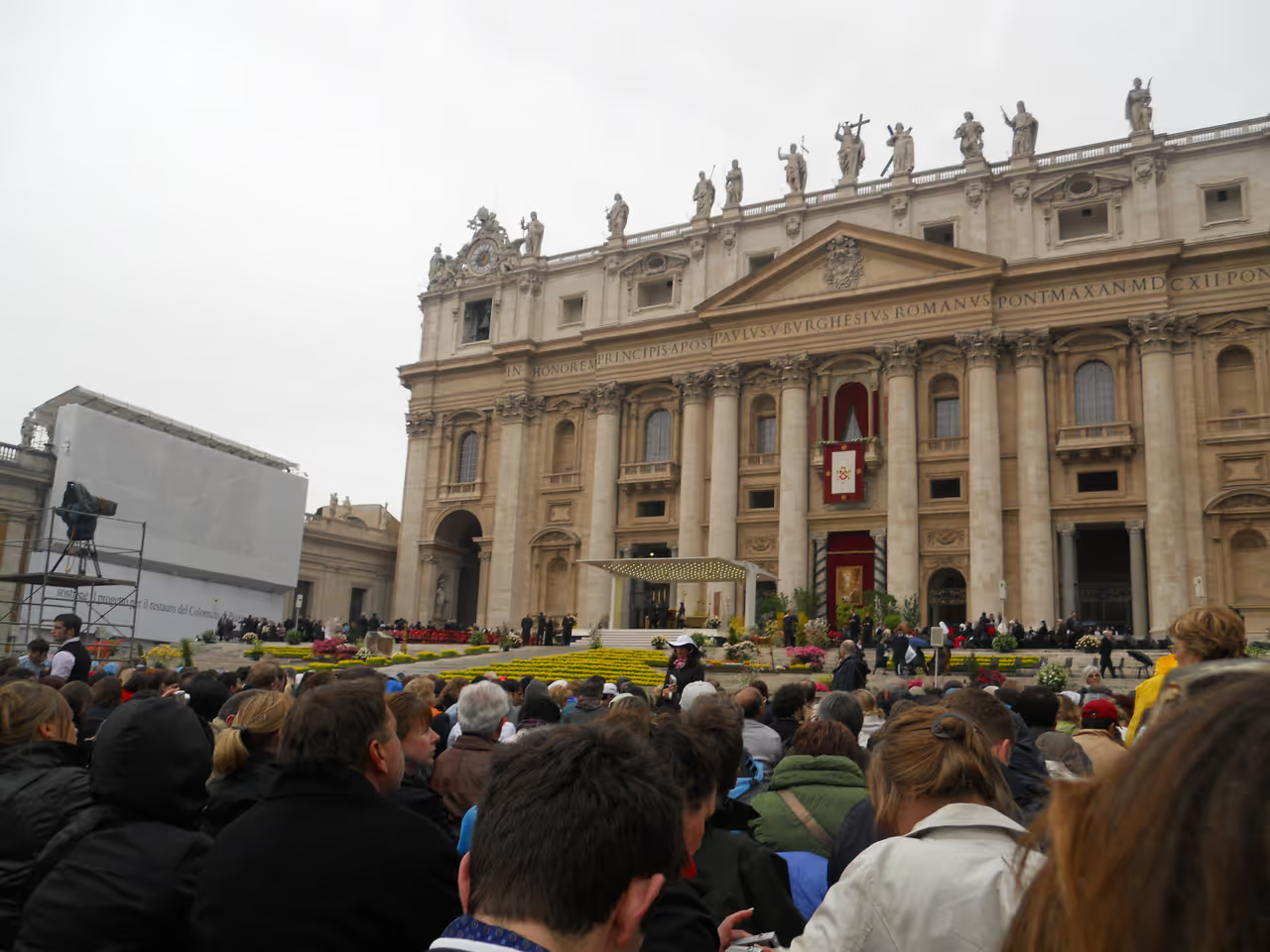
Celebrated on Christmas Eve, this magnificent liturgy is held inside the breathtaking St. Peter's Basilica. The Pope presides over the service, which is broadcast to millions worldwide, featuring glorious choral music and the majestic sounding of the basilica's bells. The square outside is also illuminated by a towering Christmas tree and a beautifully crafted life-sized Nativity scene. Securing tickets requires planning months in advance, but standing in the square to watch on the large screens is equally magical.
 HIGHLY RECOMMENDED
Easter Sunday Mass
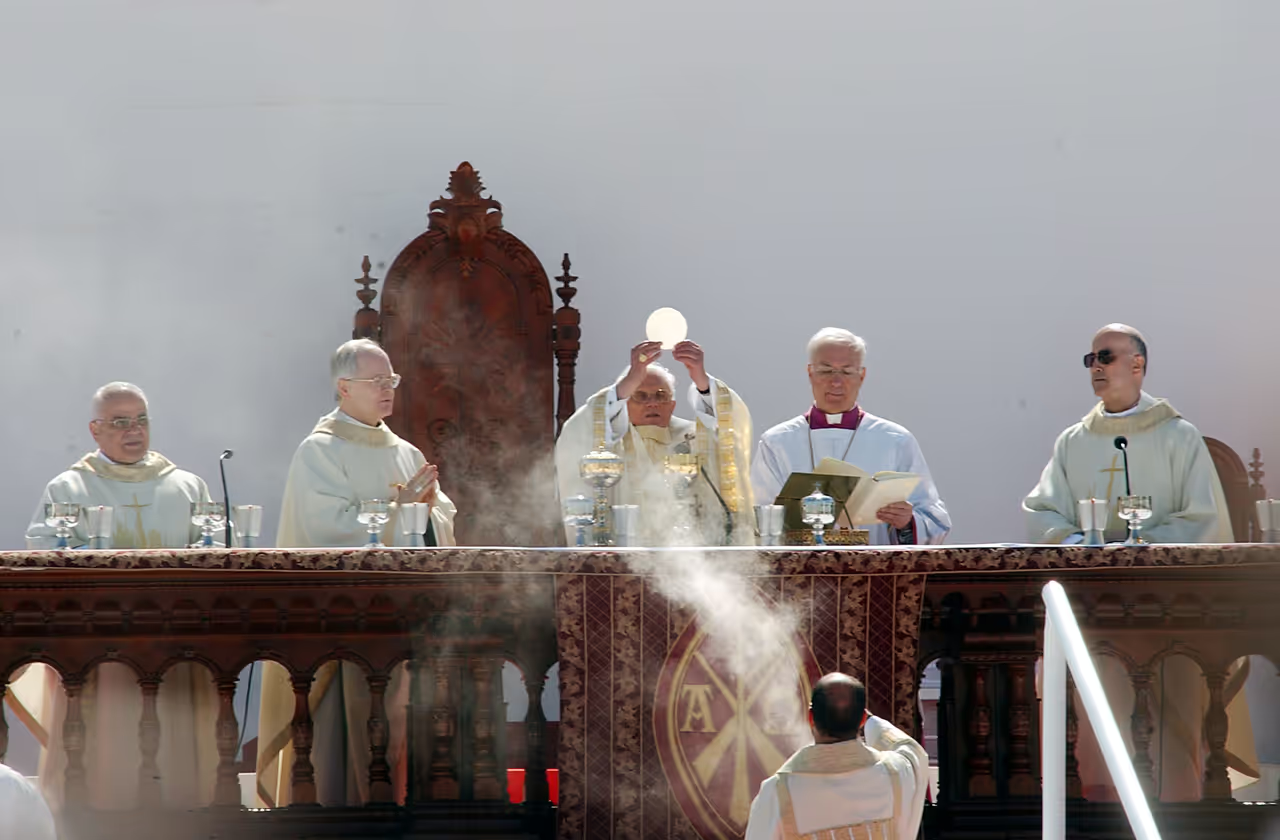
Easter is the pinnacle of the Catholic liturgical calendar, and attending Mass at the Vatican is a profoundly moving experience. The Pope leads the grand ceremony in a beautifully decorated St. Peter's Square, surrounded by tens of thousands of pilgrims from across the globe. Following the Mass, the Pontiff delivers the famous 'Urbi et Orbi' blessing from the central balcony of the Basilica. The atmosphere is electric, filled with joyous hymns, vibrant floral arrangements, and a deep sense of universal celebration.
 HIGHLY RECOMMENDED
General Papal Audience
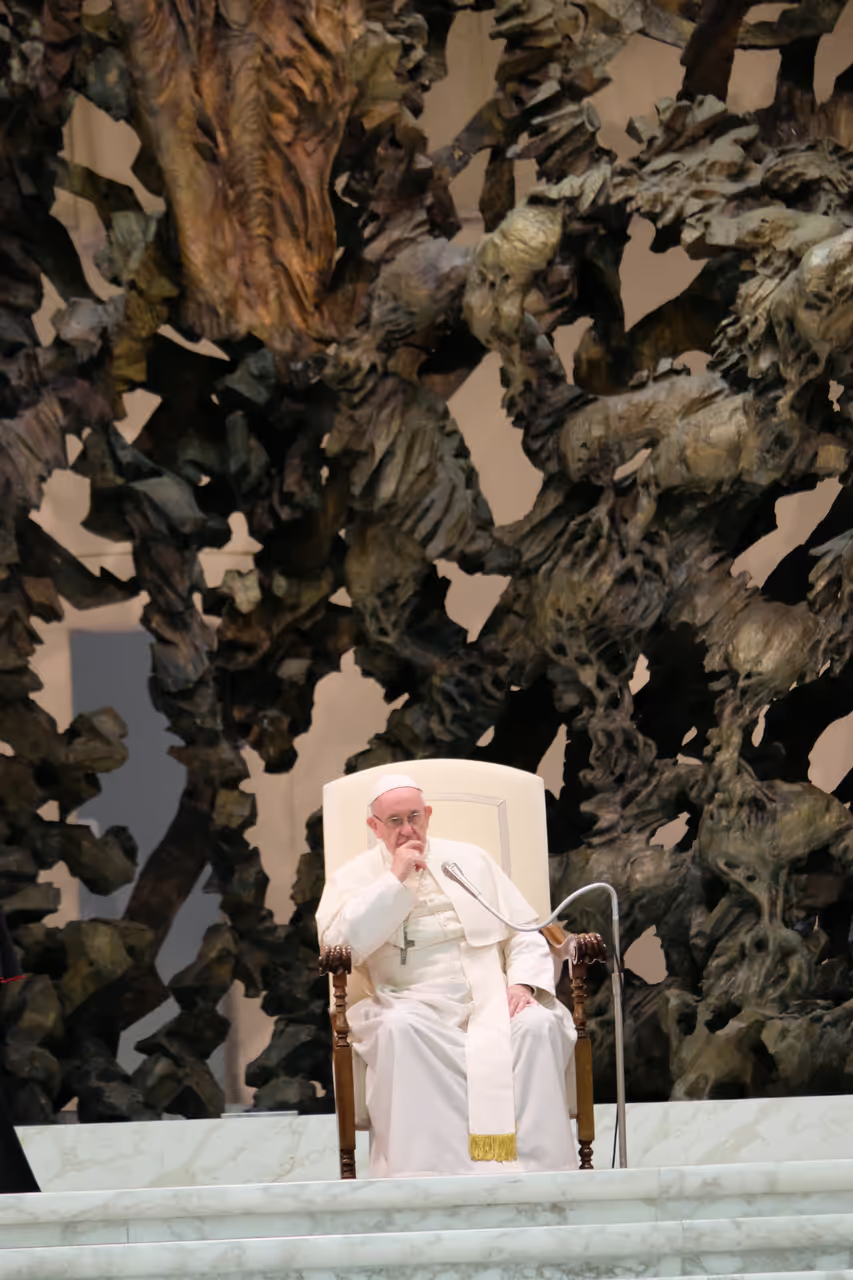
While occurring weekly rather than annually, the Wednesday General Audience is a festival-like gathering of the faithful and curious alike. The Pope rides through the crowds in the popemobile, blessing attendees and offering teachings and prayers in multiple languages. Groups from all over the world bring banners, sing songs, and cheer as the Pontiff approaches, creating an incredibly vibrant and joyful atmosphere. It offers one of the most accessible and intimate ways to see the leader of the Catholic Church.
Insider Tips
Book your tickets to the Vatican Museums online well in advance to skip the notoriously long queues that stretch around the block.
Avoid the number 64 bus from central Rome if you carry valuables in open pockets, as it is infamous for highly skilled pickpockets targeting tourists heading to the Vatican.
Mail your postcards from the bright yellow post boxes inside Vatican City; the Vatican postal service is widely considered faster and more reliable than the standard Italian post.
To attend the Wednesday Papal Audience, secure your free tickets on Tuesday afternoon from the Swiss Guards posted near the bronze doors right of the basilica.
Always carry a scarf or wear trousers, as the strict dress code for the Basilica and Museums requires covered shoulders and knees at all times.
Do not attempt to photograph the Sistine Chapel ceiling; guards enforce the no-photo rule strictly, and the atmosphere is much better when you simply look up and observe.
If you wish to purchase unique souvenirs, look out for the rare Vatican Euro coins in the official gift shops, which are highly prized by collectors.
PERFECT FOR
Vatican City is a dream destination for lovers of art, architecture, and deep historical narratives. It caters profoundly to religious pilgrims seeking spiritual connection at the heart of Catholicism, as well as cultural enthusiasts eager to witness the pinnacle of Renaissance and Baroque masterpieces. Those who appreciate monumental scale and the enduring legacy of ancient institutions will find endless fascination here.
VIBE
The atmosphere is a striking blend of profound spiritual reverence and monumental artistic grandeur. Walking through the sweeping colonnades, you feel dwarfed by the sheer scale of the architecture and the weight of two millennia of history. Despite the immense crowds of eager tourists, moments of quiet reflection can still be found beneath the soaring domes and within the manicured, serene gardens.
Frequently Asked Questions about Vatican City
Yes, a strict dress code is enforced for entering St. Peter's Basilica, the Vatican Museums, and other sacred areas. Both men and women must ensure their shoulders and knees are covered. Sleeveless shirts, short shorts, and mini-skirts are not permitted, and you may be turned away by security if inappropriately dressed.
Although Vatican City is an independent sovereign state, it maintains an open border with Italy and lies entirely within the Schengen Area. You do not need to show a passport to walk into St. Peter's Square or the museums, and they do not issue passport stamps.
The Pope typically holds a formal General Audience on Wednesday mornings in St. Peter's Square or the Paul VI Audience Hall, which requires free tickets secured in advance. Alternatively, he delivers the Angelus blessing from his apartment window overlooking the square every Sunday at noon, which requires no ticket.
No, photography and video recording are strictly prohibited inside the Sistine Chapel. Guards constantly monitor the room and will instruct you to delete your photos if caught. However, photography without flash is permitted in most other areas of the Vatican Museums and St. Peter's Basilica.
We recommend spending about 2 days in Vatican City. Two days allow you to comfortably explore the immense Vatican Museums and Sistine Chapel without extreme fatigue on the first day. The second day can be dedicated to climbing St. Peter's Dome, exploring the Basilica, and taking a guided tour of the Vatican Gardens or the nearby Castel Sant'Angelo.
Vatican City has an average temperature of 13.3°C in spring, 23.2°C in summer, 16.2°C in autumn, and 8°C in winter. Choose the season that best matches your weather preference.
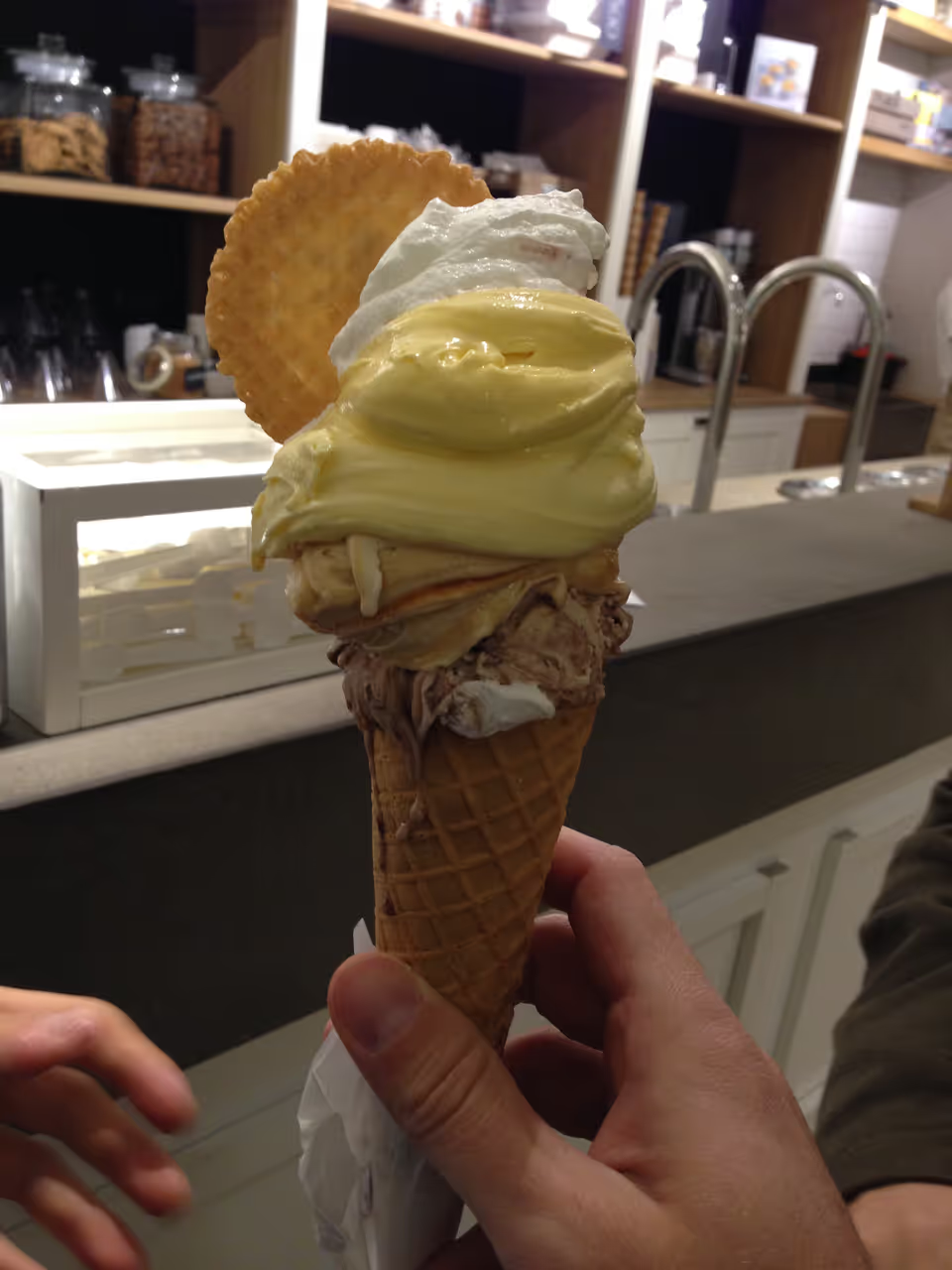
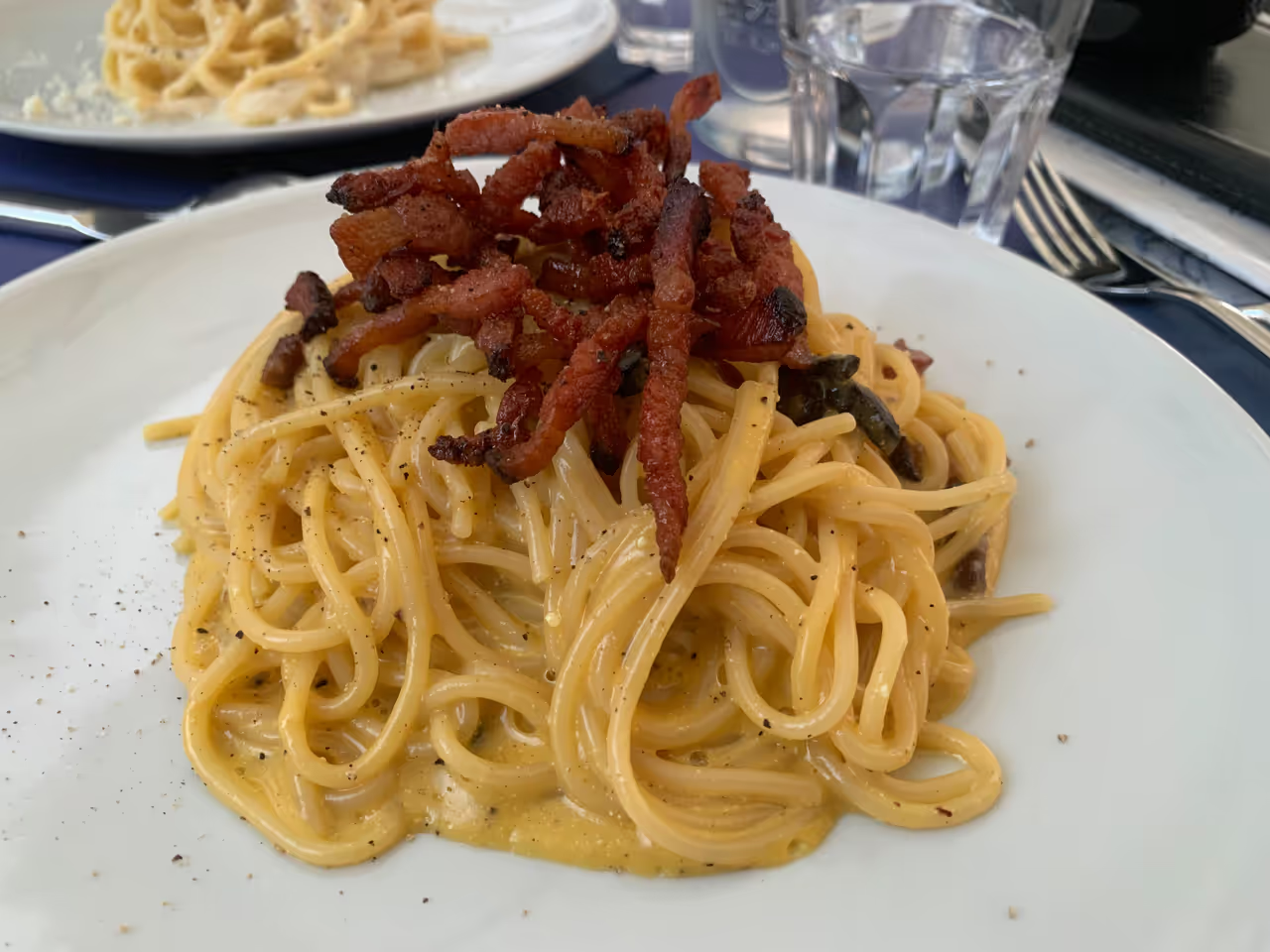
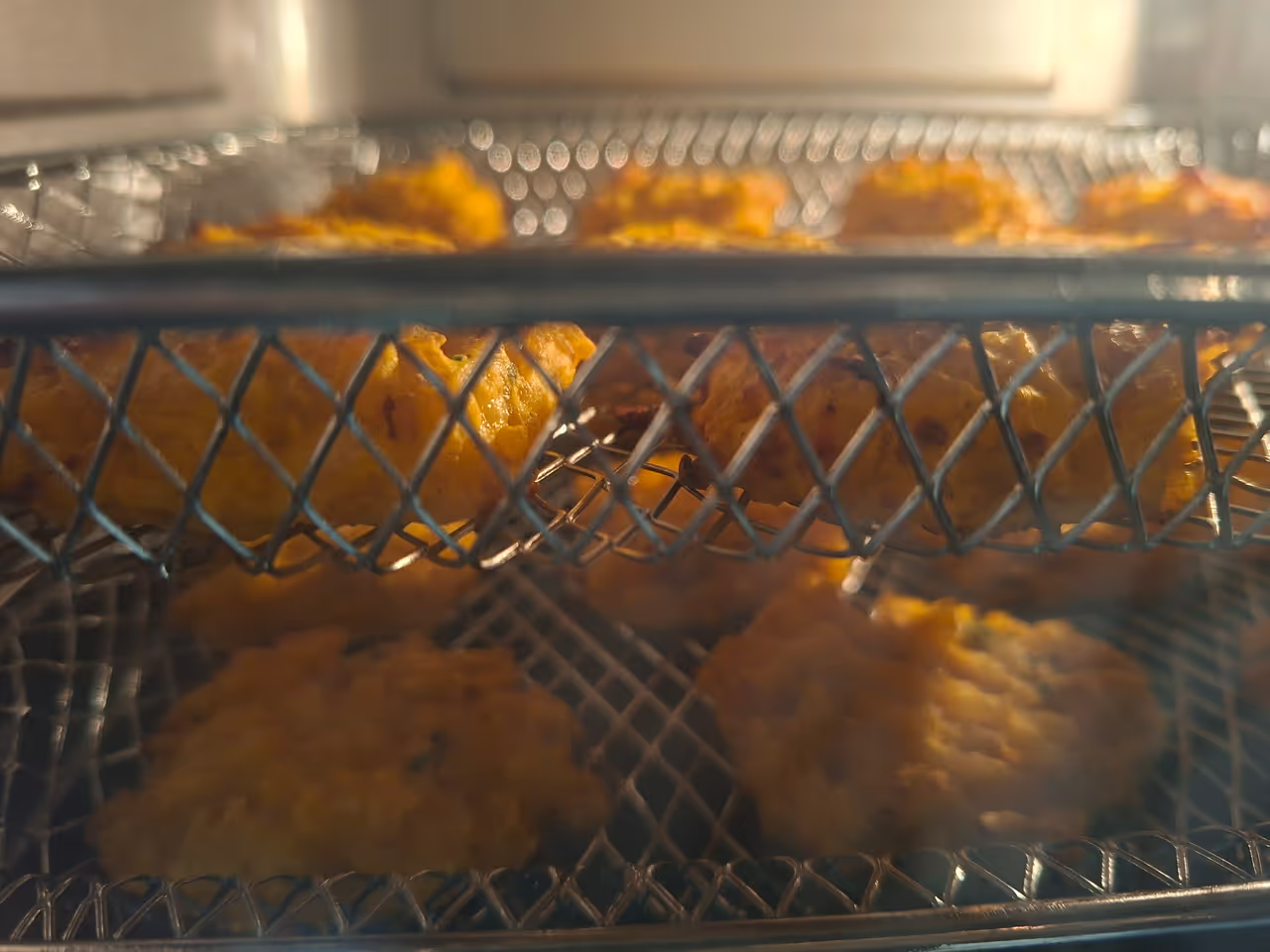
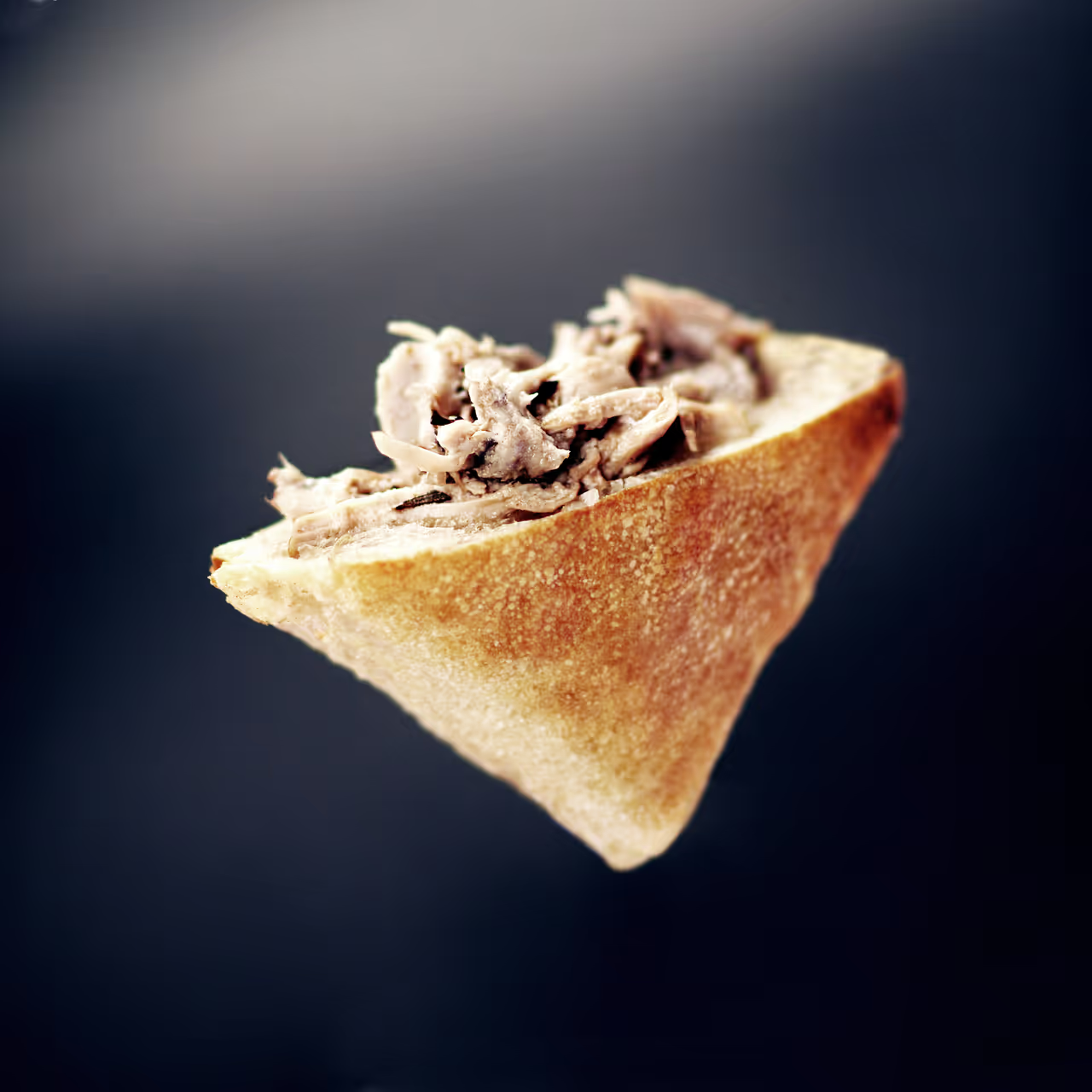
Some popular local food choices in Vatican City include Artisanal Gelato, Fresh Roman Pasta, Fried Rice Croquette, Trapizzino and Sicilian Lemon Sorbet.
It has a population of 882 people.
It was founded in 1929, making it 97 years old.
Yes, Vatican City is a capital city of Vatican City.
While we strive to keep this information accurate and up to date, we recommend verifying any details independently before making decisions based on them.